

Container Shipping China to Germany FCL LCL: 2026 Freight Guide
Navigating the complexities of international trade requires a deep understanding of logistics frameworks. Selecting the right mode for container shipping China to Germany FCL LCL is essential for maintaining a healthy supply chain in 2026. At Top China Freight, we specialize in streamlining these global connections for businesses of all sizes. This guide provides an in-depth analysis of shipping methods, costs, and strategic planning to ensure your cargo arrives safely and efficiently.
What is Container Shipping China to Germany FCL LCL?
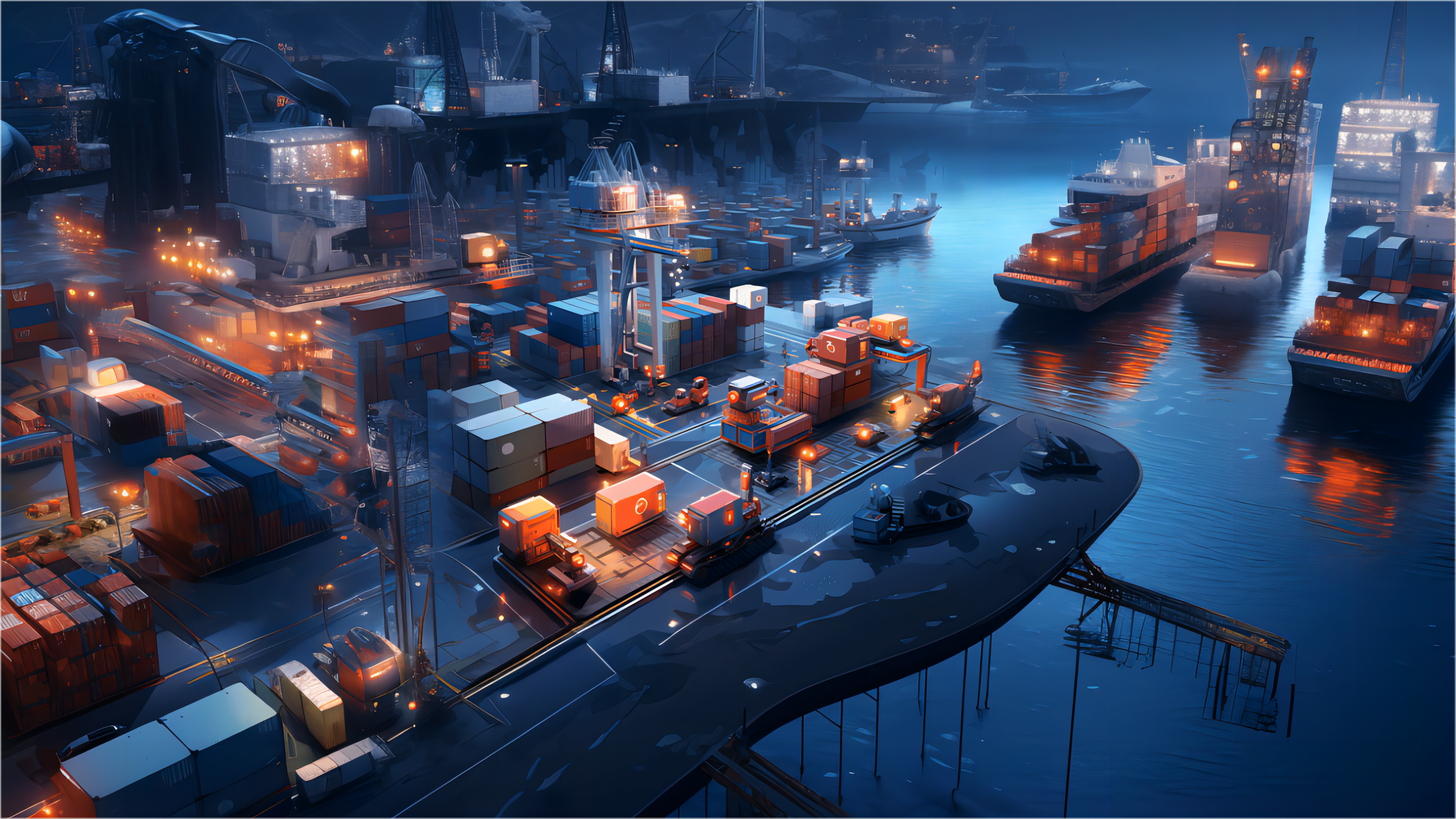
Ocean freight remains the backbone of global commerce, connecting major Chinese manufacturing hubs with German industrial centers. When you choose container shipping China to Germany FCL LCL, you are selecting between two primary loading methods based on your cargo volume. FCL, or Full Container Load, means your goods occupy an entire container exclusively, offering maximum security and speed.
On the other hand, LCL stands for Less than Container Load, which involves sharing container space with other shippers. This method is particularly cost-effective for smaller inventories that do not require a full 20ft or 40ft unit. Consequently, choosing the right method depends heavily on your specific business needs and budget constraints.
For most importers, sea freight provides the most balanced solution between cost and capacity. During 2026, we have seen a steady increase in demand for both options as trade volumes between Asia and Europe continue to grow. Therefore, understanding the nuances of these services is the first step toward successful importing.
How Does Sea Freight Compare to Other Shipping Options?
While sea freight is the most common choice, it is not the only way to move goods across the Eurasian continent. Businesses often weigh the benefits of ocean transport against speedier alternatives like air or rail. For instance, while sea freight is economical, it cannot match the transit times offered by aviation.
Moreover, the middle-ground solution of rail freight has gained immense popularity for China-Germany routes. It offers a faster alternative to the ocean while remaining significantly cheaper than air transport. Nevertheless, for the highest volumes of bulky goods, container shipping remains the undisputed leader in cost-efficiency.
Specifically, the choice often comes down to the urgency of the shipment and the value of the goods. High-value electronics might justify the cost of air freight to meet tight market deadlines. In contrast, seasonal consumer goods are perfectly suited for the longer lead times of sea transport.
| Shipping Method | Cost Range | Transit Time | Best For |
|---|---|---|---|
| Sea Freight (FCL) | $3,200 – $4,800 | 30-40 Days | Bulk goods / Large volume |
| Sea Freight (LCL) | $80 – $150 / CBM | 35-45 Days | Small shipments / Samples |
| Rail Freight | $4,500 – $6,500 | 18-22 Days | Mid-size / Urgent cargo |
| Air Freight | $4.50 – $7.50 / kg | 5-8 Days | High-value / Perishables |

FCL vs LCL: Choosing the Right Method for Your Volume
The decision between FCL and LCL is primarily driven by the volume of your shipment measured in cubic meters (CBM). Generally, if your shipment exceeds 15 CBM, FCL becomes the more economical choice because you pay a flat rate for the container. Additionally, FCL reduces the risk of damage since the container is only opened at the origin and destination.
Conversely, LCL is the ideal strategy for shipments ranging from 1 to 14 CBM. Because you only pay for the space you use, it allows small businesses to maintain lower inventory levels without high shipping overheads. However, LCL involves more cargo handling at consolidation warehouses, which can slightly increase the risk of minor delays.
Furthermore, FCL shipments usually arrive faster because they do not require the consolidation and deconsolidation steps inherent in LCL. If your supply chain relies on precise delivery windows, FCL offers more predictable scheduling. Without a doubt, both methods have their place in a modern logistics strategy.
Transit Times for Container Shipping China to Germany FCL LCL
Transit times for container shipping China to Germany FCL LCL are influenced by the specific ports of loading and discharge. For example, shipments from Shanghai to Hamburg typically take about 32 to 35 days on the water. In contrast, departing from southern ports like Shenzhen might add a few days depending on the carrier route.
Moreover, seasonal weather patterns and port congestion can impact these estimates significantly. During the peak season of Q3 and Q4 2025, many shippers experienced delays due to high demand and container shortages. Consequently, we recommend booking your space at least 3-4 weeks in advance to secure your preferred departure date.
To summarize, while the ocean voyage itself is consistent, the total door-to-door time includes trucking and customs clearance. Efficient customs brokerage can save several days by ensuring all paperwork is ready before the ship even docks. Indeed, planning for a 40-50 day total lead time is a safe benchmark for 2026.
| Origin Port (China) | Destination Port (Germany) | FCL Transit | LCL Transit |
|---|---|---|---|
| Shanghai | Hamburg | 32 Days | 38 Days |
| Ningbo | Bremerhaven | 34 Days | 40 Days |
| Shenzhen | Wilhelmshaven | 30 Days | 36 Days |
| Qingdao | Hamburg | 36 Days | 42 Days |
Current Market Rates and 2026 Price Trends
Freight rates for container shipping China to Germany FCL LCL have stabilized in early 2026 following the disruptions of previous years. Currently, a 40HQ container from a major Chinese port to Hamburg ranges between $3,800 and $4,500. Meanwhile, LCL rates are hovering around $95 per CBM, though these vary by carrier and seasonal demand.
Additionally, fuel surcharges and environmental compliance fees are becoming a larger part of the total cost breakdown. Carriers are investing in greener technologies, and these costs are often passed down to the shipper. Therefore, it is vital to request a comprehensive quote that includes all local charges at both ends.
Market data suggests that rates typically spike during the weeks leading up to the Chinese New Year and the Golden Week holiday. By planning shipments around these periods, savvy importers can save up to 20% on their ocean freight costs. Note: Freight rates are subject to change based on fuel costs, carrier capacity, and seasonal demand. Contact us for a current quote tailored to your specific shipment.
Essential Customs Documentation for German Imports
Navigating German customs requires meticulous attention to detail and accurate documentation. The most critical documents include the Commercial Invoice, Packing List, and the Bill of Lading. Furthermore, you must provide a valid EORI number, which is required for all businesses importing goods into the European Union.
In addition to standard paperwork, certain goods may require specific certificates of origin or CE marking to comply with EU safety standards. Failure to provide these documents can result in costly delays or even seizure of the cargo at the port of Hamburg. Consequently, working with an experienced logistics partner is highly recommended to avoid these pitfalls.
Professional customs brokerage services handle the complex classification of goods using HS codes. This ensures that you pay the correct amount of VAT and import duties, preventing future audits or penalties. Indeed, a smooth customs process is the final hurdle in the container shipping China to Germany FCL LCL journey.
Real-World Case Studies for China-Germany Logistics
Reviewing actual shipping scenarios helps illustrate the practical application of different freight strategies. Below are two recent examples of how businesses optimized their routes in 2026. These cases highlight the importance of choosing the right container shipping China to Germany FCL LCL method based on cargo characteristics.
Case Study 1: Electronics from Shenzhen to Hamburg. A tech distributor needed to move 22 CBM of high-end tablets. By choosing FCL 40GP instead of LCL, they saved $400 in total landed costs and reduced transit time by 6 days. The total door-to-door cost was $4,200 with a timeline of 34 days.
Case Study 2: Home Decor from Ningbo to Munich. A boutique retailer imported 4 CBM of artisanal vases. LCL was the obvious choice here, costing only $650 for the ocean leg. Although the total transit time was 44 days, the low cost allowed them to maintain a high profit margin on their inventory.
Case Study 1: High-Volume Electronics
Route: Shenzhen, China to Hamburg, Germany. Cargo: Consumer Electronics, 22 CBM, 4,500 kg. Container: 40GP. Shipping Details: Carrier: COSCO. Port of Loading: Shenzhen. Port of Discharge: Hamburg. Route Type: Direct. Cost Breakdown: Ocean Freight: $3,950; Origin Charges: $250; Destination Charges: $300; Customs & Duties: $1,200; Total Landed Cost: $5,700. Timeline: Booking to Loading: 4 days; Sea Transit: 31 days; Customs Clearance: 2 days; Total Door-to-Door: 37 days. Key Insight: FCL provided better security for fragile electronics.
Case Study 2: Small Business LCL Shipment
Route: Ningbo, China to Munich, Germany. Cargo: Wooden Furniture, 5 CBM, 1,200 kg. Container: LCL. Shipping Details: Carrier: Major LCL Consolidator. Port of Loading: Ningbo. Port of Discharge: Hamburg. Route Type: Transshipment via Singapore. Cost Breakdown: Ocean Freight: $475; Origin Charges: $150; Destination Charges: $220; Customs & Duties: $450; Total Landed Cost: $1,295. Timeline: Booking to Loading: 6 days; Sea Transit: 38 days; Customs Clearance: 3 days; Total Door-to-Door: 47 days. Key Insight: LCL allowed for cost-effective shipping of low-volume cargo.
Which Option Should You Choose? Decision Framework
Selecting the optimal shipping method requires a clear understanding of your priorities. If budget is your primary concern and you have a small volume, LCL is usually the best path forward. However, if you are moving large quantities or have strict security requirements, FCL is the superior choice.
Speed priority often leads shippers toward rail or air options, but for container shipping China to Germany FCL LCL, FCL is the faster ocean choice. For those managing complex distribution networks, door to door services can simplify the entire process. This approach removes the burden of coordinating multiple carriers and local agents.
Finally, consider the nature of your cargo. Perishable or high-value items might necessitate the speed of air freight, while durable consumer goods are ideal for the sea. By evaluating these factors, you can build a resilient logistics strategy that supports your business growth throughout 2026.
Mastering Your China to Germany Logistics
In conclusion, successful container shipping China to Germany FCL LCL relies on a combination of strategic planning and market knowledge. By choosing between FCL and LCL based on your specific volume and budget, you can optimize your supply chain for 2026. Transitioning to more efficient logistics models will undoubtedly provide a competitive edge in the global marketplace.
Furthermore, staying informed about market trends and customs requirements ensures that your goods move across borders without unnecessary delays. Whether you prioritize cost-savings or speed, the right freight partner can help you navigate the complexities of international trade. Start optimizing your cargo routes today to ensure a more profitable and reliable importing experience.

Get Your Shipping Quote Today
Streamline your international logistics with expert support for container shipping China to Germany FCL LCL. Contact Top China Freight today for a customized quote and professional guidance on your next shipment.
Request Quote