

FCL shipping for hardware tools from China to Texas: The Ultimate Guide
Managing FCL shipping for hardware tools from China to Texas requires a strategic approach to handle heavy cargo and strict deadlines. By partnering with Top China Freight, importers can streamline their supply chain and ensure reliable delivery to the Lone Star State. This comprehensive guide explores every aspect of the shipping process to help you optimize your logistics operations.

Why Choose FCL shipping for hardware tools from China to Texas?
FCL shipping offers significant advantages for hardware tool importers because it provides a dedicated space for heavy and often sharp items. Consequently, the risk of damage from other cargo is virtually eliminated when you utilize a full container.
Hardware tools such as wrenches, power drills, and saws are high-density products that require stable environments. Choosing sea freight in a full container ensures that your items remain undisturbed from the point of origin to the final destination.
Moreover, FCL is generally faster than LCL because there is no need for consolidation or deconsolidation at the ports. This efficiency is vital for maintaining a consistent inventory in the competitive Texas hardware market.
Furthermore, the cost per unit is significantly lower when you fill an entire 20ft or 40ft container. This economy of scale allows businesses to maintain higher profit margins while offering competitive pricing to their customers.
How to Optimize FCL shipping for hardware tools from China to Texas Costs
Shipping costs are influenced by several factors including fuel surcharges, seasonal demand, and container availability. To minimize expenses, businesses should book their shipments at least three to four weeks in advance during peak seasons.
In addition, choosing the right container size is essential for cost efficiency. While a 20GP container is suitable for heavy, compact tools, a 40HQ container offers better value for lighter, more voluminous power tool kits.
Typical ocean freight rates for a 40HQ container from China to the US Gulf Coast currently range between 4,500 and 6,500 USD depending on the season. However, these rates fluctuate based on market conditions and carrier capacity.
Note: Freight rates are subject to change based on fuel costs, carrier capacity, and seasonal demand. Contact us for a current quote tailored to your specific shipment.
| Container Type | Estimated Cost | Max Payload | Best For |
|---|---|---|---|
| 20GP | $3,500 – $4,500 | 28,000 kg | Heavy hand tools |
| 40GP | $4,800 – $5,800 | 26,000 kg | Mixed hardware |
| 40HQ | $5,200 – $6,500 | 26,000 kg | Bulky power tools |
How Does FCL Compare to Other Shipping Options?
When planning your logistics, it is important to compare FCL with alternatives like LCL or air freight to determine the best fit for your timeline. While FCL is ideal for large volumes, smaller shipments might benefit from different methods.
For example, air freight is much faster but significantly more expensive, making it suitable only for urgent restocks or high-value specialty tools. In contrast, LCL is cost-effective for shipments under 15 cubic meters but involves more handling.
Consequently, most hardware importers prefer FCL because it balances cost and security. The following table provides a clear breakdown of how these methods compare for the China to Texas route.
| Method | Cost Range | Transit Time | Limitations |
|---|---|---|---|
| FCL Sea | $3,500 – $6,500 | 30 – 45 Days | Requires high volume |
| LCL Sea | $80 – $150/CBM | 40 – 55 Days | Risk of cargo damage |
| Air Freight | $5 – $9/kg | 5 – 10 Days | Very high cost |
| Sea-Air | $3 – $5/kg | 18 – 25 Days | Complex logistics |
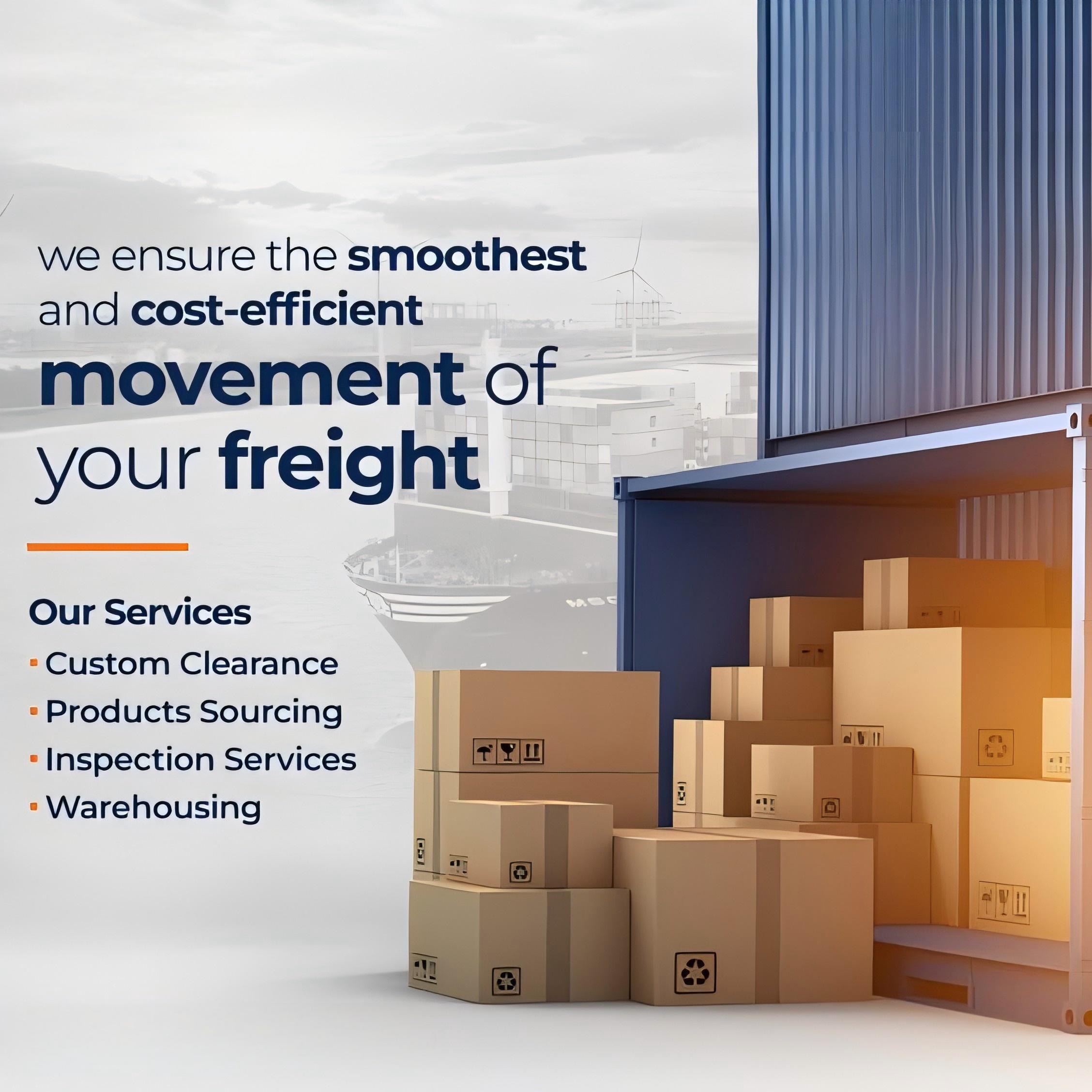
Managing the Transit of FCL shipping for hardware tools from China to Texas
The primary ports for Texas imports are Houston and Freeport, which provide direct access to the state’s vast distribution networks. Most shipments from China travel through the Panama Canal or are offloaded in California and moved by rail.
Transit times typically range from 30 to 40 days for direct sea routes to Houston. However, if you choose an intermodal route via Los Angeles, the time may decrease to 25 days, although costs might increase.
Indeed, the choice of port significantly impacts the final delivery schedule. Houston is the most popular choice for businesses in East and Central Texas due to its proximity to major industrial hubs.
Meanwhile, shipments destined for West Texas might benefit from discharge at the Port of Long Beach followed by rail transport. This hybrid approach can sometimes bypass congestion at the Panama Canal.
Essential Customs Documentation for Texas Hardware Imports
Navigating the legal requirements is a critical step in the import process. You must ensure that all hardware tools comply with US safety standards and are correctly classified under the Harmonized Tariff Schedule (HTS).
Utilizing a professional customs brokerage service can prevent costly delays and fines. They will help you manage the Commercial Invoice, Packing List, and Bill of Lading required by US Customs and Border Protection.
Additionally, you must file an Importer Security Filing (ISF) at least 24 hours before the cargo leaves China. Failure to do so can result in significant penalties and mandatory inspections upon arrival in Texas.
Moreover, certain power tools may require additional certifications from agencies like the FCC or UL. Always verify these requirements with your supplier before the container is sealed.
| Document | Purpose | Required By | Timing |
|---|---|---|---|
| Bill of Lading | Title to goods | Carrier/Customs | At departure |
| ISF (10+2) | Security screening | US Customs | 24h before loading |
| Commercial Invoice | Valuation/Duty | US Customs | At entry |
| Packing List | Cargo verification | Warehouse/Customs | At entry |
Which Option Should You Choose? Decision Framework
Deciding on the right logistics strategy depends on your specific business priorities. If budget is your primary concern, FCL sea freight to Houston is almost always the most economical choice for large orders.
On the other hand, if you are facing a stockout during the busy Texas construction season, a hybrid sea-air solution might be necessary. This allows you to get a portion of your inventory quickly while the rest follows by sea.
Volume thresholds are also important; once your shipment exceeds 15 cubic meters, switching from LCL to a 20GP container usually saves money. Consequently, planning your orders to fill a container is a smart financial move.

Finally, consider the nature of the tools. For heavy, cast-iron machinery, the structural integrity of a dedicated FCL container is non-negotiable to prevent shifting and damage during transit.
Real-World Case Studies for Texas Hardware Shipments
Case Study 1: Hand Tool Distribution in Houston. Origin: Ningbo, China. Destination: Houston, Texas. Cargo: 2,500 sets of professional wrenches and hammers. Container: 20GP. Shipping Method: Direct Sea Freight via Panama Canal. Total Landed Cost: $4,200 (Freight) + $1,200 (Local Charges). Total Door-to-Door: 38 days. Key Insight: Early booking saved the client 15% on peak season surcharges.
Case Study 2: Power Tool Supply for Dallas Retailers. Origin: Shenzhen, China. Destination: Dallas, Texas (via Houston). Cargo: 1,200 Lithium-ion Cordless Drills. Container: 40HQ. Shipping Method: Sea Freight + Trucking. Total Landed Cost: $5,800 (Freight) + $1,800 (Duties/Clearance). Total Door-to-Door: 42 days. Key Insight: Using a 40HQ allowed for extra protective packaging which resulted in zero damage despite the fragile nature of the batteries.
Packaging and Cargo Safety for Heavy Hardware Tools
Proper packaging is the first line of defense against damage during the long journey across the Pacific. Hardware tools are heavy and can easily break through standard cardboard boxes if not reinforced properly.
Therefore, we recommend using double-walled corrugated boxes and heavy-duty pallets. Furthermore, ensuring that the weight is evenly distributed within the container prevents it from leaning, which is a major safety concern for carriers.
If you are selling through online platforms, you might consider Amazon FBA prep services in China. This ensures your tools are packaged according to strict warehouse standards before they even reach Texas.
In addition, using moisture-absorbing silica gel packs is wise for metal tools. This prevents rust and corrosion during the humid transit through tropical shipping lanes and the Gulf of Mexico.
Navigating Texas Port Logistics and Last-Mile Delivery
Once your container arrives at the Port of Houston, the process of drayage and last-mile delivery begins. This involves moving the container from the terminal to a warehouse or distribution center.
Choosing a door to door service simplifies this stage significantly. The freight forwarder manages the pickup, customs release, and final trucking, providing a single point of contact for the entire journey.
Texas has a robust infrastructure, but congestion at the terminals can sometimes lead to demurrage fees. Consequently, having a pre-arranged trucking partner is essential to pull the container as soon as it is cleared.
Moreover, many businesses use bonded warehouses in the Houston area to defer duty payments. This strategy can improve cash flow, especially when dealing with large volumes of expensive hardware equipment.
Final Thoughts on Importing Hardware to Texas
Successfully managing FCL shipping for hardware tools from China to Texas is a matter of careful planning and choosing the right partners. By understanding the costs, transit times, and documentation requirements, you can build a resilient supply chain.
Whether you are importing hand tools to Houston or power equipment to Dallas, the benefits of FCL shipping remain clear. It offers the security, efficiency, and cost-effectiveness that modern businesses demand.
To summarize, always prioritize proper packaging and early booking to stay ahead of market fluctuations. With the right strategy, your hardware business can thrive in the booming Texas market.

Ready to streamline your logistics?
Ready to streamline your FCL shipping for hardware tools from China to Texas? Contact Top China Freight today for a customized quote and expert logistics support. Send Inquiry to our team to get started on your next successful shipment.
Request Quote