
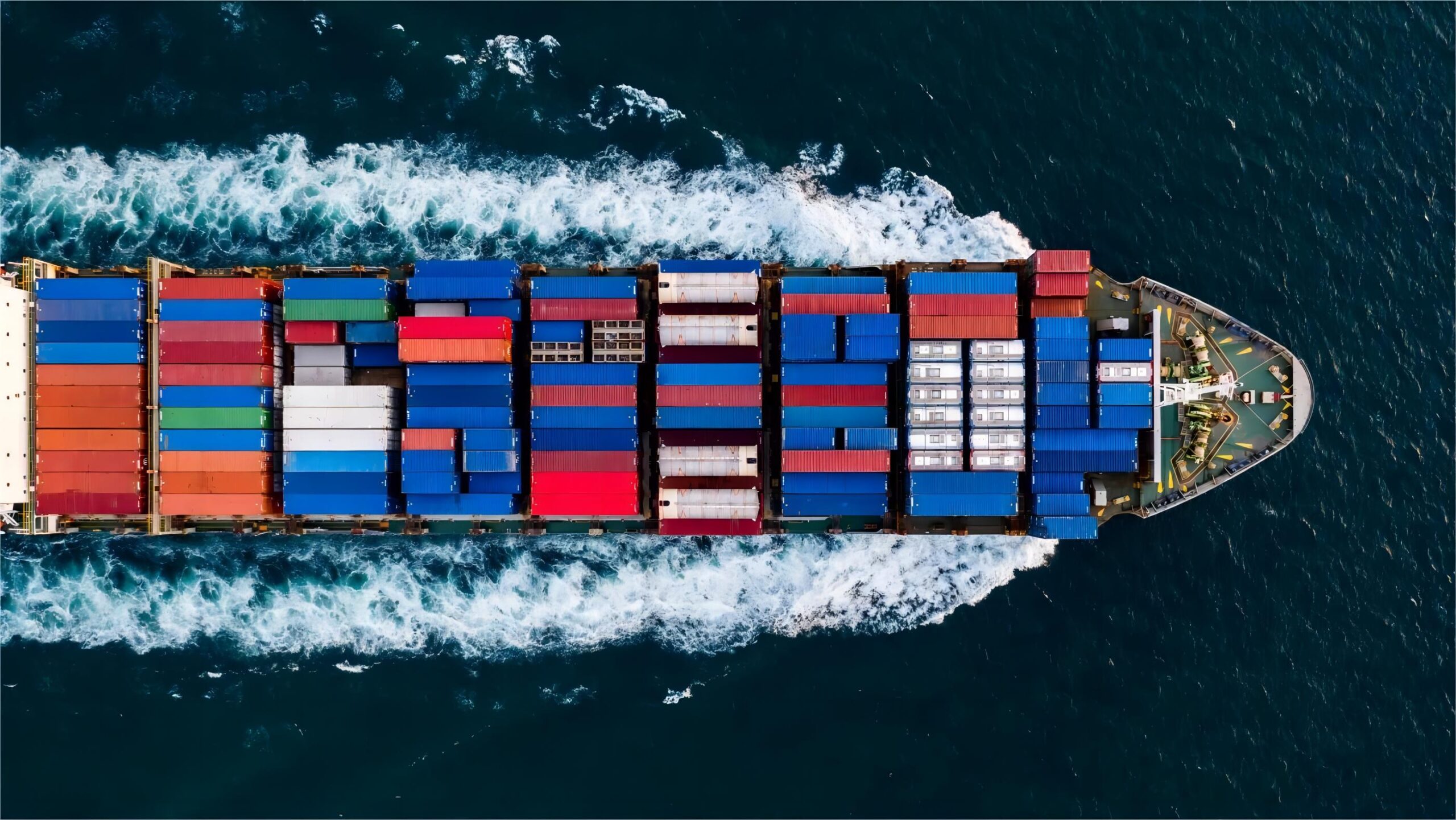
Booking Process for FCL Shipping from China to Long Beach: 2025 Guide
Navigating the booking process for FCL shipping from China to Long Beach requires a strategic approach to ensure cost-efficiency and timely delivery. Shippers must understand the intricacies of ocean freight logistics to manage their international supply chains effectively. By partnering with a professional logistics provider like Top China Freight, you can streamline every step from the initial quote to final delivery at the Port of Long Beach. This comprehensive guide provides the essential knowledge needed to master the FCL shipping journey and secure the best market rates.
Understanding the Booking Process for FCL Shipping from China to Long Beach
Full Container Load (FCL) shipping represents the most efficient method for transporting large volumes of goods across the Pacific. Specifically, this method allows importers to utilize the entire space of a 20ft or 40ft container, ensuring that cargo remains undisturbed during transit. Consequently, the booking process for FCL shipping from China to Long Beach serves as the foundation for a successful import operation.
Importers generally prefer FCL when their cargo volume exceeds 15 cubic meters because it offers better security and faster transit compared to LCL. Furthermore, dedicated containers reduce the risk of damage since the goods are not mixed with other shippers’ products. Selecting sea freight for these shipments provides a balance between cost-effectiveness and massive capacity.
How to Initiate Your FCL Booking Request
Initiating a booking begins with gathering detailed cargo specifications, including weight, dimensions, and commodity type. Moreover, you must determine the required container size, typically choosing between a 20GP, 40GP, or 40HQ based on your total volume. Once these details are ready, you should request a formal quote from your freight forwarder to lock in the current ocean freight rates.
Freight rates fluctuate based on seasonal demand, fuel surcharges, and carrier capacity. Therefore, securing a booking at least two to three weeks in advance is highly recommended to guarantee space on the vessel. After you accept the quote, the forwarder will issue a booking note, which serves as the official confirmation of your cargo space.
How Does FCL Compare to Other Shipping Options?
Evaluating different transportation modes is crucial for optimizing your logistics budget and meeting delivery deadlines. While FCL is the standard for high-volume trade, alternative methods like air freight or LCL might be suitable for smaller or more urgent shipments. In addition, hybrid solutions can sometimes offer a middle ground for specific supply chain needs.
Specifically, air freight provides unmatched speed but comes at a significantly higher cost per kilogram. In contrast, LCL shipping allows you to pay only for the space you use, though it involves longer handling times due to consolidation. The following table provides a clear comparison of the primary shipping methods available for the China to USA route.
| Shipping Method | Cost Range | Transit Time | Best For |
|---|---|---|---|
| FCL (20GP/40HQ) | $1,500 – $3,800 | 14-18 Days | Bulk goods and large volumes |
| LCL (Per CBM) | $50 – $150 | 20-25 Days | Shipments under 15 CBM |
| Air Freight (Per KG) | $4.50 – $8.00 | 3-7 Days | Urgent or high-value cargo |
| Express Service | $6.00 – $12.00 | 2-5 Days | Samples and small parcels |
Essential Documentation for the Booking Process
Accurate documentation is the most critical factor in avoiding delays during the booking process for FCL shipping from China to Long Beach. Indeed, missing or incorrect paperwork can lead to expensive storage fees and intensive customs inspections at the destination port. Shippers must prepare the Bill of Lading, Commercial Invoice, and Packing List with extreme precision.
Furthermore, the Importer Security Filing (ISF) must be submitted to US Customs at least 24 hours before the vessel departs from China. Failure to comply with ISF requirements often results in significant fines and cargo holds upon arrival. Utilizing a professional customs brokerage service ensures that all legal requirements are met and that your cargo clears the Port of Long Beach without unnecessary hurdles.
Key Steps in the FCL Shipping Journey
Managing the end-to-end logistics involves several distinct phases, starting with container pickup at the Chinese port or factory. Subsequently, the loaded container moves to the terminal for export customs clearance and vessel loading. During the sea transit phase, you can track your container’s progress across the Pacific Ocean using the carrier’s tracking system.
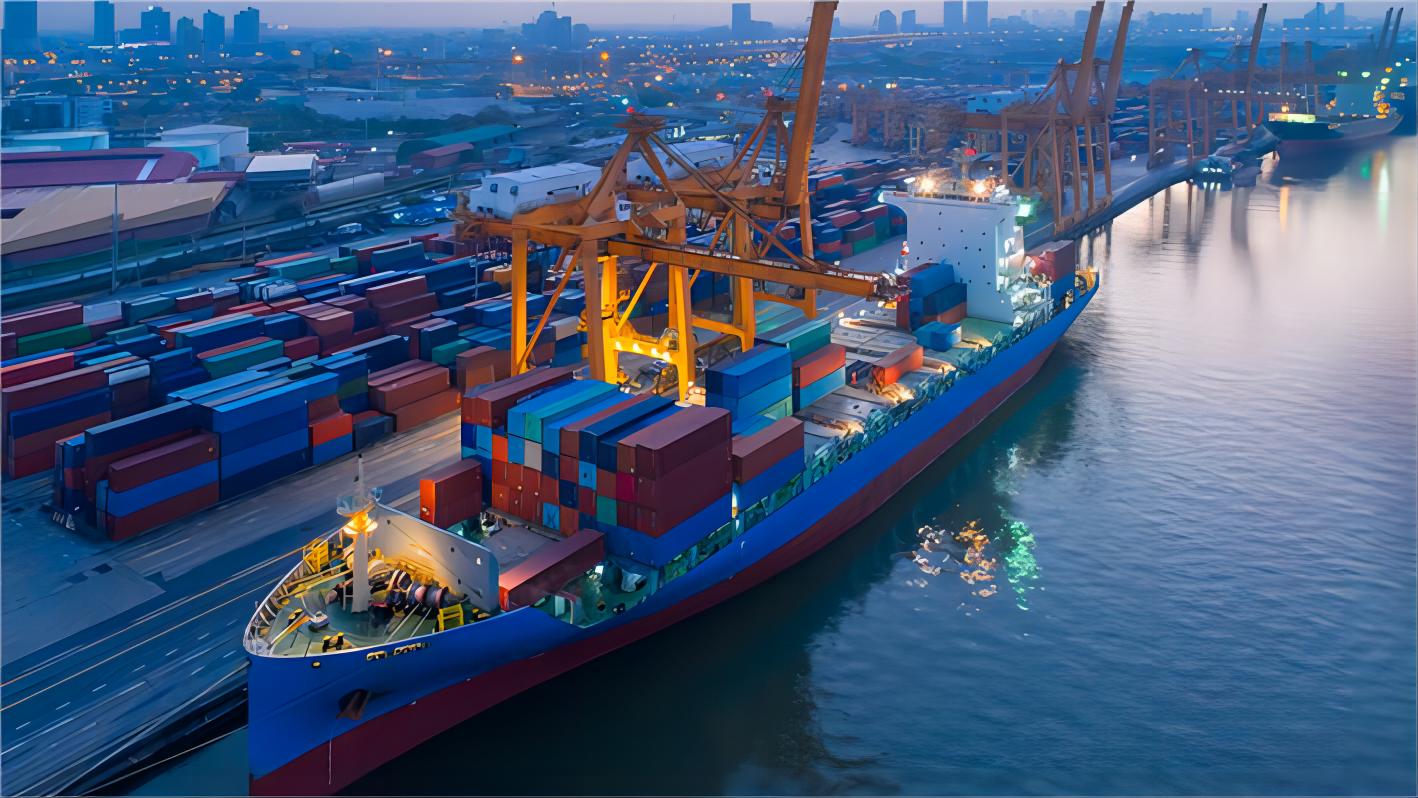
Upon arrival at the Port of Long Beach, the container undergoes discharge and final customs processing. Many businesses opt for a door to door service to simplify this phase, as it covers everything from the factory floor to the final warehouse. This comprehensive approach minimizes the number of touchpoints and reduces the risk of communication errors between different logistics providers.
Which Option Should You Choose for Your Shipment?
Choosing the right shipping strategy depends largely on your budget, timeline, and the nature of your products. For instance, if you are shipping seasonal inventory for Amazon FBA, you might prioritize speed to avoid stockouts. Conversely, for non-urgent bulk raw materials, the lowest possible freight rate becomes the primary decision factor.
Budget priority dictates that you should always aim for FCL 40HQ containers to maximize the volume-to-cost ratio. Speed priority might require you to choose direct carriers like Matson, which offer faster transit times to Long Beach. Meanwhile, cargo type considerations, such as hazardous materials or perishable goods, will require specialized containers and additional handling protocols.
Realistic Case Studies for China to Long Beach Routes
Reviewing real-world examples helps importers understand the actual costs and timelines associated with the booking process for FCL shipping from China to Long Beach. These cases reflect market conditions as of early 2025 and demonstrate how different variables impact the final landed cost. Specifically, these scenarios highlight the importance of planning for origin charges and destination drayage.
Case Study 1: Electronics from Shenzhen Route: Shenzhen to Long Beach Cargo: Consumer Electronics, 65 CBM Container: 40HQ Shipping Details: Major carrier, direct route Cost Breakdown: – Ocean Freight: $3,200 – Origin Charges: $450 – Destination Charges: $600 – Customs and Duties: $1,200 – Total Landed Cost: $5,450 Timeline: – Booking to Loading: 4 days – Sea Transit: 14 days – Customs Clearance: 2 days – Total Door-to-Door: 20 days Key Insight: Using a direct carrier saved 4 days in transit, which was critical for a product launch.
Case Study 2: Home Furniture from Ningbo Route: Ningbo to Long Beach Cargo: Wooden Furniture, 28 CBM Container: 20GP Shipping Details: Transshipment via Busan Cost Breakdown: – Ocean Freight: $1,850 – Origin Charges: $380 – Destination Charges: $550 – Customs and Duties: $900 – Total Landed Cost: $3,680 Timeline: – Booking to Loading: 6 days – Sea Transit: 19 days – Customs Clearance: 3 days – Total Door-to-Door: 28 days Key Insight: Selecting a transshipment route reduced ocean freight costs by 15% compared to direct services.
Cost Factors and Market Trends for 2025
Analyzing market trends is essential for predicting future shipping expenses and adjusting your procurement strategy accordingly. As of early 2025, freight rates from China to the US West Coast have stabilized following the volatility seen in previous years. However, shippers must still account for peak season surcharges that typically occur between August and October.
Additionally, port efficiency at Long Beach continues to improve with new automation technologies, though occasional labor negotiations can still impact transit times. To mitigate risks, many companies are diversifying their port entries or using advanced logistics software to monitor real-time port congestion. The following table summarizes typical transit times from major Chinese ports to Long Beach.
Note: Freight rates are subject to change based on fuel costs, carrier capacity, and seasonal demand. Contact us for a current quote tailored to your specific shipment.
| Origin Port | Transit Time (Direct) | Carrier Frequency | Congestion Level |
|---|---|---|---|
| Shanghai | 14-16 Days | Daily | Moderate |
| Ningbo | 15-17 Days | 5-6 times/week | Moderate |
| Shenzhen | 12-15 Days | Daily | Low |
| Qingdao | 18-20 Days | 3-4 times/week | Low |
Mastering Your FCL Logistics Strategy
Successfully managing the booking process for FCL shipping from China to Long Beach requires a combination of early planning, accurate documentation, and reliable partnerships. By understanding the various container options and transit times, you can make informed decisions that protect your profit margins. Furthermore, staying updated on market trends and customs regulations will help you navigate the complexities of international trade with confidence.
Ultimately, the goal is to create a resilient supply chain that can adapt to changing global conditions. Whether you are shipping electronics, furniture, or apparel, following a structured booking process ensures that your business remains competitive in the US market. Trusting experienced professionals to handle your FCL logistics allows you to focus on your core business growth while your cargo moves efficiently across the ocean.
Ready to streamline your logistics?
Streamline your booking process for FCL shipping from China to Long Beach today by requesting a personalized quote. Our team at Top China Freight provides expert guidance and competitive rates to ensure your cargo arrives safely and on schedule. Visit our website to start your shipment inquiry now.
Request Quote