
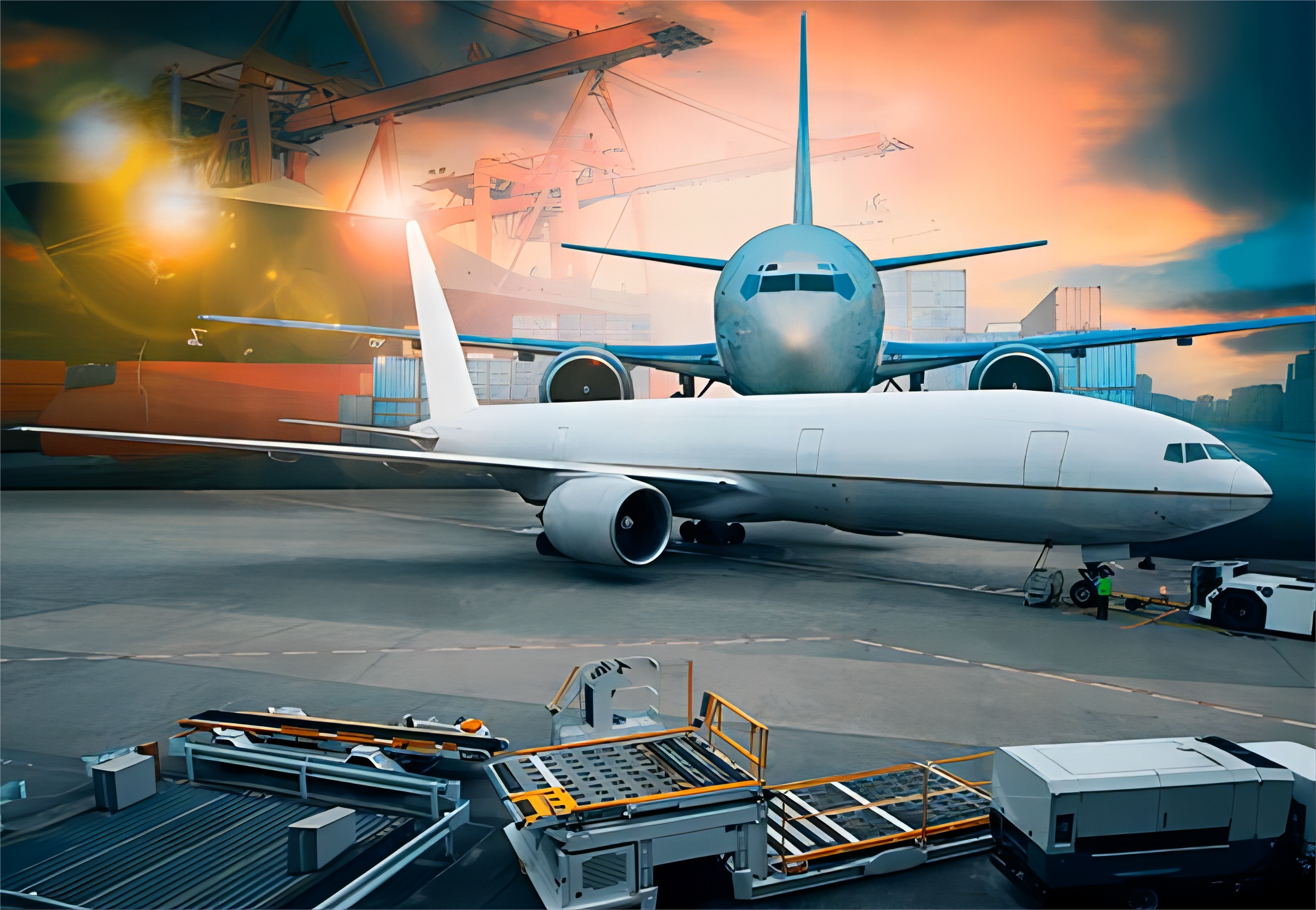
Open Top FCL booking process for solar panels from China to France
Managing the Open Top FCL booking process for solar panels from China to France requires meticulous planning and coordination to ensure safe delivery. At Top China Freight, we specialize in navigating the complexities of transporting sensitive renewable energy equipment across international borders. This guide provides a comprehensive overview of how to secure your cargo space and manage the logistics chain effectively. Consequently, you can avoid common pitfalls and optimize your import operations from major Chinese manufacturing hubs.
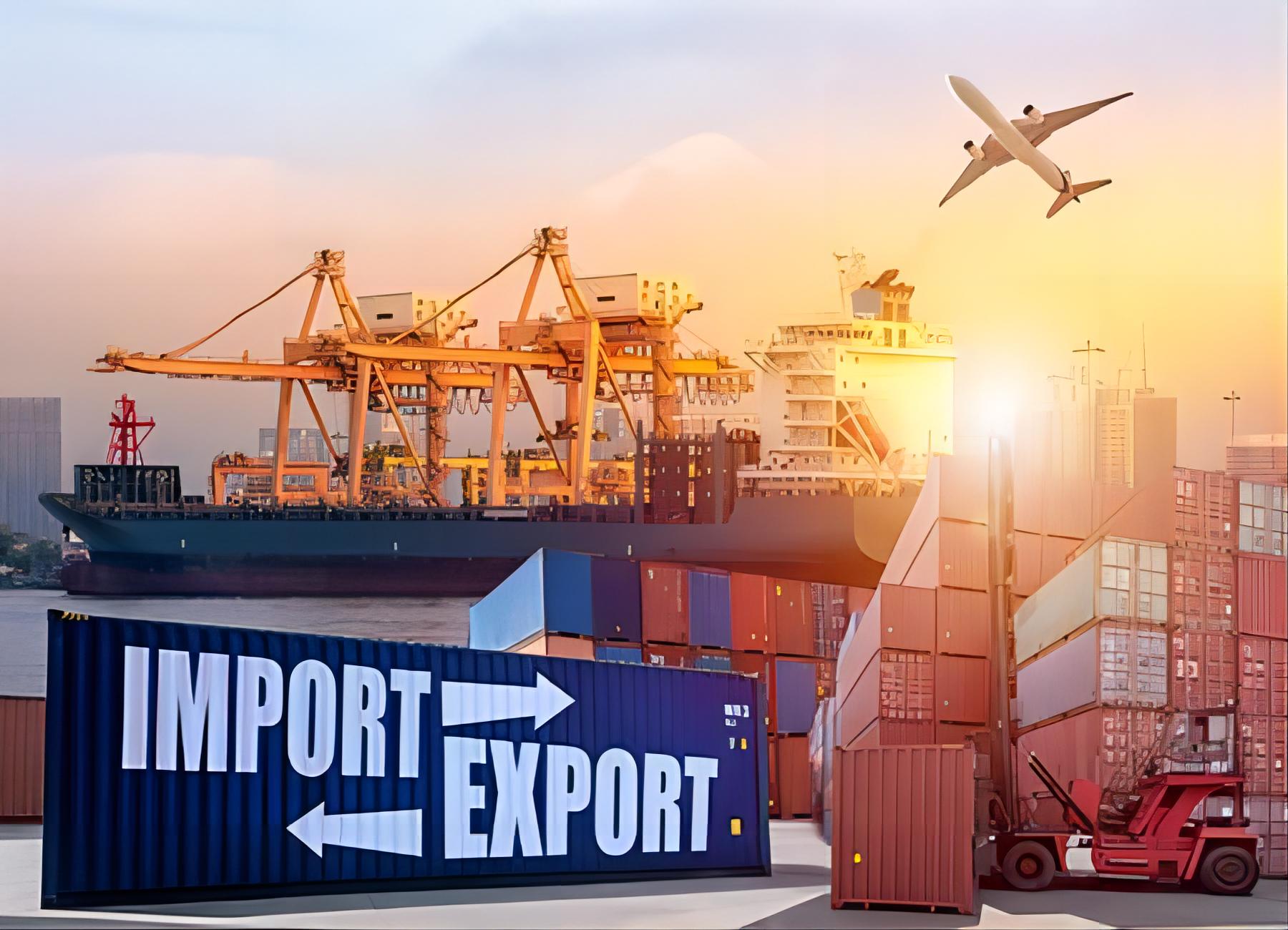
What is the Open Top FCL booking process for solar panels from China to France?
The Open Top FCL booking process for solar panels from China to France involves securing a full container that lacks a solid roof. This specialized equipment allows for top-loading of oversized or heavy solar modules that cannot fit through standard container doors. Meanwhile, the booking process starts with identifying the specific dimensions and weight of your solar racks or crates.
Furthermore, shippers must coordinate with freight forwarders to verify equipment availability at ports like Shanghai or Ningbo. Since open top containers are specialized, they often require advance notice for booking. Therefore, early planning is essential to secure a spot on the desired vessel schedule.
In addition, the process includes submitting a formal booking request to the carrier with detailed cargo descriptions. This ensures the vessel operator can allocate the correct space on the ship deck. Consequently, this prevents delays during the loading phase at the origin port.
Why Choose Open Top Containers for Solar Panels?
Solar panels are often packed in tall, heavy crates that exceed the height limits of standard dry containers. Choosing an open top container provides the necessary vertical clearance for these oversized shipments. Moreover, using sea freight with open top equipment ensures that panels are not damaged during forced loading maneuvers.
Additionally, these containers are equipped with removable tarpaulins that protect the cargo from the elements during transit. This flexibility is vital for renewable energy projects where equipment integrity is a top priority. On the other hand, standard containers might require dismantling the crates, which increases the risk of micro-cracks in the PV cells.
Indeed, the structural design of open top units allows for easy crane access during the loading and unloading stages. This efficiency reduces the time spent at the terminal and minimizes labor costs. As a result, many large-scale solar installers in France prefer this method for their primary supply chain.
Key Steps in the Booking Process
The first step involves obtaining a precise quote based on your cargo specifications and the current market rates. You should provide the exact weight, dimensions, and number of crates to your logistics partner. Following this, the forwarder will check for equipment availability and vessel space for the China to France route.
Once the quote is accepted, you must submit a Letter of Indemnity if the cargo is out-of-gauge. This document is standard for specialized equipment like open top containers. Subsequently, the carrier will issue a booking confirmation which includes the container release order.
After receiving the confirmation, your supplier in China will pick up the empty container from the designated depot. They will then load the solar panels and transport the filled container back to the port. Finally, the customs brokerage process begins to ensure all export documents are in order before the vessel departs.
Essential Documentation for Importing Solar Panels to France
Successful importation requires a complete set of documents to satisfy both Chinese export and French import requirements. The commercial invoice must clearly state the value, quantity, and technical specifications of the solar panels. Moreover, the packing list should detail the dimensions of every crate inside the open top container.
In addition, a Bill of Lading serves as the contract of carriage and the title to the goods. For shipments to Europe, you must also provide a Certificate of Origin to determine applicable duties. Consequently, having these documents ready prevents storage fees at the destination port.
Furthermore, ensure you have the CE marking documentation and technical data sheets required by EU regulations. These documents prove that the solar panels meet European safety and quality standards. Without them, customs officials in France may refuse entry or demand expensive testing upon arrival.
How Does Open Top FCL Compare to Other Shipping Options?
When evaluating the Open Top FCL booking process for solar panels from China to France, it is important to consider alternatives. While open top containers are ideal for oversized cargo, they are generally more expensive than standard 40HQ containers. However, the cost of potential damage to panels in standard units often outweighs the savings.
For smaller shipments, some importers consider LCL shipping, but this is rarely recommended for sensitive solar modules. In contrast, rail freight offers a middle ground between speed and cost for inland destinations. Nevertheless, the rail route often lacks the specialized open top equipment needed for large solar crates.
To help you decide, we have provided a comparison of the most common shipping methods used for this specific route. Each option has distinct advantages depending on your budget and timeline requirements.
| Open Top FCL | $3,500 – $5,500 | 30-40 Days | Oversized/Heavy Cargo |
| Standard 40HQ | $2,800 – $4,200 | 30-35 Days | Standard Pallets |
| Rail Freight | $6,000 – $8,500 | 18-22 Days | Urgent Inland Projects |
| Air Freight | $15,000+ | 5-8 Days | Critical Spare Parts |
Transit Times and Port Options
Shipping from China to France typically takes between 30 and 45 days depending on the specific port of call. Most shipments depart from major hubs such as Shanghai, Ningbo, or Shenzhen. Meanwhile, the primary discharge ports in France are Le Havre in the north and Marseille in the south.
Le Havre is the preferred choice for deliveries to Paris and northern industrial regions. On the other hand, Marseille is better suited for solar farms being developed in the sunny southern provinces. Consequently, choosing the right port can significantly reduce the cost of final inland transportation.
Furthermore, direct services are available but often carry a premium price tag. Transshipment via hubs like Singapore or Algeciras might add 5-7 days to the schedule but can offer cost savings. Therefore, you should balance your need for speed against your logistics budget.
| Shanghai | Le Havre | Direct | 32 Days |
| Ningbo | Marseille | Direct | 30 Days |
| Shenzhen | Le Havre | Transshipment | 38 Days |
| Qingdao | Marseille | Transshipment | 42 Days |
Shipping Costs and Pricing Factors
The cost of the Open Top FCL booking process for solar panels from China to France is influenced by several variables. Ocean freight rates fluctuate based on fuel prices, seasonal demand, and container availability. Additionally, open top containers often incur an ‘out-of-gauge’ surcharge if the cargo exceeds the container height.
Port handling charges and documentation fees also contribute to the total landed cost. In France, you must account for VAT and any applicable import duties on renewable energy products. For a more streamlined experience, many businesses opt for door to door services that include all local costs.
Note: Freight rates are subject to change based on fuel costs, carrier capacity, and seasonal demand. Contact us for a current quote tailored to your specific shipment. Based on early 2025 market data, rates have stabilized but remain higher than pre-2024 levels due to global shipping route adjustments.
Real Case Studies for Solar Shipping
Examining real-world scenarios helps illustrate the complexities of the Open Top FCL booking process for solar panels from China to France. These cases represent typical shipments handled during the 2024-2025 period. They provide insights into the costs and timelines you can expect for your own projects.
Case Study 1: A solar farm developer in Lyon required 12 containers of high-efficiency modules from Shanghai. We utilized 40ft open top containers to accommodate the extra-tall crates. The shipment arrived at Marseille in 31 days, and the total ocean freight cost was approximately $4,800 per unit.
Case Study 2: A commercial installer in Normandy imported 5 containers of PV panels from Ningbo. Due to the location, Le Havre was selected as the discharge port. By booking 4 weeks in advance, they secured a rate of $4,200 per 40ft open top container, with a total transit time of 34 days.
Decision Framework: Which Option Should You Choose?
If your cargo height exceeds 2.6 meters, the open top container is your only safe option for FCL shipping. However, if your crates are shorter, a standard 40HQ container will save you significantly on freight costs. You must weigh the risk of damage against the potential savings of using standard equipment.
For projects with strict deadlines, rail freight might be the superior choice despite the higher cost. On the other hand, if your priority is the lowest possible landed cost, sea freight remains the industry standard. Always consult with your logistics partner to determine the most efficient route for your specific volume.
Finally, consider the final destination in France. If your site is far from a major port, the cost of trucking an open top container can be high. In such cases, coordinating with a local rail terminal might offer a more balanced solution for your supply chain.
Final Thoughts on Solar Logistics
Mastering the Open Top FCL booking process for solar panels from China to France is a critical component of a successful renewable energy strategy. By understanding the equipment requirements, documentation needs, and port options, you can ensure your project stays on schedule. Moreover, choosing the right partners will help you navigate the complexities of international trade with confidence.
Furthermore, as the demand for solar energy continues to grow in Europe, staying informed about shipping trends is essential. Whether you are shipping to Le Havre or Marseille, the right preparation makes all the difference. We encourage you to use this guide as a roadmap for your future shipping operations and to reach out for professional support when needed.

Ready to streamline your logistics?
Streamline your Open Top FCL booking process for solar panels from China to France today. Our expert team is ready to provide you with a customized quote and handle all the logistics details for your next renewable energy project. Visit Top China Freight to request your free freight consultation now.
Request Quote