

40HQ FCL Best Route for Solar Panels from China to Germany
Identifying the 40HQ FCL best route for solar panels from China to Germany is essential for maintaining a competitive edge in the renewable energy market. Importers frequently face challenges with fluctuating freight rates and complex customs regulations that can delay project timelines. By partnering with a reliable logistics expert like Top China Freight, you can streamline your supply chain and ensure your photovoltaic modules arrive safely and on schedule.
Why 40HQ FCL is the Industry Standard for Solar Panels
Shipping solar panels requires maximum volume efficiency because the modules are relatively light but bulky. The 40HQ (High Cube) container offers an extra foot of vertical space compared to standard containers, allowing for optimized stacking of pallets. Consequently, this container type has become the preferred choice for large-scale renewable energy projects across Europe.
Full Container Load (FCL) shipping provides a dedicated space for your cargo, which significantly reduces the risk of damage during transit. Since solar panels are fragile glass-based products, minimizing handling is a top priority for most manufacturers. Furthermore, FCL shipments generally enjoy faster transit times because they do not require the consolidation and deconsolidation processes associated with LCL.
Cost efficiency is another major factor driving the use of 40HQ containers for solar equipment. When you fill a high-cube container to its capacity, the shipping cost per kilowatt of solar power decreases substantially. This economy of scale is vital for meeting the tight budgets of commercial solar installations in Germany.
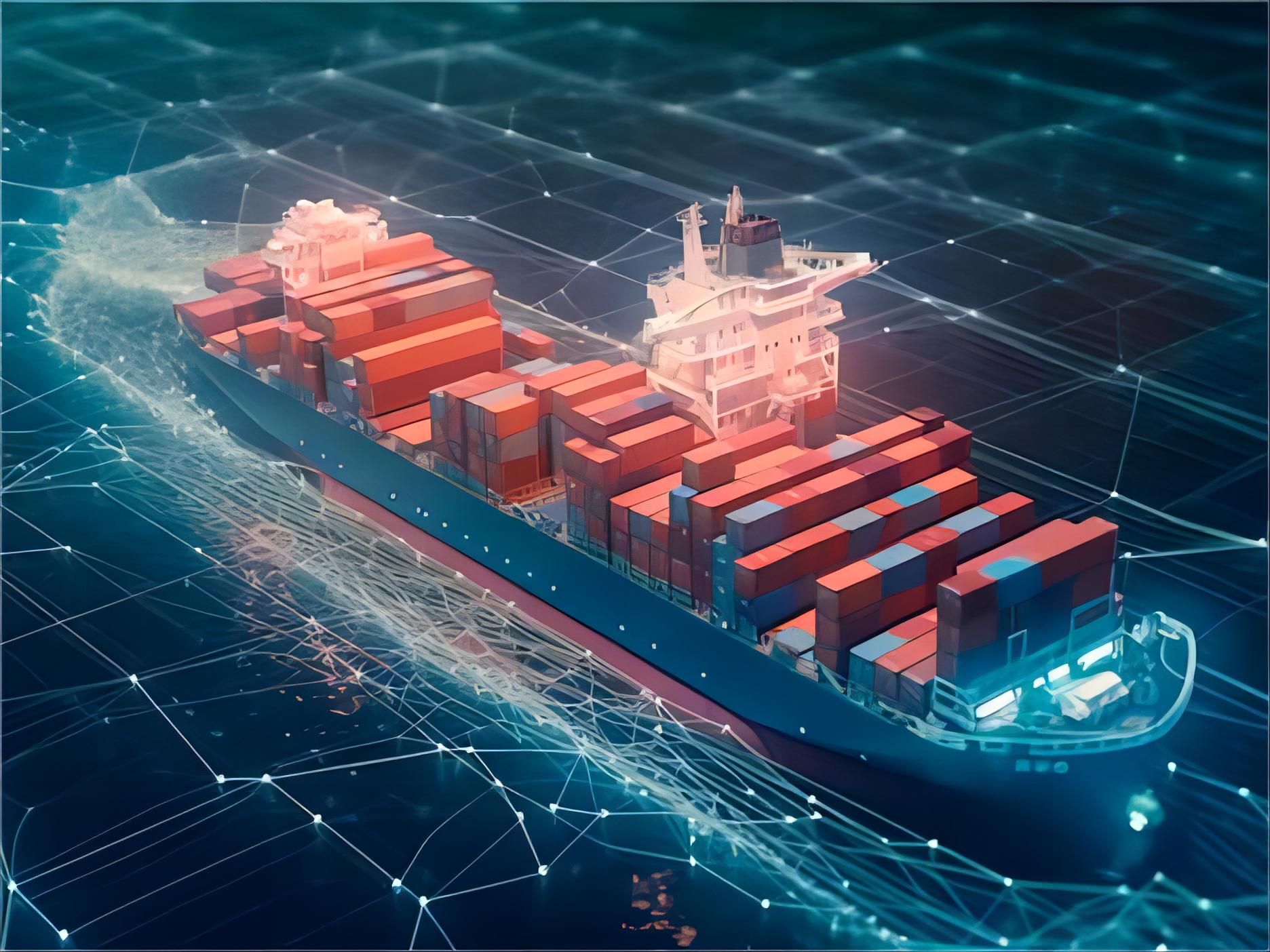
Identifying the 40HQ FCL Best Route for Solar Panels from China to Germany
The 40HQ FCL best route for solar panels from China to Germany typically involves departing from major eastern ports such as Ningbo or Shanghai. These ports offer the highest frequency of sailings and the most competitive rates due to the sheer volume of traffic. From these hubs, vessels usually travel through the South China Sea and the Suez Canal before reaching Northern European ports.
Transitioning through the Suez Canal remains the most direct maritime path, despite occasional geopolitical volatility. Most tier-1 solar manufacturers prefer this route because it balances cost and speed effectively. Moreover, the infrastructure at both ends of this route is specifically designed to handle massive container volumes with high efficiency.
Alternative routes around the Cape of Good Hope have seen increased usage during periods of canal disruption. While this path adds approximately 10 to 14 days to the transit time, it provides a necessary backup for supply chain resilience. Nevertheless, the traditional Suez route remains the primary choice for most logistics planners in 2025.
How Does Sea Freight Compare to Other Shipping Options?
Choosing between sea freight and other methods depends largely on your project timeline and budget constraints. Ocean transport offers the lowest cost per unit, making it ideal for bulk orders of solar modules. However, the longer transit time requires careful planning to avoid site delays.
In contrast, rail freight via the New Silk Road has emerged as a powerful middle-ground solution. It is significantly faster than the sea but more expensive, making it suitable for urgent project phases. For the most critical shipments, air freight is available, though its high cost usually limits its use to small replacement parts or emergency components.
As of Q1 2025, market data suggests that sea freight rates have stabilized, while rail options continue to expand their capacity. Importers should evaluate the total landed cost and the impact of lead times on their capital turnover before making a final decision.
| Shipping Method | Cost Range (40HQ) | Transit Time | Best For |
|---|---|---|---|
| Sea Freight | $3,200 – $4,500 | 30 – 40 Days | Bulk orders, low cost |
| Rail Freight | $6,000 – $8,500 | 18 – 24 Days | Medium urgency, inland |
| Sea-Air Hybrid | $10,000 – $15,000 | 12 – 18 Days | High priority projects |
| Air Freight | $25,000+ | 5 – 8 Days | Emergency replacements |
Port Selection: Choosing the Best Gateway to Europe
Selecting the right port of discharge in Germany can significantly impact your final delivery costs. The Port of Hamburg is the traditional gateway, offering extensive rail connections to the rest of the country. Alternatively, the Port of Wilhelmshaven provides deep-water access that can accommodate the world’s largest container ships without tide restrictions.
Shipping to Europe often involves transshipment hubs like Rotterdam or Antwerp. These ports frequently serve as the first point of entry before cargo is moved by feeder vessel or barge to German river ports. Consequently, choosing a route that stops at these major hubs can sometimes offer more flexible scheduling options.
Inland transport from the port to the final installation site is the final piece of the logistics puzzle. Germany’s robust infrastructure allows for efficient trucking and rail transport from any major northern port. Indeed, coordinating the port of entry with the final destination in Southern or Northern Germany can save hundreds of euros in drayage fees.

Navigating Customs Brokerage and Compliance for Solar Imports
Effective customs brokerage is vital when importing solar panels into the European Union. Germany has strict documentation requirements, including certificates of origin and detailed technical specifications. Failure to provide accurate paperwork can result in costly delays and storage fees at the port.
Importers must also stay informed about anti-dumping duties and environmental regulations like the WEEE directive. These rules are designed to ensure fair competition and responsible recycling of electronic waste. Furthermore, ensuring that your panels meet all CE marking requirements is essential for legal sale and installation within the EU.
Working with a specialized broker can help you navigate the complexities of the Integrated Tariff of the European Communities (TARIC). They can identify the correct HS codes for your specific photovoltaic products, ensuring you pay the correct amount of duty. Ultimately, proactive compliance management is the best way to avoid unforeseen expenses during the import process.
| Document Name | Purpose | Required By | Notes |
|---|---|---|---|
| Commercial Invoice | Valuation of goods | Customs Authority | Must match packing list |
| Packing List | Detail of contents | Port Handling | Includes weight/dimensions |
| Bill of Lading | Title to the goods | Carrier/Customs | Original or Telex release |
| CE Certificate | Safety compliance | EU Regulators | Mandatory for electronics |
Real-World Case Study: Shipping Solar Modules to Hamburg
Case Study 1: Large Scale Solar Farm Supply Route: Ningbo, China to Hamburg, Germany Cargo: Tier 1 Solar Modules, 24,000 kg Container: 40HQ FCL Shipping Details: – Carrier: COSCO Shipping – Port of Loading: Ningbo-Zhoushan – Port of Discharge: Hamburg (CTA) – Route Type: Direct via Suez Canal Cost Breakdown: – Ocean Freight: $3,850 – Origin Charges: $420 – Destination Charges: $550 – Customs and Duties: $1,200 (Estimated) – Total Landed Cost: $6,020 Timeline: – Booking to Loading: 5 days – Sea Transit: 34 days – Customs Clearance: 2 days – Total Door-to-Door: 41 days Key Insight: By booking four weeks in advance, the client secured a fixed rate during a period of minor market volatility, ensuring the 40HQ FCL best route for solar panels from China to Germany remained within budget.
Note: Freight rates are subject to change based on fuel costs, carrier capacity, and seasonal demand. Contact us for a current quote tailored to your specific shipment.
Real-World Case Study: Rail Logistics to Duisburg
Case Study 2: Urgent Commercial Installation Route: Xi’an, China to Duisburg, Germany Cargo: Photovoltaic Inverters and Panels, 18,500 kg Container: 40HQ FCL Shipping Details: – Service: China-Europe Railway Express – Terminal of Loading: Xi’an International Port – Terminal of Discharge: Duisburg Intermodal Terminal – Route Type: Trans-Kazakhstan Route Cost Breakdown: – Rail Freight: $7,200 – Handling Fees: $380 – Documentation: $150 – Total Landed Cost: $7,730 Timeline: – Loading to Departure: 3 days – Rail Transit: 20 days – Customs Clearance: 1 day – Total Door-to-Door: 24 days Key Insight: Rail freight provided a 17-day time saving over sea freight, which was critical for the client to meet a government subsidy deadline for their solar project.
Note: Freight rates are subject to change based on fuel costs, carrier capacity, and seasonal demand. Contact us for a current quote tailored to your specific shipment.
Cost-Saving Strategies for Photovoltaic Logistics
Reducing your shipping expenses requires a combination of smart planning and volume optimization. One effective strategy is to consolidate orders from multiple suppliers into a single 40HQ container. This approach maximizes the use of space and reduces the per-unit cost of international transport.
Monitoring seasonal trends is another essential tactic for cost-conscious importers. Freight rates typically spike before the Chinese New Year and during the late summer peak season. By scheduling your shipments during the shoulder seasons, you can often find significantly lower rates for the same routes.
Negotiating long-term contracts with freight forwarders can also provide price stability. While spot rates can be lower at times, a fixed-rate agreement protects you from sudden market surges. Additionally, investing in high-quality packaging can prevent damage claims, which saves money and prevents project delays in the long run.
Which Option Should You Choose? Decision Framework
Choosing the right logistics path involves weighing several competing factors. If your primary goal is to minimize expenditure and you have a flexible timeline, sea freight is undoubtedly the best option. Most large-scale solar developments utilize this method to keep their capital expenditure as low as possible.
On the other hand, if your project is facing strict deadlines or if the cost of delay exceeds the extra freight expense, rail freight is the superior choice. It offers a reliable schedule that is less affected by port congestion or weather conditions compared to ocean travel.
Our door to door service options can simplify either choice by managing every step of the journey. This comprehensive approach allows you to focus on your core business while we handle the complexities of international transport and local delivery in Germany.
Future Logistics Trends: Shipping Solar Panels in 2025
The logistics industry is currently undergoing a digital transformation that benefits solar importers. Real-time tracking and AI-driven route optimization are becoming standard features for top-tier freight forwarders. These tools allow for better visibility and more accurate arrival predictions for your 40HQ containers.
Sustainability is also becoming a key consideration in the supply chain. Many carriers are now offering carbon-neutral shipping options by using biofuels or investing in carbon offset programs. For companies in the renewable energy sector, choosing green logistics aligns perfectly with their corporate mission.
Finally, the expansion of port automation in both China and Germany is expected to reduce turnaround times. As ports like Shanghai and Hamburg continue to upgrade their facilities, the efficiency of the 40HQ FCL best route for solar panels from China to Germany will only improve. Staying ahead of these trends will help you maintain a resilient and efficient supply chain.
Mastering Your Solar Logistics
Successfully navigating the 40HQ FCL best route for solar panels from China to Germany requires a deep understanding of both maritime and rail logistics. By selecting the right port, optimizing container space, and ensuring strict customs compliance, you can significantly reduce your landed costs.
Whether you prioritize the cost-effectiveness of sea freight or the speed of rail, planning ahead is the key to success. Partnering with an experienced freight forwarder ensures that your renewable energy products reach their destination safely, helping Germany continue its transition toward a greener future.
Ready to streamline your logistics?
Ready to optimize your solar supply chain? Contact our team today to secure the 40HQ FCL best route for solar panels from China to Germany and receive a customized quote for your next shipment. Visit Top China Freight to get started.
Request Quote