
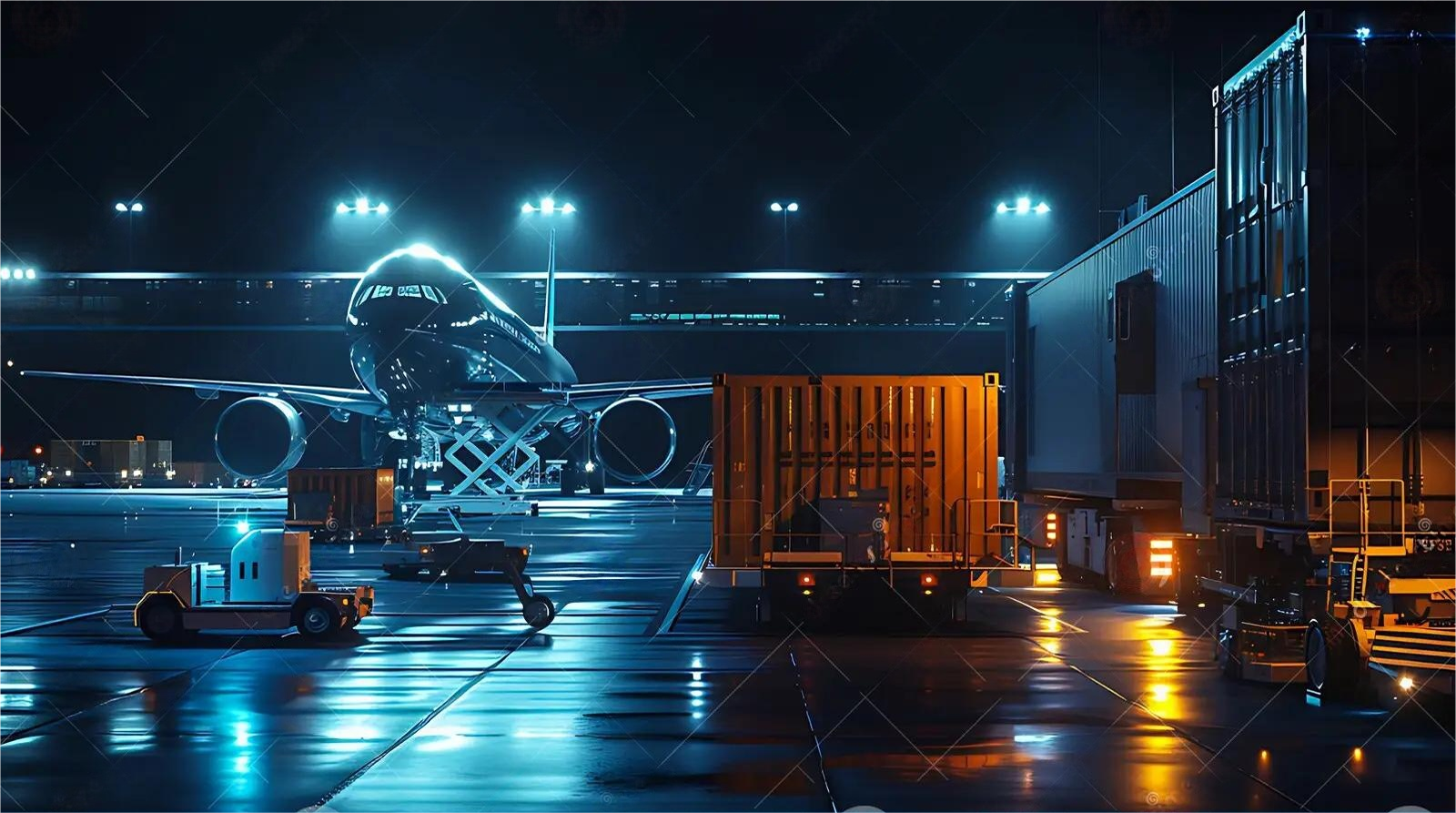
40GP FCL sailing schedule for textiles from China to France: 2025 Guide
Navigating the 40GP FCL sailing schedule for textiles from China to France is essential for maintaining an efficient garment supply chain. Businesses often face challenges with transit delays and fluctuating container rates, but choosing a reliable partner like Top China Freight ensures your shipments arrive on time. This guide provides a comprehensive overview of shipping schedules, costs, and strategic alternatives to help you optimize your textile imports.
How to Navigate the 40GP FCL Sailing Schedule for Textiles from China to France
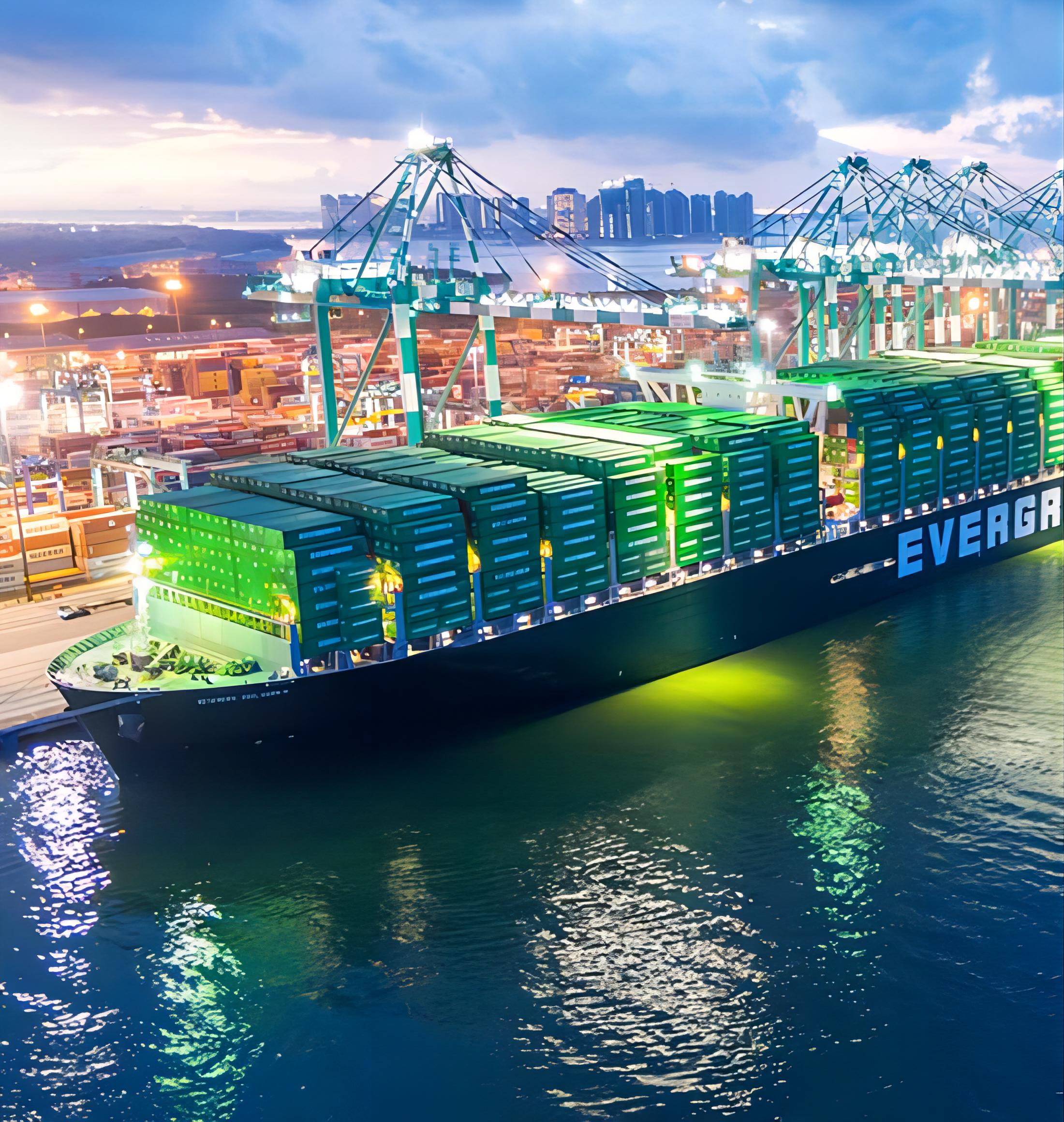
Understanding the maritime calendar is the first step toward successful logistics management for your textile business. Specifically, the 40GP FCL sailing schedule for textiles from China to France varies depending on the port of origin and the chosen carrier. Most major shipping lines offer weekly departures from hubs like Shanghai, Ningbo, and Shenzhen to French ports such as Le Havre and Marseille.
Importers must account for both the sea transit time and the buffer periods required for loading and customs. Consequently, choosing sea freight remains the most cost-effective method for high-volume textile shipments. While schedules are generally stable, seasonal demand during the fashion industry peak months can lead to port congestion and equipment shortages.
Reliable scheduling allows you to plan inventory arrivals with precision, which is critical for seasonal clothing launches. Moreover, tracking your 40GP container in real-time helps mitigate the risks of unforeseen delays in the Mediterranean or the English Channel. Therefore, you should always request a detailed schedule from your freight forwarder at least two weeks before the cargo is ready for pickup.
Key Ports and Transit Times for Textile Shipments
Sailing times from China to France typically range from 28 to 40 days depending on the specific route and port rotation. For instance, direct services from East China ports to Northern France are often faster than transshipment routes through Southeast Asian hubs. Furthermore, the choice between Le Havre in the north and Fos-sur-Mer in the south depends heavily on your final delivery destination within France.
Choosing the right departure port can significantly impact your overall lead time. Although Shanghai is the busiest port, smaller ports like Xiamen might offer more specialized services for textile manufacturers. Additionally, some businesses are increasingly looking at rail freight as a faster alternative when the sea schedule does not align with their urgent production timelines.
Transit times are also influenced by the carrier’s efficiency and the number of stops along the way. In addition, weather conditions and canal transit times, particularly through the Suez Canal, play a major role in the reliability of the 40GP FCL sailing schedule for textiles from China to France.
| Port of Loading | Port of Discharge | Average Transit Time | Service Frequency |
|---|---|---|---|
| Shanghai | Le Havre | 32-35 Days | Weekly |
| Ningbo | Fos-sur-Mer | 28-32 Days | Weekly |
| Shenzhen | Le Havre | 30-34 Days | Bi-weekly |
| Qingdao | Marseille | 35-40 Days | Weekly |
How Does 40GP FCL Compare to Other Shipping Options?
Evaluating different transport modes is vital for balancing cost and speed in your textile supply chain. While a 40GP container offers the best value for large volumes, smaller shipments might benefit from Less than Container Load (LCL) services. However, FCL provides better security and reduces the risk of damage for delicate fabrics and high-end garments.
Air freight remains the fastest option but comes at a significantly higher price point, making it suitable only for high-margin samples or emergency restocks. On the other hand, sea freight allows for the transport of thousands of units at a fraction of the cost. Consequently, most established retailers prioritize the sea route for their core collections.
Hybrid solutions like sea-air are also gaining popularity for shipments that need to arrive faster than sea but cheaper than pure air. Nevertheless, the 40GP FCL sailing schedule for textiles from China to France remains the backbone of the industry due to its massive capacity and predictable cost structure.
| Shipping Method | Cost Range (40GP) | Transit Time | Best For |
|---|---|---|---|
| Sea Freight FCL | USD 2,800 – 3,800 | 30-35 Days | Bulk Textiles |
| Rail Freight | USD 4,500 – 6,000 | 18-22 Days | Mid-range volume |
| Air Freight | USD 15,000 – 25,000 | 5-7 Days | Urgent Samples |
| Sea-Air Hybrid | USD 8,000 – 10,000 | 15-18 Days | Time-sensitive |
Textile Shipping Costs and Market Trends for 2025
Freight rates from China to Europe have stabilized in early 2025 after the volatility seen in previous years. Indeed, the average cost for a 40GP container currently sits between USD 2,800 and USD 4,200, depending on the season and carrier availability. To ensure the best rates, importers should book their space at least three to four weeks in advance of the sailing date.
Market data suggests that fuel surcharges and environmental regulations are becoming larger components of the total landed cost. Additionally, navigating the complexities of customs brokerage is essential to avoid expensive storage fees at French ports. Therefore, calculating the total door-to-door cost is more important than simply looking at the ocean freight rate.
Note: Freight rates are subject to change based on fuel costs, carrier capacity, and seasonal demand. Contact us for a current quote tailored to your specific shipment.
Case Studies: Successful Textile Logistics to France
Case Study 1: Large Scale Garment Import
Route: Ningbo, China to Le Havre, France
Cargo: Cotton T-shirts, 65 CBM, 18,000 kg
Container: 40GP FCL
Shipping Details: Carrier: CMA CGM, Port of Loading: Ningbo, Port of Discharge: Le Havre, Route Type: Direct
Cost Breakdown: Ocean Freight: USD 3,450; Origin Charges: USD 450; Destination Charges: USD 600; Customs & Duties: USD 1,200; Total Landed Cost: USD 5,700
Timeline: Booking to Loading: 5 days; Sea Transit: 32 days; Customs Clearance: 2 days; Total Door-to-Door: 39 days
Key Insight: By booking a direct service, the client avoided transshipment delays in Singapore, ensuring the spring collection arrived before the retail deadline.
Case Study 2: Fast Fashion Distribution
Route: Shenzhen, China to Marseille, France
Cargo: Synthetic fabrics, 60 CBM, 15,000 kg
Container: 40GP FCL
Shipping Details: Carrier: COSCO, Port of Loading: Yantian, Port of Discharge: Fos-sur-Mer, Route Type: Direct
Cost Breakdown: Ocean Freight: USD 3,100; Origin Charges: USD 400; Destination Charges: USD 550; Customs & Duties: USD 950; Total Landed Cost: USD 5,000
Timeline: Booking to Loading: 4 days; Sea Transit: 28 days; Customs Clearance: 3 days; Total Door-to-Door: 35 days
Key Insight: Utilizing a southern French port allowed for faster Europe distribution to retail hubs in Lyon and Montpellier, saving two days of inland trucking.
Which Option Should You Choose for Your Textiles?
Selecting the right logistics strategy depends on your specific business priorities and budget constraints. If your primary goal is cost reduction, the 40GP FCL sailing schedule for textiles from China to France via sea is your best bet. Conversely, if you are dealing with high-value fashion items that need to reach the shelves quickly, rail or air might be necessary.
Volume thresholds play a significant role in this decision-making process. For instance, if your shipment exceeds 15 CBM, FCL is almost always more economical than LCL. Moreover, utilizing door to door services can simplify the entire process by consolidating all costs into a single invoice.
Importers should also consider the environmental impact of their choices. While sea freight has a lower carbon footprint per ton-mile, newer rail options are becoming increasingly green. To summarize, your choice should balance speed, cost, and the reliability of the sailing schedule.
| Priority | Recommended Option | Key Benefit | Trade-off |
|---|---|---|---|
| Budget | Sea Freight 40GP | Lowest unit cost | Longest transit |
| Speed | Air Freight | Fastest delivery | Highest cost |
| Balance | Rail Freight | Faster than sea | Limited capacity |
| Security | 40GP FCL | Minimal handling | Requires full volume |

Optimizing Your Textile Logistics from China to France
Mastering the 40GP FCL sailing schedule for textiles from China to France is a fundamental requirement for any successful importer in the garment industry. By understanding port dynamics, comparing different shipping modes, and staying informed about market trends, you can significantly reduce your logistics costs. Furthermore, partnering with an experienced freight forwarder ensures that your supply chain remains resilient against global disruptions.
Reliable planning and proactive communication are the keys to navigating the complexities of international trade. Whether you choose the cost-efficiency of sea freight or the speed of rail, ensure that your documentation is precise and your schedules are confirmed well in advance. Ultimately, a well-managed 40GP FCL sailing schedule for textiles from China to France will give your business the competitive edge it needs in the fast-paced French market.

Ready to streamline your logistics?
Are you ready to streamline your textile imports? Contact our experts today to receive a customized quote and the most up-to-date 40GP FCL sailing schedule for textiles from China to France. Visit Top China Freight to get started on your next shipment.
Request Quote