
Reefer FCL Tracking for Auto Parts from China to Germany: 2025 Guide
Managing an international automotive supply chain requires extreme precision and reliable data. Reefer FCL tracking for auto parts from China to Germany provides the visibility needed to protect sensitive electronic components and high-value materials. By partnering with a professional logistics provider like Top China Freight, businesses can ensure their cargo remains at optimal temperatures throughout the long journey across the ocean or rail lines.

Why Reefer FCL Tracking for Auto Parts from China to Germany is Essential
Modern automotive components often include delicate sensors, battery modules, and specialized adhesives that react poorly to temperature fluctuations. Consequently, using a standard container is not always sufficient for high-specification parts moving through diverse climates. Reefer FCL tracking for auto parts from China to Germany allows manufacturers to verify that environmental conditions remain stable from the factory to the assembly line.
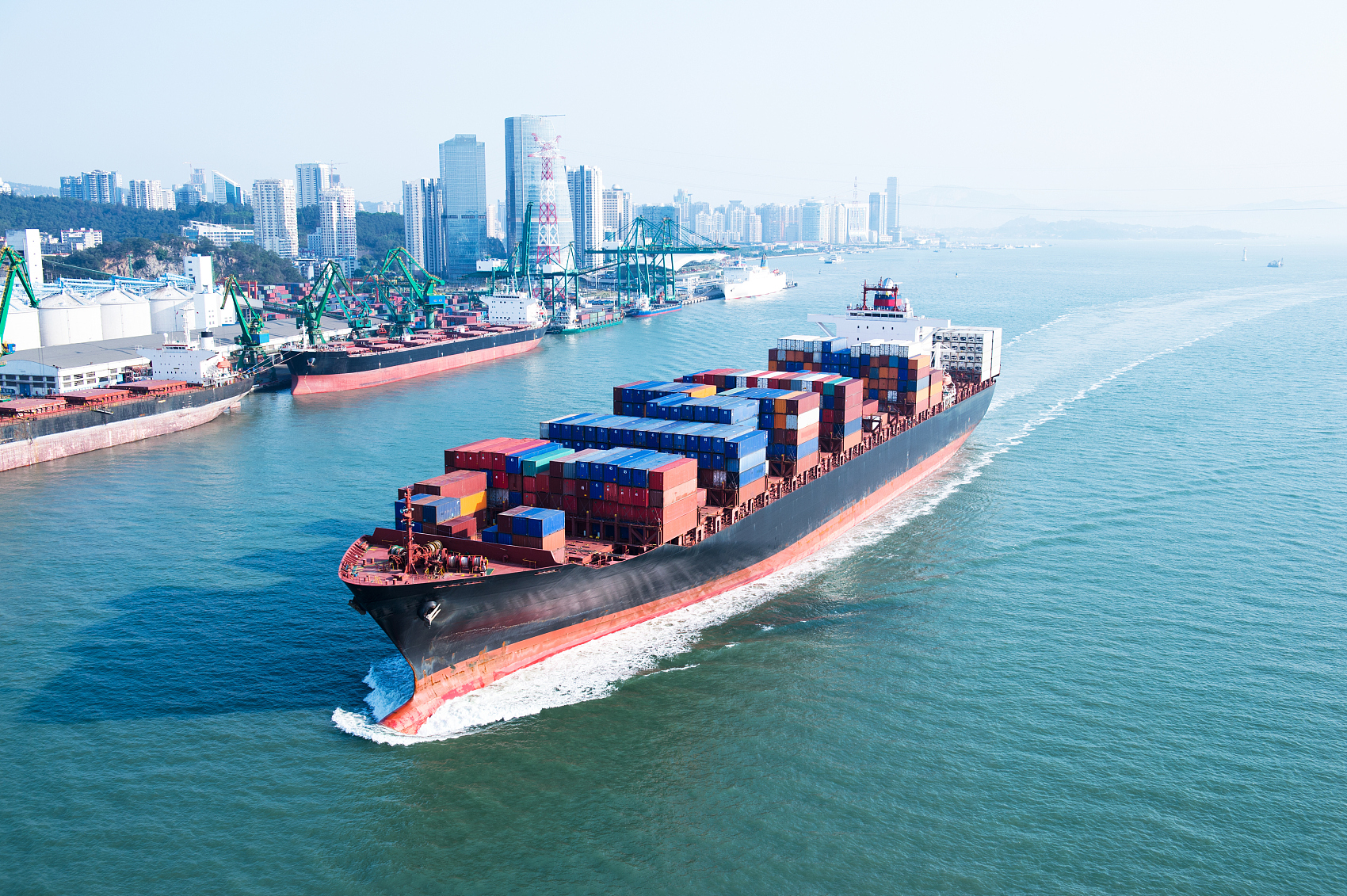
Precision in logistics prevents costly production delays and ensures that every part meets strict quality standards. Furthermore, real-time data helps logistics managers anticipate potential issues before they become critical failures. If a refrigeration unit malfunctions, immediate alerts allow for swift intervention at the nearest port of call.
Choosing sea freight with specialized reefer equipment provides a balance between cost-efficiency and cargo safety. Most carriers now offer integrated IoT sensors that transmit temperature, humidity, and location data directly to your dashboard. This level of transparency is no longer a luxury but a requirement for the modern automotive industry.
How Does Reefer FCL Compare to Other Shipping Options?
Selecting the right transport mode depends heavily on your budget, timeline, and the specific sensitivity of your automotive cargo. While sea freight is the most common choice, other methods offer different advantages for specific scenarios. Therefore, comparing these options is vital for optimizing your logistics costs and delivery schedules.
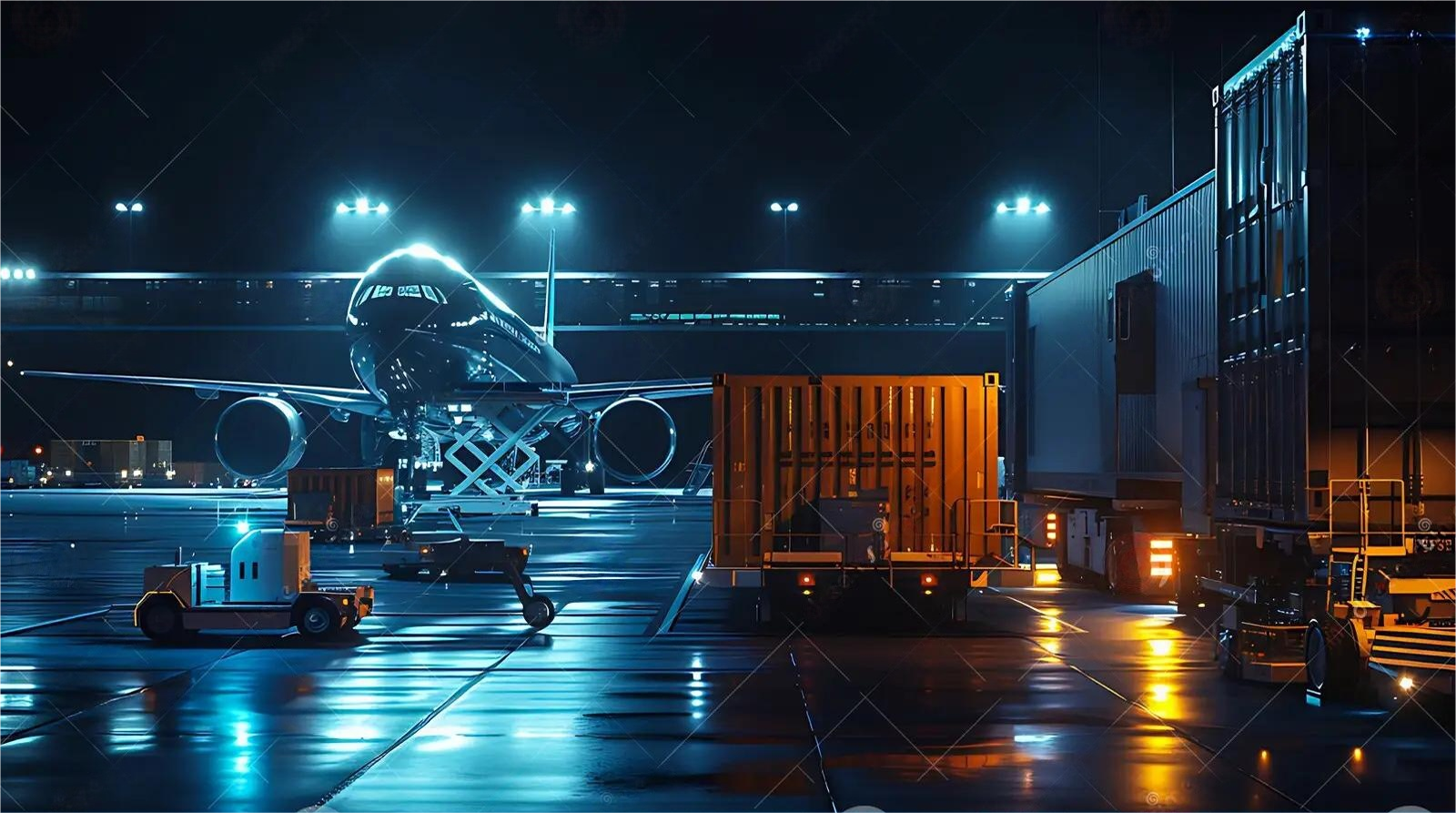
Air freight remains the fastest option for urgent prototypes or critical replacement parts needed to prevent a line stoppage. However, the costs are significantly higher than sea or rail alternatives. On the other hand, rail freight offers a middle ground, providing faster transit than sea at a lower price point than air.
The following table provides a comprehensive overview of the primary shipping methods available for this route. Use this data to determine which strategy aligns best with your current inventory requirements and financial goals.
| Shipping Method | Cost Range (USD) | Transit Time | Best For | Limitations |
|---|---|---|---|---|
| Sea FCL (Reefer) | $3,200 – $4,800 | 30-40 Days | Bulk sensitive parts | Longest transit time |
| Air Freight | $12,000 – $25,000 | 5-8 Days | Urgent components | Extremely high cost |
| Rail Freight | $5,500 – $7,500 | 18-24 Days | Mid-range speed | Infrastructure limits |
| Sea-Air Hybrid | $8,000 – $12,000 | 15-20 Days | Balanced priority | Complex handling |
What Technologies Drive Real Time Cargo Monitoring?
Advanced tracking systems utilize a combination of GPS, cellular networks, and satellite communication to provide global visibility. These devices are typically attached to the reefer unit or placed inside the container with the auto parts. Consequently, you can monitor the exact location of your shipment as it moves through the South China Sea and toward the Suez Canal.
Data loggers play a crucial role in maintaining the integrity of the automotive supply chain by recording environmental variables every few minutes. Additionally, modern cloud-based platforms allow multiple stakeholders to access this information simultaneously. This connectivity ensures that the supplier in China and the receiver in Germany are always on the same page.
Utilizing air freight tracking provides even more frequent updates, though the duration of the trip is much shorter. For long-haul sea voyages, the ability to see historical temperature graphs is essential for customs and quality audits upon arrival in Europe. Indeed, having a digital paper trail simplifies the entire compliance process.
Can Rail Freight Support Refrigerated Auto Parts?
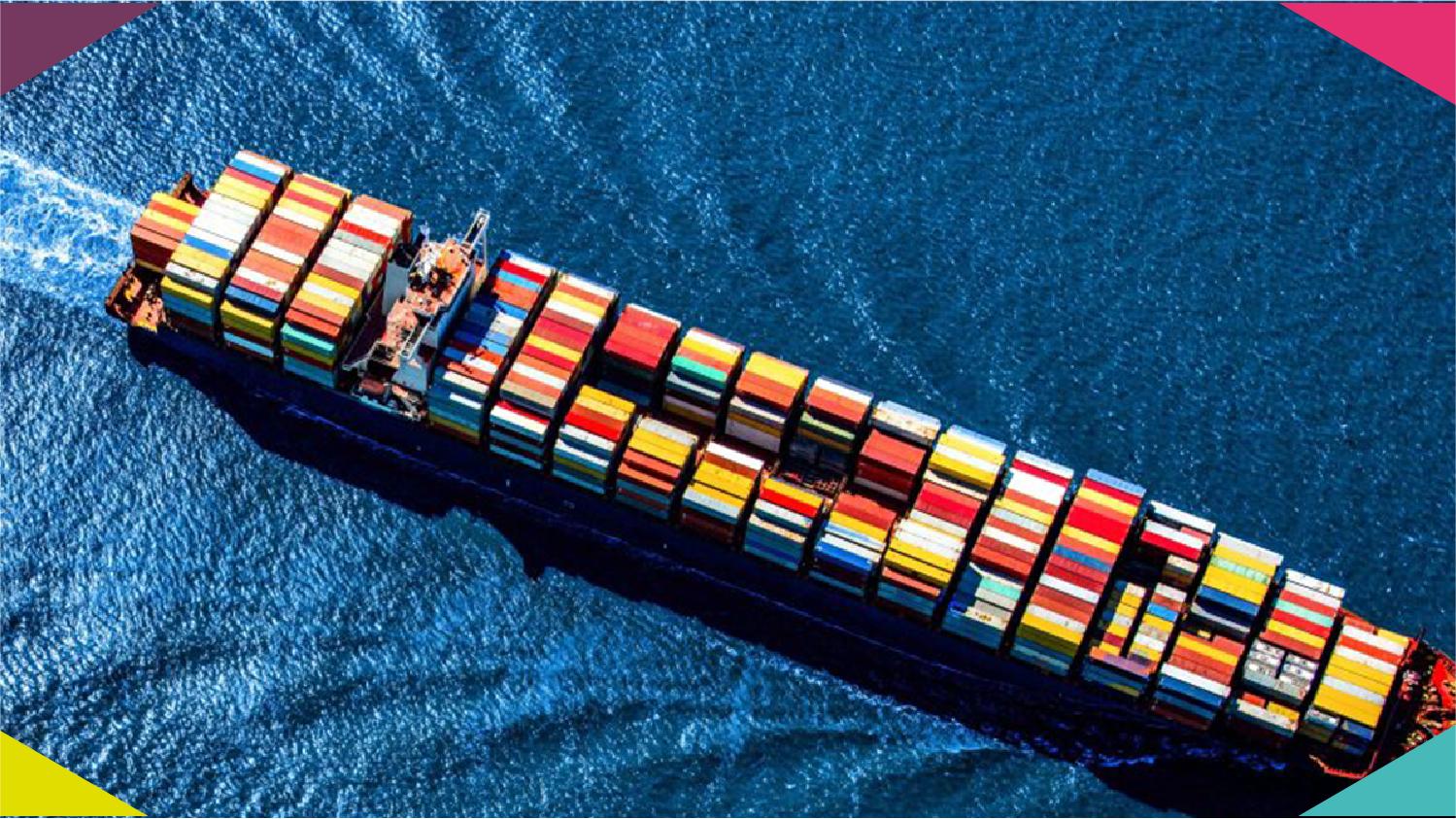
Intercontinental rail routes have become a viable alternative for shipping automotive components from Chinese industrial hubs like Chongqing to German logistics centers. Because rail transit is nearly twice as fast as sea freight, it significantly reduces the amount of capital tied up in transit. Nevertheless, maintaining power for reefer units on a train requires specialized diesel generator sets or ‘power packs’.
Many logistics providers now offer dedicated rail freight services with temperature-controlled containers. These units are monitored at key checkpoints along the Silk Road, ensuring that the cold chain remains unbroken through the harsh climates of Central Asia. Moreover, the environmental impact of rail is lower than that of air transport, appealing to sustainable brands.
Typical rates as of early 2025 suggest that rail reefer costs are stabilizing after several years of volatility. While more expensive than the ocean, the time savings can justify the expense for high-value electronics or battery cells. Without a doubt, rail is a strategic option for companies looking to shorten their lead times without the extreme cost of planes.
How to Manage Customs Clearance for Auto Parts in Germany
Navigating the regulatory landscape in Germany requires a deep understanding of EU import duties and automotive standards. Improper documentation can lead to lengthy delays at the port of Hamburg or Wilhelmshaven, potentially compromising the temperature-sensitive cargo. Therefore, engaging an experienced customs brokerage is a critical step in the shipping process.
Essential documents include the bill of lading, commercial invoice, packing list, and specific certificates of origin. Additionally, for reefer shipments, you may need to provide temperature logs to prove that the goods were handled correctly. Consequently, having all paperwork prepared well before the vessel arrives is the best way to avoid storage fees.
German customs authorities are known for their efficiency but also for their strict adherence to technical specifications. For instance, certain automotive fluids or lithium-ion batteries may require additional safety declarations. In contrast, standard mechanical parts usually move through the system much faster if the HTS codes are accurately applied.
Selecting a Door to Door Logistics Strategy
A comprehensive door to door service simplifies the complexity of international trade by managing every leg of the journey. This approach includes factory pickup in China, export handling, international transit, and final delivery to the German warehouse. Indeed, this end-to-end solution minimizes the risk of communication gaps between different service providers.
Consistency in tracking is much easier to maintain when a single company oversees the entire movement of the Reefer FCL container. Furthermore, this model often results in more predictable pricing, as many local charges are bundled into a single quote. As a result, your logistics team can spend less time on administration and more on strategic planning.
Market data suggests that integrated logistics solutions are becoming the preferred choice for the German automotive industry. By reducing the number of touchpoints, you decrease the likelihood of container damage or temperature deviations. Ultimately, a seamless transition from the port to the final destination ensures that your auto parts arrive in perfect condition.
Realistic Case Studies for China to Germany Routes
Reviewing actual shipping scenarios helps businesses understand the practical challenges and costs associated with Reefer FCL tracking for auto parts from China to Germany. These examples are based on typical market rates as of late 2024 and early 2025. Each case highlights a different strategy based on the specific needs of the cargo and the manufacturer.
Case Study 1: High-Value Electronic Sensors from Shanghai to Hamburg. This shipment required strict temperature maintenance at 15 degrees Celsius to prevent moisture damage. The cargo consisted of 18 CBM of sensors packed into a 40HQ Reefer. Total ocean freight was $3,450, with a transit time of 33 days from port to port. The use of real-time monitoring allowed the client to see daily status reports, ensuring peace of mind throughout the voyage.
Case Study 2: Lithium-Ion Battery Modules from Shenzhen to Bremen. Due to the chemical sensitivity of the batteries, a 20GP Reefer was utilized to maintain a cool environment and prevent thermal runaway risks. The total landed cost reached $4,200, including specialized hazardous goods handling fees. This shipment took 36 days via a direct sea route, and the tracking data confirmed that the temperature never deviated by more than 1 degree.
Note: Freight rates are subject to change based on fuel costs, carrier capacity, and seasonal demand. Contact us for a current quote tailored to your specific shipment.
Which Option Should You Choose for Your Auto Parts?
Deciding on the best shipping method requires a careful analysis of your specific priorities and constraints. If your primary goal is to minimize international shipping costs, sea freight is almost always the superior choice for large volumes. However, if your production schedule is at risk, the speed of rail or air may justify the premium price.
Budget priority: Choose Sea FCL for non-urgent restocking of temperature-sensitive components. Speed priority: Opt for Rail FCL for a balance of speed and cost, or Air Freight for absolute emergencies. Cargo type considerations: Use Reefer FCL for any parts containing sensitive chemicals, adhesives, or advanced electronics that could degrade in extreme heat.
Volume thresholds also play a role in your decision-making process. For shipments larger than 15 CBM, a full container (FCL) is generally more economical than less-than-container load (LCL) options. Moreover, FCL provides better security and less handling, which is vital for maintaining a consistent temperature environment.
Summary of Reefer FCL Tracking Success
Successfully managing Reefer FCL tracking for auto parts from China to Germany requires a combination of the right technology and an experienced logistics partner. Throughout this guide, we have explored the importance of real-time monitoring, the various shipping methods available, and the nuances of customs clearance in Europe. By prioritizing transparency and data-driven decisions, you can protect your high-value cargo from environmental risks.
Furthermore, understanding the cost-benefit trade-offs between sea, rail, and air freight allows for a more flexible and robust supply chain. Whether you are shipping sensitive sensors or large battery modules, the ability to track your Reefer FCL container ensures quality control at every stage. As the automotive industry continues to evolve, staying ahead of logistics trends will remain a competitive advantage for global manufacturers.
Ready to streamline your logistics?
Optimizing your Reefer FCL tracking for auto parts from China to Germany is the key to a resilient supply chain. Our team of experts is ready to help you navigate the complexities of international logistics and temperature-controlled transport. Contact us today to receive a customized quote and ensure your automotive components are delivered on time and in perfect condition. Visit our website to start your inquiry. Send Inquiry: Visit https://Top China Freight.net/
Request Quote