
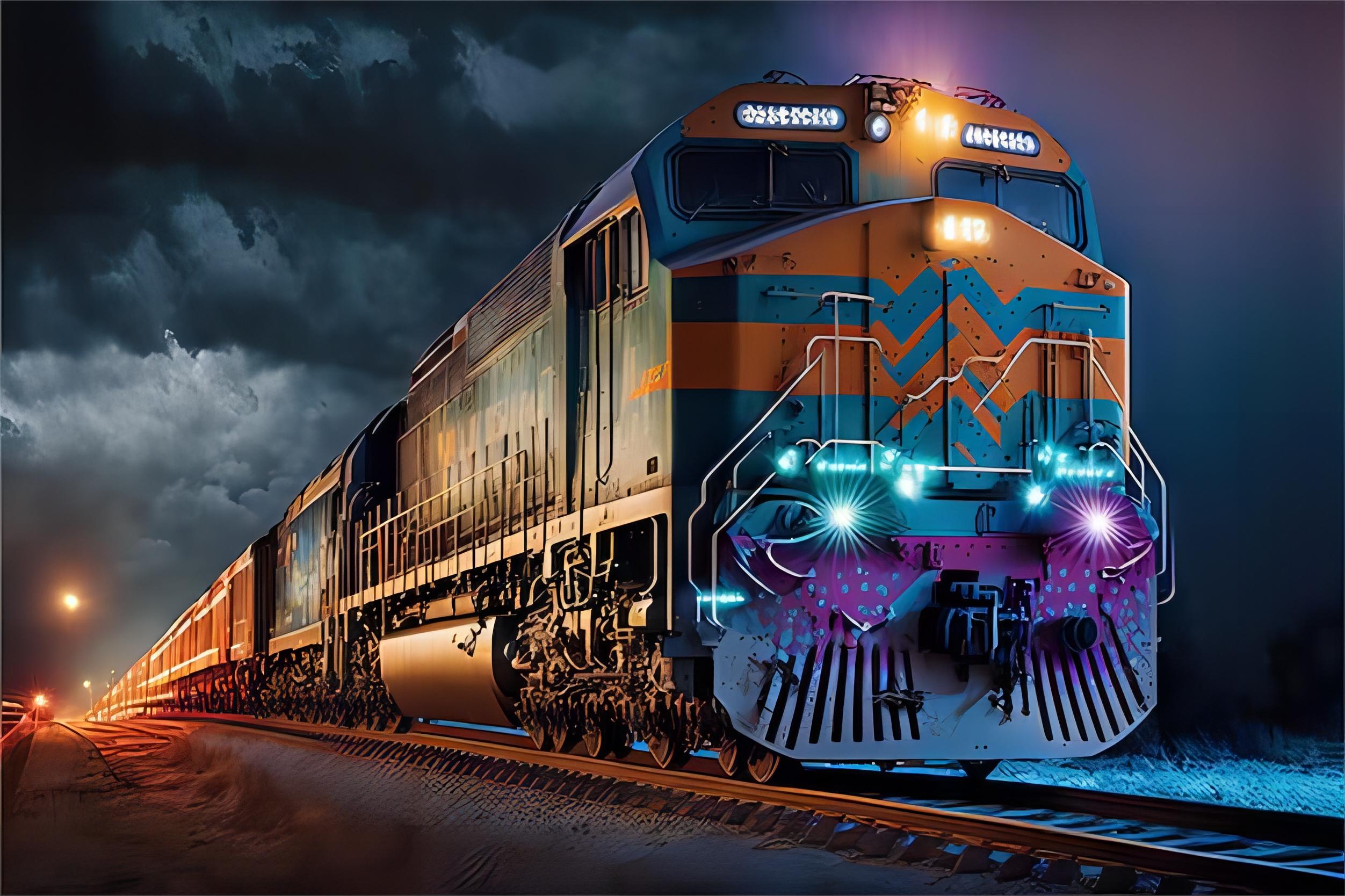
40GP FCL freight rate for solar panels from China to California
Securing a competitive 40GP FCL freight rate for solar panels from China to California remains a top priority for renewable energy importers looking to maintain healthy margins. Understanding the current market dynamics at Top China Freight allows businesses to optimize their supply chain effectively while navigating the complexities of international logistics. This comprehensive guide provides a detailed breakdown of costs, transit times, and strategic shipping alternatives to help you make informed decisions for your solar panel imports.
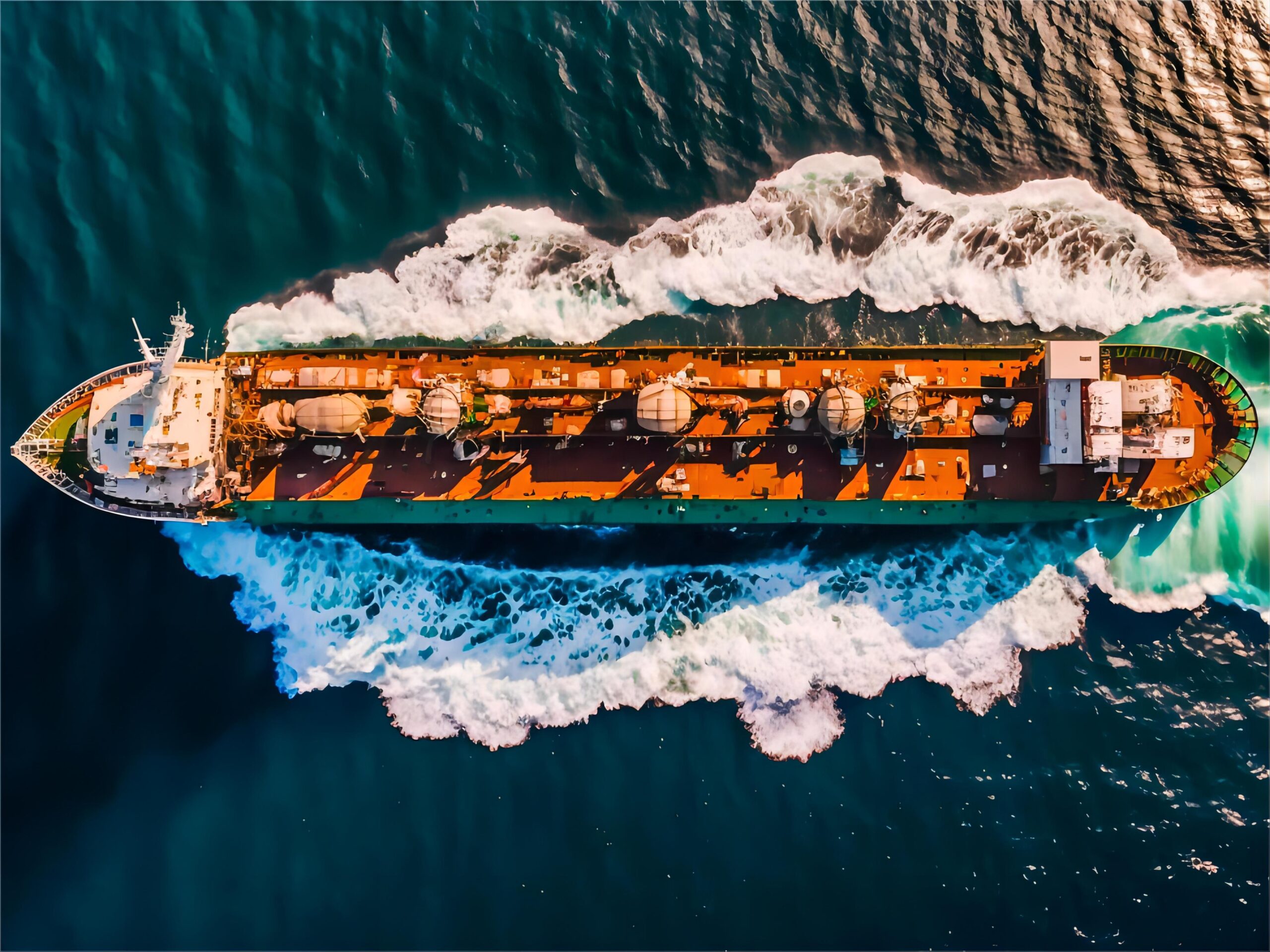
What is the current 40GP FCL freight rate for solar panels from China to California?
The 40GP FCL freight rate for solar panels from China to California fluctuates based on seasonal demand, fuel surcharges, and carrier capacity. As of early 2025, market data suggests that rates for a standard forty-foot container range between 2,500 and 3,800 USD depending on the specific port of loading. Furthermore, shipping costs have stabilized following previous global supply chain disruptions, allowing for more predictable budgeting.

Importers should note that solar panels are relatively heavy and require careful cargo handling to prevent micro-cracks during transit. Consequently, the choice of container type and securing methods can impact the final quote provided by your logistics provider. Additionally, peak season surcharges typically apply from August through October, which can increase the base rate by 15 to 25 percent.
Note: Freight rates are subject to change based on fuel costs, carrier capacity, and seasonal demand. Contact us for a current quote tailored to your specific shipment.
| Shanghai to LA | $2,600 – $3,200 | $450 | $3,050 – $3,650 |
| Ningbo to Oakland | $2,800 – $3,400 | $480 | $3,280 – $3,880 |
| Shenzhen to Long Beach | $2,550 – $3,150 | $420 | $2,970 – $3,570 |
| Qingdao to LA | $2,750 – $3,350 | $460 | $3,210 – $3,810 |
How Does Sea Freight Compare to Other Shipping Options?
When analyzing the 40GP FCL freight rate for solar panels from China to California, it is essential to compare it with alternative shipping methods. While sea freight is the most economical choice for large volumes, air freight or LCL might be suitable for specific scenarios. For instance, air freight offers unmatched speed but comes at a significantly higher price point that often exceeds the value of the panels themselves.
Moreover, Less than Container Load (LCL) shipping serves as a middle ground for smaller shipments that do not fill an entire 40GP container. However, LCL shipments often incur higher per-unit costs and longer transit times due to the consolidation and deconsolidation processes at the ports. Therefore, FCL remains the gold standard for commercial solar projects requiring high-volume delivery schedules.
Choosing between these methods requires a balance of budget, urgency, and cargo volume. Indeed, most solar developers prioritize cost-effectiveness, making 40GP or 40HQ containers the preferred choice for transpacific routes.
| Sea FCL (40GP) | $2,500 – $3,800 | 14 – 22 Days | Large Projects |
| Sea LCL | $60 – $120/CBM | 20 – 30 Days | Small Batches |
| Air Freight | $5.00 – $9.00/kg | 3 – 7 Days | Urgent Repairs |
| Sea-Air Hybrid | Medium | 10 – 15 Days | Balanced Needs |
Which Factors Impact Your 40GP FCL Freight Rate?
Several variables determine the final 40GP FCL freight rate for solar panels from China to California beyond the basic ocean freight. Specifically, port congestion in San Pedro Bay can lead to demurrage and detention fees if the cargo is not cleared promptly. Additionally, the Bunker Adjustment Factor (BAF) fluctuates with global oil prices, directly affecting the carrier’s operating costs and your final invoice.
Furthermore, the weight of the solar panels plays a crucial role in container selection. While a 40GP container provides ample volume, the weight limits of US roads may restrict the total number of pallets you can load. Consequently, many importers opt for 40HQ containers to maximize space while staying within legal weight thresholds for inland drayage.
Importers must also consider the cost of marine insurance, which is vital for high-value electronic components like solar cells. Nevertheless, working with an experienced freight forwarder can help mitigate these risks through better route planning and carrier negotiations.
Transit Times and Port Logistics for California Routes
Shipping from China to North America is one of the busiest trade lanes in the world. Generally, the transit time from major Chinese ports like Shanghai or Ningbo to the Port of Los Angeles or Long Beach takes approximately 14 to 18 days. However, including the time for booking, loading, and customs clearance, the total door-to-door duration often reaches 25 to 35 days.
Moreover, selecting the right port of discharge is critical for minimizing inland transportation costs. If your final destination is in Northern California, shipping directly to the Port of Oakland may be more efficient than trucking goods from Southern California. Consequently, analyzing the entire delivery schedule from the factory to the job site is essential for project success.
Recent logistics trends indicate that direct services are becoming more reliable as carrier alliances stabilize their schedules. Nevertheless, transshipment options remain available for those seeking lower rates at the expense of longer transit times.
| Shanghai | Long Beach | 14 Days | Daily |
| Ningbo | Oakland | 18 Days | Weekly |
| Shenzhen | Los Angeles | 15 Days | 3x Weekly |
| Xiamen | Long Beach | 20 Days | Weekly |
Understanding Customs Brokerage and Regulatory Compliance
Navigating customs brokerage is a critical step in importing solar panels to California. The US government frequently updates trade policies, including Section 201 and Section 301 tariffs, which can significantly impact the landed cost of Chinese-made solar products. Therefore, ensuring your documentation is accurate and compliant with the latest regulations is paramount to avoiding costly delays.
Additionally, you must provide a detailed commercial invoice, packing list, and Bill of Lading for every shipment. Without a doubt, missing or incorrect Harmonized System (HS) codes can lead to inspections and additional storage fees at the port. Consequently, partnering with a knowledgeable broker who understands renewable energy imports is highly recommended.
Importers should also be aware of the Uyghur Forced Labor Prevention Act (UFLPA) requirements, which demand strict supply chain transparency. Indeed, failure to provide proof of ethical sourcing can result in cargo seizure by US Customs and Border Protection.
Case Studies: Real-World Solar Panel Shipments
Examining real-world examples helps clarify how the 40GP FCL freight rate for solar panels from China to California applies in practice. These scenarios reflect typical market conditions and highlight the importance of strategic planning.
Case Study 1: Residential Solar Project Route: Shanghai, China to Long Beach, California Cargo: 720 Solar Panels (22 Pallets), 18,500 kg Container: 40GP FCL Shipping Details: – Carrier: COSCO – Port of Loading: Shanghai – Port of Discharge: Long Beach – Route Type: Direct Cost Breakdown: – Ocean Freight: $2,950 – Origin Charges: $420 – Destination Charges: $550 – Total Landed Cost (Freight only): $3,920 Timeline: – Sea Transit: 15 days – Customs Clearance: 3 days – Total Door-to-Door: 24 days Key Insight: Using a direct route minimized the risk of damage during transshipment.
Case Study 2: Commercial Array Expansion Route: Ningbo, China to Oakland, California Cargo: 680 Solar Panels, 17,800 kg Container: 40GP FCL Shipping Details: – Carrier: Maersk – Port of Loading: Ningbo – Port of Discharge: Oakland – Route Type: Direct Cost Breakdown: – Ocean Freight: $3,150 – Origin Charges: $450 – Destination Charges: $600 – Total Landed Cost (Freight only): $4,200 Timeline: – Sea Transit: 19 days – Customs Clearance: 4 days – Total Door-to-Door: 28 days Key Insight: Port of Oakland was chosen to reduce inland trucking costs to the Sacramento job site.
Strategies to Reduce Your Freight Costs
Reducing your 40GP FCL freight rate for solar panels from China to California requires proactive management and negotiation. For instance, booking your shipment at least 3-4 weeks in advance can help you secure lower rates before carrier capacity tightens. Furthermore, consolidating multiple orders into a single FCL shipment is almost always more cost-effective than shipping multiple LCL batches.
Additionally, consider using door to door services to simplify your logistics and potentially lower overall costs through bundled pricing. By allowing one provider to handle the entire journey, you reduce the risk of communication gaps and unexpected third-party fees. Meanwhile, optimizing pallet dimensions can help you fit more panels into a single container, lowering the per-unit shipping cost.
Importers should also monitor the Freightos Baltic Index and other industry benchmarks to time their purchases during market dips. Nevertheless, maintaining a flexible delivery schedule allows you to take advantage of ‘spot rates’ which are often lower than long-term contract prices during off-peak periods.
Which Shipping Option Should You Choose?
The decision framework for selecting a shipping method depends on your specific business priorities. If budget is your primary concern, sea freight via a 40GP or 40HQ container is the only viable option for large-scale solar imports. On the other hand, if you are facing a critical project deadline, air freight might be necessary despite the exorbitant costs.
For cargo volumes between 10 and 15 CBM, LCL shipping may seem attractive, but the risk of damage increases due to extra handling. Consequently, most professional installers prefer to wait until they have enough volume to fill a 40GP container. This approach ensures better cargo safety and a more stable 40GP FCL freight rate for solar panels from China to California.
Ultimately, you should choose the option that aligns with your project timeline and financial goals. Indeed, a hybrid solution involving sea freight for the bulk of the order and a small air shipment for urgent components can provide the perfect balance of speed and economy.
Maximizing Efficiency in Solar Logistics
In summary, understanding the 40GP FCL freight rate for solar panels from China to California is essential for any successful renewable energy import business. By considering factors such as transit times, customs compliance, and container optimization, you can significantly reduce your overhead. Furthermore, choosing the right logistics partner ensures that your panels arrive safely and on schedule.
As the market continues to evolve in 2025, staying informed about logistics trends and tariff updates will remain a competitive advantage. Whether you are shipping a single container or a massive utility-scale array, strategic planning is the key to success. We encourage you to use the data and strategies in this guide to refine your shipping process and enhance your bottom line.

Ready to streamline your logistics?
Ready to optimize your solar panel supply chain? Contact Top China Freight today for a personalized quote on your 40GP FCL freight rate for solar panels from China to California. Our experts are standing by to help you navigate customs and secure the best carrier rates in the industry. Visit our inquiry page to get started. Send Inquiry: Visit https://Top China Freight.net/
Request Quote