
20GP FCL Demurrage Prevention for Medical Equipment to New York
Shipping medical equipment from China to New York via 20GP FCL presents unique challenges. Unforeseen demurrage charges often inflate costs and delay critical supplies. This guide details effective strategies for Top China Freight clients. We aim to prevent these costly penalties, ensuring your sensitive cargo arrives smoothly and on budget.
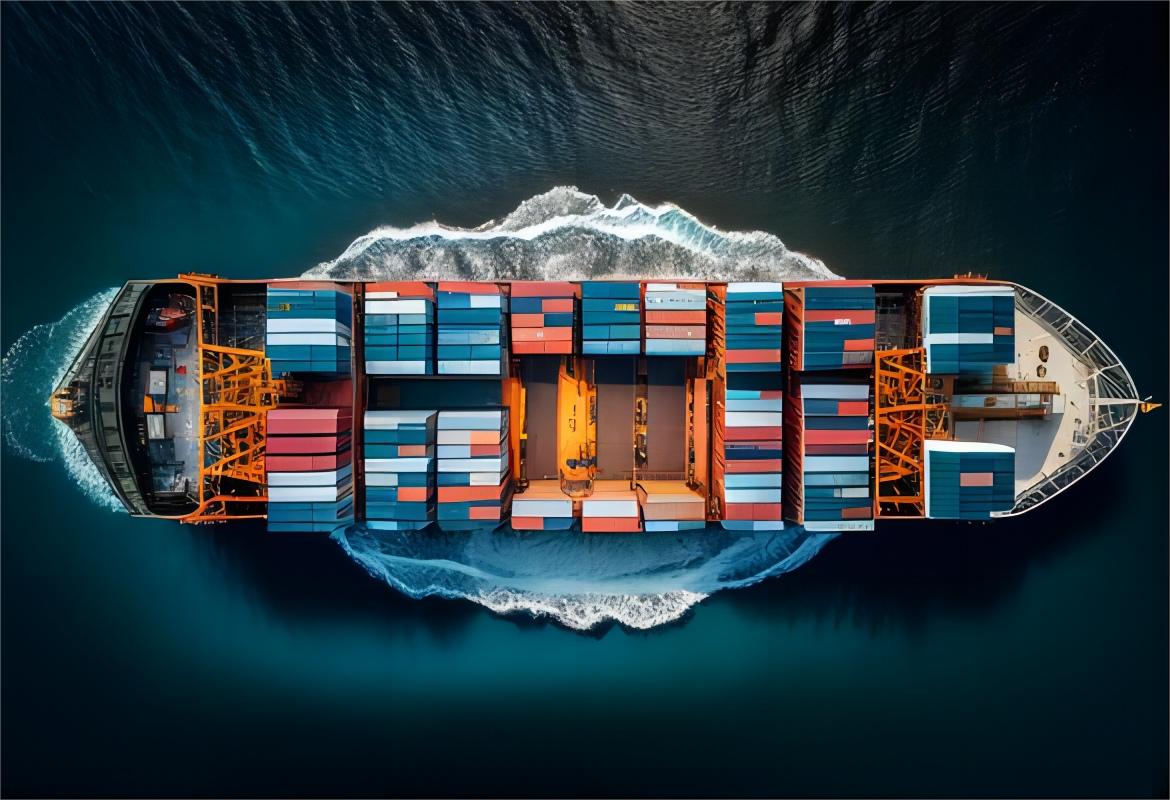
Understanding 20GP FCL Demurrage Charges for Medical Equipment
Demurrage refers to the penalty charged by a shipping line when a container remains at the port terminal beyond its allocated free time. This fee compensates the carrier for their equipment’s delayed return. For importers, these costs can quickly escalate, significantly impacting overall shipping expenses.
Specifically, 20GP FCL shipments of medical equipment pose unique risks for demurrage. Medical devices often require specialized handling, precise documentation, and strict regulatory compliance. Any delay, therefore, whether due to customs holds or incomplete paperwork, can trigger costly demurrage. The sensitive nature of the cargo makes timely clearance paramount.
Why Medical Equipment is High-Risk for Demurrage
Medical equipment imports face heightened scrutiny from agencies like the FDA. Consequently, even minor discrepancies in documentation or labeling can lead to extensive inspections and delays. Specialized items often demand specific import permits and certifications, which must be meticulously prepared.
Cold chain requirements for certain items add another layer of complexity. This makes timely clearance absolutely paramount. Delays are not just financial burdens but can also affect patient care. Therefore, preventing demurrage for such shipments ensures public health and maintains a reliable supply chain.
Key Strategies for 20GP FCL Demurrage Prevention from China to New York
Proactive planning and meticulous execution are crucial for avoiding demurrage fees on your 20GP FCL medical equipment. Navigating the complex journey from China to New York requires a multi-faceted approach. Implementing robust strategies across documentation, transit, and destination logistics significantly mitigates risks.
Indeed, preventing these charges begins long before your container leaves the port. Effective communication and a clear understanding of all regulatory requirements are indispensable. Establishing a comprehensive strategy is paramount for importers of sensitive medical goods. This foresight helps streamline operations and minimize potential delays.
Accurate Documentation and Customs Clearance
Firstly, ensure all shipping documents are perfectly accurate and complete. This includes the commercial invoice, packing list, bill of lading, and any required medical device certifications. Errors cause customs delays and demurrage.
Consequently, engaging with experienced customs brokerage services is highly advisable. They can pre-clear your cargo and handle complex FDA regulations. This proactive step identifies and resolves potential issues before the vessel docks.
Furthermore, proper classification of medical devices using Harmonized System (HS) codes is critical. Incorrect codes can lead to lengthy inspections and substantial fines. Vigilance reduces demurrage risk and ensures smooth entry.
Optimized Transit Planning and Communication
Selecting a reliable shipping line with a strong track record for timely arrivals is paramount. While direct sailings may cost slightly more, they often offer shorter transit times and fewer transshipment risks. Regularly monitoring shipment progress is essential.
Utilize real-time tracking systems to anticipate any potential delays. Moreover, maintaining open communication with your freight forwarder and consignee is vital. Share estimated arrival times and any changes promptly, allowing for immediate cargo pickup.
Unexpected port congestion or weather events can cause delays. Therefore, having contingency plans in place is crucial for effective sea freight management. This preparedness mitigates unforeseen circumstances.
Efficient Destination Logistics
Upon arrival in New York, swift cargo pickup from the port terminal is non-negotiable for demurrage prevention. Pre-arrange drayage services and ensure your trucking company has all necessary access codes and appointments. Any holdup in retrieving the container accrues daily demurrage fees.
Additionally, ensure your warehouse or receiving facility is prepared to unload the 20GP FCL container immediately. Having sufficient labor and equipment ready minimizes the time the container spends off-terminal. This prevents detention charges and keeps your supply chain efficient.
For comprehensive solutions, explore door to door services. These streamline the entire process from origin to final delivery. This integrated approach significantly reduces logistical headaches and costs, ensuring seamless operations.
How Does Sea Freight Compare to Other Shipping Options for Medical Equipment?
Choosing the right shipping method is fundamental for balancing cost, speed, and risk, especially for medical equipment. While 20GP FCL sea freight is often the most economical, other options might suit specific needs. Understanding these alternatives helps make informed decisions for your supply chain.
Consider the urgency, value, and volume of your medical supplies when evaluating transport modes. For example, highly sensitive or time-critical items might justify higher costs for faster delivery. Conversely, bulk, non-urgent supplies benefit from the cost-effectiveness of ocean transport. A careful assessment is always recommended.
| Shipping Method | Cost Range (China-NY) | Transit Time (China-NY) | Best For | Limitations |
|---|---|---|---|---|
| 20GP FCL Sea Freight | $2,500 – $3,500 (Ocean Freight) | 30-35 days | Large volume, non-urgent, cost-sensitive medical supplies | Slowest, higher demurrage/detention risk |
| Air Freight | $15,000 – $25,000 (per 1000kg) | 5-7 days | Urgent, high-value, small volume, temperature-sensitive items | Most expensive, weight/volume restrictions |
| Sea-Air Hybrid | $8,000 – $12,000 (estimated) | 18-25 days | Moderately urgent, mid-value goods needing faster than sea, cheaper than air | More complex coordination, limited routes |
| LCL Sea Freight | $800 – $1,500 (per CBM) | 35-45 days | Small volume, non-urgent cargo (less than 15 CBM) | Slower, higher risk of damage/loss, potential for longer delays |
Cost-Saving Tactics Beyond Demurrage Avoidance
While preventing demurrage is crucial, other strategies can further optimize your overall shipping costs for medical equipment. A holistic approach to logistics management uncovers significant savings. For instance, optimizing container utilization reduces per-unit shipping expenses. Every aspect of the supply chain offers potential for efficiency gains.
Moreover, engaging in strategic partnerships and leveraging technology can provide a competitive edge. These tactics extend beyond mere transactional costs to encompass the entire logistical ecosystem. A well-rounded strategy ensures maximum financial efficiency and operational smoothness. This comprehensive view is essential for long-term success.
Negotiating Favorable Terms and Carrier Contracts
Develop strong relationships with reputable freight forwarders and carriers. Volume commitments often lead to better freight rates and more flexible free time at ports. Negotiating extended demurrage-free days, especially for complex medical cargo, provides a valuable buffer against unforeseen delays.
Leverage your business volume for better terms. Additionally, explore long-term contracts that offer stable pricing, mitigating market volatility. These agreements provide predictability in an often-unpredictable shipping environment. Always review contracts carefully to understand all charges, including surcharges and accessorial fees.
Consolidation and Optimization
For multiple smaller orders from various suppliers in China, consider consolidating them into one 20GP FCL shipment. This approach maximizes container space and reduces per-unit shipping costs significantly. However, ensure all goods are ready to ship simultaneously to avoid delays. Careful coordination is vital for consolidation.
Furthermore, optimize your packaging to fit as much product as safely possible within the container. Efficient packing not only saves space but also protects sensitive medical equipment during transit. Working with experienced logistics providers can help identify consolidation opportunities. Their expertise in cargo handling is invaluable.
Real-World Success: Case Studies in 20GP FCL Demurrage Prevention
Examining actual scenarios demonstrates the tangible benefits of effective demurrage prevention strategies. These case studies highlight how meticulous planning and expert execution translate into significant cost savings and reliable delivery. Each example underscores the importance of a proactive approach. Learning from these experiences informs your logistics planning.
These real-world examples illustrate common challenges and successful resolutions in shipping medical equipment. They provide practical insights into managing complex international logistics. Therefore, understanding these situations can help you anticipate and mitigate similar risks. This practical knowledge is invaluable for importers.
Case Study 1: Urgent Medical Device Shipment to New York
This case highlights how meticulous documentation and a strong customs brokerage partnership prevented demurrage for an urgent medical device import.
| Detail | Description |
|---|---|
| Route | Shanghai, China New York, USA |
| Cargo | Diagnostic imaging components, 22 CBM, 4,500 kg |
| Container | 20GP FCL |
| Shipping Details | Carrier: COSCO, Port of Loading: Shanghai, Port of Discharge: Port of New York and New Jersey, Route Type: Direct |
| Cost Breakdown | Ocean Freight: $3,100, Origin Charges: $450, Destination Charges: $550, Customs & Duties (estimated): $800, Total Landed Cost: $4,900 |
| Timeline | Booking to Loading: 5 days, Sea Transit: 32 days, Customs Clearance: 1 day (pre-cleared), Total Door-to-Door: 38 days |
| Key Insight | Pre-clearance via experienced customs broker and flawless documentation ensured a 1-day customs release, avoiding demurrage. Based on Q4 2024 market rates. |

Case Study 2: Bulk Hospital Supplies with Optimized Pickup
This scenario illustrates the successful prevention of detention and demurrage through excellent coordination of destination logistics and pre-arranged drayage.
| Detail | Description |
|---|---|
| Route | Ningbo, China New York, USA |
| Cargo | Disposable medical gowns and masks, 28 CBM, 6,200 kg |
| Container | 20GP FCL |
| Shipping Details | Carrier: MSC, Port of Loading: Ningbo, Port of Discharge: Port of New York and New Jersey, Route Type: Direct |
| Cost Breakdown | Ocean Freight: $2,950, Origin Charges: $400, Destination Charges: $600, Customs & Duties (estimated): $750, Total Landed Cost: $4,700 |
| Timeline | Booking to Loading: 7 days, Sea Transit: 34 days, Customs Clearance: 2 days, Total Door-to-Door: 43 days |
| Key Insight | Pre-booked drayage and ready warehouse staff allowed container pickup within 24 hours of availability, preventing demurrage. Typical rates as of early 2025. |
Navigating the China to New York Route Specifics for Medical Equipment
The specific challenges of the China to New York shipping lane demand particular attention for medical equipment. This route is one of the busiest globally, prone to unique logistical hurdles. Understanding these nuances is key to proactive demurrage prevention. Anticipating potential issues allows for better planning and risk mitigation.
Furthermore, regulatory landscapes on both ends of the supply chain introduce complexities. Adapting your strategy to these specific conditions can significantly improve efficiency. Therefore, a localized approach, informed by current market intelligence, is essential. This ensures smoother passage for critical medical cargo.
Port Congestion and Peak Seasons
The Port of New York and New Jersey, a major gateway, experiences periods of significant congestion. This can lead to vessel delays and longer container dwell times, directly increasing demurrage risk. Peak seasons like pre-holiday rushes (e.g., Q4) often exacerbate these issues.
Planning shipments to avoid these periods, if possible, is a wise strategy. Additionally, certain events like labor disputes or unexpected weather can further disrupt port operations. Staying informed about these potential disruptions is crucial for adjusting your delivery schedule. Vigilance helps in proactive risk management.
Regulatory Compliance for Medical Devices
Importing medical devices into the U.S. requires strict adherence to FDA regulations. This includes proper labeling, registration, and potentially pre-market approval. Non-compliance is a significant cause of customs holds, leading directly to demurrage. Ensure all necessary permits and declarations are in order.
Moreover, work closely with your Chinese suppliers to ensure they meet all export requirements and provide accurate product information. Any discrepancy can cause delays at both origin and destination ports. Understanding the specific FDA requirements for your type of medical equipment is paramount. Diligence minimizes inspection delays and ensures swift clearance.
Partnering with an Expert Freight Forwarder for Demurrage Prevention
Engaging a specialized freight forwarder is perhaps the most effective strategy for preventing 20GP FCL demurrage for medical equipment from China to New York. Their expertise in international logistics, customs regulations, and carrier relationships is invaluable. A reliable partner acts as an extension of your supply chain, proactively managing potential pitfalls.
Moreover, a professional freight forwarder offers comprehensive services that span the entire shipping journey. From optimizing routes to handling intricate documentation, their role is indispensable. Collaboration ensures peace of mind and cost savings. Choosing the right logistics partner transforms a stressful process into a smooth, efficient operation.
The Role of Proactive Logistics Management
An expert forwarder will proactively manage your shipment, anticipating and mitigating risks before they arise. This includes pre-booking drayage, coordinating with customs brokers for pre-clearance, and providing real-time tracking updates. Their ability to foresee and address potential delays is critical. They act as your eyes and ears throughout the shipping process.
Additionally, they can advise on optimal shipping routes, carrier selection, and free time negotiation with shipping lines. Their industry connections often grant them access to better rates and more flexible terms. This proactive approach significantly reduces the likelihood of incurring demurrage charges. Their foresight is a major asset.
Selecting the Right Logistics Partner
When choosing a freight forwarder, look for one with proven experience in shipping medical equipment and a strong presence on the China-USA lane. Verify their track record in customs compliance and demurrage prevention. A partner with robust communication channels and a dedicated support team is also essential. Their reliability directly impacts success.
Ultimately, the right logistics partner brings not just shipping services but also strategic insights and peace of mind. They are instrumental in optimizing your supply chain and protecting your bottom line. Therefore, invest time in selecting a forwarder who understands the unique demands of your medical cargo. This decision is crucial for long-term efficiency.

Ensuring Smooth Sailing for Medical Equipment to New York
Effectively managing 20GP FCL demurrage prevention for medical equipment from China to New York is paramount for cost control and supply chain integrity. By focusing on meticulous documentation, optimized transit planning, efficient destination logistics, and strategic partnerships, importers can significantly reduce their financial exposure. Proactive measures are more effective than reactive solutions.
Indeed, the complexities of international shipping demand a comprehensive and informed approach. Partnering with a knowledgeable freight forwarder is a critical step in navigating these challenges successfully. This ensures your vital medical supplies reach their destination on time and within budget, safeguarding both your operations and patient care. Foresight and expertise are your best allies.
Get Your Shipping Quote Today
Ready to optimize your medical equipment imports and prevent costly 20GP FCL demurrage from China to New York? Contact us today for a personalized consultation and a tailored shipping quote. Our experts are here to streamline your logistics.
Request Quote