
20GP FCL Shipping from China to Germany: Your Ultimate Guide
Shipping a 20GP FCL from China to Germany requires careful planning and execution. Understanding the intricacies of international logistics is crucial for a smooth supply chain. At Top China Freight, we specialize in making this complex process straightforward and efficient for your business.
Understanding 20GP FCL Shipping from China to Germany
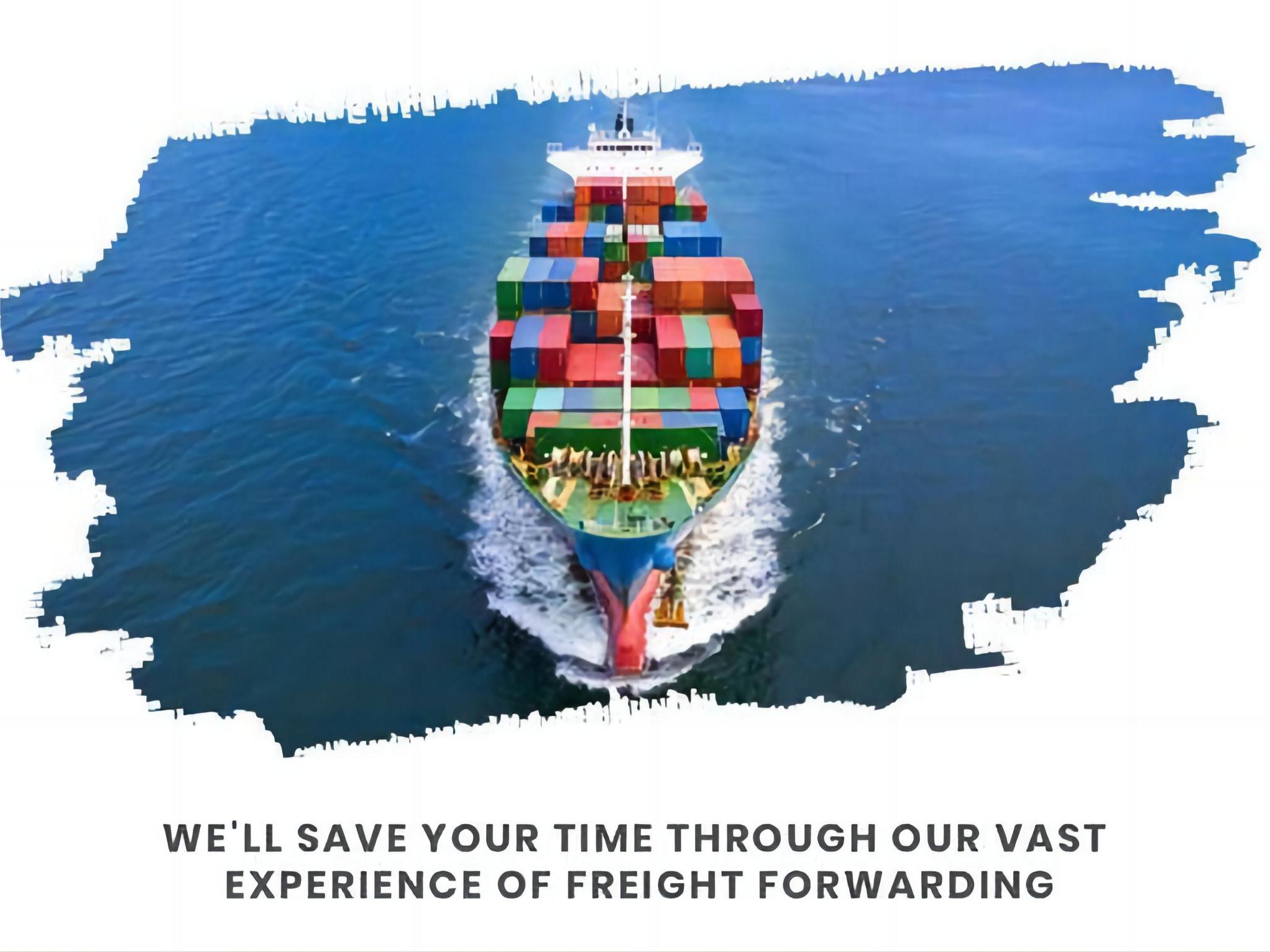
A 20GP FCL, or 20-foot General Purpose Full Container Load, is a standard container type used for international ocean freight. This option means you lease the entire container for your goods, regardless of whether it is fully filled. Consequently, it offers exclusive space and generally faster transit times compared to sharing space.
Choosing FCL for your shipments from China to Germany provides significant advantages, particularly for larger volumes. It minimizes handling, thus reducing the risk of damage or loss. Furthermore, this method is often more cost-effective per unit when your cargo volume justifies a full container.
Typically, a 20GP container measures approximately 20 feet long, 8 feet wide, and 8.5 feet high. It offers around 33 CBM (cubic meters) of usable space and can hold up to 28,000 kg (61,700 lbs) of cargo. Therefore, it is ideal for businesses importing substantial quantities of goods.
Key Factors Influencing 20GP FCL Shipping Costs and Transit Times
Several critical factors dictate the overall cost and duration of your 20GP FCL shipping from China to Germany. Understanding these elements helps in accurate budgeting and effective supply chain planning. Moreover, fluctuating market conditions frequently impact freight rates.
Firstly, the port of loading in China and the port of discharge in Germany significantly affect both cost and transit. Major Chinese ports like Shanghai, Ningbo, and Shenzhen offer more frequent sailings and competitive rates. Similarly, German ports such as Hamburg and Bremerhaven are primary entry points, influencing inland logistics. For instance, direct routes are generally faster but can be pricier.
Secondly, the specific shipping line and service chosen play a vital role. Different carriers like COSCO, Maersk, or MSC offer varying service levels, speeds, and reliability. Additionally, the time of year is crucial; peak seasons, such as before Chinese New Year or during the Q4 holiday rush, often see increased demand and higher rates. Consequently, booking in advance is always recommended.
Thirdly, fuel surcharges, terminal handling charges (THC), and other ancillary fees contribute to the total cost. These charges can vary based on global oil prices and port specific regulations. Therefore, obtaining a detailed quote that itemizes all potential fees is essential for comprehensive cost management.
The Step-by-Step Process for 20GP FCL Shipping to Germany
Navigating the logistics of international shipping can seem daunting, but a clear understanding of the process simplifies everything. From booking to final delivery, each stage is crucial for successful 20GP FCL shipping from China to Germany. We manage these complexities for you.
Initially, you must obtain a freight quote and book your container with a reliable freight forwarder. This involves providing details about your cargo, origin, and destination. Once booked, the forwarder arranges for the container to be delivered to your supplier’s factory or warehouse in China for loading. Proper loading and securing of cargo within the 20GP container are paramount to prevent damage during transit.
Subsequently, the loaded container is transported to the port of loading. Here, it undergoes origin customs clearance, where all necessary export documents are verified. After clearance, the container is loaded onto the vessel, commencing its ocean voyage to Germany. This sea transit typically takes several weeks, depending on the route and any transshipments.
Upon arrival at a German port, the container is discharged from the vessel. It then proceeds through destination customs clearance, requiring importers to provide import declarations and pay applicable duties and taxes. Finally, after customs approval, the container is transported to your designated warehouse or distribution center, completing the door-to-door service.
Customs Clearance and Essential Documentation for Germany
Efficient customs clearance is a pivotal aspect of importing goods into Germany. Accurate documentation prevents delays, penalties, and additional costs. Therefore, preparing all required paperwork meticulously is non-negotiable for smooth entry.
Key documents include the Commercial Invoice, Packing List, Bill of Lading (B/L), and potentially a Certificate of Origin. The Commercial Invoice must accurately detail the goods, their value, and Incoterms. Meanwhile, the Packing List provides a comprehensive inventory of contents within the 20GP container. The Bill of Lading serves as a contract of carriage and a title to the goods, proving ownership.
Furthermore, certain products may require specific licenses, permits, or certificates, such as CE marking for electronics or phytosanitary certificates for agricultural products. German customs authorities are stringent, so ensuring compliance with all EU regulations is vital. Engaging a professional customs brokerage service can significantly streamline this complex process. They possess the expertise to navigate tariff codes and regulatory requirements effectively.
How Does 20GP FCL Shipping Compare to Other Options?
When considering sea freight from China to Germany, it is essential to evaluate alternative shipping methods. Each option presents different trade-offs in terms of cost, speed, and suitability for various cargo types. Consequently, choosing the right method depends on your specific business needs and priorities.
For example, while 20GP FCL offers cost-effectiveness for larger volumes, smaller shipments might benefit from LCL (Less than Container Load) shipping. LCL involves sharing container space with other shippers, paying only for the volume used. However, LCL typically entails more handling and longer transit times due to consolidation and deconsolidation processes.
Moreover, for urgent shipments, air freight provides significantly faster transit, often within 5-7 days. Nevertheless, air freight is considerably more expensive, making it suitable only for high-value, time-sensitive, or smaller, lighter cargo. The cost difference for a 20GP volume equivalent via air would be prohibitive for most businesses.
Another viable option is rail freight, offering a balance between sea and air in terms of speed and cost. Rail typically takes 15-20 days from China to Germany, making it faster than sea freight and cheaper than air freight. This method is gaining popularity for its efficiency and environmental benefits, especially for cargo that is not extremely urgent but still requires quicker delivery than ocean vessels.
| Shipping Method | Cost Range (2024-2025 Est.) | Transit Time | Best For | Limitations |
|---|---|---|---|---|
| 20GP FCL Sea Freight | $1,800 – $2,500 | 28-35 days | Large volume, non-urgent, cost-effective per unit | Slowest transit, port congestion risks |
| LCL Sea Freight | $50 – $80 per CBM | 35-45 days | Smaller volumes (under 15 CBM), flexible | Longer transit, more handling, higher per CBM than FCL |
| Rail Freight | $6,000 – $9,000 per 40HQ (pro-rata for 20GP) | 15-20 days | Medium urgency, balanced cost/speed, environmentally friendly | Limited capacity, specific rail terminals, not suitable for all cargo types |
| Air Freight | $8,000 – $15,000 (for ~5 CBM equivalent) | 5-7 days | Urgent, high-value, small/light cargo | Highest cost, limited by cargo weight/volume |
Optimizing Your 20GP FCL Shipment: Tips and Strategies
Maximizing efficiency and minimizing costs for your 20GP FCL shipping from China to Germany requires strategic planning. Implementing smart practices can lead to significant savings and a smoother logistics process. Therefore, consider these expert recommendations.
Firstly, consolidate your orders to fill the 20GP container as much as possible. Even if you do not have a full container’s worth of goods from a single supplier, consider combining orders from multiple suppliers located in the same region. This approach helps you fully utilize the container space, thus reducing your per-unit shipping cost. Furthermore, a well-packed container minimizes empty space and enhances cargo stability.
Secondly, negotiate shipping terms and rates well in advance, especially during peak seasons. Booking early often secures better rates and guarantees space on vessels. Additionally, consider flexible delivery schedules if possible, as off-peak sailings might offer more competitive pricing. Regularly reviewing your Incoterms with suppliers can also optimize cost allocation and responsibility.
Finally, ensure all documentation is meticulously prepared and submitted on time. Errors in paperwork can lead to costly delays, demurrage, and detention charges at the port. Working with an experienced freight forwarder who can manage these details proactively is invaluable. They can also advise on potential duties and taxes, helping you budget accurately.
Which Option Should You Choose?
Selecting the optimal shipping method depends entirely on your business priorities. If budget is your primary concern and transit time is flexible, 20GP FCL sea freight is usually the most economical choice. Conversely, if speed is paramount for urgent stock replenishment or seasonal goods, air freight is indispensable despite its higher cost.
For a balanced approach, particularly for goods that need to arrive faster than sea freight allows but are not critical enough for air freight’s expense, rail freight offers an excellent middle ground. Consider cargo type as well; bulky, non-perishable items are perfect for FCL sea freight, while fragile or high-value goods might benefit from the reduced handling of FCL or the speed of air freight. Evaluate your volume thresholds; if you consistently ship over 15 CBM, FCL becomes more cost-effective than LCL.
Real-World 20GP FCL Shipping Case Studies
Examining actual shipping scenarios provides valuable insights into the practicalities and challenges of 20GP FCL shipping from China to Germany. These examples illustrate typical costs, transit times, and operational considerations. Based on Q3 2024 market rates, these cases offer realistic insights.
Note: Freight rates are subject to change based on fuel costs, carrier capacity, and seasonal demand. Contact us for a current quote tailored to your specific shipment.
Case Study 1: Office Furniture Import
| Detail | Value |
|---|---|
| Route | Foshan, China -> Hamburg, Germany |
| Cargo | Flat-pack office desks and chairs, 30 CBM, 12,000 kg |
| Container | 20GP FCL |
| Carrier/Service | COSCO (Direct Service) |
| Port of Loading | Nansha, Guangzhou |
| Port of Discharge | Hamburg |
| Route Type | Direct |
| Ocean Freight | $2,100 |
| Origin Charges (THC, documentation) | $350 |
| Destination Charges | $400 |
| Customs & Duties (estimated) | $750 (approx. 5% of goods value) |
| Total Landed Cost | $3,600 |
| Booking to Loading | 5 days |
| Sea Transit | 30 days |
| Customs Clearance | 3 days |
| Total Door-to-Door | 38 days |
| Key Insight | Smooth process due to direct service and accurate documentation, avoiding transshipment delays. |
Case Study 2: Consumer Electronics Shipment
| Detail | Value |
|---|---|
| Route | Shenzhen, China -> Bremerhaven, Germany |
| Cargo | Small consumer electronics (non-battery), 25 CBM, 8,000 kg |
| Container | 20GP FCL |
| Carrier/Service | Maersk (Transshipment Service) |
| Port of Loading | Yantian, Shenzhen |
| Port of Discharge | Bremerhaven |
| Route Type | Transshipment via Singapore |
| Ocean Freight | $1,950 |
| Origin Charges (THC, documentation) | $320 |
| Destination Charges | $380 |
| Customs & Duties (estimated) | $1,000 (approx. 8% of goods value) |
| Total Landed Cost | $3,650 |
| Booking to Loading | 7 days |
| Sea Transit | 35 days |
| Customs Clearance | 4 days |
| Total Door-to-Door | 46 days |
| Key Insight | Choosing a transshipment route offered a lower freight rate but added 5 days to transit and increased handling points. Q4 peak season rates were 10% higher than average. |
Case Study 3: Textile Raw Materials
| Detail | Value |
|---|---|
| Route | Qingdao, China -> Hamburg, Germany |
| Cargo | Fabric rolls and textile raw materials, 32 CBM, 15,000 kg |
| Container | 20GP FCL |
| Carrier/Service | MSC (Standard Service) |
| Port of Loading | Qingdao |
| Port of Discharge | Hamburg |
| Route Type | Direct |
| Ocean Freight | $2,250 |
| Origin Charges (THC, documentation) | $360 |
| Destination Charges | $420 |
| Customs & Duties (estimated) | $600 (approx. 4% of goods value) |
| Total Landed Cost | $3,630 |
| Booking to Loading | 6 days |
| Sea Transit | 32 days |
| Customs Clearance | 3 days |
| Total Door-to-Door | 41 days |
| Key Insight | Reliable direct service with consistent transit time. Careful weight distribution and loading prevented issues, as textiles can be dense. |
Choosing the Right Freight Forwarder for Your Shipments
Selecting a competent freight forwarder is paramount for successful 20GP FCL shipping from China to Germany. A good forwarder acts as your logistics partner, navigating complexities and ensuring smooth operations. Therefore, thorough due diligence is essential.
Look for a forwarder with extensive experience on the China-Europe trade lane. Their expertise in both origin and destination procedures, including local regulations and port operations, is invaluable. Moreover, transparent communication and proactive problem-solving capabilities are crucial. A reliable partner keeps you informed at every stage, from booking to delivery.
Consider their network and relationships with carriers. A forwarder with strong connections can secure better rates and more reliable space, especially during peak seasons. Furthermore, evaluate their range of services, such as cargo insurance, warehousing, and Amazon FBA preparation, if relevant to your business needs. Ultimately, a comprehensive service offering simplifies your supply chain management.
Market Trends and Future Outlook for China-Germany Shipping
The landscape of international shipping is constantly evolving, with several trends impacting 20GP FCL shipping from China to Germany. Staying informed about these developments can help businesses adapt and plan more effectively. Market data suggests significant shifts are underway.
Recently, global events like the Red Sea disruptions have introduced volatility, rerouting vessels and increasing transit times and costs. As of early 2025, rates have generally stabilized, but geopolitical factors continue to influence shipping lanes. Furthermore, an increasing focus on sustainability is driving demand for greener shipping solutions, such as rail freight and cleaner ocean vessels.
Technological advancements, including digital platforms for tracking and booking, are enhancing transparency and efficiency in the logistics sector. These tools provide real-time updates and streamline communication between shippers and forwarders. Consequently, businesses can expect more predictable and manageable supply chains. Industry average for this route indicates continued strong demand for FCL services, particularly for bulk goods.
Concluding Thoughts on 20GP FCL Shipping to Germany
Successfully navigating 20GP FCL shipping from China to Germany demands careful planning, a deep understanding of logistics, and a reliable partner. From selecting the right shipping method to managing customs and documentation, each step contributes to a smooth import process. We have explored the critical factors influencing costs and transit times, along with practical tips for optimization.
By leveraging expert advice and understanding market dynamics, businesses can ensure efficient and cost-effective delivery of their goods. Partnering with an experienced freight forwarder like Top China Freight is key to overcoming challenges and capitalizing on opportunities in the dynamic global trade environment. Ultimately, a well-managed supply chain is crucial for business success.
Start Your Shipment
Ready to streamline your 20GP FCL shipping from China to Germany? Our expert team is here to provide tailored solutions and competitive rates. Contact us today for a personalized quote and experience seamless logistics.
Request Quote