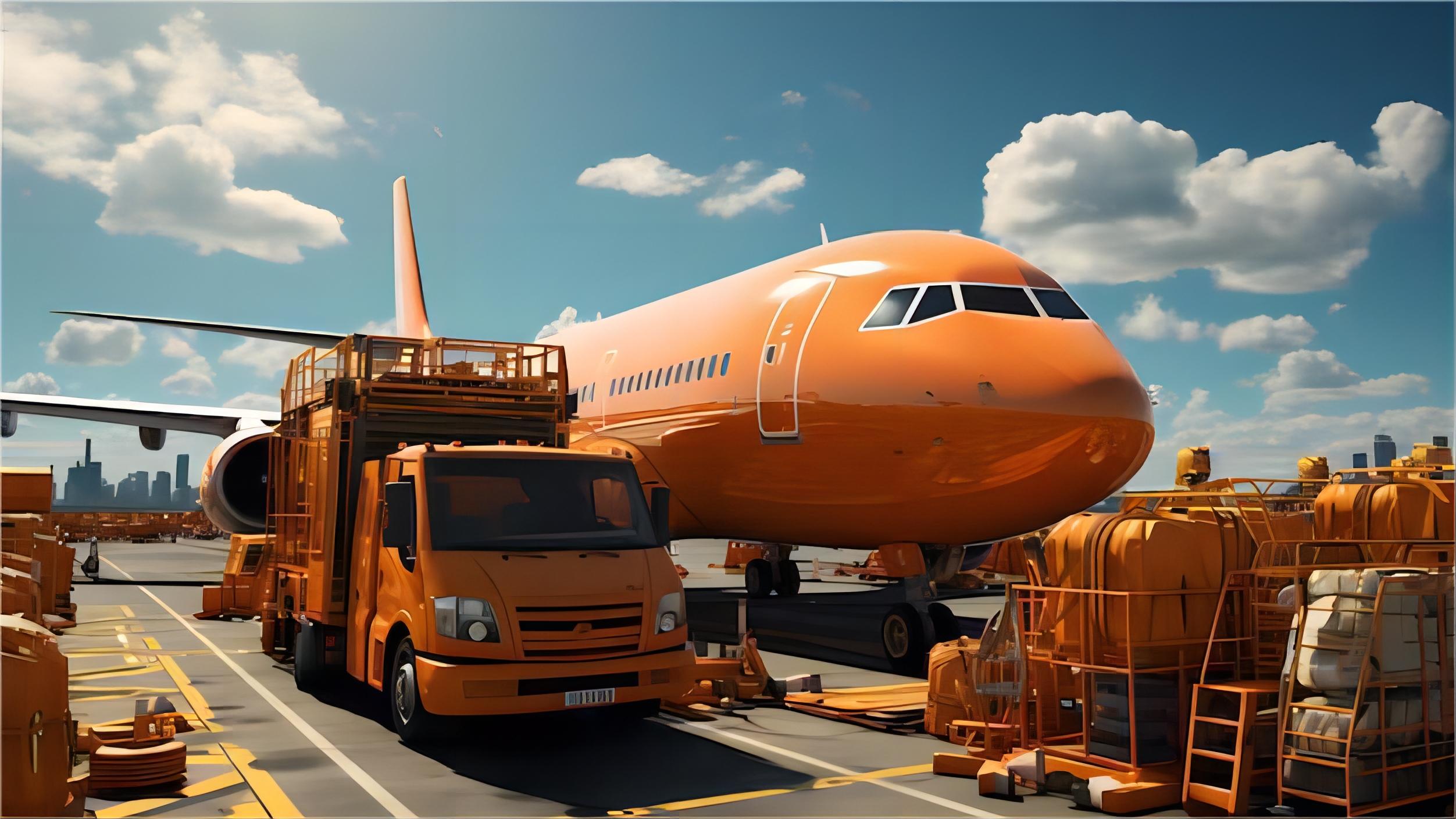
Open Top FCL Booking Process for Electronics from China to Texas
Shipping oversized or heavy electronics from China to Texas requires specialized logistics. Understanding the Open Top Full Container Load (FCL) booking process is therefore crucial for seamless imports. This guide from Top China Freight offers comprehensive insights into this intricate journey. We aim to simplify the complexities, ensuring your valuable cargo arrives safely and efficiently.

What is Open Top FCL and Why Use It for Electronics?
Open Top FCL refers to a full container load where the container has a removable tarpaulin roof instead of a solid one. This design allows for easier loading of cargo that is too tall to fit through a standard container door. Consequently, it is indispensable for certain types of electronics.
Many industrial electronics, such as large manufacturing equipment, server racks, or specialized medical devices, exceed standard container height limits. Furthermore, some delicate components require vertical loading with cranes. Therefore, Open Top FCL offers the necessary flexibility and protection for these unique items.
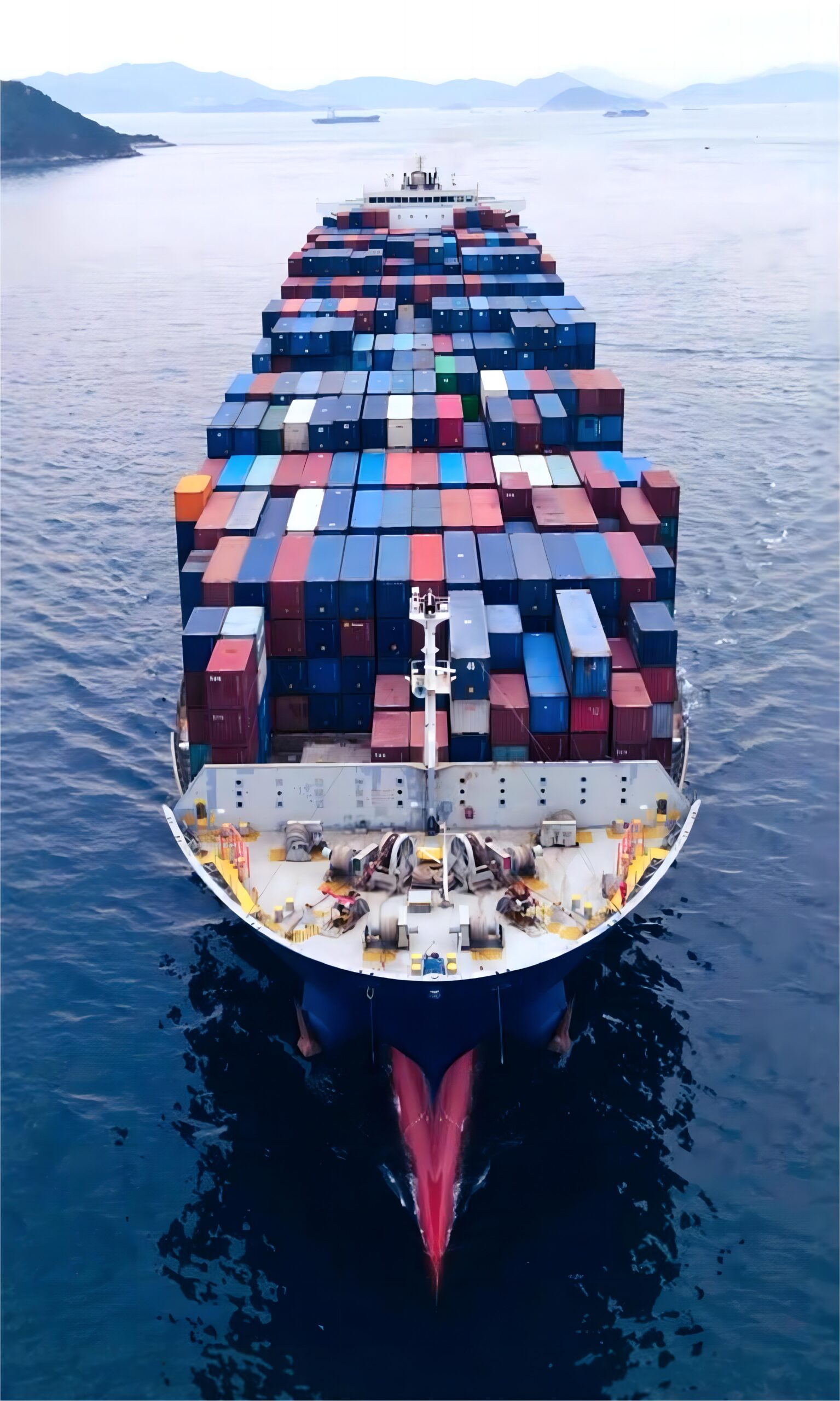
Choosing FCL, in general, provides dedicated space for your goods, minimizing handling and potential damage. For electronics, this is a significant advantage, ensuring greater security and control throughout the journey. Moreover, it is often more cost-effective for larger volumes.
The journey from China to Texas involves long transit times, making robust packaging and appropriate container choice paramount. Open Top FCL, specifically, ensures that your high-value electronics are transported securely, regardless of their dimensions. This specialized solution addresses critical challenges in international logistics.
The Open Top FCL Booking Process: Step-by-Step Guide
Booking an Open Top FCL shipment from China to Texas involves several critical stages. Initially, accurate cargo assessment is paramount. You must precisely measure the dimensions and weight of your electronics, including packaging, to determine the correct container size.
Subsequently, you will need to request a quote from a reliable freight forwarder. Provide detailed information about your cargo, origin (e.g., Shenzhen, Shanghai), and destination (e.g., Houston, Dallas). This enables the forwarder to provide an accurate estimate of costs and transit times.
Once you accept the quote, the booking confirmation process begins. This includes reserving the Open Top container and securing space on the vessel. Therefore, early booking is advisable, particularly during peak seasons, to avoid delays and higher rates.
Before loading, ensure all necessary documentation is prepared. This includes commercial invoices, packing lists, and certificates of origin. Proper documentation is vital for smooth customs clearance in both China and the USA.
Finally, coordinate the loading of your electronics at the origin port. Due to the container’s open top, specialized equipment like cranes will be required. After loading, the tarpaulin is secured, and the container is sealed, ready for its journey across the ocean.
Key Considerations for Shipping Electronics from China to Texas
Shipping electronics demands meticulous planning beyond just container selection. Firstly, robust packaging is non-negotiable. Electronics are sensitive to shock, vibration, and moisture, necessitating custom crating, anti-static materials, and desiccants. Indeed, proper packaging prevents transit damage.
Secondly, understanding customs regulations and duties is crucial for importing electronics into Texas. The Harmonized System (HS) codes for your specific electronics will determine applicable tariffs and import restrictions. Moreover, compliance with FCC regulations for electronic devices is often required.
Thirdly, cargo insurance is highly recommended for high-value electronics. While carriers offer limited liability, comprehensive insurance protects against unforeseen events like damage, loss, or theft. Therefore, investing in adequate coverage provides peace of mind.
Furthermore, choose your port of discharge wisely. Houston is a major port for Texas, offering excellent connectivity for onward ground transportation. However, consider inland depots like Dallas or Laredo for final delivery. This decision impacts both transit time and inland freight costs.
Finally, work with an experienced freight forwarder specializing in electronics and Open Top containers. Their expertise can navigate complex logistics, ensure compliance, and mitigate potential issues. This partnership is invaluable for a successful shipment.
Customs Clearance for Electronics in the USA
Importing electronics into the United States, especially to Texas, involves strict customs procedures. You must provide accurate documentation, including a commercial invoice, packing list, and bill of lading. Furthermore, specific declarations regarding product safety and origin may be required.
Electronics often fall under various government agency regulations beyond standard Customs and Border Protection (CBP). For instance, the Federal Communications Commission (FCC) regulates electronic devices that emit radio frequency energy. Therefore, ensuring your products meet FCC standards and have the necessary declarations is essential.
A licensed customs brokerage service is invaluable here. They can classify your goods correctly, calculate duties, and manage all necessary filings. This expertise helps prevent costly delays and penalties at the port of entry.
Moreover, understanding Free Trade Agreements (FTAs) like the USMCA can potentially reduce or eliminate duties on certain goods. However, demonstrating eligibility requires precise documentation and adherence to rules of origin. Consequently, seeking professional advice is always prudent.
How Does Open Top FCL Compare to Other Shipping Options?
When transporting electronics from China to Texas, various shipping methods exist, each with distinct advantages and disadvantages. Open Top FCL, while specialized, is just one piece of the logistics puzzle. Consequently, understanding alternatives is crucial for making informed decisions.
Standard FCL containers (20GP, 40GP, 40HQ) are the most common and cost-effective option for bulk goods. However, they are unsuitable for oversized electronics that exceed door height. Thus, standard FCL offers lower costs but lacks the necessary dimensional flexibility.
Less than Container Load (LCL) is ideal for smaller shipments that do not fill an entire container. While it offers flexibility for lower volumes, LCL involves more handling and longer transit times. For delicate electronics, the increased handling can pose a risk of damage.
Flat Rack containers are another specialized option for extremely oversized or irregularly shaped cargo, even wider than an Open Top. These containers have no side walls or roof, providing maximum flexibility. However, they typically incur higher costs and require more extensive securing. Therefore, Flat Racks are reserved for the most challenging dimensions.
Finally, air freight offers unparalleled speed for urgent or high-value electronics. While significantly faster, it comes at a substantially higher cost, often 5-10 times that of sea freight. Air freight is best suited for time-sensitive components or samples, not typically for full production runs of large equipment. Meanwhile, for standard FCL shipments, consider sea freight for cost-effectiveness.
| Shipping Method | Cost Range (China-Texas) | Transit Time (Days) | Best For | Limitations |
|---|---|---|---|---|
| Standard FCL (Sea) | $4,000-$6,000 (40HQ) | 30-38 | High volume, standard dimensions, cost-effective | Cannot accommodate oversized height |
| Open Top FCL (Sea) | $5,000-$7,500 (40HQ OT) | 30-38 | Oversized height, heavy electronics, vertical loading | Higher cost than standard FCL, weather exposure risk (with tarp) |
| LCL (Sea) | $80-$150/CBM | 35-45 | Small volume shipments, lower cost than FCL for small CBM | More handling, longer transit, higher damage risk for electronics |
| Flat Rack (Sea) | $6,000-$9,000+ | 30-38 | Extreme oversized/irregular cargo (width, height) | Significantly higher cost, requires specialized securing |
| Air Freight | $5-$10/kg (varies) | 5-10 | Urgent, high-value, samples, small volume | Very high cost, limited by weight/volume, fuel surcharges |
Which Option Should You Choose?
Choosing the right shipping method depends on your specific priorities. If budget is your primary concern and your electronics fit standard dimensions, regular FCL sea freight is usually the most economical. For smaller volumes, LCL might be considered, despite its drawbacks.
However, if speed is paramount for critical components or urgent market entry, air freight is the clear winner. This option sacrifices cost for rapid delivery. For oversized or exceptionally heavy electronics that fit within the Open Top’s height, Open Top FCL offers the best balance of cost and specialized handling.
Cargo type considerations also play a significant role. Highly fragile or extremely sensitive electronics benefit from dedicated FCL space, whether standard or Open Top. Conversely, robust, non-fragile items might tolerate LCL handling. Furthermore, for extremely large items that exceed even Open Top dimensions, flat racks become necessary, albeit at a premium.
Consider hybrid solutions for specific needs. For instance, shipping most components via Open Top FCL, while air freighting a few critical, time-sensitive parts. This strategy balances cost and speed effectively. Overall, a detailed assessment of your cargo and timeline is essential.
Real-World Case Studies: Open Top FCL for Electronics to Texas
Examining actual shipments provides valuable context for the Open Top FCL booking process for electronics from China to Texas. These examples highlight the practical application of specialized logistics. They also demonstrate the critical factors influencing cost and transit time. Based on Q1 2025 market rates, these scenarios offer realistic insights.
Case Study 1: Large Server Racks for Data Center
| Detail | Description |
|---|---|
| Route | Shenzhen, China -> Houston, Texas, USA |
| Cargo | Disassembled server racks and cooling units, 65 CBM, 18,000 kg |
| Container | 2 x 40′ Open Top (40’OT) |
| Shipping Details | Carrier: COSCO, Port of Loading: Yantian, Port of Discharge: Houston, Route Type: Direct |
| Cost Breakdown | Ocean Freight: $10,500, Origin Charges: $1,200, Destination Charges: $950, Customs & Duties (estimated): $2,800, Total Landed Cost: $15,450 |
| Timeline | Booking to Loading: 7 days, Sea Transit: 32 days, Customs Clearance: 3 days, Total Door-to-Door: 45 days |
| Key Insight | Open Top was essential due to the height of the pre-assembled server rack frames. Direct route minimized transshipment risks for delicate equipment. |
Case Study 2: Industrial Manufacturing Control Panels
| Detail | Description |
|---|---|
| Route | Ningbo, China -> Dallas, Texas, USA (via Houston) |
| Cargo | Large industrial control panels and robotic arms, 50 CBM, 15,000 kg |
| Container | 1 x 40′ Open Top (40’OT) |
| Shipping Details | Carrier: MSC, Port of Loading: Ningbo, Port of Discharge: Houston, Route Type: Transshipment via Busan, Inland: Rail to Dallas |
| Cost Breakdown | Ocean Freight: $6,800, Origin Charges: $900, Destination Charges: $800, Inland Freight (Houston-Dallas): $1,500, Customs & Duties (estimated): $2,100, Total Landed Cost: $12,100 |
| Timeline | Booking to Loading: 10 days, Sea Transit: 38 days, Customs Clearance: 2 days, Inland Transit: 4 days, Total Door-to-Door: 54 days |
| Key Insight | Using a transshipment route offered cost savings, balanced against a slightly longer transit. Rail for inland transport was efficient for final delivery to Dallas. |
Case Study 3: Specialized Medical Imaging Device
| Detail | Description |
|---|---|
| Route | Shanghai, China -> San Antonio, Texas, USA (via Houston) |
| Cargo | High-precision medical imaging device, 30 CBM, 9,000 kg |
| Container | 1 x 20′ Open Top (20’OT) |
| Shipping Details | Carrier: Maersk, Port of Loading: Shanghai, Port of Discharge: Houston, Route Type: Direct, Inland: Truck to San Antonio |
| Cost Breakdown | Ocean Freight: $4,500, Origin Charges: $750, Destination Charges: $600, Inland Freight (Houston-San Antonio): $900, Customs & Duties (estimated): $1,800, Total Landed Cost: $8,550 |
| Timeline | Booking to Loading: 8 days, Sea Transit: 35 days, Customs Clearance: 3 days, Inland Transit: 1 day, Total Door-to-Door: 47 days |
| Key Insight | Despite being a 20’OT, the specialized nature of the cargo required careful handling and a direct route. Trucking for inland ensured faster final delivery compared to rail for this particular consignee. |
Market Insights and Cost Factors for Open Top FCL
Freight rates for Open Top FCL from China to Texas are influenced by numerous dynamic market factors. As of Q1 2025, rates have generally stabilized after recent global disruptions, however, they remain susceptible to fluctuations. Consequently, understanding these factors is crucial for budget planning.
Seasonal demand plays a significant role in pricing. Rates typically increase during peak seasons, such as before Chinese New Year and in the Q3-Q4 period leading up to holiday sales. During these times, container availability can also become limited. Therefore, booking well in advance is highly recommended.
Fuel surcharges (Bunker Adjustment Factor – BAF) are another variable cost component. These surcharges fluctuate with global oil prices, directly impacting the overall ocean freight cost. Similarly, Currency Adjustment Factors (CAF) may apply based on exchange rate volatility.
Furthermore, port congestion in either China or Texas can lead to demurrage and detention charges, increasing your total shipping expenses. Choosing less congested ports or flexible delivery schedules can mitigate these risks. This is why a strategic logistics partner is so important.
The specific type of electronics and their value also affect insurance premiums and potential customs duties. High-value, sensitive items generally incur higher insurance costs. Always factor in these additional expenses when calculating your total landed cost for shipping to Texas.
Optimizing Your Open Top FCL Shipment for Cost Savings
To optimize your Open Top FCL shipment, several strategies can be employed. Firstly, consolidate your cargo whenever possible. Maximizing container utilization reduces per-unit shipping costs. This is particularly effective for multiple smaller oversized items.
Secondly, consider flexible shipping dates. Avoiding peak seasons can result in significantly lower freight rates and better service availability. If your supply chain allows, aim for off-peak departures.
Thirdly, engage in long-term contracts with freight forwarders if you have consistent shipping volumes. These contracts can often secure more favorable rates and stable capacity. This approach builds a reliable shipping partnership.
Additionally, explore options for pre-clearance with customs. This can expedite the release of your electronics upon arrival in Texas, minimizing storage costs at the port. A proactive approach to customs documentation pays dividends.
Finally, regularly review and compare quotes from multiple reputable carriers and forwarders. Market rates change, and staying informed ensures you are always getting competitive pricing. However, prioritize reliability and service quality alongside cost for valuable electronics.
Navigating Open Top FCL for Electronics to Texas with Confidence
The Open Top FCL booking process for electronics from China to Texas, while complex, is entirely manageable with the right expertise. From understanding the nuances of specialized containers to navigating customs and market fluctuations, every step requires careful attention. By prioritizing accurate planning, robust packaging, and strategic partnerships, you can ensure a successful and efficient supply chain.
Indeed, choosing the appropriate shipping method and optimizing your logistics strategy are paramount for high-value electronics. With a clear understanding of the process and the support of experienced professionals, importing your specialized electronics into Texas can be a seamless endeavor. We are here to support your import needs.
Start Your Shipment
Ready to streamline your Open Top FCL booking process for electronics from China to Texas? Contact Top China Freight today for a personalized quote and expert guidance. Our team is prepared to handle your specialized cargo with precision and care.