
Optimizing Space Availability for FCL Shipping from China to Los Angeles
Navigating the complexities of international logistics, particularly securing reliable space availability for FCL shipping from China to Los Angeles, is a critical concern for many businesses. Consequently, understanding market dynamics and strategic planning can significantly impact your supply chain efficiency and profitability. This comprehensive guide, therefore, aims to demystify the process and offer actionable insights for importers.
✦
What is FCL Shipping and Why Choose it for China to Los Angeles?
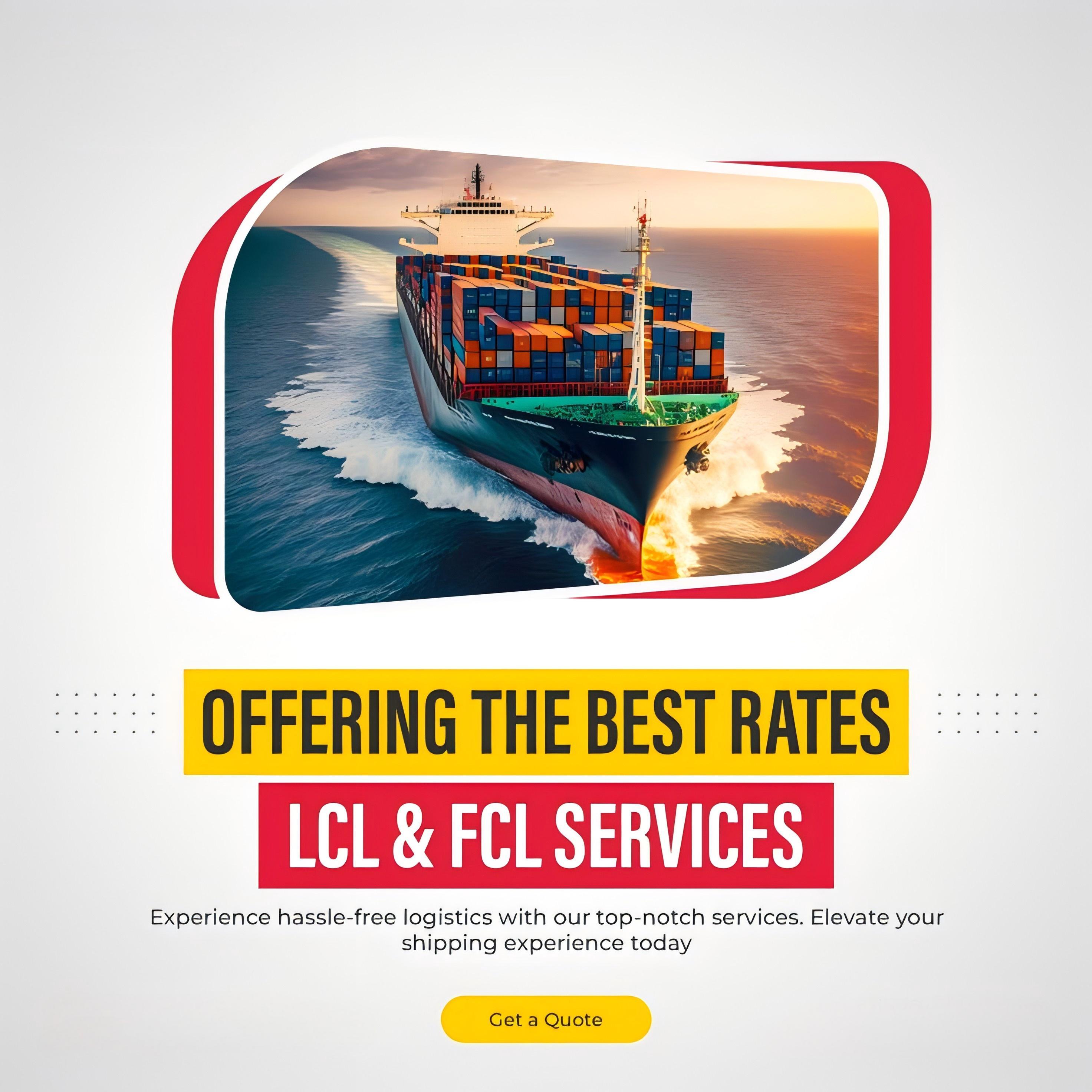
FCL, or Full Container Load, means your goods occupy an entire shipping container, typically 20-foot or 40-foot. Moreover, this method offers exclusive use of the container, significantly reducing handling and potential damage during transit. Therefore, it is the preferred choice for large volume shipments and cargo requiring enhanced security.
For routes like China to Los Angeles, FCL shipping is often the most cost-effective solution for substantial cargo. Furthermore, it generally provides faster transit times compared to LCL (Less than Container Load) because there are no consolidation or deconsolidation delays at intermediate ports. Consequently, businesses prioritizing efficiency, security, and predictable delivery schedules frequently opt for FCL services.
Current Market Dynamics Affecting FCL Space Availability
The current freight market for FCL shipping from China to Los Angeles is highly dynamic, influenced by various global and regional factors. For instance, vessel capacity and port congestion at both origin and destination play significant roles in determining available space. Additionally, unforeseen events like geopolitical tensions, labor disputes, or natural disasters can rapidly shift market conditions and impact container availability China to US.
Consequently, securing optimal sea freight space requires vigilance and proactive planning. Peak seasons, particularly before major holidays like Chinese New Year or the year-end shopping rush, invariably lead to increased demand and tighter space. Therefore, understanding these freight market trends China to US is crucial for effective logistics management and avoiding unexpected delays.
Moreover, factors such as blank sailings by carriers, equipment shortages, and fluctuating fuel prices constantly reshape the landscape of space availability for FCL shipping from China to Los Angeles. Businesses must therefore stay informed about these market shifts to make timely and strategic booking decisions, thereby mitigating potential supply chain disruptions.
Key Factors Influencing FCL Shipping Costs and Transit Times
Several elements contribute to the overall shipping costs and duration of your FCL shipment from China to Los Angeles. Primarily, ocean freight rates fluctuate based on supply and demand, fuel surcharges (BAF), currency adjustment factors (CAF), and carrier pricing strategies. Moreover, general rate increases (GRI) and peak season surcharges (PSS) are common during high-demand periods.
Additionally, origin and destination charges, such as terminal handling fees (THC), documentation fees, and customs clearance charges, also add to the total expense. Furthermore, pre-carriage from the factory to the port in China and on-carriage from Los Angeles to the final destination in the US are significant cost components. Therefore, a comprehensive understanding of these charges is essential for accurate budgeting.
Transit times are similarly affected by carrier routes, potential transshipment points, and port congestion at both ends. For example, a direct service from Shanghai to Los Angeles will naturally be faster than a route involving a stopover. Furthermore, efficient customs processing and prompt inland transportation contribute significantly to the overall delivery schedule, making it vital to plan for all stages of the journey.
| Container Type | Ocean Freight (Est. as of Q1 2025) | Transit Time | Best For |
|---|---|---|---|
| 20GP | $1,500 – $2,200 | 14-18 days | Smaller, dense cargo volumes |
| 40GP | $2,500 – $3,500 | 14-18 days | Standard volume goods, balanced cargo |
| 40HQ | $2,800 – $3,800 | 14-18 days | Large volume, lighter goods, maximum capacity |

Strategies for Securing Optimal Space Availability for FCL Shipping from China to Los Angeles
Proactive planning is paramount to ensuring reliable door to door space availability for FCL shipping from China to Los Angeles. Booking your containers well in advance of your desired shipping date is a primary strategy, especially during peak seasons. Consequently, this early commitment can help secure better FCL rates China to LA and guaranteed slots, mitigating last-minute stress.
Furthermore, maintaining flexibility with your shipping dates can also be highly beneficial. On the other hand, being open to slightly earlier or later departures might unlock more favorable options, particularly when specific vessel capacity is limited. This flexibility can often translate into cost savings and improved reliability for your shipment.
Collaborating closely with a knowledgeable freight forwarder, who has strong carrier relationships and real-time market insights, is invaluable for navigating these complex booking dynamics. They can assist in managing FCL capacity effectively, advising on optimal booking times, and even suggesting alternative routes or carriers if primary options are constrained. This partnership is key to reliable logistics.
Navigating Customs and Documentation for China to Los Angeles FCL Shipments
Efficient customs clearance is a crucial component of a smooth FCL shipping process from China to Los Angeles. Therefore, accurate and complete documentation is absolutely essential to avoid delays, penalties, and potential cargo seizures. Key documents include the Commercial Invoice, Packing List, Bill of Lading, and any necessary permits or certificates specific to your product type.
Moreover, understanding both Chinese export regulations and US import regulations FCL China is vital for compliance. The Importer Security Filing (ISF), for example, must be submitted to US Customs and Border Protection at least 24 hours before the cargo is loaded onto the vessel in China. Failure to comply can result in significant fines and delays, impacting your delivery schedule.
Engaging with a professional customs brokerage service can streamline this complex process. Consequently, they ensure compliance with all regulatory requirements, minimize risks associated with customs clearance China US, and expedite your cargo’s entry into the US, preventing costly hold-ups at the port. Their expertise is invaluable for a seamless import experience.
Case Study 1: High-Volume Consumer Goods Import
Optimizing Transit for Seasonal Demand
This case highlights how proactive planning and carrier selection ensured timely delivery for a critical seasonal shipment. Despite the challenges of peak season FCL rates China LA, early booking helped secure necessary space and maintain competitive costs.
| Detail | Description |
|---|---|
| Route | Shenzhen, China Los Angeles, USA |
| Cargo | Consumer Electronics (headphones, chargers), 60 CBM, 15,000 kg |
| Container | 2x 40HQ |
| Shipping Details | Carrier: COSCO, Port of Loading: Yantian, Port of Discharge: Los Angeles, Route Type: Direct |
| Cost Breakdown | Ocean Freight: $5,600 (2x 40HQ), Origin Charges: $600, Destination Charges: $500, Customs & Duties (estimated): $700, Total Landed Cost: $7,400 |
| Timeline | Booking to Loading: 7 days, Sea Transit: 15 days, Customs Clearance: 2 days, Total Door-to-Door: 24 days |
| Key Insight | Early booking during Q3 2024 peak season secured competitive rates and guaranteed Amazon FBA delivery slots, crucial for holiday sales. |
Case Study 2: Industrial Components for Manufacturing
Ensuring Supply Chain Continuity
This example demonstrates the importance of a reliable freight forwarder in maintaining critical supply chains. Their expertise was vital in navigating market volatility and securing consistent container availability China to US for essential manufacturing components.
| Detail | Description |
|---|---|
| Route | Ningbo, China Long Beach, USA |
| Cargo | Precision Machinery Parts, 28 CBM, 7,000 kg |
| Container | 1x 40GP |
| Shipping Details | Carrier: Maersk, Port of Loading: Ningbo, Port of Discharge: Long Beach, Route Type: Direct |
| Cost Breakdown | Ocean Freight: $2,800, Origin Charges: $300, Destination Charges: $250, Customs & Duties (estimated): $400, Total Landed Cost: $3,750 |
| Timeline | Booking to Loading: 5 days, Sea Transit: 17 days, Customs Clearance: 3 days, Total Door-to-Door: 25 days |
| Key Insight | Utilizing a freight forwarder with strong carrier relationships helped navigate tight shipping schedules and maintain a consistent supply of critical components, preventing production delays. |
How Does FCL Shipping Compare to Other Shipping Options?
While FCL is excellent for large volumes, other shipping methods exist for different needs and priorities. On the one hand, LCL (Less than Container Load) is suitable for smaller shipments that do not fill an entire container, offering a more budget-friendly option for lower volumes. Conversely, air freight offers significantly faster transit times but at a much higher cost, making it ideal for urgent or high-value cargo.
For the China to Los Angeles route, direct rail freight isn’t an option across the Pacific, but it can be used for efficient inland distribution within the US after sea arrival. Therefore, understanding these alternatives helps in making informed decisions about your logistics strategy and optimizing your supply chain. Moreover, hybrid solutions like sea-air combinations are sometimes utilized for a balance of speed and cost, particularly for time-sensitive goods that are not extremely urgent.
| Shipping Method | Cost Range (40HQ equivalent) | Transit Time | Best For | Limitations |
|---|---|---|---|---|
| FCL Sea Freight | $2,800 – $3,800 | 14-18 days | Large volumes, cost-efficiency, security | Longer transit than air, requires full container |
| LCL Sea Freight | $3,500 – $5,000 (per 40HQ equivalent) | 20-30 days | Smaller shipments, budget-conscious | Slower, more handling, less secure, consolidation delays |
| Air Freight | $15,000 – $25,000 (per 40HQ equivalent) | 3-7 days | Urgent, high-value, small volume | Very high cost, limited cargo size/weight |

Which Option Should You Choose? A Decision Framework
Choosing the right shipping method hinges on several key priorities. If budget is your primary concern and you have a substantial volume, FCL sea freight is almost always the most economical choice. However, if speed is paramount, perhaps for time-sensitive products or urgent restocking, air freight becomes indispensable, despite its higher cost.
Consider your cargo type as well; fragile or high-value goods might benefit from the reduced handling and dedicated space of FCL. For smaller, non-urgent shipments typically under 15 CBM, LCL could be a viable alternative, though with longer transit times. Ultimately, a thorough assessment of cost, speed, cargo specifics, and the desired delivery schedule will guide your decision on the cheapest way to ship from China to LA or the fastest shipping China to US.
Partnering with a Reliable Freight Forwarder for FCL Shipping from China to Los Angeles
Navigating the complexities of international shipping, especially managing North America routes, requires significant expertise and a robust network. A seasoned freight forwarder brings invaluable market insights, strong carrier relationships, and a deep understanding of logistics trends. Furthermore, they can help you anticipate challenges like port congestion Los Angeles or sudden rate changes, providing proactive solutions.
Consequently, a good freight partner can optimize your supply chain, negotiate better FCL rates China to LA, and ensure smooth customs processes. They are instrumental in securing consistent space availability for FCL shipping from China to Los Angeles, even during challenging market conditions. This partnership minimizes risks and maximizes efficiency for your import operations.
Therefore, choosing the right partner is a strategic business decision that can significantly impact your bottom line and operational continuity. A reliable freight forwarder acts as an extension of your team, providing expert guidance and handling the intricate details of international logistics, allowing you to focus on your core business.
Conclusion: Mastering FCL Shipping from China to Los Angeles
In summary, securing reliable space availability for FCL shipping from China to Los Angeles requires a blend of strategic planning, acute market awareness, and strong logistical partnerships. By understanding current market dynamics, employing effective booking strategies, and working with experienced professionals, businesses can ensure efficient and cost-effective cargo movement across the Pacific.
Ultimately, proactive management of your supply chain, combined with expert guidance, is key to successful FCL shipping from China to Los Angeles. This approach helps to mitigate risks, optimize costs, and maintain a consistent flow of goods to meet market demand.