
40GP FCL Shipping from China to Netherlands: Your Complete Guide
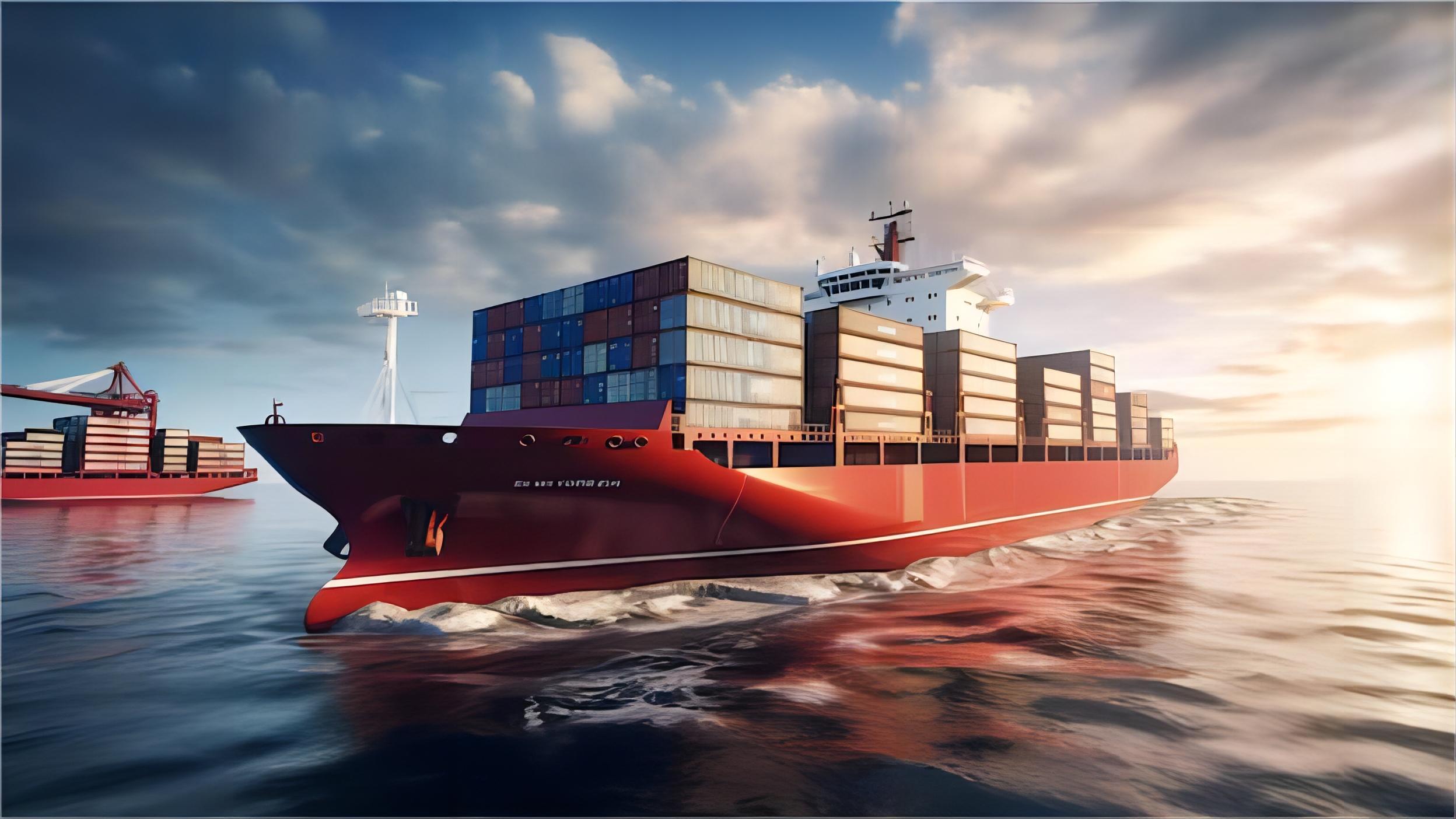
Navigating the complexities of international freight can be challenging, especially when dealing with large volumes. If you are considering Top China Freight for 40GP FCL shipping from China to Netherlands, understanding the intricate process is crucial for success. This comprehensive guide will demystify the logistics, helping you secure efficient and cost-effective solutions for your cargo. We will cover everything from freight rates and transit times to customs procedures and optimal route planning.
✦
What is 40GP FCL Shipping and Why Choose It?
A 40GP container, or 40-foot General Purpose container, is a standard shipping unit widely used for international trade. Measuring approximately 40 feet long, 8 feet wide, and 8.5 feet high, it offers substantial capacity for various types of goods. Consequently, it is an ideal choice for businesses with significant volumes.
FCL stands for Full Container Load, meaning your goods occupy the entire container. This method provides exclusive use of the container, thereby reducing handling risks and transit times compared to Less than Container Load (LCL) shipments. Therefore, for large or sensitive consignments, FCL shipping from China to Netherlands offers distinct advantages in terms of security and efficiency.
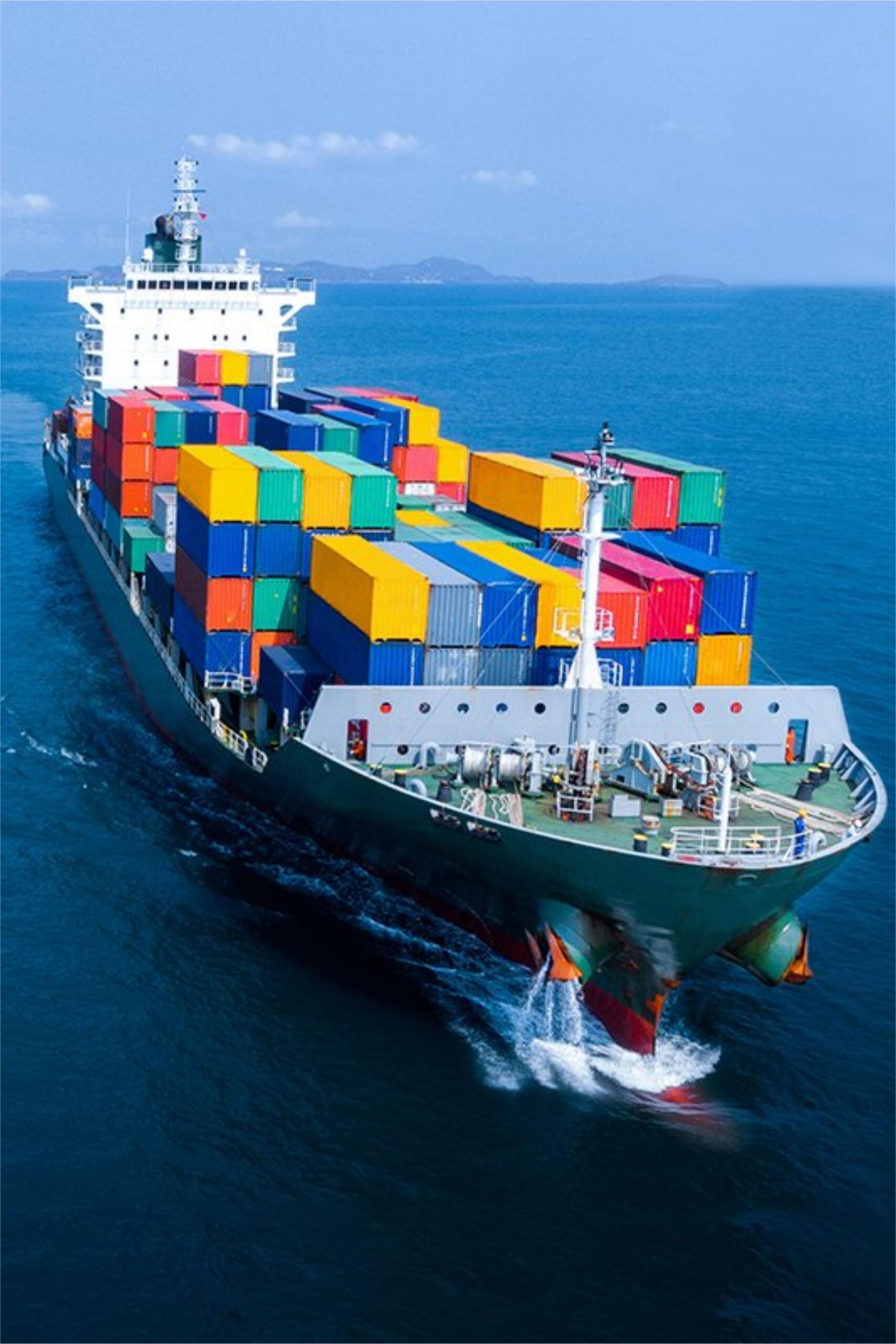
Furthermore, choosing FCL shipping often results in lower per-unit costs when you have enough cargo to fill the container. This makes it a cost-effective solution for bulk orders or large-scale inventory transfers. Ultimately, it streamlines your supply chain logistics, ensuring a smoother journey for your products across continents.
| Container Type | External Dimensions (L x W x H) | Internal Dimensions (L x W x H) | Capacity (CBM) | Max Weight (kg) |
|---|---|---|---|---|
| 20GP Standard | 6.06 x 2.44 x 2.59 m | 5.90 x 2.35 x 2.39 m | 33.2 CBM | 28,000 kg |
| 40GP Standard | 12.19 x 2.44 x 2.59 m | 12.03 x 2.35 x 2.39 m | 67.7 CBM | 28,800 kg |
| 40HQ High Cube | 12.19 x 2.44 x 2.89 m | 12.03 x 2.35 x 2.69 m | 76.3 CBM | 28,800 kg |
Key Considerations for 40GP FCL Shipping from China to Netherlands
Planning a shipment from China to Europe requires careful attention to several factors. Primarily, understanding the main ports of loading in China and discharge in the Netherlands is essential. Major Chinese ports include Shanghai, Ningbo, Shenzhen, and Qingdao, offering extensive global connections.
Conversely, the Port of Rotterdam is the primary gateway to the Netherlands and indeed much of Europe. This strategic location ensures efficient distribution throughout the region. Moreover, selecting the right port pair can significantly impact transit time and overall cost.
Additionally, transit times for 40GP FCL shipping from China to Netherlands typically range from 28 to 35 days for direct services. However, transshipment routes via hubs like Singapore or Port Klang might extend this by several days but could offer cost savings. Always verify the latest schedules and potential delays with your freight forwarder.
Understanding 40GP FCL Shipping Costs and Freight Rates
Determining the total cost of your 40GP FCL shipment involves more than just the ocean freight rate. Several components contribute to the final landed cost, making a detailed breakdown crucial. Therefore, businesses must account for all potential charges to avoid unexpected expenses.
Ocean freight for a 40GP container from China to the Netherlands typically ranges from $2,800 to $3,800, based on current market rates as of early 2025. This figure fluctuates significantly due to global events, fuel surcharges (BAF), currency adjustment factors (CAF), and carrier capacity. Indeed, peak seasons often see rates increase by 15-25% from August to October.
Moreover, additional charges include origin charges (THC, documentation fees, customs clearance in China), destination charges (THC, drayage from port to warehouse, customs clearance in the Netherlands), and insurance. For instance, drayage in the Netherlands can vary based on the final delivery location. Always obtain a comprehensive quote to understand all cost components for your sea freight.
| Cost Component | Description | Typical Range (USD) |
|---|---|---|
| Ocean Freight | Base cost for container transport | $2,800 – $3,800 (40GP) |
| Origin Charges | Terminal handling, documentation, customs in China | $300 – $600 |
| Destination Charges | Terminal handling, drayage, customs in Netherlands | $500 – $1,000 |
| Customs Duties & Taxes | Import taxes based on cargo value and HS code | Varies (e.g., 0-17% + VAT) |
| Cargo Insurance | Protection against loss or damage | 0.3% – 0.5% of cargo value |

Customs Clearance and Essential Documentation for Netherlands Imports
Successful import into the Netherlands hinges on meticulous customs clearance procedures and accurate documentation. Consequently, overlooking any detail can lead to significant delays and penalties. Businesses must prepare all necessary paperwork well in advance of shipment arrival.
Key documents typically include the Commercial Invoice, Packing List, Bill of Lading (B/L), and Certificate of Origin. Furthermore, depending on the nature of your goods, additional licenses or permits may be required. For example, certain electronics or food products have specific import regulations within the EU.
Utilizing a reliable customs brokerage service is highly recommended to navigate these complexities. They can ensure compliance with Dutch and EU regulations, accurately calculate import duties and VAT, and expedite the clearance process. This service is invaluable for preventing costly hold-ups at the port of entry.
| Document | Purpose | Requirement |
|---|---|---|
| Commercial Invoice | Details of goods, value, seller/buyer | Mandatory |
| Packing List | Contents, weight, dimensions of packages | Mandatory |
| Bill of Lading (B/L) | Contract of carriage, title to goods | Mandatory |
| Certificate of Origin | Proof of country of manufacture | Often required for duty benefits |
| Customs Declaration (Entry Summary Declaration) | Formal declaration to customs | Mandatory (submitted by broker) |
| Import Licenses/Permits | For regulated goods (e.g., food, chemicals) | As required |
How Does 40GP FCL Shipping Compare to Other Options for Europe?
While 40GP FCL sea freight is often the most cost-effective solution for large shipments, it is not the only option. Understanding alternatives is crucial for optimizing your supply chain based on specific needs. Therefore, a comprehensive comparison helps businesses make informed decisions for their shipping from China to Europe.
For instance, air freight offers significantly faster transit times but at a much higher cost, suitable for urgent or high-value, low-volume goods. Rail freight, on the other hand, provides a middle ground in terms of speed and cost, offering a viable option for certain routes. However, rail services might have capacity limitations or different geographical coverage.
Moreover, hybrid solutions, such as sea-air combinations, can offer a balance, leveraging the cost-effectiveness of sea for the initial leg and speed of air for the final leg. Always evaluate your budget, urgency, and cargo type before committing to a method. This approach ensures your logistics strategy aligns with your business objectives.
| Shipping Method | Cost Range (40GP/Equivalent) | Transit Time (China to Netherlands) | Best For | Limitations |
|---|---|---|---|---|
| Sea Freight (FCL) | $2,800 – $3,800 | 28 – 35 days | Large volume, non-urgent, cost-sensitive cargo | Slowest transit, port congestion risk |
| Air Freight | $15,000 – $25,000 (for equivalent volume) | 5 – 7 days | Urgent, high-value, perishable, small volume cargo | Highest cost, limited by cargo size/weight |
| Rail Freight | $8,000 – $12,000 | 18 – 25 days | Medium urgency, mid-sized shipments, specific routes | Capacity limits, specific rail terminals, less flexible routes |
Optimizing Your 40GP FCL Shipments to the Netherlands
To maximize efficiency and cost-effectiveness for your 40GP FCL shipping from China to Netherlands, several strategies can be employed. Firstly, consolidate your orders to ensure the container is fully utilized. An under-filled container means paying for unused space, which increases your per-unit shipping costs.
Secondly, strategic planning of your delivery schedule is paramount. Avoid peak seasons where possible, as rates tend to surge and port congestion becomes more prevalent. Booking in advance can also secure better rates and ensure carrier capacity. Furthermore, consider flexible delivery options like door-to-door service for seamless logistics management.
Finally, partnering with an experienced freight forwarder is invaluable. They possess expertise in navigating complex routes, managing documentation, and negotiating favorable freight rates. They can also advise on optimal packaging, cargo handling, and provide solutions for specific needs, such as Amazon FBA shipments directly to fulfillment centers.
Real-World Case Studies: China to Netherlands FCL Successes
Examining real-world scenarios provides practical insights into the complexities and successful execution of 40GP FCL shipments. These examples highlight typical challenges and effective solutions in the China to Netherlands trade lane. Therefore, understanding these cases can help businesses better prepare for their own logistics operations.
Case Study 1: Large Volume Retail Goods to Rotterdam
This case illustrates a typical shipment for a retail importer managing seasonal inventory. The goal was to transport a large quantity of consumer electronics efficiently and cost-effectively to their distribution center near Rotterdam. Based on Q3 2024 market rates, the client achieved significant savings compared to LCL.
| Detail | Description |
|---|---|
| Route | Shanghai, China -> Rotterdam, Netherlands |
| Cargo | Consumer electronics (small appliances), 65 CBM, 15,000 kg |
| Container | 40GP FCL |
| Shipping Details | Carrier: COSCO, Port of Loading: Shanghai, Port of Discharge: Rotterdam, Route Type: Direct |
| Cost Breakdown | Ocean Freight: $3,200; Origin Charges: $450; Destination Charges: $700; Customs & Duties (estimated): $2,500; Total Landed Cost: $6,850 |
| Timeline | Booking to Loading: 5 days; Sea Transit: 30 days; Customs Clearance: 2 days; Total Door-to-Door: 38 days |
| Key Insight | Early booking secured competitive rates during peak season prep. Efficient customs brokerage prevented delays. |
Case Study 2: Industrial Components to Eindhoven
A manufacturing company needed to import heavy industrial components for assembly in their Dutch facility. The challenge involved ensuring secure transport of delicate machinery. This shipment demonstrates robust cargo handling and precise scheduling, typical rates as of early 2025.
| Detail | Description |
|---|---|
| Route | Ningbo, China -> Rotterdam, Netherlands (final delivery Eindhoven) |
| Cargo | Industrial machinery parts, 60 CBM, 20,000 kg |
| Container | 40GP FCL |
| Shipping Details | Carrier: Maersk, Port of Loading: Ningbo, Port of Discharge: Rotterdam, Route Type: Direct |
| Cost Breakdown | Ocean Freight: $3,500; Origin Charges: $500; Destination Charges: $850; Customs & Duties (estimated): $3,000; Total Landed Cost: $7,850 |
| Timeline | Booking to Loading: 7 days; Sea Transit: 32 days; Customs Clearance: 3 days; Total Door-to-Door: 42 days (including drayage) |
| Key Insight | Specialized packing and drayage coordination were crucial for safe delivery to the inland factory. The door-to-door service simplified logistics. |
Case Study 3: Furniture Import for New Retail Store in Amsterdam
A new furniture retailer required several 40GP containers filled with custom-made furniture. The priority was reliable delivery to support their store opening timeline. This case highlights careful scheduling and carrier selection to meet tight deadlines, reflecting Q1 2025 market conditions.
| Detail | Description |
|---|---|
| Route | Shenzhen, China -> Rotterdam, Netherlands (final delivery Amsterdam) |
| Cargo | Wooden furniture, 68 CBM, 18,000 kg |
| Container | 40GP FCL |
| Shipping Details | Carrier: MSC, Port of Loading: Shenzhen, Port of Discharge: Rotterdam, Route Type: Direct |
| Cost Breakdown | Ocean Freight: $3,600; Origin Charges: $480; Destination Charges: $800; Customs & Duties (estimated): $2,800; Total Landed Cost: $7,680 |
| Timeline | Booking to Loading: 6 days; Sea Transit: 31 days; Customs Clearance: 2 days; Total Door-to-Door: 40 days |
| Key Insight | Close collaboration with the freight forwarder ensured timely booking and smooth customs, avoiding delays for the store launch. Cargo insurance provided peace of mind for fragile goods. |
Which Option Should You Choose for Your Shipments?
Deciding on the best shipping method for your cargo requires evaluating your specific business priorities. Different scenarios call for different logistical approaches. Consequently, a clear decision framework helps streamline this process.
If budget is your primary concern, and your cargo is non-urgent and voluminous, 40GP FCL sea freight is almost always the most economical choice. It offers the lowest per-unit cost for large quantities. However, prepare for longer transit times.
Conversely, if speed is paramount, perhaps for high-value goods or time-sensitive product launches, air freight is the superior option despite its higher cost. For a balance of speed and cost, and if your origin/destination allows, consider rail freight. Ultimately, the best choice aligns with your financial constraints, delivery schedule, and cargo type.
Navigating Market Trends and Seasonal Impacts on Freight Rates
The global shipping industry is dynamic, with freight rates and capacity constantly influenced by various market trends. As of Q1 2025, freight rates from China to Europe have seen some stabilization after the volatility caused by the Red Sea disruptions in 2024. However, geopolitical events can still introduce unpredictability.
Seasonal variations also play a significant role in pricing and availability. For example, rates typically increase by 15-25% during the August-October peak season, driven by holiday shopping demand and factory shutdowns for Chinese New Year. Planning your 40GP FCL shipping from China to Netherlands around these periods can lead to substantial cost savings.
Furthermore, factors like carrier capacity, fuel costs, and port congestion can impact your delivery schedule and overall logistics trends. Staying informed through your freight forwarder about these market dynamics is crucial for effective supply chain management. Always remember, freight rates are subject to change based on fuel costs, carrier capacity, and seasonal demand. Contact us for a current quote tailored to your specific shipment.
Conclusion: Your Partner for 40GP FCL Shipping Success
Successfully managing 40GP FCL shipping from China to Netherlands requires a deep understanding of logistics, customs, and market dynamics. By choosing FCL, you benefit from cost-efficiency and reduced handling risks for your large shipments. Moreover, careful planning and professional support are essential to navigate the complexities of international trade.
Ultimately, partnering with an experienced freight forwarder can transform potential challenges into seamless operations. They provide invaluable expertise in route optimization, documentation, and managing unforeseen issues. This ensures your cargo reaches its destination in the Netherlands efficiently and reliably.