
Open Top FCL Demurrage Prevention: China to Illinois Machinery
Shipping large or oversized machinery from China to Illinois presents unique logistical challenges, especially when utilizing Open Top FCL containers. Consequently, preventing demurrage charges is crucial for maintaining budget and schedule integrity. Understanding the intricacies of this specialized freight can significantly streamline your import process. Top China Freight offers comprehensive solutions for such complex shipments.
✦
Understanding Open Top FCL for Machinery Shipments
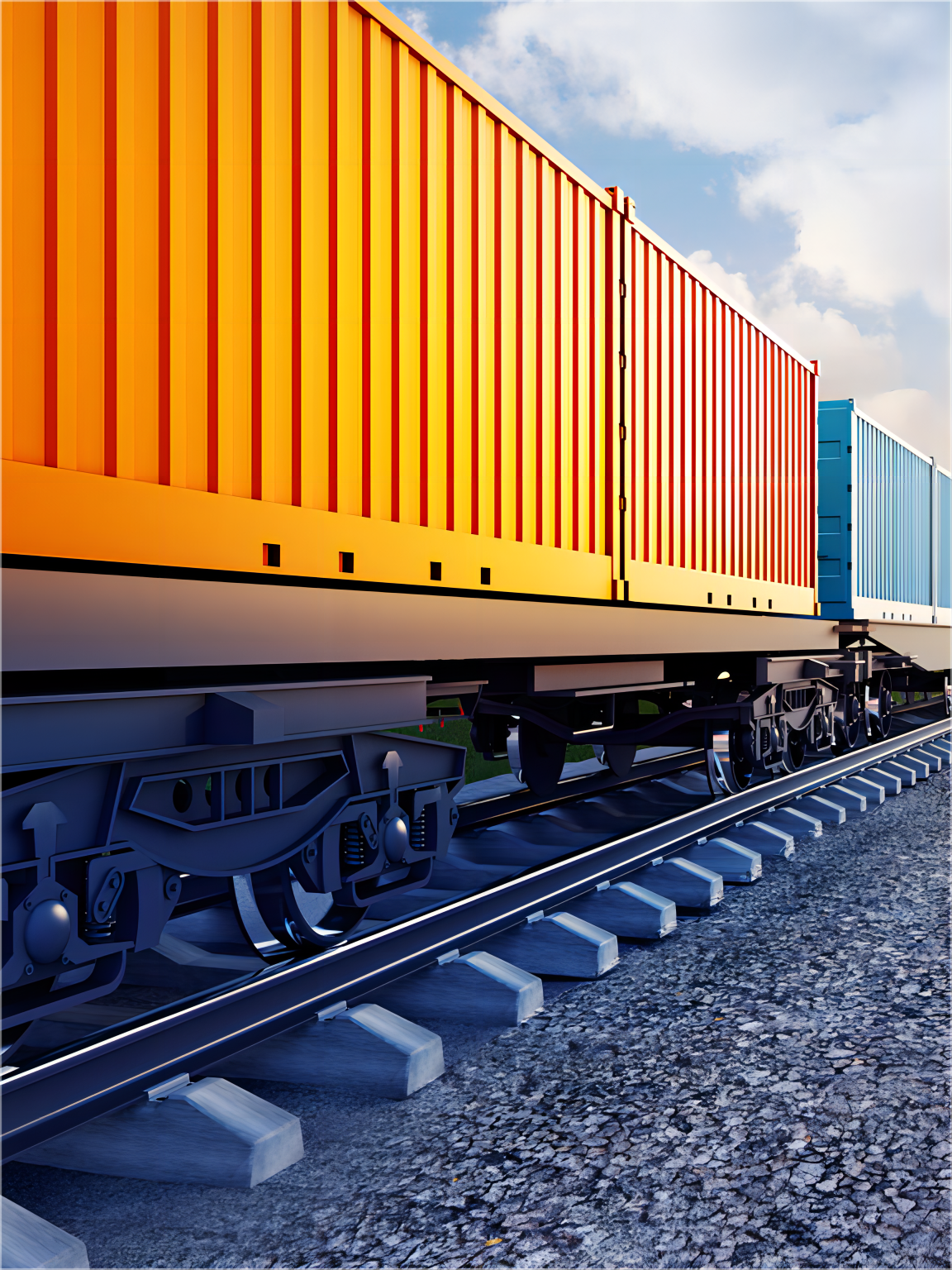
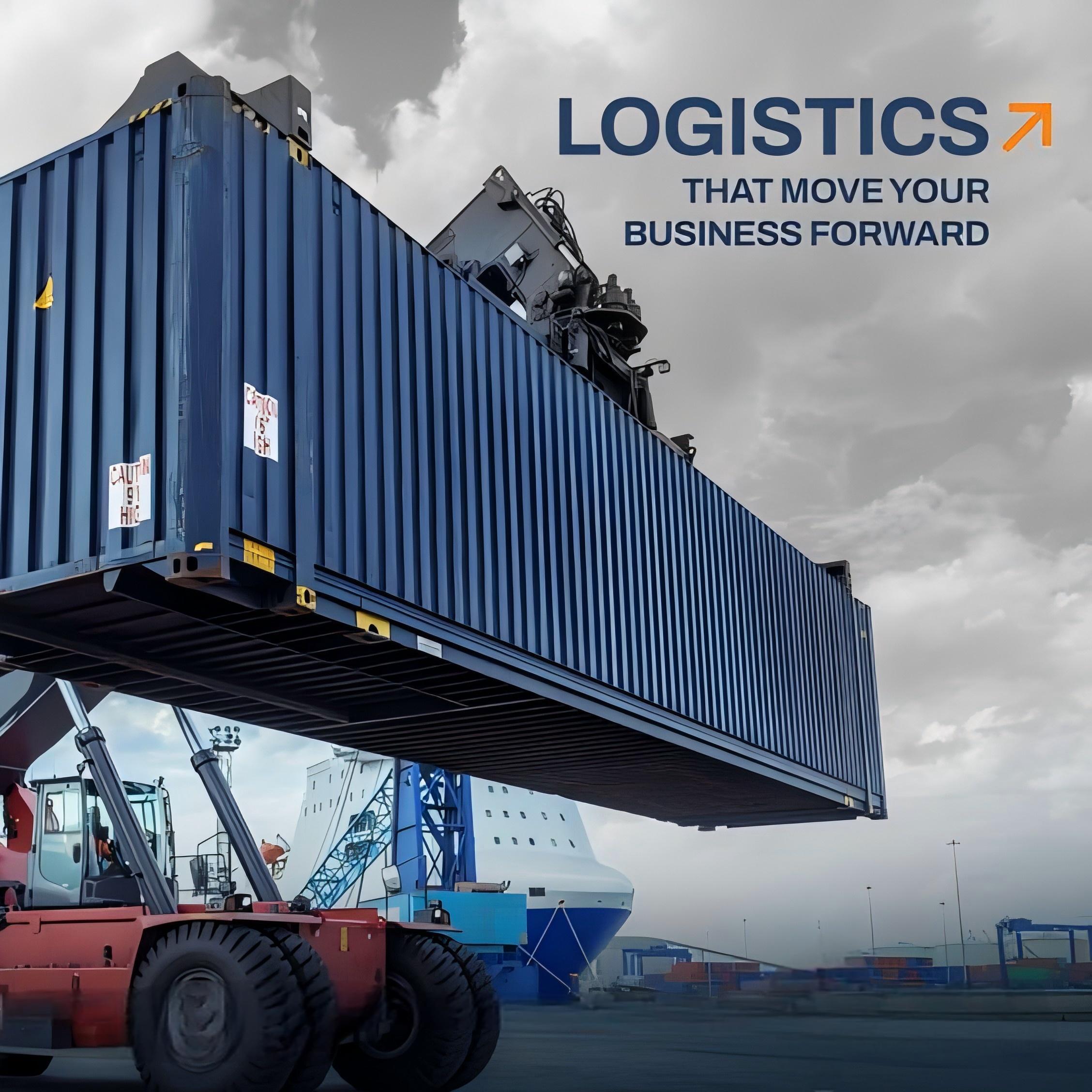
Open Top Full Container Load (FCL) containers are specifically designed for cargo that is too tall to fit through the door opening of a standard container. Therefore, these specialized containers feature a removable tarpaulin roof instead of a solid one. This design allows for easy loading of oversized machinery from the top, using cranes or other lifting equipment.
Furthermore, utilizing Open Top FCL is essential for safely transporting heavy equipment, industrial components, and other large items that require vertical loading. This method ensures secure transit while protecting the machinery from external elements. Consequently, proper planning is paramount to leverage its benefits fully.
What is Demurrage and Why is it Critical for Open Top FCL?
Demurrage refers to the charges levied by the shipping line when a container remains at the port terminal beyond the agreed-upon free time. This free time, typically 3-7 days, is allotted for cargo clearance and pickup after discharge. However, once this period expires, daily fees quickly accumulate, significantly increasing overall shipping costs.
Moreover, for Open Top FCL shipments of machinery from China to Illinois, demurrage prevention is particularly vital. Oversized cargo often requires specialized handling, which can extend port dwell times. Any delays in customs clearance, drayage arrangements, or destination facility readiness can lead to unexpected and substantial charges, directly impacting your bottom line.
Key Challenges for Shipping Machinery from China to Illinois
Shipping heavy equipment from China to the USA, particularly to Illinois, involves navigating several complex hurdles. Initially, long transit times across the Pacific Ocean necessitate meticulous planning. Additionally, the journey from the arrival port (e.g., Los Angeles, Long Beach) to Illinois involves significant inland transportation, often via rail or truck, adding layers of complexity.
Furthermore, stringent US customs clearance procedures for machinery imports require precise documentation and compliance. Port congestion, particularly at major West Coast ports, can cause unforeseen delays, exacerbating the risk of demurrage. Ultimately, effective supply chain optimization is crucial for managing these challenges and ensuring a smooth delivery schedule.
Proactive Strategies for Open Top FCL Demurrage Prevention
Effectively preventing Open Top FCL demurrage for machinery from China to Illinois requires a multi-faceted approach. Initially, choosing a reliable freight forwarder with extensive experience in sea freight and specialized cargo is fundamental. Such partners can provide invaluable insights into transit time and potential bottlenecks.
Moreover, ensuring all necessary customs documentation is accurate and submitted well in advance is paramount. In addition, maintain clear and constant communication with your supplier, carrier, and destination logistics team. This proactive engagement helps anticipate and mitigate potential issues before they escalate into costly delays. Consider pre-clearing your cargo whenever possible to expedite release upon arrival.
Another crucial strategy involves optimizing your destination logistics. Verify that your Illinois facility is fully prepared to receive and unload the machinery immediately upon arrival. This includes having the necessary equipment, personnel, and space. Furthermore, pre-arranging drayage services from the port to your final destination minimizes idle time at the terminal, thereby reducing the risk of incurring demurrage charges.
Optimizing Customs Clearance and Port Operations in Illinois
Streamlining the customs process for your machinery imports is a critical step in preventing demurrage. Engaging a professional customs brokerage service is highly recommended. These experts can ensure all tariffs, duties, and regulatory requirements are met, minimizing the likelihood of inspections or holds.
Upon container arrival at a US port, the efficiency of port operations directly impacts your delivery schedule. Therefore, understanding the port’s free time policies and typical turnaround times is essential. Working with a freight forwarder who has strong relationships with port authorities and drayage carriers can significantly expedite the movement of your Open Top FCL containers. This helps in avoiding costly delays and ensuring timely cargo handling.
How Does Open Top FCL Compare to Other Shipping Options?
Choosing the right shipping method for oversized machinery from China to Illinois involves weighing various factors, including shipping costs, transit time, and cargo handling requirements. While Open Top FCL is ideal for specific dimensions, other options might be suitable depending on the cargo’s characteristics and your budget.
For instance, air freight offers significantly faster transit times but at a much higher cost, typically reserved for urgent or high-value, lighter machinery. Conversely, break bulk or Flat Rack containers are alternatives for cargo exceeding even Open Top dimensions. Each method has distinct pros and cons that influence the overall logistics trends and freight rates.
| Shipping Method | Cost Range (China-Illinois) | Transit Time (Port-to-Port) | Best For | Limitations |
|---|---|---|---|---|
| Open Top FCL | $4,500 – $7,000 (40’OT) | 30-40 days | Tall, heavy machinery, vertical loading | Limited height, port congestion risk |
| Flat Rack FCL | $5,000 – $8,000 (40’FR) | 30-40 days | Extra wide/heavy cargo, non-stackable | Requires specialized handling equipment |
| Break Bulk | $8,000 – $15,000+ | 35-50 days | Extremely large/heavy items, project cargo | Longer transit, higher handling risk, less frequent |
| Air Freight | $15,000 – $30,000+ (for heavy items) | 5-7 days | Urgent, high-value, lighter machinery | High cost, weight/dimension restrictions |
Which Shipping Option Should You Choose for Your Machinery?
Selecting the optimal shipping solution for your machinery from China to Illinois depends heavily on your specific priorities. Therefore, consider these criteria carefully before making a decision. Your budget, urgency, and the nature of your cargo are primary determinants.
First, if budget is your top priority, Open Top FCL or Flat Rack containers via sea freight are generally the most cost-effective options, despite longer transit times. Second, for speed priority, air freight is unmatched, though at a premium. Third, cargo type considerations are crucial; Open Top FCL is specifically designed for tall machinery requiring crane loading, while Flat Racks accommodate wider or heavier items. Finally, volume thresholds for switching methods play a role; for instance, if your machinery is only slightly oversized, an Open Top might be perfect, but for truly massive project cargo, break bulk becomes necessary. Always seek expert advice for specialized cargo shipping.
Real-World Success: Preventing Demurrage on China-Illinois Routes
Navigating complex international logistics requires careful execution to avoid demurrage. These case studies highlight successful strategies for Open Top FCL demurrage prevention for machinery from China to Illinois. They demonstrate how meticulous planning and expert coordination can save significant costs and time.
Note: Freight rates are subject to change based on fuel costs, carrier capacity, and seasonal demand. Contact us for a current quote tailored to your specific shipment. Typical rates as of early 2025 are reflected below.
Case Study 1: Large CNC Machine to Chicago
This case involved a time-sensitive delivery of a specialized CNC machine, where demurrage would have severely impacted project timelines. Proactive communication and pre-arranged destination logistics were key.
| Detail | Description |
|---|---|
| Route | Shanghai, China to Chicago, Illinois, USA |
| Cargo | CNC Machine, 28 CBM, 18,500 kg (oversized height) |
| Container | 40′ Open Top FCL |
| Shipping Details | Carrier: COSCO, Port of Loading: Shanghai, Port of Discharge: Long Beach, Route Type: Transshipment via Busan |
| Cost Breakdown | Ocean Freight: $4,800, Origin Charges: $450, Destination Charges (Long Beach to Chicago rail/truck): $3,200, Customs & Duties (estimated): $1,500, Total Landed Cost: $9,950 |
| Timeline | Booking to Loading: 7 days, Sea Transit: 25 days, Customs Clearance: 3 days, Inland Transit: 7 days, Total Door-to-Door: 42 days |
| Key Insight | Early submission of import permits and pre-booking drayage to Chicago significantly reduced port dwell time at Long Beach, preventing demurrage. |
Case Study 2: Industrial Press to Peoria, Illinois
For this shipment, the client prioritized cost-effectiveness while needing robust demurrage prevention strategies. A comprehensive door-to-door service was instrumental.
| Detail | Description |
|---|---|
| Route | Ningbo, China to Peoria, Illinois, USA |
| Cargo | Hydraulic Press, 35 CBM, 22,000 kg (oversized height) |
| Container | 40′ Open Top FCL |
| Shipping Details | Carrier: MSC, Port of Loading: Ningbo, Port of Discharge: New York/New Jersey, Route Type: Direct to NY/NJ |
| Cost Breakdown | Ocean Freight: $5,500, Origin Charges: $500, Destination Charges (NY/NJ to Peoria truck): $3,800, Customs & Duties (estimated): $1,800, Total Landed Cost: $11,600 |
| Timeline | Booking to Loading: 10 days, Sea Transit: 35 days, Customs Clearance: 4 days, Inland Transit: 5 days, Total Door-to-Door: 54 days |
| Key Insight | Leveraging a direct ocean route to the East Coast reduced transshipment risks, and a pre-approved customs entry enabled immediate release upon port arrival, avoiding demurrage. |

Mastering Open Top FCL Demurrage Prevention
Ultimately, successfully navigating the complexities of shipping oversized machinery from China to Illinois, particularly with Open Top FCL containers, hinges on meticulous planning and proactive management. By understanding the causes of demurrage and implementing strategic prevention measures, businesses can significantly reduce their logistics costs and improve their supply chain efficiency. From expert customs brokerage to optimized port operations, every step contributes to a seamless shipping experience. Prioritizing Open Top FCL demurrage prevention is a smart investment for any machinery importer.