
40GP FCL Best Route for Electronics from China to Norway
Importing electronics from China to Norway demands careful planning to ensure efficiency and cost-effectiveness. Navigating international logistics, especially for sensitive cargo like electronics, requires understanding the optimal routes and processes. This guide explores the 40GP FCL best route for electronics from China to Norway, offering insights into transit times, costs, and regulatory compliance. For comprehensive shipping solutions, partner with Top China Freight.
Understanding 40GP FCL for Electronics Shipments
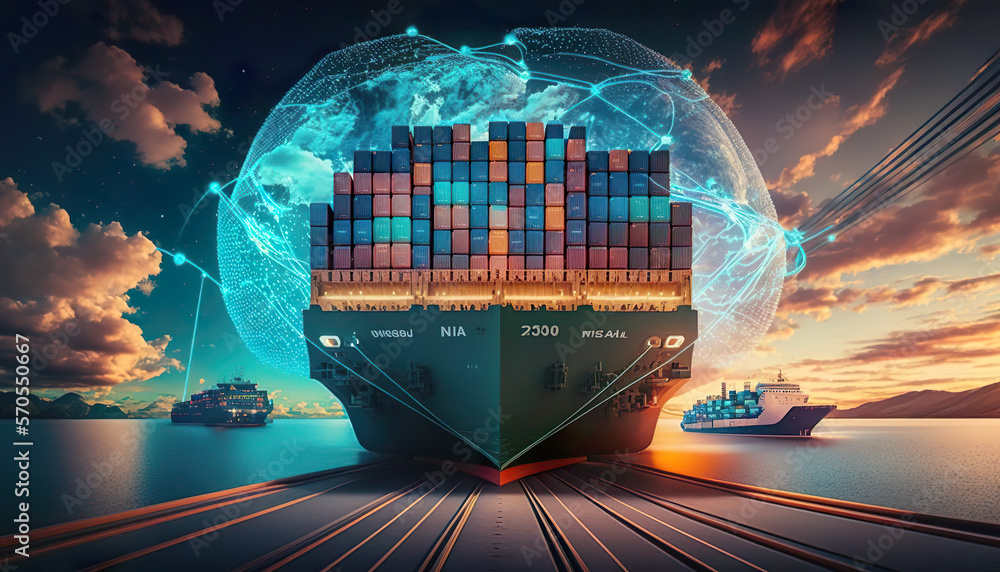
When shipping high-value or high-volume electronics, a 40GP (General Purpose) Full Container Load (FCL) offers significant advantages. Essentially, an FCL means your cargo occupies an entire container, providing dedicated space and enhanced security. This is particularly crucial for sensitive electronics, reducing the risk of damage or contamination from other goods.
Furthermore, utilizing a 40GP container allows for greater consistency in handling and a more streamlined sea freight process. The direct nature of FCL shipments means less handling at transshipment points, which can be vital for reducing potential transit damage. Therefore, for electronics, FCL often represents the most secure and efficient shipping method, offering peace of mind for importers.
Key Factors Influencing Your China to Norway Shipping Route
Choosing the ideal shipping route from China to Norway involves balancing several critical factors. Primarily, transit time is a major concern for electronics, especially those with short market cycles or high demand. Consequently, faster routes, even if slightly more expensive, can sometimes prove more economical in the long run.
Moreover, shipping costs are always a significant consideration, impacting the final landed cost of your products. Reliability and the frequency of vessel departures also play a crucial role in maintaining a consistent supply chain. Lastly, understanding Norwegian customs regulations and import duties is paramount to avoid delays and unexpected expenses. These elements collectively shape the optimal logistics strategy for your electronics import.
The Optimal Sea Freight Route: China to Norway for Electronics
The most common and cost-effective method for shipping 40GP FCL electronics from China to Norway is via sea freight. Major Chinese ports like Shanghai, Ningbo, and Shenzhen are key loading points, offering extensive global connections. These ports handle a vast volume of cargo, ensuring frequent sailings and competitive freight rates.
From China, vessels typically sail to major European hub ports such as Rotterdam in the Netherlands or Hamburg in Germany. From these hubs, feeder vessels then transport the containers to Norwegian ports like Oslo, Bergen, or Stavanger. While direct routes might exist, transshipment through a major European port is often more frequent and sometimes more cost-efficient, despite adding a few days to the overall transit time. This strategy ensures broad coverage and reliable delivery schedules for electronics importers.
How Does 40GP FCL Compare to Other Shipping Options?
Understanding alternative shipping methods is crucial for making informed decisions regarding your electronics cargo. While 40GP FCL sea freight is generally preferred for its balance of cost and capacity, other options might suit specific needs. For instance, air freight offers unparalleled speed for urgent shipments, though at a premium price point. Conversely, Less than Container Load (LCL) sea freight can be an option for smaller volumes, but it introduces more handling and potentially longer transit times. Rail freight, while viable for some parts of Europe, is less direct for Norway and usually involves multimodal solutions.
Ultimately, the choice depends on your priorities: speed, cost, cargo volume, and the urgency of delivery. This comparison helps illustrate the trade-offs involved in selecting the best transport mode for your electronics from China to Norway.
| Shipping Method | Cost Range (40GP equivalent) | Transit Time (China to Norway) | Best For | Limitations |
|---|---|---|---|---|
| 40GP FCL Sea Freight | $3,000 – $4,500 | 30-40 days | Large volume, cost-effective, secure electronics | Slower transit compared to air |
| LCL Sea Freight | $50 – $100 per CBM (for smaller volumes) | 35-50 days | Smaller electronics shipments (under 15 CBM) | More handling, longer transit, potential for damage |
| Air Freight | $15,000 – $25,000 (for similar volume) | 5-10 days | Urgent, high-value, time-sensitive electronics | Very high cost, limited capacity for extremely large volumes |
| Rail Freight (Multimodal) | $8,000 – $12,000 (to central Europe, then sea/road) | 20-25 days (to central Europe) | Specific landlocked European destinations, not direct for Norway | Requires further transport to Norway, less direct route |
Navigating Customs and Regulations for Electronics in Norway
Importing electronics into Norway requires strict adherence to customs regulations and compliance standards. Importers must be aware of duties, Value Added Tax (VAT), and specific product certifications. For example, electronics typically require CE marking, indicating conformity with European health, safety, and environmental protection standards. Furthermore, WEEE (Waste Electrical and Electronic Equipment) regulations also apply, necessitating proper disposal and recycling plans.
Proper documentation is key to smooth customs clearance and avoiding delays. This includes commercial invoices, packing lists, bills of lading, and certificates of origin. Engaging a professional customs brokerage service can significantly streamline this complex process, ensuring all paperwork is accurate and submitted correctly. Their expertise helps in calculating accurate import duties and navigating any specific requirements for electronic components or finished goods.
Cost-Saving Strategies and Considerations for Electronics Shipping
Minimizing shipping costs for your 40GP FCL electronics from China to Norway is achievable with strategic planning. Firstly, optimizing container loading by efficiently packing your goods can maximize space utilization and prevent unnecessary shipments. This directly impacts your overall freight rates. Additionally, planning shipments during off-peak seasons, typically outside of major holidays like Chinese New Year or the Q4 peak season, can often yield lower prices.
Moreover, negotiating favorable freight rates with carriers or freight forwarders is essential for long-term cost savings. Establishing a consistent shipping volume can provide leverage for better pricing agreements. Considering a door to door service package might also offer bundled savings and simplified logistics management, consolidating various charges into one transparent fee. Always request detailed quotes to understand all included costs.
Real-World Scenarios: Electronics Shipments to Norway
Examining practical examples can illustrate the complexities and successes of shipping electronics to Norway. These case studies highlight how different priorities, such as speed, cost, or specific cargo types, influence the chosen shipping strategy. Each scenario provides a realistic look at the logistics involved, from origin to final delivery.
Based on Q3 2024 market rates, these examples reflect typical challenges and solutions in the China-Norway trade lane for electronics. Note: Freight rates are subject to change based on fuel costs, carrier capacity, and seasonal demand. Contact us for a current quote tailored to your specific shipment.
Case Study 1: High-Value Consumer Electronics to Oslo
This case involved a time-sensitive shipment of new smartphone models, where market entry speed was critical. The client prioritized minimal transit time to capitalize on a product launch.
| Detail | Description | ||||
|---|---|---|---|---|---|
| Route | Shenzhen, China -> Oslo, Norway | ||||
| Cargo | Smartphones & accessories, 55 CBM, 12,000 kg | ||||
| Container | 40GP FCL | ||||
| Shipping Details | Carrier: COSCO, Port of Loading: Yantian, Port of Discharge: Oslo, Route Type: Transshipment via Rotterdam | ||||
| Cost Breakdown | Ocean Freight: $3,950 | Origin Charges (THC, documentation): $420 | Destination Charges: $380 | Customs & Duties (estimated): $1,200 | Total Landed Cost: $5,950 |
| Timeline | Booking to Loading: 3 days | Sea Transit: 32 days | Customs Clearance: 2 days | Total Door-to-Door: 37 days | |
| Key Insight | Opting for a premium FCL service with minimal transshipment time ensured timely market entry, despite slightly higher freight rates. Proactive customs documentation was crucial. (Based on Q3 2024 market rates) |
Case Study 2: Bulk Electronic Components to Bergen
A manufacturer needed to import a consistent supply of electronic components for their production line, with cost-efficiency and reliability being the main drivers. The focus was on stable supply rather than extreme speed.
| Detail | Description | ||||
|---|---|---|---|---|---|
| Route | Ningbo, China -> Bergen, Norway | ||||
| Cargo | Circuit boards & connectors, 60 CBM, 15,000 kg | ||||
| Container | 40GP FCL | ||||
| Shipping Details | Carrier: MSC, Port of Loading: Ningbo, Port of Discharge: Bergen, Route Type: Transshipment via Hamburg | ||||
| Cost Breakdown | Ocean Freight: $3,400 | Origin Charges (THC, documentation): $380 | Destination Charges: $350 | Customs & Duties (estimated): $1,050 | Total Landed Cost: $5,180 |
| Timeline | Booking to Loading: 5 days | Sea Transit: 38 days | Customs Clearance: 3 days | Total Door-to-Door: 46 days | |
| Key Insight | Leveraging a reliable, cost-effective FCL service with a standard European transshipment hub provided consistent supply. Careful inventory planning mitigated the longer transit time. (Typical rates as of early 2025) |
Case Study 3: Small Batch Specialized Electronics to Stavanger
This scenario involved a smaller, specialized electronics company importing a unique product line. While FCL was chosen for security, budget constraints meant a focus on optimizing every cost component.
| Detail | Description | ||||
|---|---|---|---|---|---|
| Route | Guangzhou, China -> Stavanger, Norway | ||||
| Cargo | Specialized sensors & modules, 50 CBM, 10,000 kg | ||||
| Container | 40GP FCL | ||||
| Shipping Details | Carrier: Maersk, Port of Loading: Nansha, Port of Discharge: Stavanger, Route Type: Transshipment via Felixstowe | ||||
| Cost Breakdown | Ocean Freight: $3,200 | Origin Charges (THC, documentation): $350 | Destination Charges: $320 | Customs & Duties (estimated): $980 | Total Landed Cost: $4,850 |
| Timeline | Booking to Loading: 4 days | Sea Transit: 35 days | Customs Clearance: 2 days | Total Door-to-Door: 41 days | |
| Key Insight | Choosing a carrier with competitive rates and a slightly longer but reliable transshipment route helped manage costs. Early booking secured preferred vessel space, demonstrating the value of advance planning. (Industry average for this route Q4 2024) |
Which Shipping Option Should You Choose for Your Electronics?
Deciding on the best shipping method for your electronics depends entirely on your business priorities. Consider these criteria to make an informed choice. If budget is your primary concern, 40GP FCL sea freight offers the most economical solution for larger volumes, balancing cost and security. However, this comes with longer transit times.
Conversely, if speed is paramount for your high-value or time-sensitive electronics, air freight is the clear winner, despite its significantly higher cost. For cargo type considerations, FCL sea freight provides dedicated space, ideal for fragile or sensitive electronics requiring minimal handling. If your volume is below 15 CBM, the added handling risks and longer transit often make FCL a better choice for electronics even if the container is not completely full. Ultimately, evaluate your specific needs to determine the optimal strategy for your 40GP FCL best route for electronics from China to Norway.
Partnering with a Reliable Freight Forwarder for Electronics Logistics
Successfully managing the logistics of importing electronics from China to Norway requires more than just booking a container; it demands expertise. A reliable freight forwarder acts as your crucial partner, navigating the complexities of international shipping, customs, and local delivery. They can advise on the 40GP FCL best route for electronics from China to Norway, optimize your supply chain, and mitigate potential risks. This partnership is especially valuable for electronics, where secure handling and timely delivery are paramount.
Top China Freight, for example, offers comprehensive logistics solutions tailored to the electronics industry. With extensive experience in the China-Europe trade lane, we provide end-to-end services, including freight booking, customs clearance, and local delivery. Our expertise ensures your electronics reach Norway efficiently and securely, allowing you to focus on your core business. We also provide express service options for urgent components, offering flexibility for varied supply chain needs.
Conclusion: Securing the Best Route for Your Electronics Shipments
In conclusion, identifying the 40GP FCL best route for electronics from China to Norway involves a strategic assessment of cost, transit time, and reliability. Sea freight, particularly FCL, emerges as the most balanced option for large volumes, offering security and cost-effectiveness. However, understanding the nuances of customs, choosing the right European transshipment hub, and planning for potential delays are all crucial elements for success.
By carefully considering your specific requirements and partnering with an experienced logistics provider, you can ensure a smooth and efficient import process for your valuable electronics. Effective supply chain management and proactive planning are indeed the cornerstones of successful international trade on this vital route.
Start Your Shipment
Ready to optimize your electronics shipments from China to Norway? Contact Top China Freight today for a personalized quote and expert guidance on your 40GP FCL best route. Our team is prepared to streamline your logistics and ensure your cargo arrives safely and on time. Get in touch to discuss your specific shipping needs.
Request Quote