
40GP FCL Shipping Cost: Medical Equipment China to Florida
Navigating the complexities of international shipping for sensitive cargo like medical equipment demands precision and expertise. Understanding the 40GP FCL shipping cost for medical equipment from China to Florida is crucial for effective supply chain management. This guide provides comprehensive insights into optimizing your logistics. Learn more about reliable freight solutions at Top China Freight.
✦
Understanding 40GP FCL Shipping for Medical Equipment to Florida
Shipping medical equipment from China to Florida requires careful consideration, especially when dealing with sensitive and high-value items. A 40GP Full Container Load (FCL) offers dedicated space, ensuring your cargo remains undisturbed throughout its journey.
This method is particularly suitable for larger volumes or when you prefer maximum security and minimal handling. Consequently, it reduces the risk of damage or contamination, which is paramount for healthcare products. Proper planning is essential for a smooth process.
Choosing FCL means you pay for the entire container, regardless of whether it’s completely full. However, for medical devices, this often provides better control over environmental conditions and transit schedules. Furthermore, it streamlines customs procedures at both ends.
Key Factors Influencing 40GP FCL Shipping Cost from China to Florida
Several variables contribute to the overall 40GP FCL shipping cost for medical equipment from China to Florida. These factors fluctuate based on market conditions, seasonality, and specific service requirements. Understanding them helps in budgeting.
Ocean freight rates form the largest component, influenced by fuel surcharges (BAF), currency adjustment factors (CAF), and general rate increases (GRI). Additionally, port congestion and global demand for shipping capacity significantly impact pricing. As a result, rates can change rapidly.
Origin charges in China include terminal handling, documentation, and drayage to the port. Similarly, destination charges in Florida cover port handling, chassis fees, and potentially demurrage or detention if the container is not picked up promptly. Customs duties and taxes, determined by the Harmonized System (HS) code of your medical equipment, also add to the final landed cost. Therefore, accurate classification is vital.
| Cost Component | Description | Typical Range (USD) | Impact |
|---|---|---|---|
| Ocean Freight | Base cost for sea transport | $2,500 – $5,500 | Major variable, market-driven |
| Origin Charges | Terminal handling, documentation, trucking in China | $300 – $600 | Standard fees |
| Destination Charges | Terminal handling, chassis, drayage in Florida | $500 – $1,000 | Port-specific fees |
| Customs & Duties | Import taxes and tariffs on medical equipment | 5% – 15% of cargo value | Product-specific, regulatory |
| Insurance | Cargo protection against loss or damage | 0.3% – 0.5% of cargo value | Optional but highly recommended |

Typical Transit Times and Routes for Medical Equipment to Florida
The transit time for a 40GP FCL shipment of medical equipment from China to Florida typically ranges from 30 to 45 days. This duration encompasses sea transit, port loading, and discharge, plus customs clearance. Direct services are generally faster.
Major ports of loading in China include Shanghai, Ningbo, Shenzhen, and Qingdao. These ports offer extensive connections and frequent sailings. Correspondingly, key discharge ports in Florida are Miami, Jacksonville, and Tampa, all equipped to handle FCL cargo.
Most routes involve a direct sailing or a single transshipment through major hubs like Panama. For instance, a vessel from Shanghai might sail directly to Miami, or make a brief stop. Understanding the specific sailing schedule is crucial for planning your delivery schedule and managing inventory. Indeed, delays can occur due to weather or port congestion, hence flexibility is important for medical supply chain logistics.
Navigating Customs, Compliance, and Documentation for Medical Imports
Importing medical equipment into the United States, especially to Florida, involves strict regulatory compliance. The U.S. Food and Drug Administration (FDA) has stringent requirements for medical devices and pharmaceuticals. Therefore, proper documentation and adherence to FDA guidelines are non-negotiable.
Key documents include the commercial invoice, packing list, bill of lading, and certificate of origin. Furthermore, FDA pre-market notification (510(k)) or approval is often required for specific medical devices. Working with an experienced customs brokerage service is paramount to avoid delays and penalties. They can guide you through the intricate process.
Accurate HS code classification is also critical for determining correct duties and ensuring compliance. Misclassification can lead to significant issues, including fines and shipment holds. Moreover, ensure all product labeling meets U.S. standards. This proactive approach ensures a smoother customs clearance for your healthcare supplies.
How Does 40GP FCL Sea Freight Compare to Other Shipping Options?
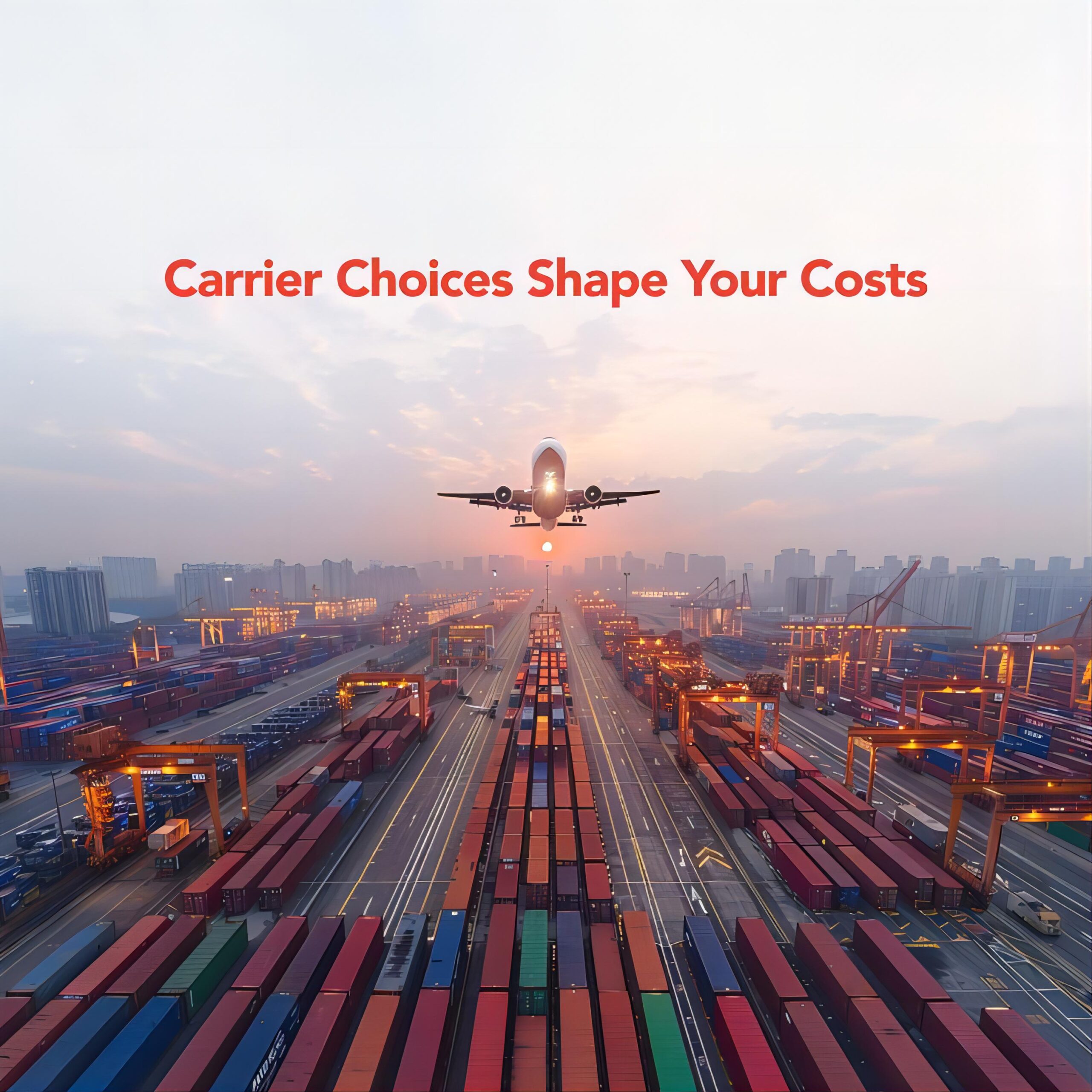
While 40GP FCL sea freight is often the most economical option for large volumes of medical equipment, it is important to consider alternatives. Each method offers distinct advantages and disadvantages regarding cost, speed, and cargo suitability. For instance, time-sensitive shipments may require a different approach.
Comparing sea freight with air freight reveals a significant difference in transit time and cost. Air freight delivers much faster but at a substantially higher price point. Conversely, for smaller volumes, LCL (Less than Container Load) sea freight might seem cheaper per cubic meter, but FCL often provides better overall value and security for medical goods.
Hybrid solutions, combining sea and air for different legs of the journey, can also be explored. This approach balances speed and cost effectively. Ultimately, the best choice depends on your specific needs, budget, and urgency. Always evaluate all viable alternatives for shipping medical devices.
| Shipping Method | Cost Range (40GP equivalent) | Transit Time (China-Florida) | Best For | Limitations |
|---|---|---|---|---|
| 40GP FCL Sea Freight | $2,500 – $5,500 | 30-45 days | Large volume, non-urgent, cost-effective | Long transit time, potential port delays |
| LCL Sea Freight | $3,500 – $7,000 (for ~20CBM) | 35-50 days | Smaller volumes, less urgent, budget-conscious | More handling, longer transit, potential delays |
| Air Freight | $15,000 – $30,000+ | 5-10 days | Urgent, high-value, small volume, temperature-controlled | Very high cost, volume/weight restrictions |
| Sea-Air Hybrid | $8,000 – $15,000 | 15-25 days | Moderately urgent, balanced cost/speed | Requires transshipment, more complex coordination |
Which Option Should You Choose?
Your decision for shipping medical equipment should align with your priorities.
If **budget is the primary concern** and transit time is flexible, 40GP FCL sea freight is typically the most cost-effective solution. This is ideal for routine replenishment of inventory. However, plan well in advance to accommodate longer shipping durations.
When **speed is critical** for urgent medical supplies or high-value, time-sensitive devices, air freight is the preferred option despite its higher cost. This minimizes downtime and ensures rapid delivery to healthcare facilities. Consider the trade-off carefully.
For **medium-sized shipments** that don’t fill a 40GP container but are too large for LCL, a 20GP FCL might be a suitable compromise. Alternatively, a combination of FCL for bulk and air freight for urgent components can optimize your supply chain. Consulting with a logistics expert can help identify the optimal strategy for your medical supply chain optimization.
Real-World Case Studies: 40GP FCL Medical Equipment Shipments
Examining actual scenarios provides a clearer picture of the 40GP FCL shipping cost for medical equipment from China to Florida. These case studies highlight various factors and outcomes encountered in real-world logistics. They offer valuable insights into typical rates and timelines.
Based on Q3 2024 market rates, these examples demonstrate the practical application of FCL shipping for critical healthcare products. They also illustrate the importance of robust planning and execution for efficient delivery of medical devices. We aim to provide transparency on typical costs and challenges.
Case Study 1: Ventilators from Shanghai to Miami
| Category | Details |
|---|---|
| Route | Shanghai, China Miami, USA |
| Cargo | Medical Ventilators, 60 CBM, 8,000 kg |
| Container | 40GP |
| Shipping Details | Carrier: MSC, Port of Loading: Shanghai, Port of Discharge: Miami, Route Type: Direct |
| Cost Breakdown | Ocean Freight: $4,800, Origin Charges: $550, Destination Charges: $900, Customs & Duties (estimated): $1,500, Total Landed Cost: $7,750 |
| Timeline | Booking to Loading: 5 days, Sea Transit: 32 days, Customs Clearance: 3 days, Total Door-to-Door: 40 days |
| Key Insight | Smooth direct sailing with proactive customs pre-clearance significantly reduced overall transit time. This demonstrates efficient medical device logistics. |
Case Study 2: Diagnostic Equipment from Shenzhen to Jacksonville
| Category | Details |
|---|---|
| Route | Shenzhen, China Jacksonville, USA |
| Cargo | Diagnostic Imaging Equipment, 55 CBM, 7,500 kg |
| Container | 40GP |
| Shipping Details | Carrier: COSCO, Port of Loading: Shenzhen, Port of Discharge: Jacksonville, Route Type: Transshipment via Panama |
| Cost Breakdown | Ocean Freight: $4,200, Origin Charges: $480, Destination Charges: $850, Customs & Duties (estimated): $1,200, Total Landed Cost: $6,730 |
| Timeline | Booking to Loading: 7 days, Sea Transit: 38 days, Customs Clearance: 4 days, Total Door-to-Door: 49 days |
| Key Insight | Transshipment added a few days but offered a more competitive rate for this specific period. Careful coordination was essential for the cargo handling and delivery schedule. |
Case Study 3: Surgical Instruments from Ningbo to Tampa
| Category | Details |
|---|---|
| Route | Ningbo, China Tampa, USA |
| Cargo | Sterile Surgical Instruments, 65 CBM, 9,000 kg |
| Container | 40GP |
| Shipping Details | Carrier: Maersk, Port of Loading: Ningbo, Port of Discharge: Tampa, Route Type: Direct |
| Cost Breakdown | Ocean Freight: $5,100, Origin Charges: $600, Destination Charges: $950, Customs & Duties (estimated): $1,800, Total Landed Cost: $8,450 |
| Timeline | Booking to Loading: 6 days, Sea Transit: 35 days, Customs Clearance: 3 days, Total Door-to-Door: 44 days |
| Key Insight | Higher value cargo resulted in increased duties and insurance costs. Choosing a reputable carrier for sensitive medical supplies ensured reliable transit. Market data suggests these rates are typical as of early 2025. |
| Disclaimer | Note: Freight rates are subject to change based on fuel costs, carrier capacity, and seasonal demand. Contact us for a current quote tailored to your specific shipment. |
Optimizing Your Supply Chain for Medical Equipment Logistics
Efficiently managing the 40GP FCL shipping cost for medical equipment from China to Florida goes beyond just securing a container. It involves strategic planning and leveraging expert services. A robust supply chain for medical devices minimizes risks and maximizes efficiency.
Consider consolidating multiple orders into a single FCL shipment to maximize container utilization. This strategy significantly reduces per-unit shipping costs. Additionally, choosing a freight forwarder with strong relationships with carriers can lead to better rates and more reliable space allocation. This is particularly important during peak seasons.
Utilizing door to door services simplifies the entire process, as the freight forwarder handles all aspects from origin pickup to final delivery. This single point of contact reduces administrative burden and potential communication errors. Consequently, it allows you to focus on your core business. Explore service options like Amazon FBA for direct delivery if applicable.
Cost-Saving Strategies and Market Insights for 40GP FCL
To effectively manage your 40GP FCL shipping cost for medical equipment from China to Florida, staying informed about market conditions is vital. Freight rates are dynamic, influenced by global events, fuel prices, and carrier capacity. For example, as of Q1 2025, freight rates from China to the USA East Coast have stabilized after earlier disruptions.
Booking in advance, especially during peak seasons (e.g., before Chinese New Year or Q4 holidays), can help secure better rates and guaranteed space. Rates typically increase 15-25% during August-October peak season. Furthermore, being flexible with your shipping dates can sometimes yield better pricing options. Industry benchmarks suggest early booking is always advantageous.
Negotiating favorable Incoterms with your suppliers can also impact your overall landed cost. For instance, choosing FOB (Free On Board) allows you more control over carrier selection and associated freight costs. Regularly reviewing your logistics strategy with a freight expert like Top China Freight ensures you are always getting the best value for your critical cargo.
Conclusion: Streamlining Your Medical Equipment Shipping
Successfully managing the 40GP FCL shipping cost for medical equipment from China to Florida requires a deep understanding of market dynamics, regulatory compliance, and strategic planning. By considering all cost components, transit times, and alternative shipping methods, businesses can make informed decisions.
Partnering with a reliable freight forwarder is essential for navigating these complexities, ensuring your critical medical cargo arrives safely and efficiently. Ultimately, a well-executed logistics strategy contributes to the seamless operation of your healthcare supply chain. We invite you to reach out for a comprehensive consultation.