
FCL Shipping for Lighting from China to California: A Comprehensive Guide
Importing lighting products from China to California demands efficient logistics. Full Container Load (FCL) shipping offers a reliable and cost-effective solution for businesses with substantial cargo volumes. Navigating the complexities of international freight requires expertise to ensure your valuable lighting reaches its destination smoothly and on schedule. Top China Freight specializes in streamlining this intricate process for you.
Understanding FCL Shipping for Lighting from China to California
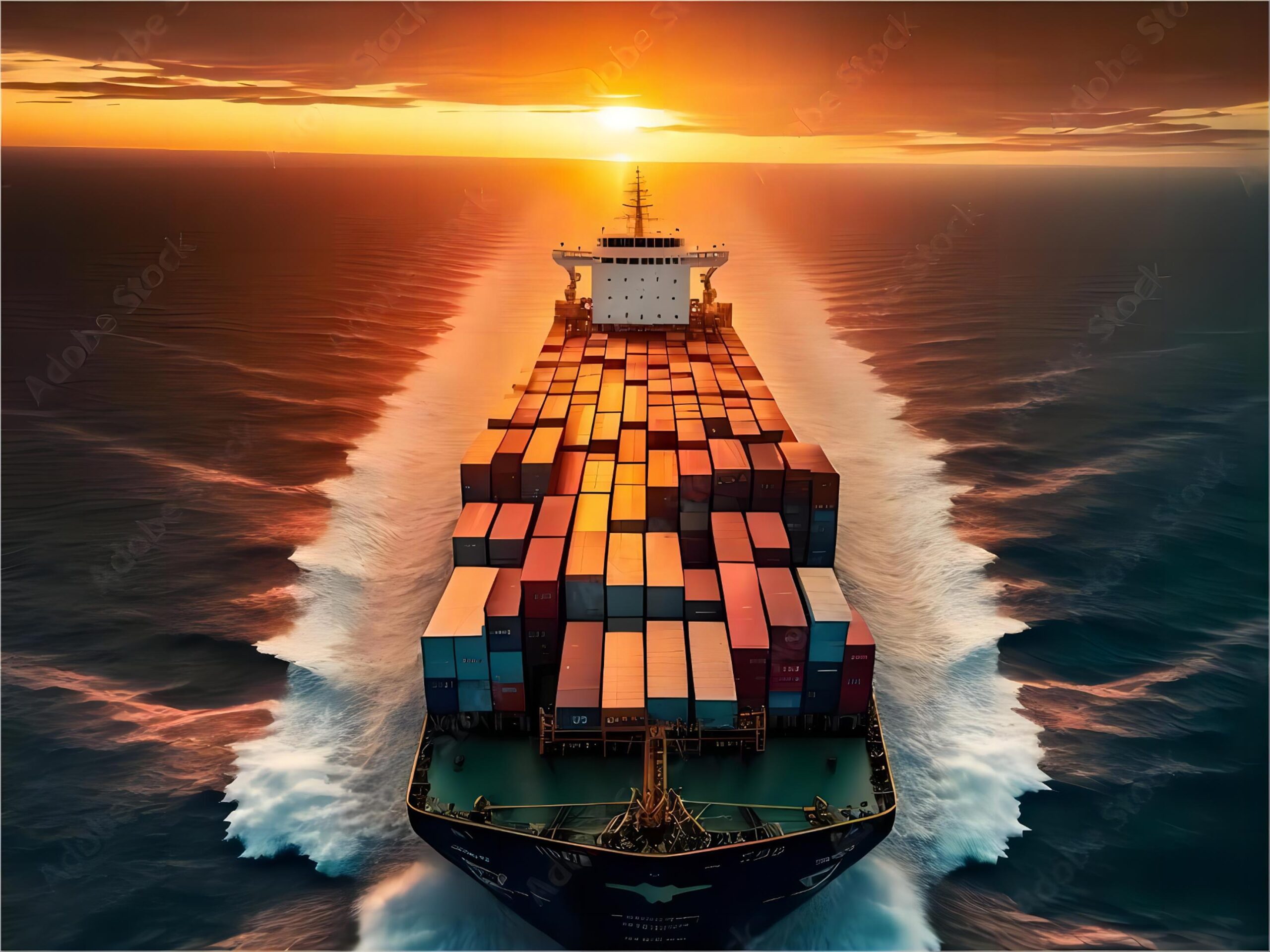
FCL shipping for lighting from China to California is a primary choice for businesses importing significant quantities. This method involves leasing an entire container exclusively for your cargo, regardless of whether it fully fills the space. Consequently, it offers enhanced security and efficiency for valuable or fragile lighting products.
Conversely, FCL shipments minimize handling and potential damage, making them ideal for delicate items like chandeliers, LED panels, or custom fixtures. Moreover, dedicated container space means faster transit and fewer delays compared to shared container options. Therefore, many importers prefer FCL to maintain control over their supply chain.
Typically, importers use 20-foot (20GP), 40-foot (40GP), or 40-foot High Cube (40HQ) containers. The choice depends on the volume and dimensions of your lighting cargo. Ultimately, selecting the right container is crucial for optimizing space and reducing overall shipping costs.
What Exactly is FCL Shipping?
Full Container Load (FCL) means your goods occupy an entire shipping container. This container is sealed at the origin and typically remains sealed until it reaches its final destination. Therefore, your lighting products are not consolidated with other shippers’ cargo.
Indeed, this dedicated space provides greater control over your shipment’s journey. It also reduces the risk of damage or loss that can occur during multiple handling points in a shared container scenario. Furthermore, FCL is often more economical per unit for larger volumes.
Why Choose FCL for Lighting Products?
Choosing FCL for lighting products offers several distinct advantages. Firstly, it provides superior protection for fragile items. With your own container, there is less risk of cargo shifting or being crushed by other goods.
Secondly, FCL shipments often boast faster transit times and more predictable delivery schedules. This is because the container goes directly from the port of loading to the port of discharge without additional stops for consolidation or deconsolidation. Thirdly, for bulk orders, the per-unit shipping cost is significantly lower, making it a cost-effective solution for sea freight.
Consequently, businesses importing large volumes of commercial or residential lighting find FCL shipping to be the most practical and secure option. This method supports efficient supply chain management for lighting businesses.
Common Lighting Products Shipped via FCL
A wide array of lighting products are routinely shipped via FCL. This includes LED panels, downlights, floodlights, streetlights, and industrial high-bay lights. Additionally, decorative fixtures, chandeliers, and intricate architectural lighting systems frequently utilize FCL.
Furthermore, components like drivers, sensors, and large quantities of bulbs are also ideal for full container loads. The consistent demand for these items necessitates efficient, high-volume shipping solutions. Therefore, FCL accommodates both finished products and their constituent parts.
The FCL Shipping Process: China to California
Navigating the FCL shipping process from China to California involves several crucial stages. Each step requires careful coordination to ensure a smooth and timely delivery of your lighting products. Understanding this workflow helps importers prepare adequately and avoid potential delays.
From booking your container to final delivery, a proficient freight forwarder manages the intricate details. This comprehensive approach ensures that your valuable cargo is handled professionally. Ultimately, a well-managed process translates into significant time and cost savings for your business.
Booking and Preparation
The process begins with booking your FCL container with a freight forwarder. You must specify the container size (20GP, 40GP, 40HQ) based on your cargo volume and weight. Subsequently, your supplier prepares the lighting products for export.
This preparation includes proper packaging, labeling, and palletizing to prevent damage during transit. Moreover, all necessary export documentation must be completed accurately. For example, commercial invoices and packing lists are essential for customs clearance.
Loading and Port Operations
Once prepared, the container is delivered to your supplier’s factory or a designated warehouse for loading. The cargo is carefully loaded and secured inside the container, often with dunnage and bracing for fragile lighting products. After loading, the container is sealed and transported to the port of loading.
Major ports in China include Shanghai, Ningbo, Shenzhen, and Qingdao. At the port, the container undergoes export customs clearance and is then loaded onto a vessel. This stage is critical for initiating the international leg of the journey.
Ocean Transit and Tracking
The vessel then embarks on its journey across the Pacific Ocean to California. For the China to USA West Coast route, sea transit typically ranges from 14 to 18 days. However, factors like weather, port congestion, and carrier schedules can influence this timeframe.
Throughout the transit, you can track your shipment using the bill of lading number provided by your freight forwarder. Consistent monitoring ensures you stay informed about your cargo’s progress. This transparency is vital for managing your delivery schedule.
Customs Clearance in California
Upon arrival at a California port, such as Long Beach or Los Angeles, your shipment must undergo import customs clearance. This involves submitting all required documentation to U.S. Customs and Border Protection (CBP). Accurate customs brokerage is indispensable at this juncture.
Moreover, duties, taxes, and other fees must be paid before the cargo can be released. Any discrepancies or missing documents can lead to significant delays and penalties. Therefore, proper preparation is key to smooth customs processing for LED lights import.
Final Delivery and Drayage
After customs clearance, the container is transported from the port to your designated warehouse or distribution center in California. This final leg, known as drayage, is typically handled by local trucking services. Consequently, coordination is vital for a seamless transition.
Many importers opt for door-to-door service, where the freight forwarder manages the entire process from the supplier’s factory to your final destination. This comprehensive service simplifies logistics significantly. It also ensures your lighting products arrive exactly where and when you need them.
Key Factors Influencing FCL Shipping Costs
Understanding the various components of FCL shipping costs is essential for budgeting and optimizing your logistics strategy. Several factors contribute to the total landed cost of importing lighting from China to California. Moreover, these costs can fluctuate based on market dynamics and specific service requirements.
Indeed, a clear breakdown helps importers make informed decisions and identify potential areas for savings. Transparent pricing ensures no hidden surprises. Therefore, collaborating with a freight forwarder who provides detailed quotes is highly beneficial.
Freight Rates and Surcharges
Ocean freight rates are the primary cost component, determined by the container type, carrier, and current market conditions. As of early 2025, rates from China to the USA West Coast for a 40HQ typically range from $2,800 to $3,800. These rates are subject to change based on fuel surcharges, peak seasons, and carrier capacity.
Additionally, various surcharges apply, including Bunker Adjustment Factor (BAF), Currency Adjustment Factor (CAF), and Peak Season Surcharges (PSS). These can significantly impact the overall cost. For example, during Q4 peak season, rates often increase by 15-25%.
Container Type and Size
The choice between a 20GP, 40GP, or 40HQ container directly affects the freight rate. While a 20GP is cheaper, a 40HQ offers nearly double the capacity for a proportionally smaller increase in cost. Therefore, maximizing container utilization is a key strategy for optimizing shipping costs for fragile lighting.
For instance, if your lighting products are bulky but not excessively heavy, a 40HQ might be the most cost-effective option per unit. Conversely, smaller, very dense shipments might better suit a 20GP. Always consider the dimensions and weight of your total cargo.
Origin and Destination Charges
Origin charges cover services at the port of loading in China. These include Terminal Handling Charges (THC), documentation fees, customs clearance fees, and drayage to the port. Similarly, destination charges apply in California, encompassing THC, chassis fees, and drayage from the port to your warehouse.
These local charges can accumulate, so it’s vital to have a comprehensive quote that includes them. Understanding these fees prevents unexpected expenses. Therefore, always request a breakdown of all associated costs.
Customs Duties and Taxes
Import duties and taxes are levied by U.S. Customs and Border Protection upon entry into California. These are based on the Harmonized System (HS) code of your lighting products and their declared value. Furthermore, different types of lighting have varying duty rates.
It is crucial to accurately classify your goods to avoid fines or delays. Consulting with a customs broker can help estimate these costs and ensure compliance. This step is critical for avoiding complications with import duties on lighting from China to California.
Insurance and Ancillary Services
Cargo insurance is highly recommended for valuable lighting products, protecting against loss or damage during transit. While an additional cost, it provides crucial peace of mind. Moreover, it safeguards your investment against unforeseen events.
Other ancillary services might include fumigation, special handling for oversized items, or warehousing. Each service adds to the total cost. Hence, carefully evaluate which services are truly necessary for your specific shipment to manage expenses effectively.
Optimizing Transit Times for Lighting Shipments
Efficient transit times are paramount for managing inventory and meeting customer demands, especially for seasonal or project-based lighting imports. Several strategies can help streamline the journey from China to California. Furthermore, proactive planning is key to minimizing delays.
Understanding the factors that influence shipping duration allows importers to make informed decisions. This optimization contributes significantly to a more predictable and responsive supply chain for lighting products. Therefore, focus on these critical elements.
Direct vs. Transshipment Routes
Direct routes offer the fastest transit times as vessels travel straight from the port of loading to the port of discharge. Conversely, transshipment routes involve transferring cargo from one vessel to another at an intermediate port, adding several days to the journey. For example, a direct route from Shenzhen to Long Beach might take 16 days, while a transshipment route could take 20-25 days.
While direct routes might be slightly more expensive (10-15% higher), the time savings often justify the cost, particularly for time-sensitive lighting projects. Always weigh the balance between speed and budget. For example, if you are shipping large volumes of lighting fixtures for a specific project deadline, direct is often preferred.
Carrier Selection and Service Levels
Different ocean carriers offer varying service levels and route frequencies. Some carriers specialize in faster express services on specific lanes. Consequently, selecting a reputable carrier with a proven track record for the China-California route is vital.
Discussing service level agreements with your freight forwarder can help identify the best option for your transit time requirements. Certain carriers prioritize speed, while others focus on cost-effectiveness. Therefore, align your carrier choice with your import priorities.
Port Congestion and Peak Seasons
Port congestion in both China and California can significantly impact transit times. Major ports like Long Beach and Los Angeles occasionally experience backlogs due to high cargo volumes or labor shortages. Monitoring port conditions is thus crucial.
Peak shipping seasons, typically from August to October before holidays, also lead to increased congestion and longer waits. Planning your shipments outside these periods, if possible, can help avoid delays. Furthermore, Chinese New Year closures also require careful scheduling.
Documentation Accuracy
Errors or omissions in shipping documentation are a leading cause of customs delays. Inaccurate commercial invoices, packing lists, or bills of lading can hold up your cargo at either end. Therefore, meticulous review of all paperwork is essential.
Working with an experienced freight forwarder ensures that all documents are correctly prepared and submitted on time. This proactive approach minimizes the risk of customs holds. Ultimately, precise documentation is critical for efficient transit times for lighting products to California.
How Does FCL Shipping Compare to Other Shipping Options?
When importing lighting from China to California, FCL is not the only option. Businesses must evaluate various shipping methods based on their specific needs, including cargo volume, urgency, and budget. Consequently, a comprehensive comparison helps in making the most economical and efficient choice.
Each method presents its own set of advantages and limitations. Understanding these differences is crucial for effective logistics planning. Therefore, let’s explore how FCL stands against its primary alternatives for reliable freight forwarder for lighting components.
| Shipping Method | Cost Range (40HQ equivalent) | Transit Time (China to CA) | Best For | Limitations |
|---|---|---|---|---|
| FCL Sea Freight | $2,800 – $3,800 | 14 – 18 days | Large volumes, cost-efficiency, fragile goods | Longer transit time than air |
| LCL Sea Freight | $500 – $1,500 (per CBM) | 20 – 30 days | Small volumes (<15 CBM), lower upfront cost | Higher per-unit cost, more handling, slower |
| Air Freight | $15,000 – $25,000+ | 5 – 7 days | Urgent, high-value, time-sensitive cargo | Very high cost, volume/weight restrictions |
| Express Shipping | Variable (very high per kg) | 2 – 5 days | Samples, small parcels, extremely urgent items | Extremely high cost, not for bulk |
FCL vs. LCL (Less than Container Load)
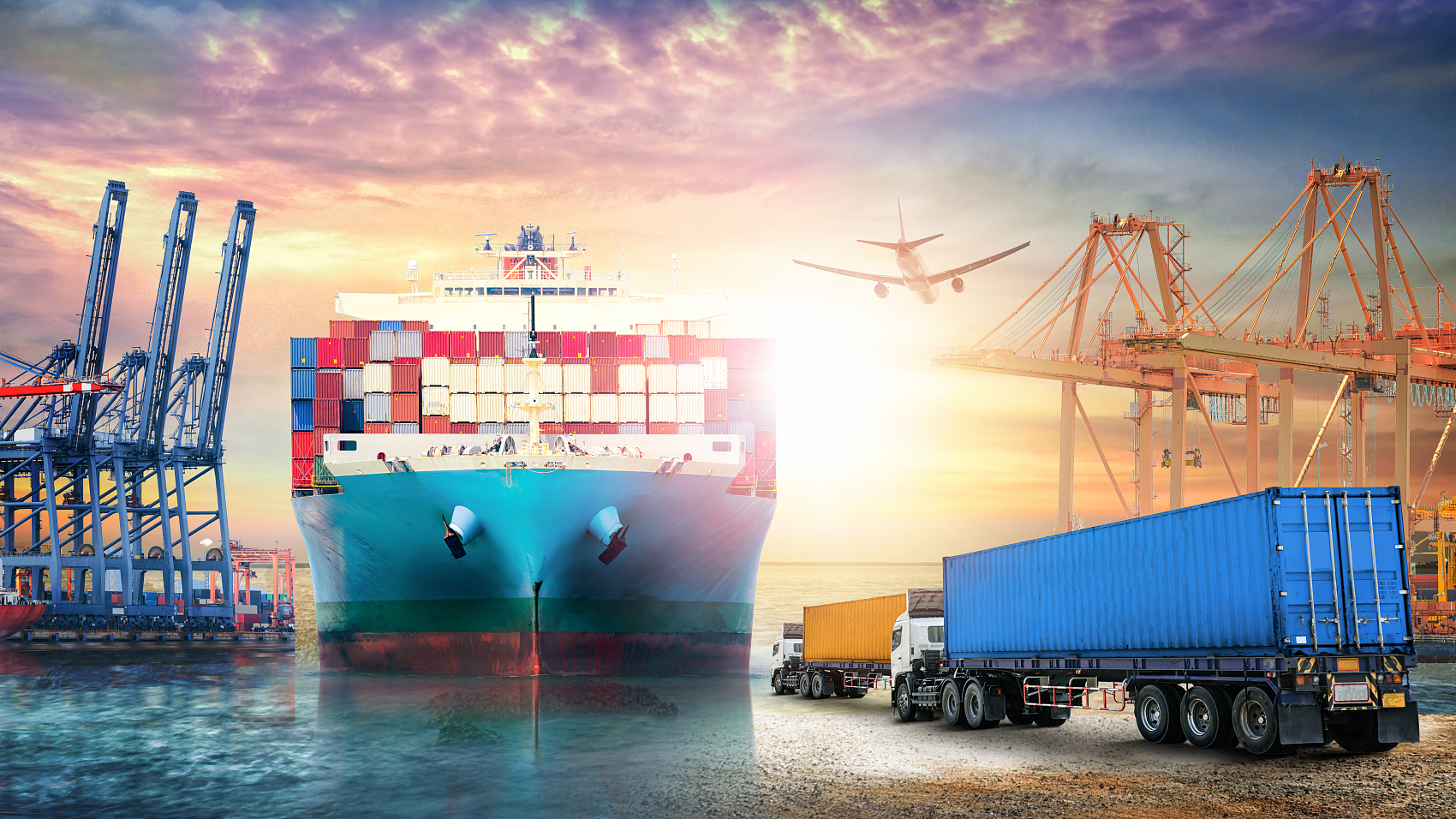
FCL is ideal for shipments large enough to fill a container, or when dedicated space is preferred. In contrast, LCL involves sharing container space with other shippers’ cargo. For instance, LCL is suitable for shipments under 15 CBM where a full container is unnecessary.
While LCL offers flexibility for smaller volumes, it typically incurs higher per-unit costs due to consolidation and deconsolidation fees. Moreover, LCL shipments often have longer transit times and a higher risk of damage due to multiple handling points. Therefore, for shipping large volumes of lighting fixtures, FCL is generally superior.
FCL vs. Air Freight
Air freight is significantly faster than FCL shipping, offering transit times of 5-7 days from China to California. However, this speed comes at a much higher cost, often 5-10 times that of sea freight. For example, while FCL for a 40HQ might cost $2,800-3,800, air freight for a similar volume could easily exceed $20,000.
Air freight is best reserved for urgent, high-value, or time-sensitive lighting products where speed outweighs cost. Conversely, FCL is the economical choice for most standard imports. Consequently, air freight is not typically used for shipping large volumes of lighting fixtures unless absolutely critical.
FCL vs. Express Shipping
Express shipping (e.g., DHL, FedEx, UPS) provides the fastest door-to-door delivery, often within 2-5 days. This service is primarily for very small, urgent packages or samples. Its cost per kilogram is prohibitively high for commercial quantities of lighting. Therefore, it’s unsuitable for FCL volumes.
While convenient for documents or prototypes, express shipping is not a viable alternative for bulk lighting imports. Its high cost makes it impractical for even small commercial orders, let alone a full container load. Consider express only for urgent, light items.
Which Option Should You Choose for Your Lighting Imports?
Selecting the optimal shipping method for your lighting products requires careful consideration of several key factors. Your business priorities, cargo characteristics, and volume thresholds will dictate the most suitable approach. Indeed, a tailored strategy ensures both efficiency and cost-effectiveness.
By evaluating these criteria, importers can make informed decisions. This framework helps in navigating the complexities of international logistics. Ultimately, the right choice supports a robust and responsive supply chain for lighting businesses.
Prioritizing Budget
If budget is your top priority, FCL sea freight is almost always the most economical choice for substantial volumes of lighting. The cost per unit significantly decreases with a full container. Moreover, this method offers the best value for money for non-urgent shipments.
Conversely, LCL can be cost-effective for very small shipments that do not justify an entire container. However, be mindful of the higher per-unit costs and potential delays associated with consolidation. For optimizing shipping costs for fragile lighting, FCL is often the best balance.
Prioritizing Speed
When speed is paramount, air freight or express shipping are the only viable options. For example, if you have an urgent project deadline or need to replenish stock quickly, air freight delivers in days, not weeks. However, prepare for significantly higher costs.
A hybrid solution, combining sea freight for the bulk of your order and air freight for a small, critical portion, can be a strategic compromise. This approach balances speed for essential items with cost-efficiency for the majority. Therefore, evaluate urgency against the associated expenditure.
Considering Cargo Type and Fragility
Fragile lighting products, such as chandeliers or glass components, benefit immensely from the dedicated space and reduced handling of FCL. This minimizes the risk of damage during transit. Moreover, proper palletized lighting shipments enhance protection.
Conversely, highly durable items might tolerate LCL more readily, though FCL still offers superior security. For extremely delicate or high-value items, additional insurance for lighting cargo is always recommended, regardless of the shipping method. Always prioritize safety for your valuable goods.
Volume Thresholds for FCL
The general rule of thumb is that if your cargo volume exceeds 15 CBM, FCL becomes more cost-effective than LCL. For example, a 20GP container holds approximately 28 CBM, and a 40HQ holds around 68 CBM. Filling these containers as much as possible maximizes your investment.
Below 15 CBM, LCL might seem cheaper initially, but once all consolidation and deconsolidation fees are added, FCL can often be competitive. Therefore, always obtain quotes for both FCL and LCL to compare the total landed cost for your specific volume. This ensures you are choosing the most efficient container types for various lighting products.
Navigating Customs and Compliance for Lighting Imports
Importing lighting products into California requires strict adherence to U.S. customs regulations and specific state standards. Navigating these complexities is essential to avoid delays, penalties, and costly rejections. Therefore, a thorough understanding of compliance requirements is paramount.
Indeed, proper preparation and accurate documentation streamline the customs clearance process. This proactive approach prevents unexpected issues at the port of entry. Consequently, partnering with experts can significantly ease this often daunting task.
Required Documentation
Key documents for customs clearance include the commercial invoice, packing list, bill of lading, and potentially a certificate of origin. Furthermore, specific lighting products may require additional certifications, such as FCC (for electronic components) or UL (for safety standards).
Accuracy in these documents is non-negotiable. Any discrepancies can trigger delays or inspections, impacting your transit times. Therefore, meticulous review by both your supplier and freight forwarder is crucial.
HS Codes for Lighting Products
The Harmonized System (HS) code is an internationally standardized numerical classification for traded products. Correctly identifying the HS code for each type of lighting product is vital for determining applicable duties and taxes. Misclassification can lead to fines or re-classification fees.
For example, LED lamps typically fall under different codes than incandescent bulbs or lighting fixtures. Consulting the U.S. International Trade Commission (USITC) HTSUS database is recommended. This ensures accurate import duties on lighting from China to California.
Import Regulations and Standards (e.g., California Energy Standards)
Beyond federal regulations, California has its own stringent energy efficiency standards for many lighting products, enforced by the California Energy Commission (CEC). Importers must ensure their lighting complies with these rules. Non-compliant products may be denied entry or require costly modifications.
Additionally, safety standards from organizations like UL (Underwriters Laboratories) are often expected by consumers and distributors. Verifying compliance at the manufacturing stage in China is far more cost-effective than dealing with issues upon arrival. This foresight prevents major headaches with customs clearance for LED lights import.
Working with a Customs Broker
Engaging a licensed customs broker is highly recommended for navigating the complexities of U.S. import regulations. A broker acts as your agent, preparing and filing customs entries, paying duties, and liaising with CBP on your behalf. Consequently, they ensure compliance and expedite clearance.
Their expertise is invaluable for handling specific requirements for lighting products and mitigating potential issues. This professional partnership is especially beneficial for managing supply chain for lighting businesses. Therefore, consider this essential service for a smooth import process.
Real-World Case Studies: FCL Lighting Shipments
Examining real-world scenarios provides practical insights into the benefits and challenges of FCL shipping for lighting from China to California. These examples illustrate how strategic planning and execution lead to successful import operations. Furthermore, they highlight the typical costs and timelines involved.
Based on current market rates as of Q1 2025, these case studies offer a realistic perspective. Note: Freight rates are subject to change based on fuel costs, carrier capacity, and seasonal demand. Contact us for a current quote tailored to your specific shipment.
Case Study 1: Large Volume LED Fixtures
A California-based distributor needed to import a substantial quantity of LED panel lights and downlights for a new commercial project. Volume efficiency and reliable transit were paramount. They opted for an FCL shipment to manage costs effectively.
Key Insight: The direct route and careful planning minimized transit time and handling, proving crucial for meeting project deadlines. Palletized cargo further ensured the safe transport of fragile LED fixtures.
| Attribute | Detail |
|---|---|
| Route | Shenzhen, China -> Long Beach, CA, USA |
| Cargo | LED Panel Lights & Downlights, 58 CBM, 15,000 kg |
| Container | 1 x 40HQ |
| Shipping Details | Carrier: COSCO, Port of Loading: Shenzhen, Port of Discharge: Long Beach, Route Type: Direct |
| Cost Breakdown | Ocean Freight: $3,500, Origin Charges: $450, Destination Charges: $550, Customs & Duties (est.): $1,200, Total Landed Cost (est.): $5,700 |
| Timeline | Booking to Loading: 5 days, Sea Transit: 16 days, Customs Clearance: 3 days, Total Door-to-Door: 24 days |
Case Study 2: Mixed Lighting Components with Specific Delivery
An importer specializing in custom architectural lighting required various components, including specialized LED strips, drivers, and custom-fabricated metal housings. The cargo was high-value and needed careful handling for a project with a moderate timeline. They chose a 40GP FCL.
Key Insight: Consolidating multiple lighting components into one FCL shipment streamlined inventory management. The dedicated container ensured minimal damage to delicate parts during transit.
| Attribute | Detail |
|---|---|
| Route | Ningbo, China -> Los Angeles, CA, USA |
| Cargo | LED Strips, Drivers, Metal Housings, 45 CBM, 12,000 kg |
| Container | 1 x 40GP |
| Shipping Details | Carrier: MSC, Port of Loading: Ningbo, Port of Discharge: Los Angeles, Route Type: Direct |
| Cost Breakdown | Ocean Freight: $3,200, Origin Charges: $400, Destination Charges: $500, Customs & Duties (est.): $950, Total Landed Cost (est.): $5,050 |
| Timeline | Booking to Loading: 6 days, Sea Transit: 17 days, Customs Clearance: 4 days, Total Door-to-Door: 27 days |
| Note | Typical rates as of early 2025. Rates can vary. |
Case Study 3: Urgent Project with FCL Efficiency
A new hotel project in San Francisco required a large order of decorative and functional lighting fixtures. While not an emergency, a tight installation schedule meant efficient FCL shipping was critical to avoid delays. The importer utilized a 40HQ.
Key Insight: Choosing a carrier known for reliable service and prioritizing a direct route ensured the large volume of lighting arrived within the project’s critical window. Proactive customs pre-filing also helped speed up clearance.
| Attribute | Detail |
|---|---|
| Route | Qingdao, China -> Long Beach, CA, USA |
| Cargo | Hotel Lighting Fixtures, 62 CBM, 14,500 kg |
| Container | 1 x 40HQ |
| Shipping Details | Carrier: Maersk, Port of Loading: Qingdao, Port of Discharge: Long Beach, Route Type: Direct |
| Cost Breakdown | Ocean Freight: $3,700, Origin Charges: $480, Destination Charges: $580, Customs & Duties (est.): $1,300, Total Landed Cost (est.): $6,060 |
| Timeline | Booking to Loading: 4 days, Sea Transit: 18 days, Customs Clearance: 3 days, Total Door-to-Door: 28 days |
| Note | Based on Q1 2025 market rates. Seasonal variations can impact prices. |
Tips for a Smooth FCL Shipping Experience
Ensuring a smooth FCL shipping experience for lighting from China to California involves more than just booking a container. Proactive measures and attention to detail can significantly reduce risks and enhance efficiency. Therefore, implementing these tips will safeguard your investment.
Indeed, a well-prepared shipment is less likely to encounter delays or damage. By following best practices, you can streamline your supply chain. Ultimately, this leads to greater customer satisfaction and business success.
Choosing a Reliable Freight Forwarder
Partnering with an experienced and reputable freight forwarder is perhaps the most crucial tip. They possess the expertise to navigate international regulations, optimize routes, and handle unforeseen issues. Look for a forwarder with a strong track record for the China-USA lane.
Moreover, a good forwarder provides transparent communication and comprehensive service. They become an invaluable extension of your logistics team. Consequently, they are critical for managing supply chain for lighting businesses effectively.
Proper Packaging for Fragile Lighting
Lighting products, especially decorative or glass fixtures, are inherently fragile. Investing in robust packaging, including custom foam inserts, sturdy cartons, and ample cushioning, is vital. Palletizing and shrink-wrapping your cargo adds another layer of protection.
Furthermore, clearly marking cartons as ‘Fragile’ and ‘Handle with Care’ alerts handlers to the delicate nature of the contents. This attention to detail significantly reduces the risk of damage during transit. Therefore, prioritize packaging for shipping fragile lighting products safely.
Cargo Insurance Recommendations
Despite best efforts, accidents can occur during transit. Comprehensive cargo insurance protects your financial interests against loss, theft, or damage. While often overlooked, it’s a small investment that offers substantial peace of mind for valuable lighting imports.
Discuss insurance options with your freight forwarder to ensure adequate coverage for your specific lighting products. This is a critical safeguard for your overall investment. Consequently, securing proper insurance for lighting cargo is highly advisable.
Proactive Communication
Maintaining open and consistent communication with your supplier and freight forwarder is paramount. Share your delivery expectations, project timelines, and any specific handling instructions upfront. This proactive approach helps prevent misunderstandings.
Regular updates on shipment status allow you to anticipate arrivals and plan your receiving operations accordingly. Furthermore, addressing potential issues early can mitigate their impact. Therefore, effective communication is a cornerstone of successful FCL shipping.
Conclusion: Master Your FCL Shipping for Lighting from China to California
FCL shipping for lighting from China to California presents a robust and cost-effective solution for importers dealing with significant cargo volumes. Understanding the intricate process, managing costs, and optimizing transit times are key to a successful import operation. Moreover, navigating customs and compliance demands meticulous attention to detail.
By partnering with a reliable freight forwarder, prioritizing proper packaging, and staying informed about market conditions, businesses can ensure their lighting products reach California efficiently and securely. Ultimately, a well-executed FCL strategy supports a resilient and profitable supply chain. We are committed to helping you achieve seamless FCL shipping for your lighting products.
Need a tailored shipping solution?
Ready to optimize your FCL shipping for lighting from China to California? Contact us today for a personalized quote and expert guidance. Our team is here to streamline your import process and ensure your valuable cargo arrives safely and efficiently.