
Preventing 40HQ FCL Demurrage: Solar Panels China to Portugal
Shipping large volumes of solar panels from China to Portugal via 40HQ FCL containers presents unique logistical challenges. Overlooking critical details can lead to costly demurrage charges, significantly impacting project profitability. This guide, from Top China Freight, explores comprehensive strategies to prevent 40HQ FCL demurrage for solar panel shipments, ensuring smooth and efficient delivery.
Understanding 40HQ FCL Demurrage for Solar Panels
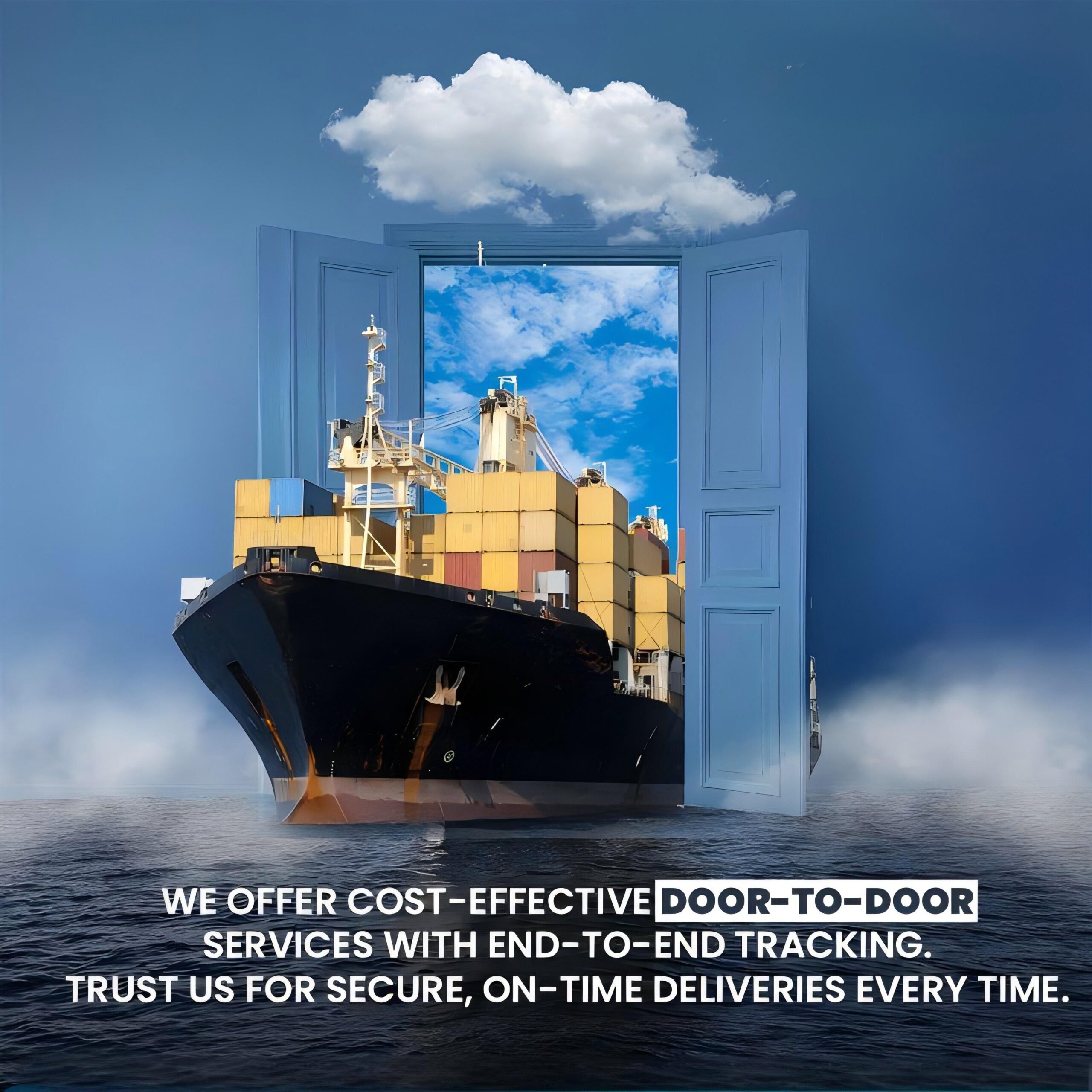
Demurrage refers to charges levied by shipping lines when a container remains at the port terminal beyond the allocated free time. These charges accumulate rapidly, turning an otherwise profitable shipment into a financial burden. For high-value, project-critical solar panels, avoiding such delays is paramount.
Typically, free time ranges from 3 to 7 days, depending on the carrier and destination port. After this period, daily charges apply, often escalating significantly. Therefore, understanding these charges is the first step in effective demurrage prevention.
Why are Solar Panels Susceptible to Demurrage?
Solar panels, due to their fragile nature and bulk, require careful handling and often specialized unloading equipment. The sheer volume of a 40HQ FCL shipment means any small delay can have a magnified effect. Project-based shipments often involve complex customs and coordination, increasing holdup risks.
Furthermore, their high value means extended port storage also carries increased insurance and security risks. Consequently, meticulous planning is essential to manage these vulnerabilities and ensure a timely exit from the port.
Proactive Strategies for 40HQ FCL Demurrage Prevention
Implementing a robust strategy is crucial for minimizing demurrage risk for your solar panel shipments. This involves careful planning across all supply chain stages, from booking to final delivery. A proactive approach saves both time and money, safeguarding your investment.
Considerably, effective communication and coordination among all parties—supplier, carrier, freight forwarder, and consignee—are key. Anticipating potential bottlenecks and having contingency plans in place can make a significant difference in preventing costly delays.
Precise Documentation and Customs Clearance
Accurate and complete documentation is perhaps the most critical factor in avoiding customs delays. All necessary permits, licenses, invoices, packing lists, and certificates of origin must be prepared well in advance. Incomplete paperwork is a primary cause of extended port stays and subsequent demurrage.
Moreover, it is advisable to pre-clear your shipment with Portuguese customs whenever possible. This streamlines the release process before the vessel even arrives. Therefore, working with experienced customs brokerage experts is invaluable.
Efficient Port Operations and Timely Pickup
Ensuring a smooth pickup process at the destination port requires excellent coordination. Confirm the availability of necessary equipment, like specialized forklifts, for handling large solar panel pallets. Additionally, a dedicated transport team ready for immediate collection upon discharge is vital.
Furthermore, understanding the specific operational hours and procedures of ports like Lisbon or Leixoes can prevent unexpected delays. Scheduling pickup appointments and paying all port charges upfront will facilitate a swift departure of your 40HQ FCL container, minimizing demurrage.
Carrier Selection and Contract Negotiation
Choosing the right shipping carrier goes beyond selecting the lowest freight rate. Evaluate carriers based on their reliability, transit times, and efficient port operations in Portugal. Some carriers offer longer free time allowances, which can be a significant advantage.
Additionally, negotiate extended free time for both demurrage and detention (container use outside port). For large-volume solar panel shipments, even a few extra days of free time provide a crucial buffer. Always clarify these terms before booking.
Leveraging Technology for Visibility
Modern logistics platforms offer real-time tracking and visibility into your shipment’s journey. Utilizing these tools allows you to monitor vessel movements, estimated arrival times, and container status. Consequently, this enhanced visibility enables proactive planning and swift responses to potential delays.
Indeed, receiving automated alerts for schedule changes or port congestion gives you precious time to adjust pickup arrangements. Therefore, partnering with a forwarder who uses advanced tracking technology is a smart move for managing 40HQ FCL solar panel imports effectively.
The Role of an Experienced Freight Forwarder
Partnering with a knowledgeable freight forwarder is arguably the most effective strategy for preventing demurrage. An experienced forwarder understands the complexities of international shipping, especially for specialized cargo like solar panels. They act as your single point of contact, coordinating all shipment aspects.
Furthermore, a good freight forwarder has established relationships with carriers, customs officials, and port operators. This network allows them to expedite processes, anticipate issues, and resolve problems quickly. Ultimately, their expertise translates into smoother operations and reduced risk of costly delays.
How a Forwarder Mitigates Risks
Forwarders proactively manage documentation, ensuring compliance with both Chinese export and Portuguese import regulations. They also monitor transit times and port congestion, providing timely updates and suggesting alternative solutions. Their oversight minimizes unexpected hold-ups.
Moreover, they can negotiate better free time allowances with carriers due to their volume and relationships. In addition, local agents in Portugal can facilitate rapid customs clearance and efficient container pickup. This comprehensive support is invaluable for sea freight shipments.
How Does FCL Sea Freight Compare to Other Shipping Options?
When importing solar panels from China to Europe, FCL sea freight is often the most economical choice for large volumes. However, understanding its trade-offs compared to other methods is essential for informed decisions and demurrage prevention. Each option has distinct advantages and limitations.
Considerably, the choice of shipping method directly impacts transit time, cost, and ultimately, your risk of demurrage. Evaluating all available options based on your specific solar panel delivery needs is crucial for optimizing your supply chain.
| Shipping Method | Cost Range (40HQ China-Portugal) | Transit Time (China-Portugal) | Best For | Limitations |
|---|---|---|---|---|
| FCL Sea Freight | $3,000 – $4,200 | 30 – 38 days | Large volumes (solar panels), cost-effectiveness, heavy cargo | Long transit times, port congestion risk, higher demurrage potential |
| LCL Sea Freight | $500 – $1,500 (per CBM equivalent) | 35 – 45 days | Smaller shipments (under 15 CBM), flexible volumes | Longer transit, higher per-unit cost, increased handling, consolidation delays |
| Rail Freight (China-Europe) | $8,000 – $12,000 | 18 – 25 days | Time-sensitive cargo, mid-range volumes, reduced carbon footprint | Higher cost than sea, limited direct routes to Portugal, transshipment often needed |
| Air Freight | $15,000 – $25,000 (for similar volume equivalent) | 5 – 7 days | Urgent, high-value, low-volume cargo, samples | Extremely high cost, limited capacity for large solar panel volumes, high carbon footprint |
Decision Framework: Which Option Should You Choose?
Selecting the optimal shipping method for your solar panels hinges on several key factors. Your budget, urgency, and specific cargo characteristics will guide this decision. Understanding these priorities helps mitigate risks like demurrage.
Moreover, considering the overall supply chain strategy, including warehousing and installation schedules, is vital. A holistic view ensures the chosen method aligns with your project’s objectives and financial constraints.
Budget Priority
If cost-efficiency is your primary concern, FCL sea freight is almost always the most economical option for full container loads of solar panels. It offers the lowest per-unit shipping cost, especially for 40HQ containers. However, careful demurrage prevention strategies are critical.
Conversely, for smaller volumes, LCL sea freight might appear cheaper but can incur higher per-CBM costs and longer transit times. Always calculate the total landed cost to make an informed decision.
Speed Priority
For urgent projects, air freight offers the fastest transit, delivering solar panels in under a week. Nevertheless, its prohibitive cost makes it impractical for most large-scale commercial shipments. It is best reserved for critical components or emergency replacements.
Alternatively, rail freight provides a good balance between speed and cost, being significantly faster than sea freight and more affordable than air. If your timeline allows 2-3 weeks transit, rail could be viable, especially to central Europe with onward trucking.
Cargo Type and Volume Thresholds
Solar panels, being bulky and sometimes fragile, are ideally suited for FCL sea freight. Dedicated container space reduces handling and damage risk. A 40HQ container maximizes volume efficiency, minimizing per-panel shipping costs.
For volumes below 15-20 CBM, LCL might be considered, but damage risk and longer transit often make it less appealing. Above this threshold, FCL becomes more economical. Hybrid solutions like sea-rail combinations can also be explored.
Real-World Scenarios: Preventing Demurrage for Solar Panel Shipments
Examining actual case studies provides valuable insights into successful demurrage prevention for solar panel imports. These examples highlight the practical application of proactive strategies and the benefits of expert coordination. Each scenario presents unique challenges and tailored solutions.
Moreover, these scenarios demonstrate how anticipating potential issues and implementing robust planning can lead to significant savings and smoother project execution. They underscore the importance of detail-oriented logistics management.
Case Study 1: Large-Scale Solar Farm Project
This project involved importing 20 x 40HQ containers of solar panels for a farm near Faro, Portugal. The challenge was managing high volume and synchronized delivery with installation to avoid port congestion and demurrage. Door-to-door service was crucial.
By implementing pre-clearance and negotiating extended free time, the forwarder created a buffer. A dedicated transport fleet was pre-booked for immediate devanning and delivery, directly mitigating demurrage. This meticulous planning saved an estimated $15,000 in potential demurrage.
| Detail | Description | ||||
|---|---|---|---|---|---|
| Route | Shanghai, China -> Faro, Portugal | ||||
| Cargo | Solar Panels (Monocrystalline), 1,200 CBM, 180,000 kg | ||||
| Container | 20 x 40HQ | ||||
| Shipping Details | Carrier: COSCO, Port of Loading: Shanghai, Port of Discharge: Sines, Route Type: Direct | ||||
| Cost Breakdown (per 40HQ) | Ocean Freight: $3,500 | Origin Charges (THC, documentation): $350 | Destination Charges: $400 | Customs & Duties (estimated): $1,200 | Total Landed Cost: $5,450 |
| Timeline | Booking to Loading: 7 days | Sea Transit: 32 days | Customs Clearance: 2 days | Total Door-to-Door: 41 days | |
| Key Insight | Early customs pre-clearance and negotiated extended free time were critical for high volume. Based on Q3 2024 market rates. |

Case Study 2: Expedited Delivery for a Commercial Installation
A business required rapid shipment of 2 x 40HQ containers of specialized solar panels for a commercial building in Porto. A tight installation deadline meant any demurrage would incur significant project penalties. Speed and efficiency were paramount.
The solution involved a premium FCL sea freight service with shorter transit and a forwarder specializing in expedited customs. Consignee documentation was meticulously reviewed and pre-filed, ensuring containers were released within 24 hours of arrival. This prevented all demurrage charges.
| Detail | Description | ||||
|---|---|---|---|---|---|
| Route | Ningbo, China -> Porto, Portugal | ||||
| Cargo | Specialized Solar Panels, 120 CBM, 18,000 kg | ||||
| Container | 2 x 40HQ | ||||
| Shipping Details | Carrier: Maersk, Port of Loading: Ningbo, Port of Discharge: Leixoes, Route Type: Transshipment via Valencia | ||||
| Cost Breakdown (per 40HQ) | Ocean Freight: $3,800 | Origin Charges (THC, documentation): $380 | Destination Charges: $420 | Customs & Duties (estimated): $1,300 | Total Landed Cost: $5,900 |
| Timeline | Booking to Loading: 5 days | Sea Transit: 35 days | Customs Clearance: 1 day | Total Door-to-Door: 41 days | |
| Key Insight | Premium carrier selection and ultra-efficient customs processing were key for tight deadlines. Typical rates as of early 2025. |
Navigating Peak Seasons and Market Fluctuations
The global shipping landscape is subject to seasonal peaks and unforeseen market fluctuations, impacting freight rates and transit times. These factors directly influence demurrage risk for 40HQ FCL solar panel shipments. Therefore, planning ahead is crucial.
Market data suggests rates typically increase by 15-25% during the August-October peak season, driven by holiday demand. Furthermore, events like the 2024 Red Sea disruptions demonstrate how geopolitical factors can rapidly alter shipping routes, leading to increased costs and delays.
Planning for Sea Freight Volatility
To mitigate peak season impacts, book your 40HQ FCL containers well in advance. Consider shipping outside the busiest periods if your timeline allows. Longer lead times provide more flexibility and better pricing options. Moreover, discussing long-term contracts can offer rate stability.
Additionally, building a buffer into your delivery schedule is a wise strategy. This accounts for potential delays from port congestion, weather, or customs inspections. According to industry benchmarks, adding 5-7 days to your estimated transit time can prevent last-minute demurrage emergencies.
Optimizing Your Supply Chain for Solar Panel Imports
Beyond individual shipments, a holistic approach to your supply chain can significantly reduce overall demurrage risk and improve efficiency. This involves integrating logistics planning with your inventory management and project timelines. Ultimately, a streamlined supply chain is a robust one.
Indeed, optimizing your entire process from manufacturer to installation site ensures solar panels arrive precisely when needed. This minimizes storage costs and avoids port-related penalties. This strategic approach underpins successful large-scale renewable energy projects.
Inventory Management and Delivery Schedules
Effective inventory management ensures you order solar panels in quantities aligning with project phases, avoiding premature arrivals or stockouts. Coordinate closely with installation teams in Portugal to establish precise delivery windows. This prevents containers from sitting idle at the port.
Therefore, just-in-time delivery principles, adapted for international shipping lead times, can be highly beneficial. This minimizes costly warehousing and reduces the chances of incurring demurrage or detention charges for your 40HQ FCL shipments.
Pre-clearance and Door-to-Door Services
As previously mentioned, pre-clearance with Portuguese customs is a powerful tool for accelerating the import process. It allows your solar panels to be released almost immediately upon arrival, significantly reducing demurrage risk. This requires careful preparation and submission of all necessary documents in advance.
Furthermore, opting for a comprehensive door-to-door service from your freight forwarder simplifies the entire process. This service handles everything from origin pickup in China to final delivery at your project site, including all customs and inland transportation. It offloads logistical burden and associated demurrage risks.
Conclusion: Master Your Solar Panel Imports to Portugal
Effectively preventing 40HQ FCL demurrage for solar panels shipped from China to Portugal requires a multi-faceted approach. From meticulous documentation and strategic carrier selection to leveraging experienced freight forwarders, every step contributes to a smoother, more cost-effective import process. Proactive planning and real-time visibility are your strongest allies.
By implementing the strategies discussed, you can significantly reduce the financial risks associated with port delays and ensure your solar panel projects proceed on schedule. Ultimately, a well-managed logistics chain is key to successful and profitable renewable energy ventures in Portugal.
Get Your Shipping Quote Today
Ready to optimize your solar panel imports and prevent costly 40HQ FCL demurrage from China to Portugal? Contact Top China Freight today for a personalized quote and expert logistics solutions tailored to your project’s needs. Our team is here to help you navigate international shipping complexities.
Request Quote