As a freight agent representing Top China Freight, we are excited to introduce the freight conditions for shipping from China to Canada. As a developed nation in North America, Canada boasts a strong economy and well-developed infrastructure, making it an ideal freight destination with abundant logistical resources. Major ports and cities, such as Ottawa, Toronto, and Vancouver, are equipped with modern freight facilities and efficient logistics networks, ensuring smooth import and export operations.
With its extensive coastline situated between two oceans and its border with the United States, Canada serves as a crucial logistics hub, offering a variety of transportation options, including maritime, air, and land routes to meet diverse customer needs. By partnering with us for shipping from China to Canada, you will benefit from tailored transportation solutions, comprehensive customs clearance services, and continuous tracking and monitoring throughout the shipping process to ensure the safe and timely delivery of your goods. We look forward to collaborating with you to provide high-quality freight services and build mutually beneficial partnerships.
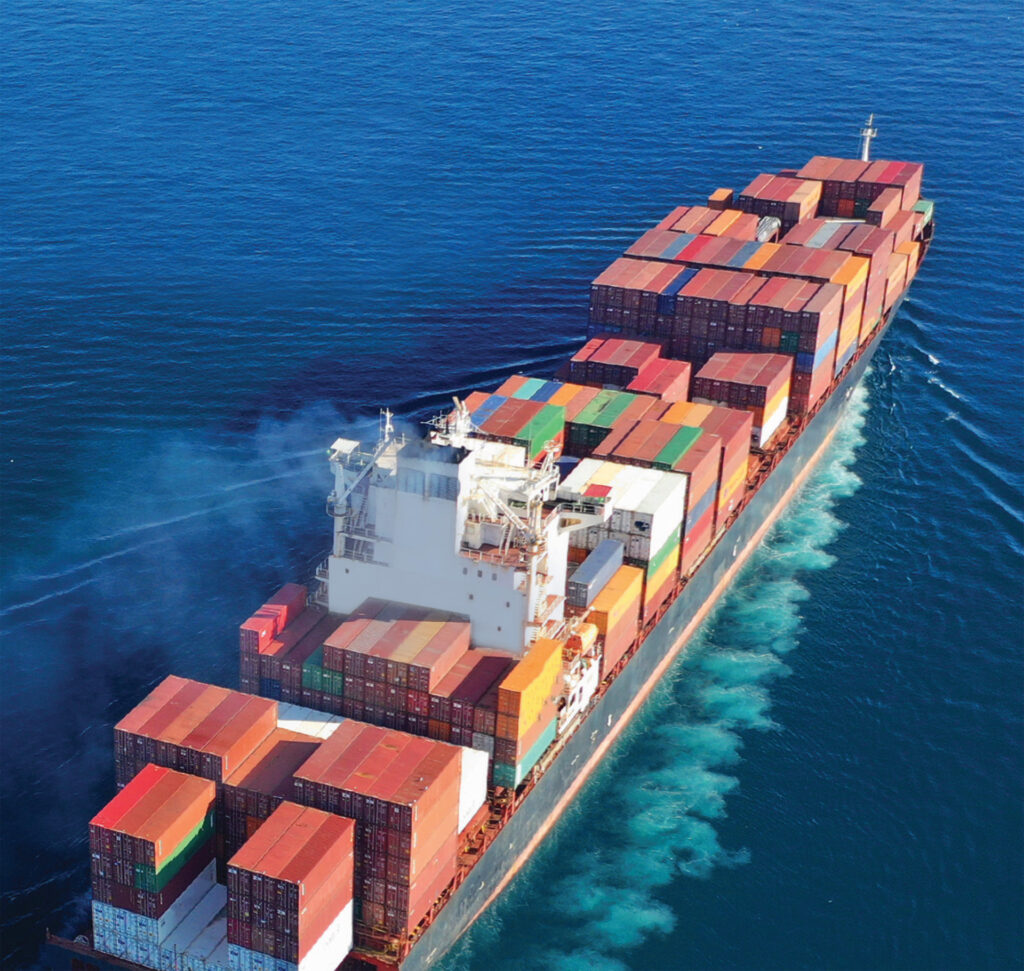
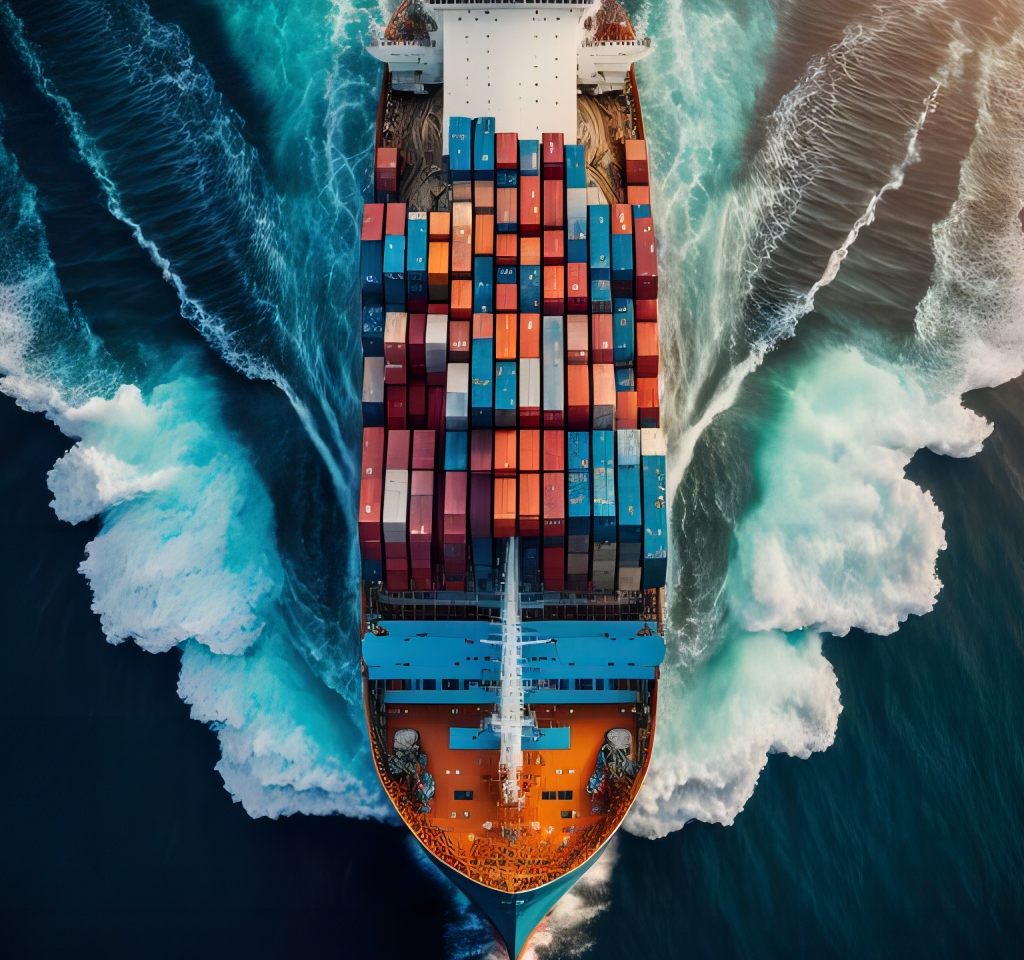
The transportation of goods by cargo ships across oceans, ideal for large volumes and heavy items.
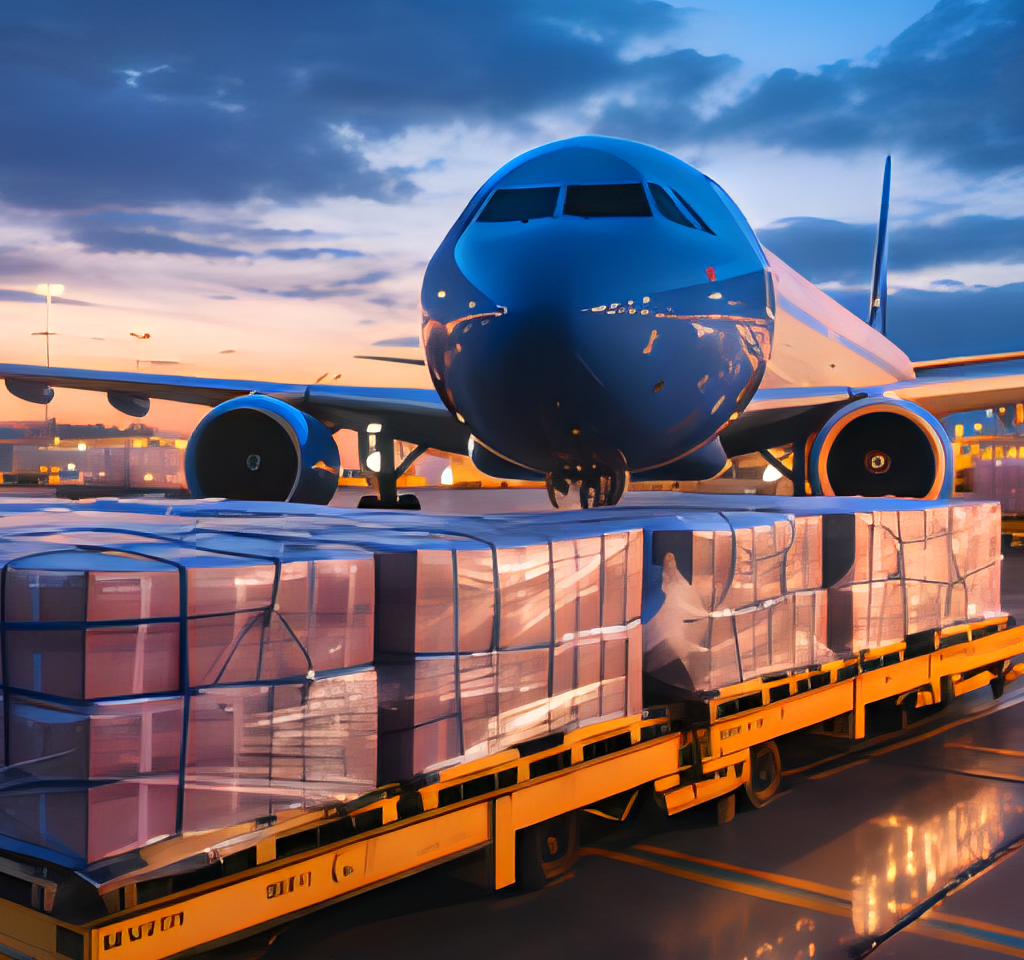
The shipment of goods via airplanes, offering fast delivery times for high-value or time-sensitive cargo.
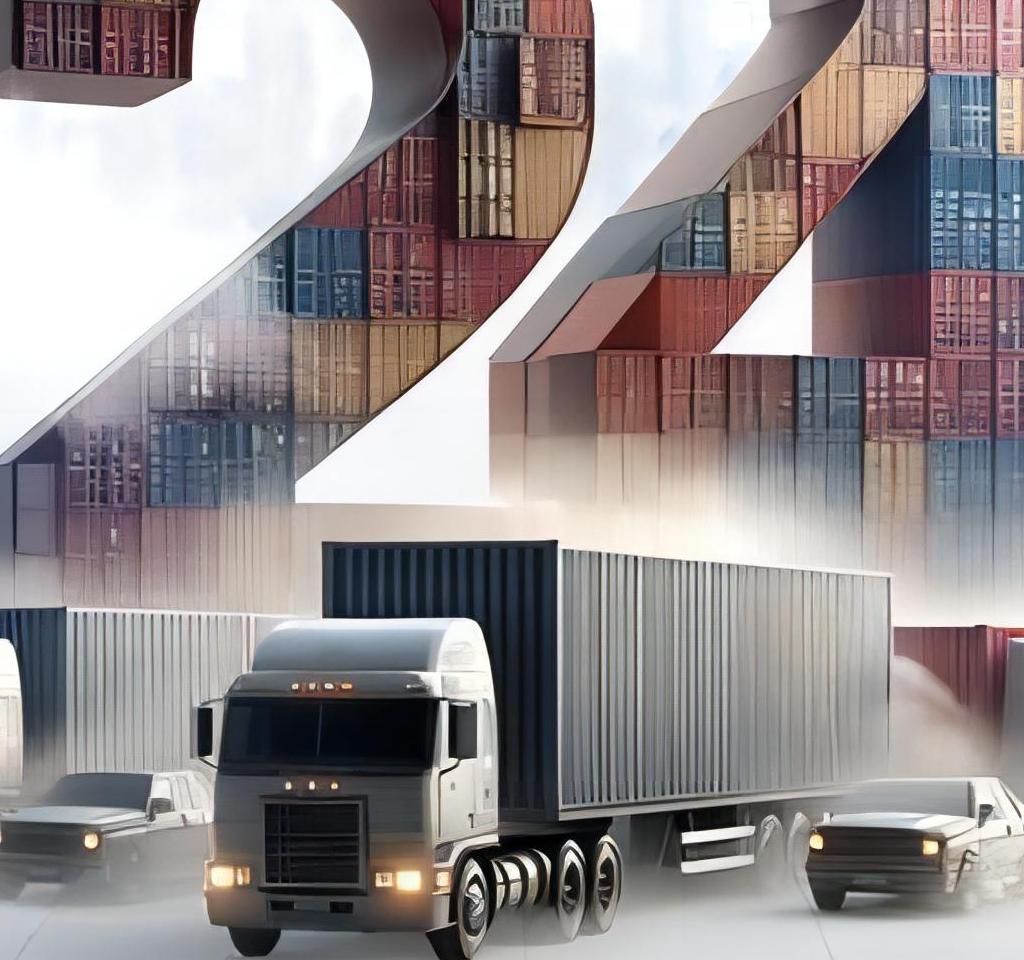
This comprehensive solution streamlines the shipping process, ensuring efficient and hassle-free delivery.
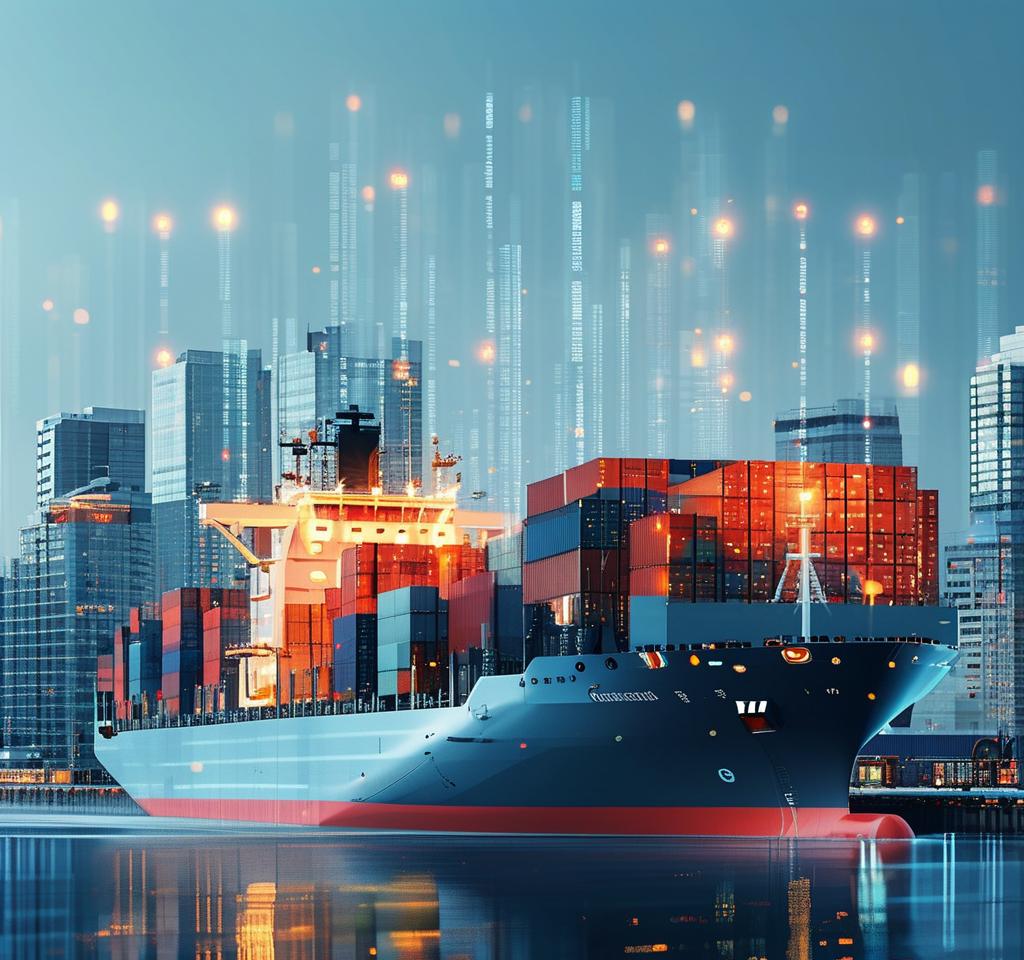
The process of shipping goods that are loaded individually rather than in containers, typically used for oversized or irregularly shaped cargo.
Most container cargo from China arrives on the West Coast at the Port of Vancouver, which is Canada’s largest and busiest port.
From Vancouver, containers are often moved by rail to inland cities like Toronto, Calgary, or Montreal.
Some shipments destined for Eastern Canada may move through the Port of Montreal, especially if transit time alignment works better via transshipment.
For most importers, Vancouver + rail intermodal is the standard routing.
Transit time depends on:
Ocean sailing schedule
Destination coast
Rail availability
Customs processing speed
West Coast ocean transit is relatively efficient, but if cargo must travel across Canada by rail, inland transit adds additional time.
Door-to-door planning is more accurate than port-to-port estimates, especially for Toronto-area deliveries.
Import duties depend on the HS classification of the product.
Canada uses the Harmonized System (HS) tariff structure, and duty rates vary by product category.
Unlike the United States, Canada does not apply Section 301 tariffs on Chinese goods. However, certain products may still face anti-dumping duties or special trade measures.
In addition to duty, importers must pay GST (Goods and Services Tax) or HST (Harmonized Sales Tax), depending on the province.
Correct classification is essential to avoid reassessment.
Canadian customs (CBSA) requires:
Commercial invoice
Packing list
Bill of lading or airway bill
HS code classification
Importer’s business number
Invoices must clearly describe the goods, including material, usage, and unit value.
Incomplete or vague descriptions can lead to document review or inspection.
Canada’s system is structured but generally transparent and predictable.
Clearance is processed electronically, and many shipments clear quickly if documentation is correct.
However, CBSA may conduct:
Random inspections
Targeted inspections based on product type
Value verification reviews
Compliance history of the importer also influences inspection frequency.
The most common operational risks include:
Port congestion in Vancouver
Rail delays due to seasonal demand
Incorrect HS classification
Under-declared value
Anti-dumping duty exposure
Winter weather can also affect rail schedules across Canada.
Unlike some markets, regulatory unpredictability is low — operational congestion is the bigger concern.
Many Canadian importers prefer FOB.
Under FOB terms:
Importer controls freight
Freight cost transparency is higher
Insurance can be arranged locally
Larger importers often have negotiated contracts with carriers or forwarders.
Smaller businesses sometimes choose CIF to simplify coordination.
Yes — very common.
Canada is geographically large, and many containers arriving in Vancouver move inland by rail to:
Toronto
Calgary
Edmonton
Montreal
Rail is cost-effective for long-distance inland distribution.
However, rail availability and equipment capacity can influence delivery timing.
For certain products, yes.
Some goods originating from China may be subject to Canadian anti-dumping measures. These duties can be significantly higher than standard tariffs.
Importers must verify whether their product classification is subject to trade remedies before shipment.
Failure to account for these duties can dramatically increase landed cost.
For Amazon FBA or online sellers:
Smaller shipments may use air freight or courier
Duties and taxes still apply
Proper business registration is required
Labeling compliance is important
For high-volume sellers, sea freight with fulfillment center delivery is more economical.
E-commerce shipments still require full compliance with Canadian import regulations.
Canada does not operate exactly the same bond system as the U.S.
However, importers must:
Be registered with CBSA
Have a business number
Use a licensed customs broker (in most cases)
Financial security requirements depend on payment arrangements and importer status.
Cargo Insurance provides coverage for goods against loss, damage, or theft during transit, ensuring that the owner receives financial compensation in the event of unforeseen incidents.
Amazon FBA (Fulfillment by Amazon) is a service where sellers store their products in Amazon's warehouses, and Amazon handles the packing, shipping, and customer service.
Customs brokerage is a service that helps importers and exporters clear goods through customs.
Door to door service refers to the transportation of goods directly from the sender's location to the recipient's location, handled entirely by the carrier.
Express service provide fast, time-sensitive delivery of parcels and documents.
DDU term means the seller is responsible for delivering the goods to the buyer’s designated destination, but not for paying import duties and other import fees. The buyer is responsible for customs clearance and paying all applicable duties, taxes, and fees.
DDP term means the seller is responsible for delivering the goods to the buyer’s designated destination and for paying all import duties and other import fees. The buyer only needs to receive the goods, without bearing any additional expenses.
I had a great experience with Top China Freight. Their customer support was quick to respond (even during the Christmas and Holiday season) and provided confirmation shortly after I inquired about shipping items to the destination country. The shipment arrived faster than expected and in great condition.