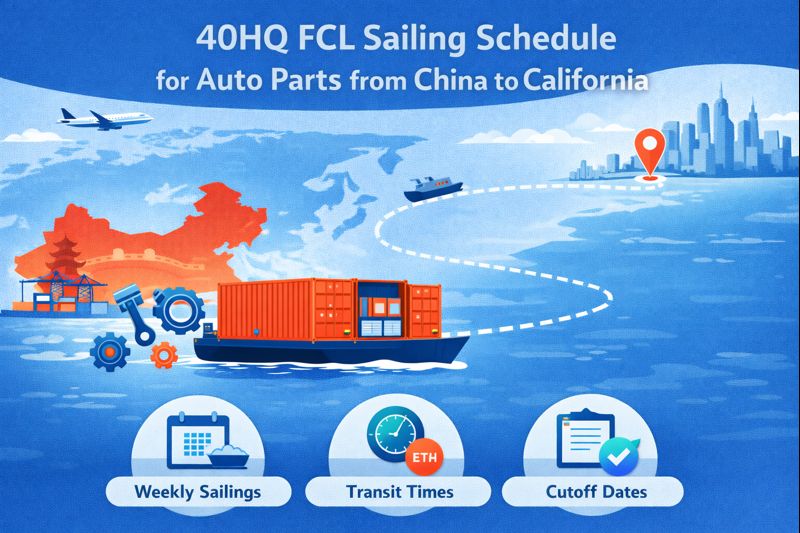
When exporters manage the 40HQ FCL sailing schedule for auto parts from China to California, timing accuracy directly affects inventory flow and production continuity. However, by choosing the right ports, understanding weekly sailings, and aligning cutoffs, schedules can remain reliable even during peak periods. Therefore, this guide breaks down practical scheduling logic and real-world planning tips based on experience from Top China Freight.
What makes 40HQ FCL suitable for auto parts shipments?
Auto parts often combine dense weight with irregular packaging, which makes 40HQ containers a practical choice. Compared with standard 40GP units, 40HQ offers extra cubic capacity that accommodates palletized parts, racks, and knock-down components more efficiently.
Moreover, full container load shipping keeps auto parts under single-shipper control. As a result, cargo handling reduces, and schedule predictability improves—an important factor for just-in-time automotive supply chains.
Why is the sailing schedule critical for auto parts to California?
Auto parts supply chains rely on steady replenishment rather than one-off shipments. Therefore, consistent sailing schedules matter more than occasional fast transits. Missed sailings can delay assembly lines or aftermarket distribution.
In addition, California ports handle high volumes year-round. Because congestion can shift ETAs, understanding the 40HQ FCL sailing schedule for auto parts from China to California helps importers plan buffer time and maintain service levels.
Should importers use port-to-port or door-to-door services?
Service scope shapes schedule control. Port-to-port shipping suits experienced importers with strong domestic networks. Yet, door-to-door services simplify coordination for multi-warehouse distribution.
By integrating door-to-door transport with 40HQ FCL planning, importers synchronize ocean arrival with inland delivery. As a result, inventory reaches facilities faster and with fewer handoffs.
What are the common sailing routes to California?
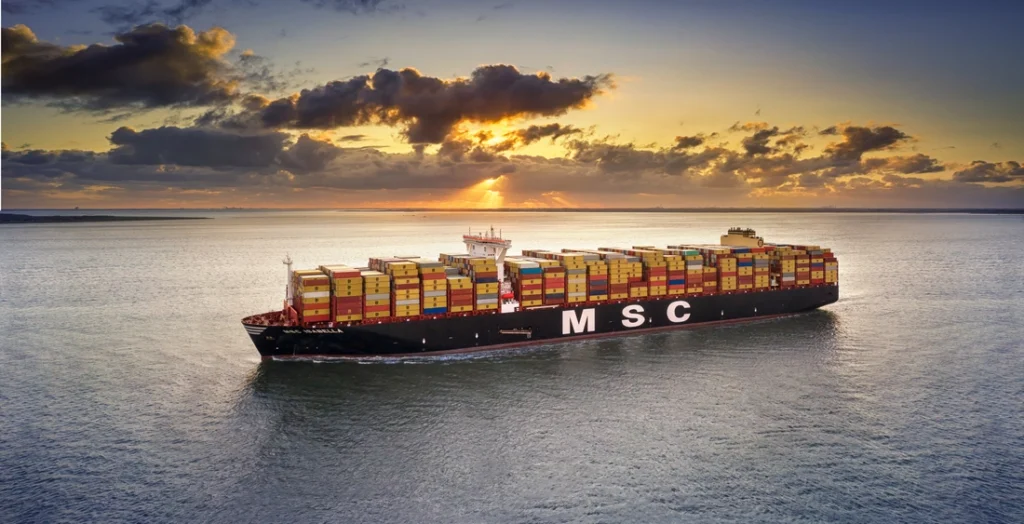
Most 40HQ FCL auto parts shipments follow direct trans-Pacific routes, although alternatives exist depending on congestion and capacity.
Route Type
Typical Ports
Schedule Stability
Direct Asia–West Coast
Shanghai → Los Angeles
High
Direct Asia–West Coast
Ningbo → Long Beach
High
Transshipment via Asia
South China → Busan → California
Medium
Because auto parts shipments favor consistency, direct services usually remain the preferred option.
Case Studies
Auto parts shipment to Los Angeles
Origin: Shanghai, China Destination: Los Angeles, California Cargo: Engine components and brackets Container: 40HQ FCL Transit Time: 16 days
This shipment relied on a weekly direct sailing. As a result, the importer maintained steady inventory replenishment without expedited freight.
Ningbo to Long Beach aftermarket parts
Origin: Ningbo, China Destination: Long Beach, California Cargo: Aftermarket suspension parts Container: 40HQ FCL Transit Time: 17 days
Early booking secured space during a busy season. Consequently, the shipment avoided rollover and arrived on schedule.
How can shippers keep 40HQ FCL sailing schedules reliable?
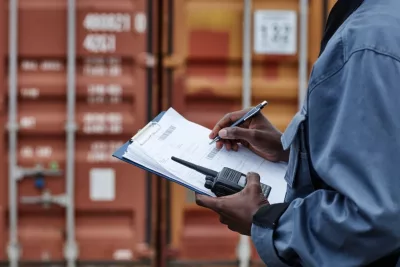
Although sailing schedules are published in advance, reliability depends on preparation. Therefore, exporters should align production completion with carrier cutoffs and submit VGM and documents early. When paperwork clears before deadlines, containers gate in smoothly and reduce rollover risk.
Additionally, monitoring weekly capacity updates helps shippers adjust quickly. If a vessel fills faster than expected, moving to an adjacent sailing week often preserves overall delivery plans.
How do customs and compliance affect sailing timelines?
Customs clearance timing directly influences final delivery. While sailing schedules define ocean transit, clearance readiness determines terminal dwell time. Therefore, importers prepare HS codes, invoices, and packing lists in advance.
Working with customs brokerage services accelerates clearance and helps containers exit ports promptly, protecting downstream schedules.
What risks remain during peak season sailings?
Peak season introduces equipment shortages, tighter cutoffs, and schedule adjustments. Even with confirmed bookings, vessels may roll cargo if volumes spike unexpectedly.
Nevertheless, proactive booking and flexible sailing windows reduce exposure. When shippers plan two to three weeks ahead, they maintain better control over the 40HQ FCL sailing schedule for auto parts from China to California.
Conclusion
Managing the 40HQ FCL sailing schedule for auto parts from China to California requires more than checking departure dates. Instead, success depends on port selection, cutoff discipline, route consistency, and inland coordination. When these elements align, auto parts shipments arrive on time and support uninterrupted operations. For importers seeking stability, structured scheduling remains the smartest approach.
Request A Free Quote
Start shipping smarter with TopChinaForwarder today! 🚢✨ Request a Free Quote 📝 and get a tailored logistics plan built around your cargo and timeline.