
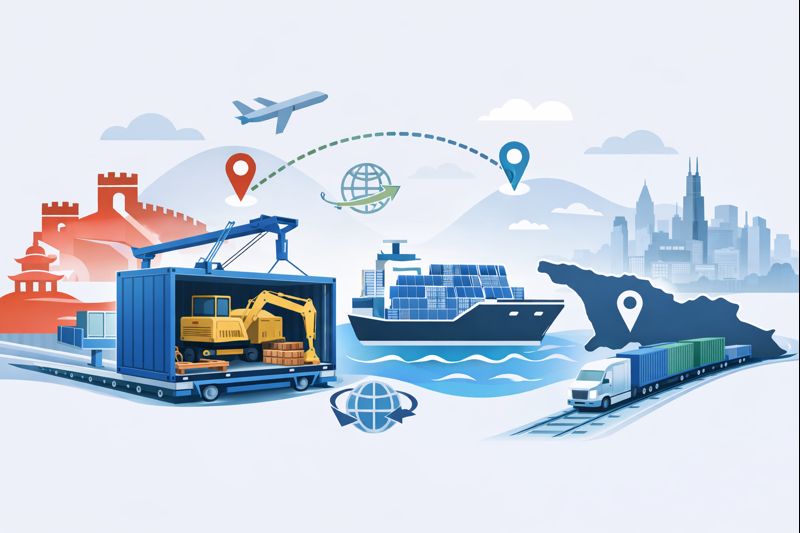
When exporters move oversized or top-loaded equipment, the Open Top FCL best route for machinery from China to Georgia determines whether projects stay on schedule or stall at ports. However, open top containers introduce extra constraints around port capability, crane access, and inland clearance. Therefore, this guide breaks down route logic, gateway choices, and execution tactics—starting with coordinated planning supported by Top China Freight.
Why does open top FCL change route planning for machinery?
Open top FCL differs from standard containers in handling, port eligibility, and weather exposure. As a result, route planning must prioritize ports and carriers that routinely handle out-of-gauge cargo.
How machinery dimensions drive routing decisions
Machinery that exceeds height limits requires top loading and certified lashing. Consequently, routes with minimal transshipment reduce rehandling risk and speed approvals. Moreover, fewer handoffs simplify surveyor inspections and insurance alignment.
Why direct sailings matter more for open top cargo
Because each lift requires crane availability, direct sailings limit delays caused by yard reshuffles. Therefore, exporters often favor gateways with proven open top workflows over nominally shorter routes.
What are the primary ocean routes from China to Georgia?
Georgia-bound machinery typically enters the U.S. through East Coast or Gulf Coast gateways, depending on project timelines and inland distance.
East Coast gateways for open top machinery
Ports such as Savannah, Norfolk, and Charleston support heavy-lift operations and offer strong rail and trucking links into Georgia. Although ocean transit is longer, these gateways often deliver smoother total lead times for open top FCL.
Gulf Coast alternatives and when they work best
Houston and Mobile can be effective when inland distance or congestion avoidance outweighs sailing time. However, carrier frequency and open top availability should be verified early.
Why inland delivery planning matters for Georgia projects
Ocean routing sets the foundation, but inland execution determines on-time delivery.
Rail versus trucking for open top containers
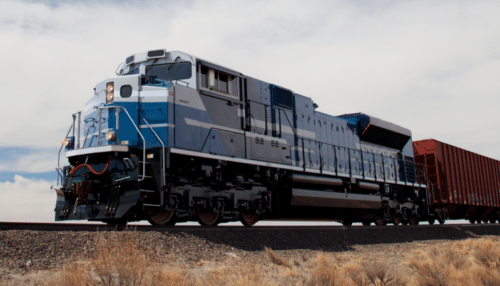
Rail can move heavy units efficiently over distance, while trucking offers flexibility for final placement. Therefore, gateway choice should align with inland mode availability and project site access.
This coordination works best when ocean routing integrates with reliable sea freight execution and pre-booked inland capacity.
How do costs differ by route and gateway?
Open top FCL pricing reflects both ocean freight and specialized handling.
Core cost drivers for open top machinery
Costs typically include ocean freight, open top surcharges, lashing and survey fees, terminal handling, inland rail or trucking, and customs processing. As a result, comparing all-in landed cost yields better decisions than focusing on base rates.
| Cost Area | East Coast | Gulf Coast |
|---|---|---|
| Ocean Freight | Medium | Medium |
| Handling & Lashing | Predictable | Variable |
| Inland Distance to GA | Short | Medium |
Case Studies
Open top machinery shipment to Georgia
Shipment details
Origin: Ningbo, China
Destination: Savannah, Georgia
Cargo: Industrial press machine
Container: 1 × Open Top 40’ FCL
Dimensions: Over-height, top-loaded
Route strategy
The exporter selected a direct East Coast sailing with pre-approved lashing and rail-to-truck transfer near the port.
Outcome
The shipment arrived door to site in 46 days, avoiding rehandling and meeting installation milestones.
Heavy equipment open top shipment to Georgia
Shipment details
Origin: Shanghai, China
Destination: Charleston, South Carolina → Georgia site
Cargo: Power-generation machinery
Container: 1 × Open Top 40’ FCL
Weight: 28 tons
Route strategy
The exporter selected an East Coast gateway with strong heavy-lift capability and scheduled trucking directly to the project site.
Outcome
Despite peak-season congestion elsewhere, the shipment arrived within 48 days door to site, maintaining installation sequencing.
How can exporters reduce risk for open top machinery shipments?
Because open top containers expose cargo from above during handling, risk control must start before loading and continue through inland delivery. Otherwise, even a well-chosen route may underperform.
Key risk points unique to open top FCL
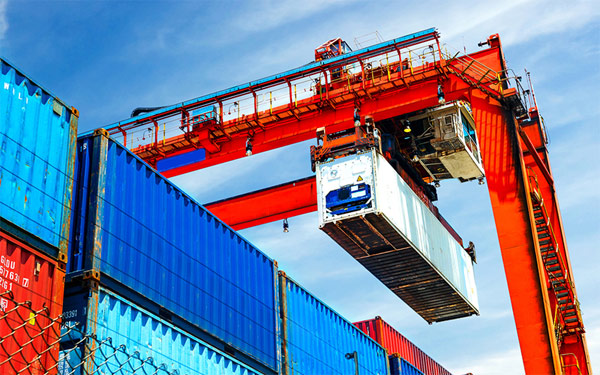
Open top machinery faces weather exposure during port operations, higher crane dependency, and stricter lashing standards. In addition, inspection frequency increases, which can extend dwell time if documents or photos are incomplete.
Practical mitigation measures that work
To reduce risk, shippers should arrange certified lashing, waterproof coverings, and pre-loading surveys. Moreover, selecting ports with routine open top handling lowers the chance of operational surprises and claim disputes.
How do customs and compliance affect open top routing?
Open top cargo often attracts closer scrutiny, making documentation accuracy critical.
Machinery-specific clearance considerations
Accurate HS codes, packing declarations, and survey reports speed inspections. Moreover, ports with experienced inspectors reduce clearance variability.
Integrating customs into route planning
Aligning filings with vessel arrival minimizes holds. Many exporters streamline this step using professional customs brokerage coordinated before discharge.
Should routing strategy change during peak seasons?
Yes, peak seasons significantly affect open top container availability and port efficiency.
How peak demand reshapes open top routes
During peak months, carriers allocate fewer open top units and prioritize standard containers. As a result, some ports experience longer waiting times for crane slots and surveys.
Smart adjustments during high-risk periods
Experienced exporters book equipment earlier, confirm open top acceptance at both origin and destination, and avoid marginal ports. Consequently, schedule reliability improves even when capacity tightens.
Conclusion
Selecting the Open Top FCL best route for machinery from China to Georgia requires more than choosing a port on a map. When exporters align port capability, carrier reliability, inland delivery, and compliance planning, open top shipments move with far greater predictability. With informed routing and disciplined execution, even oversized machinery reaches Georgia safely and on schedule.
Request A Free Quote
Start shipping smarter with TopChinaForwarder today! 🚢✨ Request a Free Quote 📝 and get a tailored logistics plan built around your cargo and timeline.
FAQ:
When is an open top container required for machinery?
Open top containers are used when machinery exceeds standard height limits or requires top loading by crane.
Are open top routes more expensive than standard FCL?
Yes, due to equipment scarcity, lashing, and handling, but proper routing controls total cost.
Which U.S. ports handle open top machinery best?
Ports with heavy-lift infrastructure and experience, such as Savannah, Charleston, and Norfolk, perform consistently.
How early should open top space be booked?
Ideally 3–4 weeks ahead, especially during peak seasons.
Does insurance differ for open top shipments?
Coverage terms may vary due to exposure, so policies should match handling realities.