
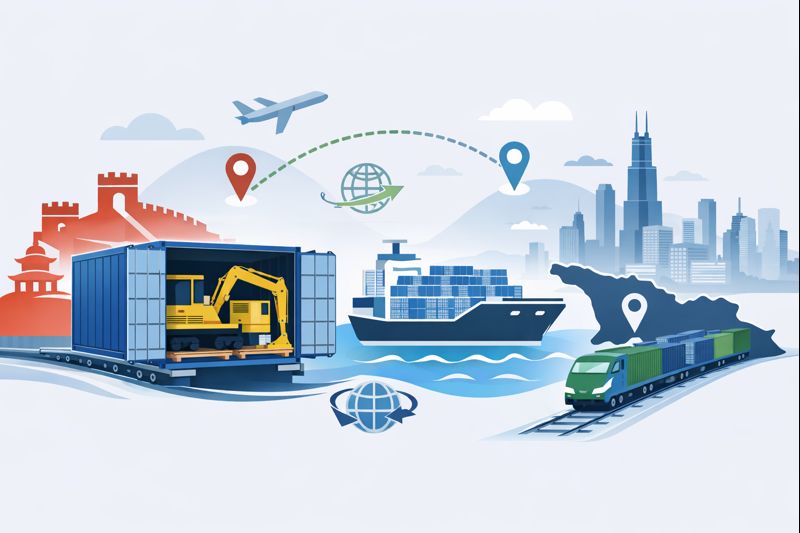
When manufacturers and importers plan FCL shipping for machinery from China to Chicago, the challenge extends far beyond booking a container. Because machinery is heavy, high-value, and often time-critical, route selection, port choice, and inland delivery planning directly affect total cost and project timelines. Therefore, this guide explains how to move industrial equipment efficiently and compliantly, starting with experienced coordination from Top China Freight.
Why is FCL the preferred option for shipping machinery?
Although some machinery can move as breakbulk or LCL, full container load shipping offers greater control and predictability.
How machinery characteristics favor FCL shipping
Machinery shipments usually involve heavy weight, irregular dimensions, and strict handling requirements. As a result, FCL shipping minimizes cargo movement and reduces exposure to damage. Moreover, sealed containers limit theft risk and simplify insurance arrangements.
When FCL outperforms other shipping methods
Compared with LCL, FCL shortens handling time and improves schedule reliability. Meanwhile, compared with breakbulk, containerized transport offers easier inland transfer by rail or truck. Consequently, FCL shipping becomes the most balanced option for most industrial machinery imports.
What machinery types are commonly shipped via FCL to Chicago?
Because Chicago serves as a major Midwest logistics hub, it receives a wide range of industrial equipment.
Common machinery categories
Typical FCL machinery shipments include:
- CNC machines and production line equipment
- Construction and mining machinery components
- Packaging and processing equipment
- Agricultural and food-processing machinery
These cargo types benefit from controlled loading, blocking, and bracing inside containers.
Container size considerations for machinery
Although both 20GP and 40GP containers are used, weight distribution often determines the final choice. For example, dense machinery frequently fits better in 20GP containers to comply with axle and port weight limits.
Why inland rail is critical for Chicago-bound machinery
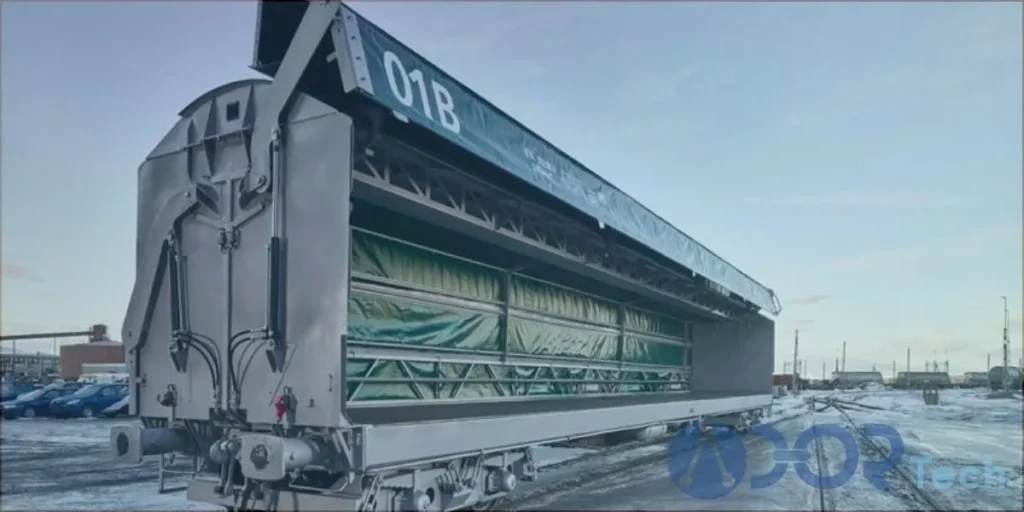
As a major rail hub, Chicago relies heavily on intermodal transport.
Rail advantages for heavy machinery
Rail offers cost efficiency for long inland distances and handles heavy containers more effectively than trucking alone. Therefore, many FCL shipments discharge at coastal ports and continue inland by rail.
This approach aligns well with integrated sea freight and inland coordination, ensuring smoother container handoff between transport modes.
How does route selection affect shipping machinery to Chicago?
Although Chicago is inland, ocean routing decisions strongly influence overall transit time and cost.
West Coast versus East Coast gateways
West Coast ports such as Los Angeles and Long Beach provide shorter ocean transit from China. However, inland rail congestion can affect delivery schedules. In contrast, East Coast ports offer longer ocean transit but sometimes more stable rail access to the Midwest.
| Gateway Option | Ocean Transit | Inland Rail Distance | Typical Use Case |
|---|---|---|---|
| US West Coast | Shorter | Longer | Time-sensitive cargo |
| US East Coast | Longer | Moderate | Schedule stability |
| US Gulf Coast | Medium | Variable | Project-specific |
Therefore, selecting the right gateway depends on project timelines and inland delivery requirements.
Case Studies
Industrial machinery shipment to Chicago
Shipment details
Origin: Shanghai, China
Destination: Chicago, USA
Cargo: Industrial production machinery
Container: 1 × 20GP FCL
Weight: 22 tons
Route strategy
The importer selected a West Coast gateway with scheduled intermodal rail to Chicago, prioritizing speed while maintaining predictable inland transit.
Outcome
The shipment arrived within 34 days door to door, meeting factory installation deadlines and avoiding peak rail congestion.
Heavy equipment shipment to Illinois
Shipment details
Origin: Ningbo, China
Destination: Chicago, USA
Cargo: Heavy industrial equipment
Container: 1 × 40GP FCL
Weight: 26 tons
Route strategy
The importer selected an East Coast gateway to reduce rail congestion risk, then moved the container inland by scheduled rail service.
Outcome
Although ocean transit took longer, total delivery remained predictable at 41 days, supporting phased installation without downtime.

How can importers manage risk when shipping machinery by FCL?
Because machinery shipments involve high weight and value, risk management must be addressed before containers leave the factory. Otherwise, small oversights can cause major disruptions later.
Key risks during China–Chicago machinery transport
Common risks include improper blocking and bracing, moisture damage during ocean transit, and rail delays at inland hubs. In addition, port congestion may extend dwell time, increasing demurrage exposure.
Practical risk-reduction strategies
To reduce exposure, shippers should insist on professional container loading, moisture protection, and pre-loading inspections. Moreover, aligning insurance coverage with actual handling practices ensures losses remain manageable rather than catastrophic.
Can door-to-door services improve machinery delivery outcomes?
While some importers manage each leg separately, others prefer integrated solutions.
Benefits of door-to-door coordination
Door-to-door services consolidate responsibility across ocean, rail, and final delivery. As a result, communication gaps shrink and problem resolution accelerates.
This integrated approach works especially well when paired with professional door-to-door logistics that align schedules across all transport stages.
How can cost efficiency be improved without increasing risk?
Cost control does not require sacrificing reliability when approached strategically.
Smart cost-optimization tactics
Importers often save by selecting appropriate container sizes, optimizing weight distribution, and aligning shipments with stable sailing schedules. Additionally, transparent cost breakdowns support better budgeting decisions.
Balancing cost and performance
By comparing total landed cost instead of headline freight rates, shippers achieve more consistent outcomes. As a result, FCL shipping decisions support both financial and operational goals.
Conclusion
Choosing FCL shipping for machinery from China to Chicago requires balancing route selection, inland rail planning, customs compliance, and risk control. When these elements align, machinery moves predictably despite long distances and complex handling needs. With informed planning and experienced coordination, importers gain reliability, cost transparency, and confidence across the entire supply chain.
Request A Free Quote
Start shipping smarter with TopChinaForwarder today! 🚢✨ Request a Free Quote 📝 and get a tailored logistics plan built around your cargo and timeline.
FAQ:
What container size is best for machinery shipping to Chicago?
20GP suits heavy machinery, while 40GP works better for lighter or oversized equipment.
How long does customs clearance usually take?
Most machinery clears within 1–3 days when documentation is accurate.
Can machinery ship with other cargo in the same container?
Yes, but only when weight, stability, and customs rules allow safe consolidation.
Is insurance necessary for machinery FCL shipments?
Is insurance necessary for machinery FCL shipments?
Can door-to-door services reduce delays?
Yes, integrated services simplify coordination and improve schedule control.