
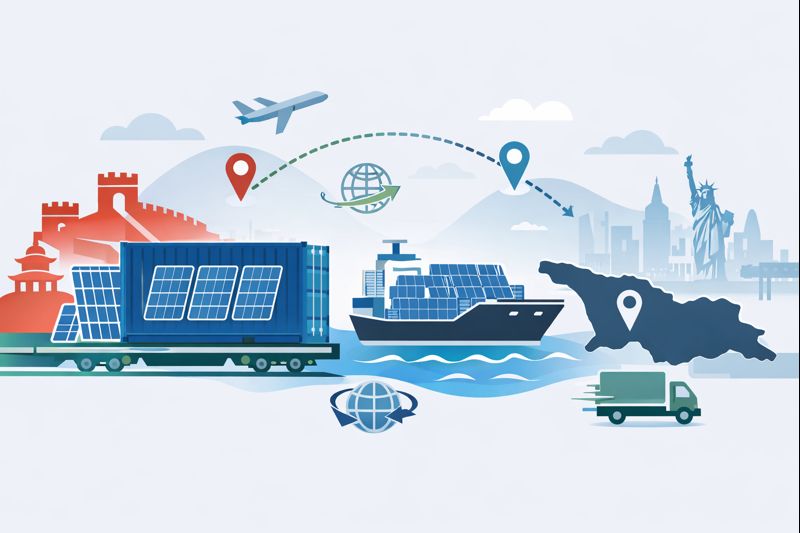
When exporters evaluate large-volume renewable energy cargo, the 20GP FCL best route for solar panels from China to USA becomes a critical decision that directly affects cost, delivery schedules, and compliance risk. However, because solar panels are oversized, fragile, and time-sensitive, route planning often proves more complex than expected. Therefore, this guide explains how to select ports, optimize transit time, and build a resilient route strategy supported by real-world logistics practices, starting with experienced coordination from Top China Freight.
Why route selection matters for solar panel FCL shipments
Although ocean freight appears standardized, route selection can dramatically change outcomes for solar panel imports. Solar panels combine high unit value with strict installation timelines, so delays quickly translate into financial pressure.
How solar panel cargo changes routing priorities
Compared with general cargo, solar panels require wider loading tolerance, stable stacking, and limited transshipment. As a result, exporters often prioritize direct sailings and ports with strong project cargo handling capacity. Moreover, avoiding unnecessary transshipment reduces vibration and handling risks during the voyage.
Cost and schedule impact of route decisions
Even when freight rates appear similar, route efficiency varies widely. A shorter sailing with congested discharge ports may cost more overall than a slightly longer route with smoother inland transfer. Consequently, route planning must balance ocean time, port congestion, and inland connectivity.
What are the main ocean routes from China to the USA?
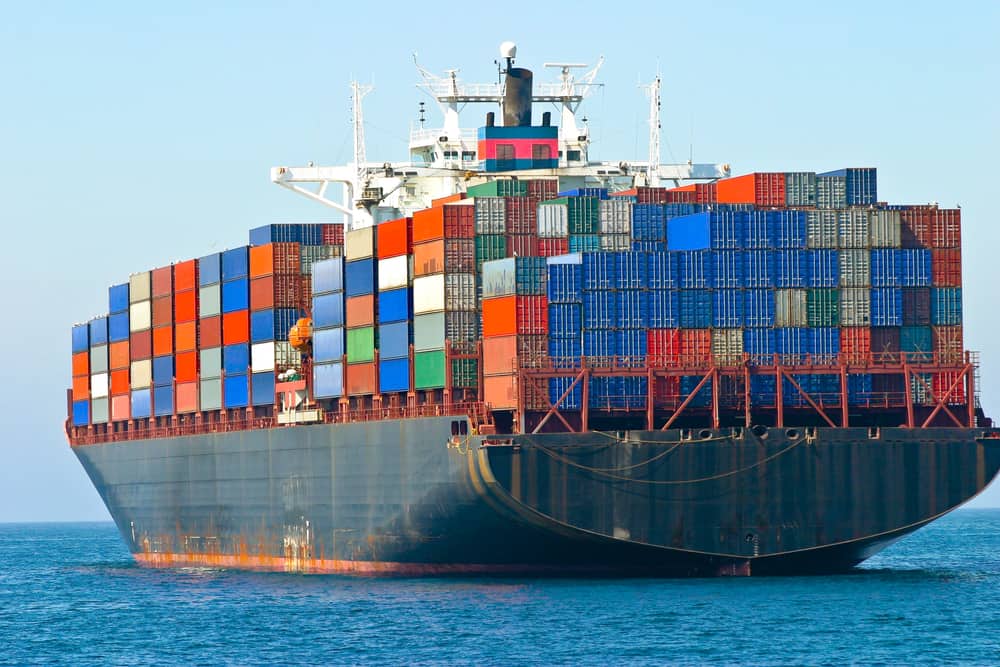
To understand the 20GP FCL best route for solar panels from China to USA, exporters first need a clear picture of the primary ocean corridors.
West Coast routes: speed-focused strategies
West Coast ports such as Los Angeles, Long Beach, and Oakland offer the shortest ocean transit from major Chinese ports. Therefore, these routes are often favored when project timelines are tight. However, peak season congestion and rail capacity limits can affect inland delivery schedules.
East Coast routes: stability-focused alternatives
East Coast ports, accessed via the Panama Canal or Suez Canal, provide broader inland distribution options. Although transit time is longer, these routes sometimes deliver more predictable total lead time for large solar projects in the central or eastern United States.
How do inland routes shape the overall logistics strategy?
Although ocean transport attracts most attention, inland routing often determines final delivery success.
Rail versus trucking after port discharge
For large solar projects, rail offers cost efficiency over long distances, while trucking provides flexibility for final-mile delivery. As a result, combining ocean freight with optimized inland planning improves cost control and schedule predictability.
This integrated approach aligns well with professional FCL & LCL services that coordinate container flow across multiple transport legs.
What transit times should shippers realistically expect?
Although advertised sailing times provide guidance, real transit performance depends on the entire logistics chain.
| Route Type | Typical Ocean Transit | Total Door-to-Door Range |
|---|---|---|
| China to US West Coast | 12–16 days | 25–35 days |
| China to US East Coast | 28–35 days | 40–50 days |
| China to US Gulf Coast | 30–38 days | 42–55 days |
Because inland delivery and port dwell time vary, exporters should build buffer days into project schedules rather than relying solely on carrier estimates.
Case Studies
Solar panel shipment to California
Shipment details
Origin: Ningbo, China
Destination: Los Angeles, USA
Cargo: Photovoltaic solar panels
Container: 1 × 20GP FCL
Total weight: 21 tons
Route strategy
The exporter selected a direct West Coast sailing with minimal transshipment and scheduled inland trucking to a regional distribution center.
Outcome
The shipment arrived within 31 days door to door, meeting installation deadlines while avoiding peak rail congestion.
Solar panel shipment to Texas
Shipment details
Origin: Shanghai, China
Destination: Houston, USA
Cargo: Utility-scale solar panels
Container: 1 × 20GP FCL
Total weight: 23 tons
Route strategy
The exporter selected a Gulf Coast route to shorten inland trucking distance and avoid West Coast congestion during peak season.
Outcome
Although ocean transit took longer, the total door-to-door time reached 44 days, remaining stable and predictable for the project schedule.
How do freight costs differ by route choice?
Although the ocean leg represents a major portion of total spend, route-related costs go beyond base freight rates. Therefore, exporters must evaluate total landed cost rather than headline pricing alone.
Comparing cost drivers across US regions
West Coast routes often deliver lower ocean freight rates due to high sailing frequency. However, inland rail congestion and trucking surcharges can offset those savings. In contrast, East Coast routes usually involve higher ocean rates but may reduce inland mileage for projects located in the Midwest or Eastern states.
| Route Focus | Ocean Freight Level | Inland Cost Impact | Overall Cost Trend |
|---|---|---|---|
| US West Coast | Lower to medium | Medium to high | Balanced |
| US East Coast | Medium to high | Lower inland mileage | Stable |
| US Gulf Coast | Medium | Project-specific | Variable |
As a result, the 20GP FCL best route for solar panels from China to USA depends heavily on final installation location rather than ocean distance alone.
Why risk management matters for solar panel routing
Solar panels face unique risk exposure due to size, glass components, and tight project schedules. Consequently, routing decisions must account for both physical and operational risk.
Key risks along different routes
Longer routes increase exposure to moisture and vibration, while congested ports raise the likelihood of extended dwell time. Moreover, inland bottlenecks can disrupt synchronized delivery for large-scale solar projects.
Reducing risk through route design
Exporters often mitigate risk by limiting transshipment, selecting ports with strong heavy-cargo handling, and planning inland delivery in advance. In many cases, aligning route strategy with reliable sea freight solutions improves overall cargo integrity and schedule control.
Should exporters reconsider routes as logistics trends evolve?
Logistics trends continuously reshape optimal routing strategies.
Emerging trends affecting route planning
Carrier network adjustments, port infrastructure upgrades, and rail capacity investments alter route performance over time. Consequently, exporters should regularly reassess routing assumptions instead of relying on historical patterns.
Staying adaptive in a changing supply chain
By reviewing performance data and maintaining flexible contracts, shippers stay resilient amid shifting market conditions and trade dynamics.
Conclusion
Choosing the 20GP FCL best route for solar panels from China to USA requires more than selecting the shortest ocean path. When exporters balance port selection, inland connectivity, seasonal risk, and compliance needs, routing becomes a strategic advantage rather than a cost center. With the right planning, solar panel shipments move predictably, efficiently, and in alignment with project goals.
Request A Free Quote
Start shipping smarter with TopChinaForwarder today! 🚢✨ Request a Free Quote 📝 and get a tailored logistics plan built around your cargo and timeline.
FAQ:
What is the fastest route for solar panels from China to the USA?
West Coast routes usually offer the shortest ocean transit, but total time depends on port congestion and inland delivery.
Are East Coast routes more reliable than West Coast routes?
They can be more stable during peak seasons, especially for projects located in the Midwest or Eastern USA.
How does port choice affect customs clearance?
Ports with strong inspection capacity often clear cargo faster, reducing dwell time.
Can routes be changed mid-shipment?
Changes are possible but usually increase cost and complexity, so advance planning is critical.
Does peak season increase routing risk?
Yes, congestion and equipment shortages make early booking and flexible routing essential.