
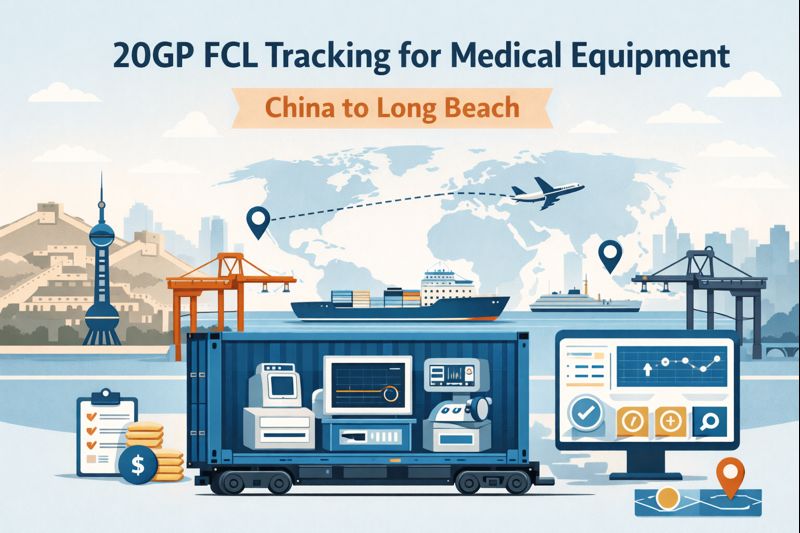
When high-value medical equipment moves in a 20GP container, shipment visibility becomes a business-critical requirement rather than a nice-to-have feature. Therefore, 20GP FCL tracking for medical equipment from China to Long Beach must combine real-time data, compliance awareness, and delivery coordination to avoid costly blind spots. With structured tracking systems and support from Top China Freight, importers gain consistent visibility from factory pickup to final release at the Port of Long Beach.
What Makes 20GP FCL Tracking Essential for Medical Equipment?
Medical equipment shipments differ sharply from general cargo. Because products often involve precision components, regulatory oversight, or temperature sensitivity, tracking gaps introduce unacceptable risks.
First, 20GP FCL tracking system for medical equipment shipments ensures cargo integrity throughout ocean transit. When container milestones are visible, delays can be flagged early. Second, tracking supports regulatory accountability, especially when FDA-related documentation aligns with shipment status.
Moreover, medical equipment shipping from China to Long Beach typically follows fixed delivery commitments. Without tracking transparency, supply chain planning quickly loses accuracy.
How Real-Time Container Tracking Improves Shipment Control
Real time container tracking China to Long Beach transforms how importers manage uncertainty. Instead of reacting after delays occur, teams can anticipate changes while corrective actions remain possible.
For example, live vessel position data helps predict berth availability at Long Beach. As a result, customs brokers and trucking partners can prepare clearance and pickup in advance. In addition, milestone alerts reduce internal communication gaps between procurement, compliance, and logistics teams.
Therefore, tracking evolves from a monitoring tool into an operational decision engine.
Why 20GP FCL Is Commonly Used for Medical Equipment
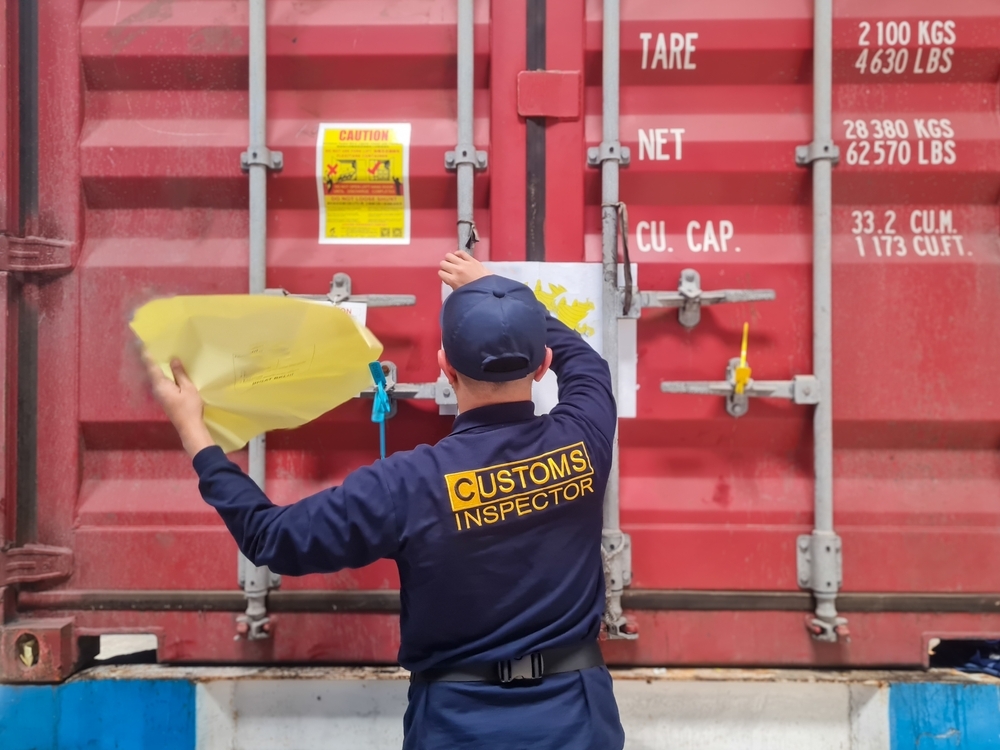
Many importers select 20GP containers because medical equipment often ships in dense, high-value loads rather than volumetric cargo. Consequently, 20GP FCL offers better weight distribution and tighter control.
Additionally, full container load shipping reduces handling frequency. Fewer touchpoints mean fewer tracking uncertainties and lower damage risk. When combined with structured FCL & LCL shipping solutions, tracking accuracy improves across the entire journey.
Comparison of Tracking Methods for Medical Equipment Shipments
| Tracking Method | Visibility Level | Best Use Case | Limitations |
|---|---|---|---|
| Carrier Tracking | Basic | Vessel milestones | Limited inland data |
| GPS Container Devices | High | Sensitive medical cargo | Higher cost |
| Integrated Platform | End-to-end | Compliance-driven supply chains | Requires coordination |
This comparison shows why integrated tracking platforms often suit medical equipment imports best, balancing visibility and operational efficiency.
Case Studies
Diagnostic Equipment Shipped to Long Beach
Route: Shanghai → Long Beach
Cargo: Diagnostic imaging components
Container: 20GP FCL
Transit time: 17 days
Because real-time container tracking was enabled, a mid-route delay was identified early. Consequently, customs documents were pre-cleared, allowing immediate release upon arrival and zero port dwell time.
Surgical Devices with Tight Delivery Windows
Route: Shenzhen → Long Beach
Cargo: Surgical equipment
Container: 20GP FCL
Transit time: 19 days
In this shipment, end to end tracking for FCL medical equipment allowed the importer to adjust trucking schedules proactively. As a result, the container exited the terminal within free days despite port congestion.
Can Tracking Reduce Risk for Temperature-Sensitive Medical Equipment?
Although not all medical devices require temperature control, many high-value units remain sensitive to heat, humidity, or vibration. Therefore, tracking plays a preventive role rather than a reactive one.
By monitoring container movement patterns and dwell time, importers can identify risk points before exposure occurs. For instance, prolonged anchorage outside Long Beach may signal congestion risks. Consequently, contingency plans such as expedited pickup can be triggered early.
In this way, tracking does not just report location; instead, it supports risk control for medical equipment container shipments.
Should You Combine Tracking with Door-to-Door Planning?
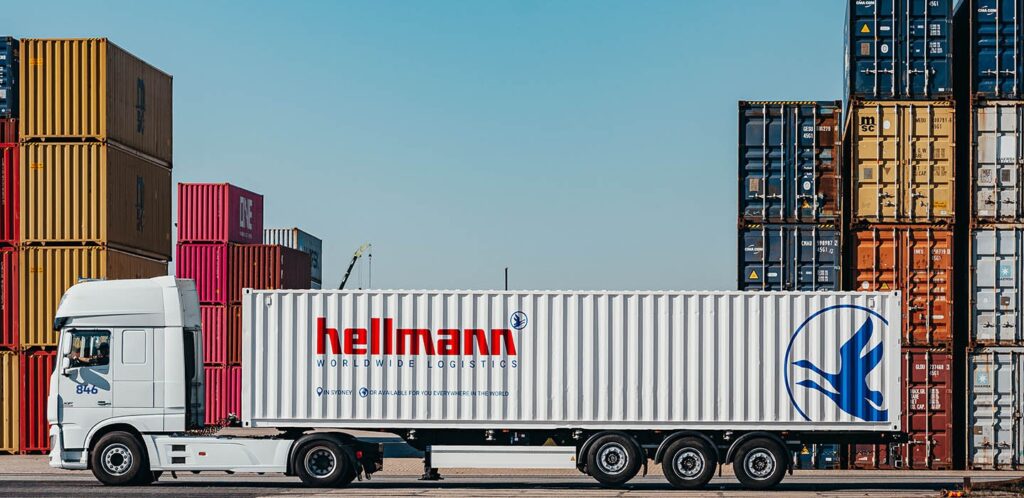
Tracking becomes most effective when paired with delivery execution. Without inland coordination, even accurate tracking loses value.
By aligning container availability with final delivery schedules, importers reduce dwell time and protect margins. In many cases, integrating tracking with door-to-door logistics services ensures continuity from port release to final destination.
As a result, tracking supports not only visibility but also execution discipline.
Building a Resilient Medical Equipment Tracking Strategy
A resilient tracking strategy balances technology, process, and communication. Systems alone cannot solve visibility gaps without disciplined execution.
Successful importers define clear tracking milestones, assign ownership for responses, and maintain communication across stakeholders. As a result, exceptions are managed proactively rather than reactively.
With experience across regulated cargo lanes, Top China Freight supports tracking frameworks that scale across shipments without adding operational friction.
Conclusion
Effective 20GP FCL tracking for medical equipment from China to Long Beach depends on more than vessel location updates. When real-time visibility, customs coordination, and delivery planning work together, importers gain control over both risk and cost. With the right tracking strategy, medical supply chains remain predictable even under changing port conditions.
Request A Free Quote
Start shipping smarter with TopChinaForwarder today! 🚢✨ Request a Free Quote 📝 and get a tailored logistics plan built around your cargo and timeline.
FAQ:
Does 20GP FCL tracking show inland delivery status?
Some systems do. Integrated platforms can include trucking milestones after port release.
Can tracking reduce customs clearance delays?
Tracking itself does not clear customs, but it aligns document timing with arrival milestones.
How often are tracking updates refreshed?
Update frequency varies, but most systems refresh vessel data multiple times per day.
Can tracking integrate with inventory systems?
Many platforms allow integration, improving inventory forecasting accuracy.
Are tracking costs significant compared to freight charges?
Tracking costs remain relatively low and often offset demurrage or delay expenses.