
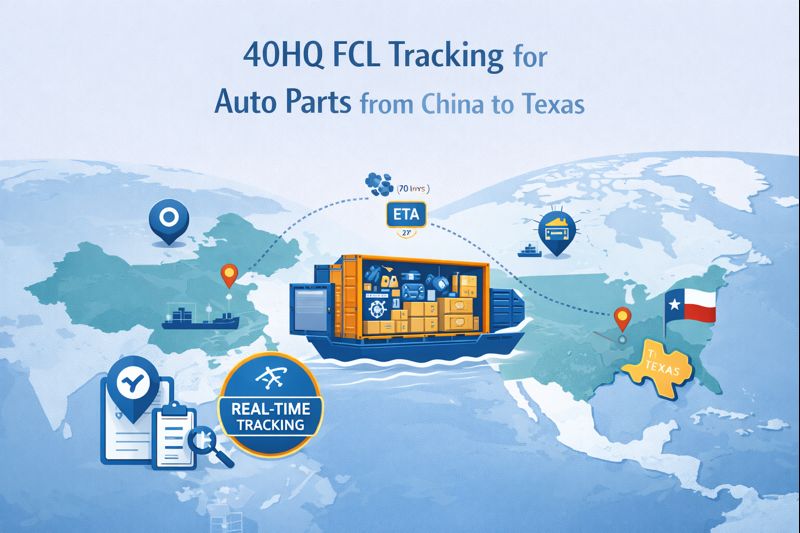
To begin with, 40HQ FCL tracking for auto parts from China to Texas has become a critical requirement for manufacturers and distributors operating lean, time-sensitive supply chains. Because auto parts shipments often support just-in-time production and aftermarket demand, any visibility gap can quickly disrupt operations. Therefore, this guide explains how end-to-end tracking works in practice and how shippers rely on experienced partners like Top China Freight to maintain control from factory gate to Texas delivery points.
What Does 40HQ FCL Tracking Mean for Auto Parts Shipments?
40HQ FCL tracking refers to monitoring a full high-cube container carrying automotive components across every logistics milestone. Rather than a single status update, it provides continuous shipment visibility.
Why Tracking Matters for Automotive Supply Chains
Auto parts supply chains depend on precise timing. As a result, real time FCL container tracking from China to Texas enables planners to align production schedules, warehouse labor, and downstream distribution with actual vessel progress.
How Does End-to-End FCL Tracking Work from China to Texas?
Tracking starts before the vessel departs and continues until final delivery.
Core Tracking Stages
A complete tracking flow typically includes:
- Booking confirmation and container release
- Gate-in and vessel loading at origin port
- Ocean transit and transshipment monitoring
- Arrival, customs clearance, and inland delivery
By integrating these stages, end to end tracking for auto parts FCL shipments eliminates blind spots that often appear between port handovers.
Key Tracking Milestones for 40HQ FCL Shipments
| Tracking Stage | Typical Status Shown | Why It Matters |
|---|---|---|
| Booking & Container Release | Container number assigned | Confirms space and equipment availability |
| Vessel Departure | ETD confirmed | Aligns production and warehouse planning |
| Mid-Ocean Transit | Vessel position & speed | Early warning of delays or rerouting |
| Port Arrival (USA) | ATA updated | Triggers customs and inland planning |
| Customs Clearance | Released / Under Review | Determines delivery reliability |
| Inland Delivery | Out-gate & POD | Confirms final handover |
How Does Customs Clearance Affect Tracking Visibility?
Tracking does not stop at vessel arrival.
Customs as a Visibility Milestone
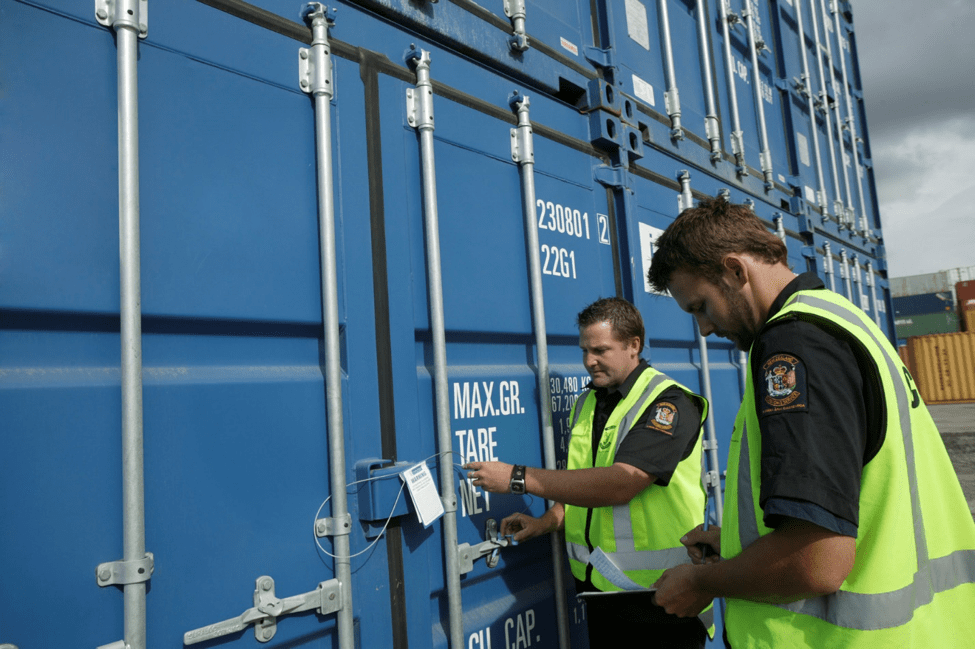
During US import clearance, status updates often pause if documentation is incomplete. Therefore, customs clearance tracking for auto parts imports in the USA becomes a vital checkpoint, especially for high-value automotive components.
Shippers who coordinate documentation through professional customs brokerage services experience fewer tracking gaps and faster release times.
How Accurate Are ETA Predictions for Texas-Bound FCL Shipments?
Estimated time of arrival is one of the most valuable tracking outputs, yet also one of the most misunderstood.
Predictive ETA tracking for FCL auto parts shipments combines:
- Vessel speed and routing data
- Port congestion indicators
- Historical transit patterns
Although weather and congestion still affect outcomes, predictive models provide earlier alerts than static sailing schedules.
Typical Transit Time Ranges from China to Texas
| Route Segment | Average Transit Time | Key Variables |
|---|---|---|
| China Port → US West Coast | 14–18 days | Carrier schedule, weather |
| China Port → US Gulf (Houston) | 25–32 days | Direct vs transshipment |
| US Port → Texas Inland | 2–6 days | Rail vs truck availability |
| Total Door-to-Door | 26–38 days | Customs & inland coordination |
Case Studies
Engine Components to Dallas, Texas
Route: Shanghai → Los Angeles → Dallas
Cargo: Engine components on pallets
Container Type: 40HQ FCL
Transit Time: ~32 days door-to-door
Outcome: Real-time tracking allowed the importer to reschedule warehouse labor and avoid demurrage during port congestion.
Brake System Parts to Houston, Texas
Route: Ningbo → Houston
Cargo: Brake system assemblies
Container Type: 40HQ FCL
Transit Time: ~28 days port-to-door
Outcome: Predictive ETA alerts enabled early document correction during customs review, preventing delivery delays.
Can Inland Transport Be Tracked After Port Arrival?
Ocean tracking alone is insufficient for Texas-bound deliveries.
Port-to-door FCL tracking for auto parts integrates trucking or rail updates once containers exit the port. Many importers combine this with structured door-to-door transport to maintain continuous visibility until final receipt.
Common Causes of Tracking Delays and Mitigation Actions
| Delay Cause | Impact on Tracking | Mitigation Strategy |
|---|---|---|
| Port congestion | ETA changes, vessel rollover | Early alert and inland rescheduling |
| Blank sailings | Missed departures | Flexible routing and buffer planning |
| Customs inspection | Clearance delays | Pre-audit documents and HS codes |
| Inland capacity shortage | Delivery delays | Pre-book rail or truck slots |
Which Ports Matter Most for Tracking Accuracy?
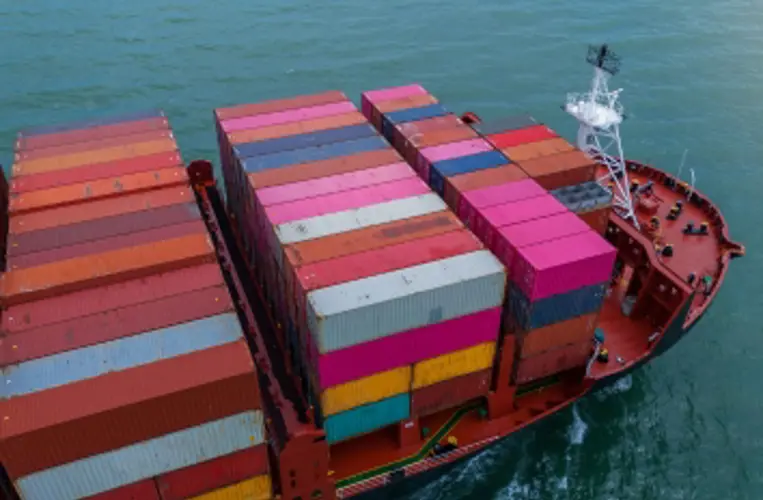
Most auto parts shipments depart from major Chinese ports such as Shanghai, Ningbo, and Shenzhen (Yantian). On the US side, Los Angeles, Houston, and Savannah are common gateways.
Monitoring these ports closely strengthens China-to-Texas FCL tracking visibility solutions, especially during peak seasons.
How Can Importers Use Tracking Data to Reduce Risk?
Tracking becomes valuable only when used proactively.
When tracking signals slower vessel speed or port congestion, planners can reschedule labor, adjust inventory buffers, or reallocate stock between facilities. As a result, tracking evolves from passive visibility into an operational control tool.
Conclusion
In summary, 40HQ FCL tracking for auto parts from China to Texas delivers far more than location updates—it provides supply chain control, planning confidence, and risk visibility. By combining real-time data, predictive ETA, and inland tracking, importers maintain stability even during volatile shipping cycles. Companies that integrate tracking into daily operations consistently outperform those relying on static schedules.
Request A Free Quote
Start shipping smarter with TopChinaForwarder today! 🚢✨ Request a Free Quote 📝 and get a tailored logistics plan built around your cargo and timeline.
FAQ:
How often is 40HQ FCL tracking updated?
Updates occur at major milestones such as vessel departure, arrival, customs release, and inland handover.
Can I track my container after it leaves the US port?
Yes, inland tracking via truck or rail is available for port-to-door visibility.
Does tracking include customs clearance status?
Most professional systems display clearance milestones and inspection alerts.
What causes gaps in tracking visibility?
Port congestion, carrier system delays, or incomplete customs documents are common causes.
Is GPS tracking mandatory for FCL shipments?
No, GPS is optional, but it enhances visibility for high-value or time-critical cargo.