
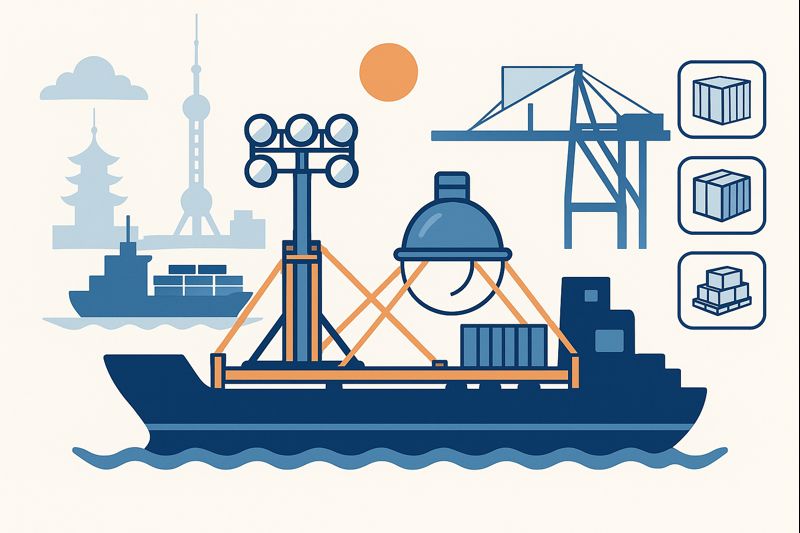
As oversized lighting exports continue to rise, the Flat Rack FCL container shortage solution for lighting from China to Long Beach has become a critical concern for project buyers and import managers. However, limited flat rack availability, longer repositioning cycles, and West Coast congestion frequently disrupt schedules. Therefore, this guide explains why shortages occur and outlines actionable solutions based on real shipments coordinated by Top China Freight.

Why are Flat Rack containers in short supply on China–US routes?
Although flat rack containers are essential for oversized lighting, their supply remains structurally tight. Consequently, understanding the root causes helps shippers plan realistically.
Imbalanced equipment flows
Flat racks move slowly back to Asia after US discharge. As a result, empty repositioning cycles are much longer than standard dry containers.
Carrier allocation priorities
Shipping lines often reserve flat racks for high-margin project cargo. Therefore, mid-sized lighting exporters face booking delays.
Port congestion on the US West Coast
Long Beach congestion extends container turnaround time. Consequently, available flat racks decline further during peak periods.

What lighting products typically require Flat Rack FCL?
Not all lighting shipments need flat racks. However, certain categories almost always do.
Oversized architectural lighting
Large-format fixtures and façade lighting exceed standard container dimensions. Therefore, flat racks provide open-side and top access.
Industrial and stadium lighting
Heavy-duty lighting masts and frames require crane loading. As a result, flat rack FCL ensures safe handling.
Project-based mixed lighting
Engineering projects often ship irregular-shaped units. Consequently, flat racks support custom lashing layouts.
Can Open Top containers replace Flat Racks for lighting?
In some cases, Open Top containers provide a viable alternative. However, suitability depends on cargo profile.
When Open Top works
If lighting cargo exceeds height limits but fits within container width, Open Top containers may work. As a result, availability improves.
When Flat Rack remains necessary
Cargo exceeding width or requiring side loading still needs flat racks. Therefore, substitution is not universal.
Cost and risk comparison
Open Top often costs less but requires stricter loading controls. Consequently, shippers must balance savings against handling risk.
Many exporters assess these options through professional FCL and LCL services before committing.
What early planning steps reduce Flat Rack booking risk?
Because availability is unpredictable, prevention starts early. Therefore, exporters should adopt a structured approach.
| Planning Action | Impact on Availability |
|---|---|
| Early cargo dimension confirmation | Faster carrier approval |
| Advance vessel selection | More flat rack options |
| Flexible sailing windows | Higher booking success |
| Alternative port readiness | Backup capacity access |
Early alignment between factory, forwarder, and carrier significantly improves outcomes.
Case Studies
Architectural lighting from Shenzhen to Long Beach
Shipment profile:
• Origin: Shenzhen, China
• Destination: Long Beach, USA
• Cargo: Oversized façade lighting frames
• Mode: Flat Rack FCL
Execution:
The shipper secured flat rack space by booking three weeks ahead and accepting a flexible sailing window. As a result, the cargo moved without rollover.
Outcome:
• Booking lead time: 18 days
• Transit reliability: High
• Cost variance: Controlled
Stadium lighting via Open Top alternative
Shipment profile:
• Origin: Ningbo, China
• Destination: Long Beach, USA
• Cargo: Stadium lighting structures
• Mode: Open Top FCL
Execution:
Because flat racks were unavailable, the forwarder redesigned the load plan for Open Top containers. Consequently, the shipment sailed on schedule.
Outcome:
• Delay avoided: Yes
• Cost change: Moderate saving
• Cargo condition: Intact
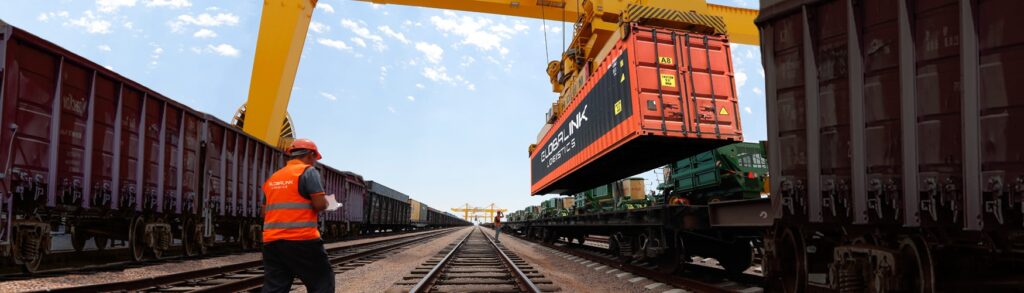
How can inland delivery planning reduce Flat Rack shortage impact?
Even when Flat Rack space is secured, inland execution determines whether schedules hold. Therefore, planning beyond the port is essential.
Pre-booked inland trucking
Flat Rack cargo requires specialized chassis and permits. As a result, reserving trucks before vessel arrival prevents idle time and extra charges.
Flexible discharge windows
Coordinating pickup within the first free days avoids congestion-related delays. Consequently, total project timelines stay intact.
Alternative yard strategies
Using off-dock yards near Long Beach provides flexibility if terminal appointments tighten.
How does customs readiness affect Flat Rack utilization?
Customs delays can neutralize even well-secured Flat Rack bookings. Therefore, documentation accuracy remains critical.
Accurate HS classification
Lighting products span multiple codes. Misclassification increases inspection probability and dwell time.
Early filing and review
Submitting documents before arrival shortens release cycles. Consequently, Flat Racks return to circulation faster.
Inspection preparedness
Oversized cargo faces higher inspection rates. Thus, clean packing and clear labeling reduce disruption.
Professional coordination through reliable customs brokerage services often prevents avoidable delays.
What indirect costs arise from Flat Rack shortages?
Shortages influence more than freight rates. Therefore, cost visibility matters.
| Cost Area | Impact of Shortage | Mitigation |
|---|---|---|
| Project delays | Missed installation windows | Early booking |
| Storage costs | Factory holding time | Flexible sailings |
| Budget overruns | Surcharges & premiums | Alternative modes |
Managing these costs requires holistic planning, not reactive booking.
Conclusion
In conclusion, solving the Flat Rack FCL container shortage solution for lighting from China to Long Beach requires early planning, flexible execution, and realistic alternatives. Rather than waiting for capacity to appear, proactive shippers secure options through Open Top substitutions, breakbulk strategies, and port diversification. With experienced logistics coordination, even severe Flat Rack shortages can be managed without derailing project schedules.
Request A Free Quote
Start shipping smarter with TopChinaForwarder today! 🚢✨ Request a Free Quote 📝 and get a tailored logistics plan built around your cargo and timeline.
FAQ:
Why are Flat Rack containers harder to book than standard containers?
Flat Racks have limited fleets and long repositioning cycles, which restrict availability.
How early should I book a Flat Rack for lighting cargo?
Ideally 3–4 weeks before departure, especially during peak project seasons.
Can Open Top containers fully replace Flat Racks?
Sometimes, but only if cargo fits width limits and can be safely top-loaded.
Is breakbulk shipping faster than waiting for Flat Rack space?
It can be, particularly during severe shortages, though handling risk increases.
How can I reduce risk during ongoing shortages?
Early booking, flexible routing, and alternative mode planning offer the best protection.