
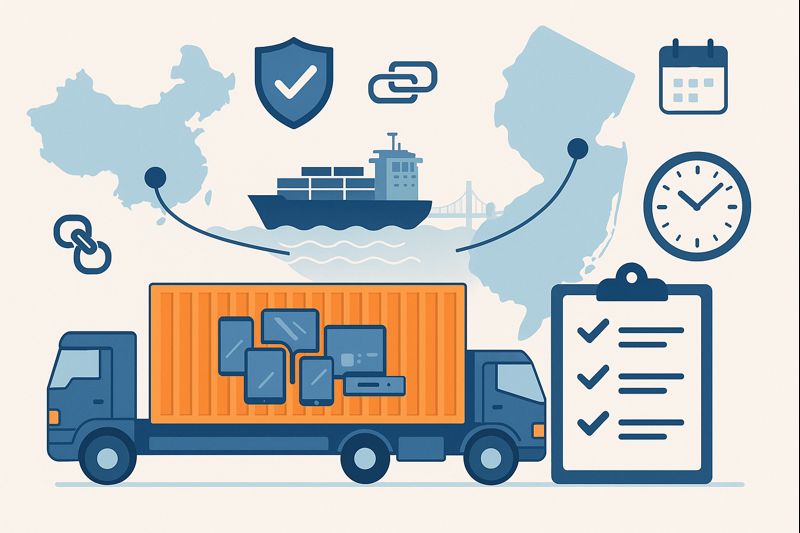
When shipping high-value electronics, 40GP FCL detention prevention for electronics from China to New Jersey quickly becomes a priority because a few missed days can erase profit margins; therefore, proactive planning matters. To address this challenge, this guide outlines proven prevention tactics across customs, trucking, and port operations, while showing how experienced partners like Top China Freight help importers keep containers moving. Ultimately, you’ll gain practical steps to protect free time and control post-arrival costs.
What Is Container Detention in 40GP FCL Shipments?
Container detention occurs when a container stays outside the terminal beyond the allowed free time. As a result, daily fees accumulate until the empty container is returned.
Why electronics shipments face higher detention risk
Electronics imports often require inspections, warehouse appointments, and careful handling. Consequently, electronics import detention prevention at New Jersey ports demands tighter coordination than standard cargo.
Detention vs demurrage
Demurrage applies when containers remain inside the port, while detention applies after pickup. Therefore, demurrage and detention control for electronics FCL shipments must address both sides of the terminal gate.
Why Is New Jersey a High-Risk Area for Detention?
New Jersey ports serve dense consumer markets, which increases congestion. As a result, container pickup and return planning to avoid detention USA becomes more complex.
Terminal congestion and appointment limits
During peak periods, truck appointments fill quickly. Consequently, delays in pickup extend the clock on free time even before the container leaves the port.
Warehouse scheduling constraints
Many New Jersey warehouses operate with fixed appointment windows. Therefore, warehouse appointment delays and FCL detention prevention should be planned together, not separately.
What Customs Issues Commonly Cause Detention?
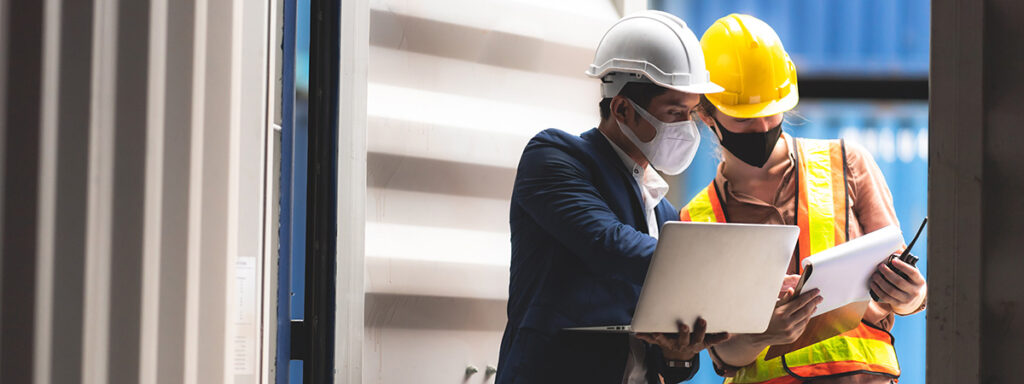
Customs delays are among the top causes of electronics shipping detention solutions China to New Jersey ports. Therefore, clearance readiness must be addressed early.
Documentation accuracy
Incorrect HS codes, valuation gaps, or missing compliance documents trigger holds. As a result, customs clearance delays causing FCL detention New Jersey are often avoidable.
Exam selection and inspections
Electronics are frequently selected for exams. Therefore, pre-arranged support through reliable customs brokerage services shortens inspection timelines.
Process Snapshot: Detention Prevention Workflow
| Stage | Key Action | Detention Impact |
|---|---|---|
| Pre-shipment | Confirm free time & docs | Sets buffer window |
| Arrival | Track discharge & release | Enables fast pickup |
| Inland | Coordinate warehouse slot | Avoids idle days |
| Return | Schedule empty drop-off | Stops daily fees |
Because each stage influences the next, skipping one step often leads to avoidable detention charges.
Case Studies
Electronics from Shenzhen to Newark
A US distributor shipped consumer electronics in a 40GP FCL from Shenzhen to Newark. By confirming extended free time and pre-booking trucks, the container was picked up within 24 hours of release and returned within the free window. As a result, zero detention fees were incurred despite peak-season congestion.
Consumer Electronics from Ningbo to Elizabeth
A retailer shipped smart devices in multiple 40GP containers from Ningbo to Port Elizabeth, New Jersey. By implementing pre-clearance, reserving warehouse slots before arrival, and scheduling empty returns immediately after unloading, the importer reduced average detention fees by over 90% across three months. This structured approach protected margins during peak season.
What Advanced Strategies Help Prevent Detention for Electronics?
Although basic planning reduces risk, 40GP FCL detention prevention for electronics from China to New Jersey often requires advanced tactics once volumes scale. Therefore, importers should combine operational discipline with data-driven decisions.
Using arrival forecasting and alerts
When ETAs are monitored closely, teams can adjust trucking and warehouse plans in advance. Consequently, early alerts reduce idle days between container release and pickup.
Splitting deliveries during peak congestion
If warehouse capacity is limited, partial unloading strategies can be used. As a result, containers return sooner, while cargo moves to short-term storage without triggering detention.
Can Door-to-Door Planning Reduce Detention Costs?
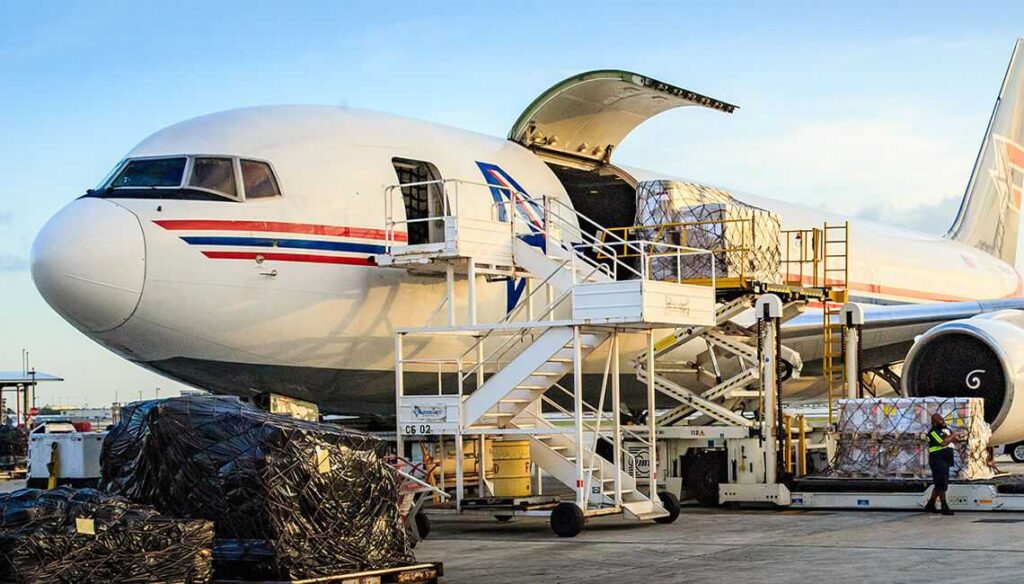
Rather than managing port, trucking, and warehousing separately, many importers adopt door-to-door coordination. Therefore, accountability improves across the supply chain.
Single-point responsibility
When one provider manages the shipment end to end, delays are identified faster. Consequently, container pickup and return planning to avoid detention USA becomes more consistent.
Inland delivery alignment
Coordinated inland delivery ensures warehouse appointments match port release times. As a result, free time is fully utilized instead of lost to misalignment. Many importers stabilize this process through professional door-to-door services.
Why Experienced Partners Make a Difference
Because detention costs escalate quickly, expertise matters. Therefore, experienced providers like Top China Freight focus on prevention rather than dispute resolution.
By integrating customs coordination, drayage planning, and carrier communication, they help importers manage 40GP FCL detention prevention for electronics from China to New Jersey with fewer surprises and more predictable costs.
Conclusion
40GP FCL detention prevention for electronics from China to New Jersey depends on early planning, disciplined execution, and aligned inland operations. By managing free time carefully, preparing customs documentation in advance, and coordinating trucking and returns, importers can avoid unnecessary penalties. With a structured strategy, detention becomes a controllable cost rather than an unavoidable risk.
Request A Free Quote
Start shipping smarter with TopChinaForwarder today! 🚢✨ Request a Free Quote 📝 and get a tailored logistics plan built around your cargo and timeline.
FAQ:
What is the main cause of detention for electronics imports?
Detention usually results from delayed pickup, customs holds, or missed empty return deadlines.
How much free time is typically offered for 40GP containers?
Free time varies by carrier and season, commonly ranging from 4 to 7 days.
Free time varies by carrier and season, commonly ranging from 4 to 7 days.
Free time varies by carrier and season, commonly ranging from 4 to 7 days.
Does door-to-door shipping eliminate detention risk?
It reduces risk through coordination but still requires active monitoring.
When should trucking be booked to avoid detention?
Trucking should be arranged before vessel arrival to ensure immediate pickup.