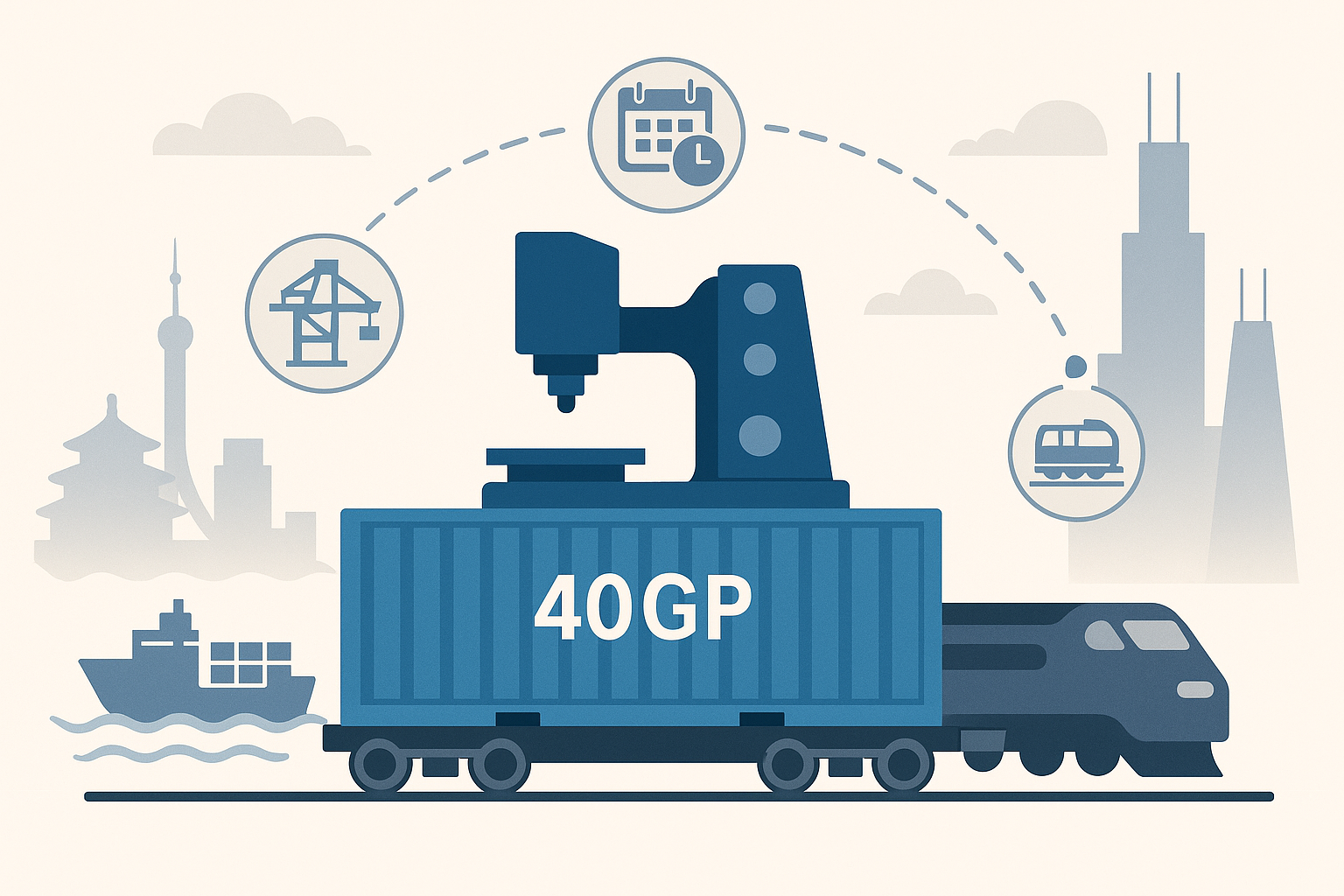
To control 40GP FCL detention prevention for machinery from China to Chicago, importers must coordinate port free time, customs clearance, and Midwest rail delivery with precision. However, heavy machinery shipments often face higher detention risks due to weight limits, inspections, and inland bottlenecks. Therefore, this guide explains proven prevention strategies, operational checkpoints, and real-world scenarios, supported by experience from Top China Freight.
What Causes Container Detention for Machinery Shipments to Chicago?
Container detention occurs when importers keep containers beyond the allowed free time after pickup. For machinery cargo, this risk increases because unloading takes longer and inland transport often relies on rail ramps serving the Chicago area.
Moreover, congestion at US ports or rail terminals delays container return. Consequently, detention fees accumulate quickly when planning gaps appear between port release and final unloading.
How Does Free Time Work for 40GP FCL Containers?
Free time defines the number of days a container can remain outside the terminal without penalty. Although free time varies by carrier, machinery shipments frequently consume it faster.
Stage
Typical Free Time
Risk Factor
Port pickup
3–5 days
Customs or exam delays
Inland transport
Included
Rail congestion
Unloading & return
Limited
Heavy cargo handling
Therefore, aligning unloading schedules with free time limits remains critical for detention prevention.
How Can Pre-Arrival Planning Reduce Detention Risk?
Pre-arrival planning forms the foundation of detention prevention. First, importers should complete customs documentation before vessel arrival. Next, rail bookings and chassis reservations should align with estimated discharge dates.
Additionally, coordinating unloading teams before container pickup shortens dwell time. Working with providers offering integrated door-to-door transport often simplifies this coordination.
How Does Inland Rail Impact Detention for Chicago-Bound Containers?
Most Chicago-bound FCL shipments move inland by rail after port discharge. While rail reduces trucking distance, it introduces new detention exposure.
Delayed rail departures or ramp congestion extend container possession time. Therefore, synchronizing rail schedules with unloading capacity becomes essential, especially for heavy machinery that requires specialized equipment.
Case Studies
Shanghai to Chicago CNC Machinery
Shipment profile: Origin: Shanghai, China Destination: Chicago, USA Cargo: CNC machining centers Container: 1 × 40GP FCL Weight: 23 tons
Prevention strategy: The importer completed customs filing before arrival and reserved a rail slot in advance. Unloading crews were scheduled within 24 hours of container pickup.
Outcome: The container was returned two days before free time expired, avoiding detention charges entirely.
Ningbo to Chicago Industrial Press Equipment
Shipment profile: Origin: Ningbo, China Destination: Chicago, USA Cargo: Industrial press components Container: 1 × 40GP FCL Weight: 25 tons
Prevention strategy: The importer arranged customs pre-clearance, confirmed rail ramp appointments, and secured a standby unloading crew.
Outcome: Despite minor rail congestion, the container returned within free time. The shipment avoided detention charges and met production deadlines.
Should Importers Adjust Delivery Schedules to Prevent Detention?
Flexible delivery schedules reduce detention risk by absorbing small delays without penalty. When unloading teams and warehouses build buffer windows, container turnaround accelerates.
Furthermore, adjusting delivery times during peak congestion periods lowers rail and trucking conflicts. As a result, schedule flexibility acts as a low-cost insurance policy against detention.
What Role Does Customs Clearance Play in Detention Prevention?
Customs clearance delays directly consume free time. Machinery shipments often trigger inspections due to value, weight, or technical classification.
By preparing accurate HS codes, invoices, and packing lists, importers reduce exam probability. Moreover, engaging a reliable customs brokerage service accelerates release and protects free days.
How Do Rail Ramp Bottlenecks in Chicago Create Detention Pressure?
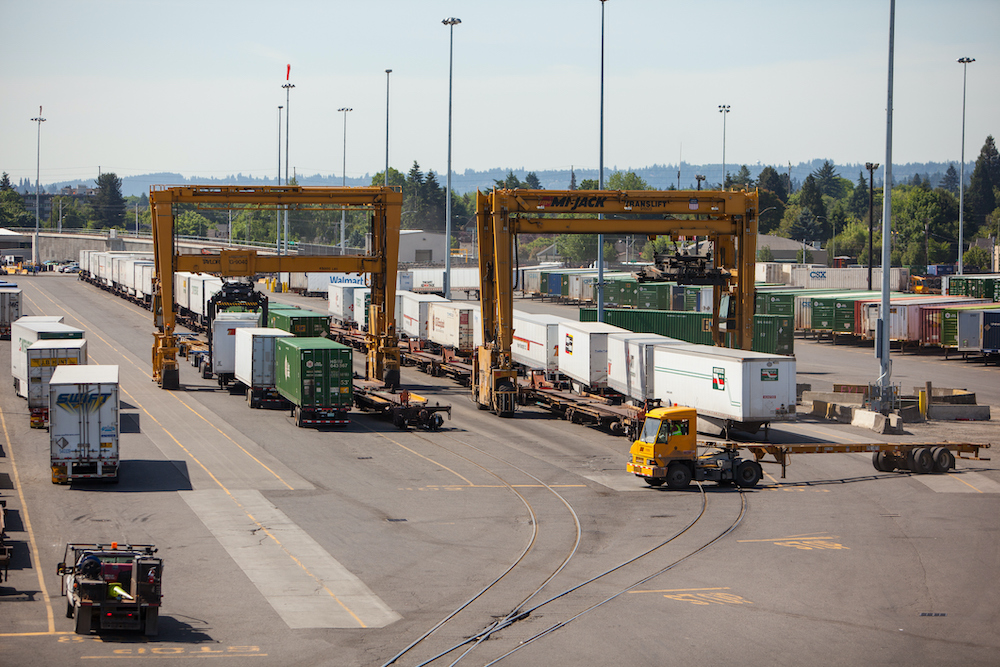
Chicago rail ramps handle massive daily volumes, which creates unavoidable congestion during peak periods. When rail dwell increases, containers remain on chassis longer than planned.
Additionally, chassis shortages amplify detention risk because containers cannot return promptly even after unloading. Therefore, importers must plan rail ramp pickup and return schedules well before vessel arrival, rather than reacting after discharge.
Conclusion
Effective 40GP FCL detention prevention for machinery from China to Chicago depends on early planning, disciplined coordination, and realistic time management. By controlling free time usage, synchronizing rail and unloading schedules, and preparing customs documentation in advance, importers can avoid costly detention charges. Ultimately, structured logistics planning transforms detention risk into a controllable operational variable.
Request A Free Quote
Start shipping smarter with TopChinaForwarder today! 🚢✨ Request a Free Quote 📝 and get a tailored logistics plan built around your cargo and timeline.