
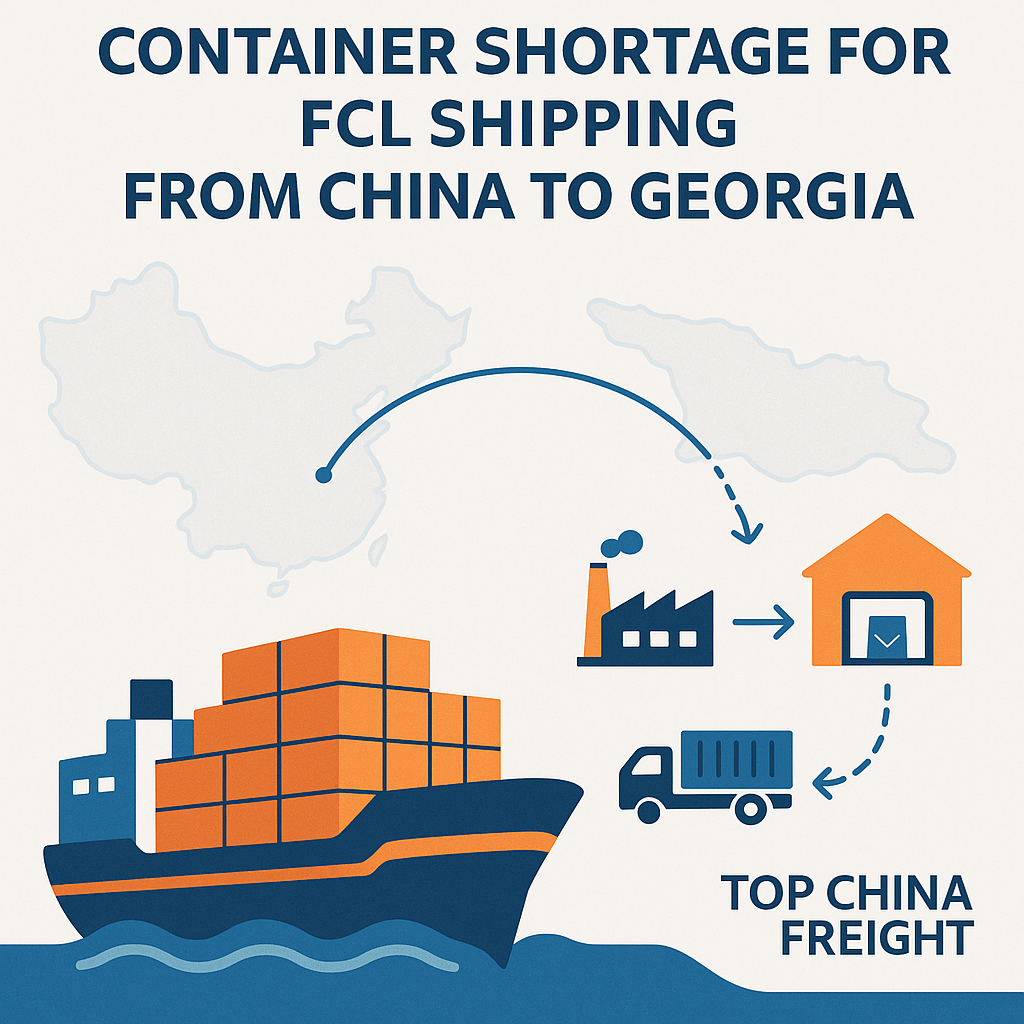
Although many importers depend on FCL capacity, the rising imbalance of container equipment has intensified delays. Therefore, this article breaks down a practical container shortage solution for FCL shipping from China to Georgia, offering fast and predictable fixes you can apply immediately. Moreover, you can explore additional global freight insights easily through our homepage, allowing you to strengthen your operations with a clearer strategy.

What Causes Container Shortages for FCL Shipping from China to Georgia?
Container shortages occur when demand rises faster than repositioning efforts, and China often experiences this during export peaks. Moreover, the Georgia trade lane sees extra pressure because many containers stay inbound longer, slowing circulation. As a result, shippers must secure FCL container availability from China to Georgia earlier and optimize booking cycles to stabilize their supply chain.
Key Factors
- Seasonal demand surges from retail and industrial sectors
- Equipment imbalance across Asian and U.S. East Coast ports
- Longer container dwell times in Georgia during congestion
- Carrier-level space rationing and schedule disruptions
Because these challenges often overlap, companies need layered solutions rather than relying on one tactic alone.
How Can Early Booking Optimization Reduce Container Shortages?
Early booking works because carriers allocate equipment based on weekly forecasts. Consequently, businesses that finalize shipping plans earlier gain priority for China Georgia FCL booking optimization, especially on tight routes such as Ningbo–Savannah or Shanghai–Georgia inland rail connections.
Practical Booking Steps
- Lock space at least 14–21 days ahead during peak season
- Share volume forecasts with carriers or forwarders
- Prepare documents early to avoid rollovers
- Explore flexible sailing windows to expand options
Additionally, early planning reduces rate volatility, giving importers cost-efficient FCL allocation methods without sacrificing transit time.
What Alternative Ports Help Improve Container Availability?
When main ports face equipment shortages, using alternative gateways often opens access to fresh inventory. Therefore, many Georgia-bound shippers diversify origin ports to secure capacity faster.
Recommended Options
- Qingdao for stable reefers and dry containers
- Xiamen for faster vessel turnaround
- Tianjin when southern ports face congestion
- Nansha for short-haul feeder consolidation
Because container equipment varies by region, choosing flexible origin ports also supports freight container supply improvement China exporters depend on.
What Are the Most Effective Strategies for Peak Season Container Shortages?
During high-demand months, traditional booking becomes insufficient. However, implementing structured methods can significantly improve success rates.
Strategic Approaches
- Use mixed modes: sea + rail for multimodal backup plans
- Accept slight route changes for higher success rates
- Prioritize carriers with better equipment repositioning
- Strengthen relationships with contracted forwarders
Although peak seasons remain challenging, businesses that diversify methods consistently secure secure FCL capacity planning for Georgia shipments.
Comparison Table: Best Workarounds for Container Shortage
| Strategy Type | Benefit | When to Use | Long-Tail Relevance |
|---|---|---|---|
| Early Booking | Higher container allocation | All seasons | FCL container availability |
| Alternative Ports | More flexible inventory | Port congestion | alternative ports for China exports |
| Multimodal Backup | Reduces rollover risk | Peak season | multimodal backup plan for FCL shortage |
| Flexible Routing | Faster confirmation | During space tightening | flexible FCL space reservation |
Case Studies
Lighting Equipment, Shanghai → Georgia
Cargo: 1×40HQ lighting equipment
Issue: Severe shortage at Shanghai due to pre-holiday rush
Solution: Switched to Xiamen origin; used flexible FCL space reservation solutions
Cost Impact: Saved approx. 8–12% compared with waiting for Shanghai equipment
Transit Time: 28 days door-to-door
Outcome: Shipment secured instantly through diversified port selection
This case reflects how alternative origins reduce waiting time, especially when supported by structured space planning.
Heavy Machinery, Ningbo → Georgia
Cargo: 1×40GP heavy machinery
Issue: Severe equipment imbalance at Ningbo; carriers prioritized contracted volume
Solution: Used a multimodal backup plan to route through Qingdao depot with sea–rail combination
Transit Time: 33 days to Georgia warehouse
Cost Variation: +6% compared with regular sea freight, yet avoided 10–14 days of waiting
Result: Shipment moved without delay, validating the benefit of diversified sourcing
This example highlights how multimodal flexibility supports reliable export container pickup in China, particularly when heavy cargo cannot wait for standard equipment repositioning.
How Does Better Carrier Scheduling Improve Container Access?
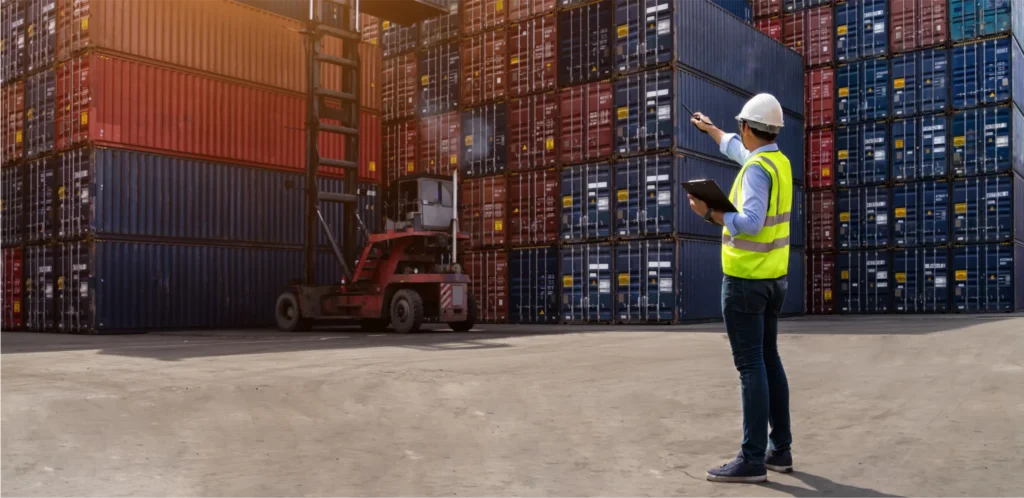
Carriers shift container pools weekly, and those adjustments shape equipment available for China–Georgia trades. Therefore, importers gain better stability when they coordinate with partners who monitor FCL carrier scheduling optimization across multiple shipping lines. Moreover, frequent schedule reviews prevent rollovers and give shippers more predictable sailing windows.
Key Scheduling Actions
Route Mapping
Mapping alternative sailings allows companies to move cargo through ports that have surplus containers. Thus, it avoids bottlenecks created by regional imbalances.
Transit Time Balancing
Balancing transit duration between mainline and feeder services helps companies secure equipment without compromising their delivery schedule.
Weekly Forecast Adjustments
Because demand shifts quickly, frequent updates improve the odds of securing cost-efficient FCL allocation methods.
How Can Top China Freight Support Complex FCL Equipment Shortages?
As shippers seek stability, they often need more than basic booking support. Therefore, Top China Freight provides proactive container sourcing, alternative port routing, and customs-ready documentation to reduce risk. Additionally, our services such as sea freight and FCL/LCL solutions integrate planning tools that help clients align capacity with their delivery schedules.
What Documentation Preparation Helps Prevent Container Delays?
Although equipment shortages often result from external factors, documentation errors can magnify the issue. However, proper preparation keeps shipments eligible for priority loading.
Documentation Checklist Table
| Document Type | Purpose | Timing | Outcome |
|---|---|---|---|
| Commercial Invoice | Confirms cargo value | Before booking | Faster carrier acceptance |
| Packing List | Verifies cargo details | Before CY cut-off | Reduces inspection delays |
| Export Declaration | Required for China customs | Early submission | Avoids last-minute hold |
| AMS/ISF Data | For U.S.–Georgia routing | 24–48 hrs before sailing | Ensures compliance |
| Trucking Papers | Gate-in verification | At loading | Smooth container release |
Therefore, preparing documents early avoids missing the loading window when container access temporarily opens.
Conclusion
A reliable container shortage solution for FCL shipping from China to Georgia requires early booking, flexible routing, multimodal planning, and strong documentation readiness. Additionally, companies that diversify port choices and work with forwarders who provide real-time visibility experience fewer delays. Therefore, importers looking to stabilize transit time and reduce risk should implement these strategies and coordinate closely with professional logistics partners for better control.
Request A Free Quote
Need a reliable logistics partner? Share your shipment details and we’ll provide a tailored quotation quickly and accurately.
FAQ:
How are FCL shipping rates affected during container shortages?
Rates often rise because demand increases faster than container repositioning. Although volatility is common, early booking helps stabilize costs.
What documents must be prepared to avoid loading delays?
You need invoices, packing lists, export declarations, AMS/ISF data, and gate-in papers. Preparing them early reduces the risk of missing loading windows.
How long do China–Georgia shipments take during shortage periods?
Transit time typically ranges from 28–35 days. However, alternative routing or multimodal solutions may keep the timeline steady even during peak congestion.
Are insurance options necessary during equipment shortages?
Insurance is recommended because rerouting may expose cargo to extra handling. Moreover, it protects goods if delays or deviations occur.
How can I improve shipment visibility during shortage seasons?
Digital platforms offer equipment alerts, congestion insights, and vessel tracking. Additionally, working with an integrated forwarder improves transparency.