
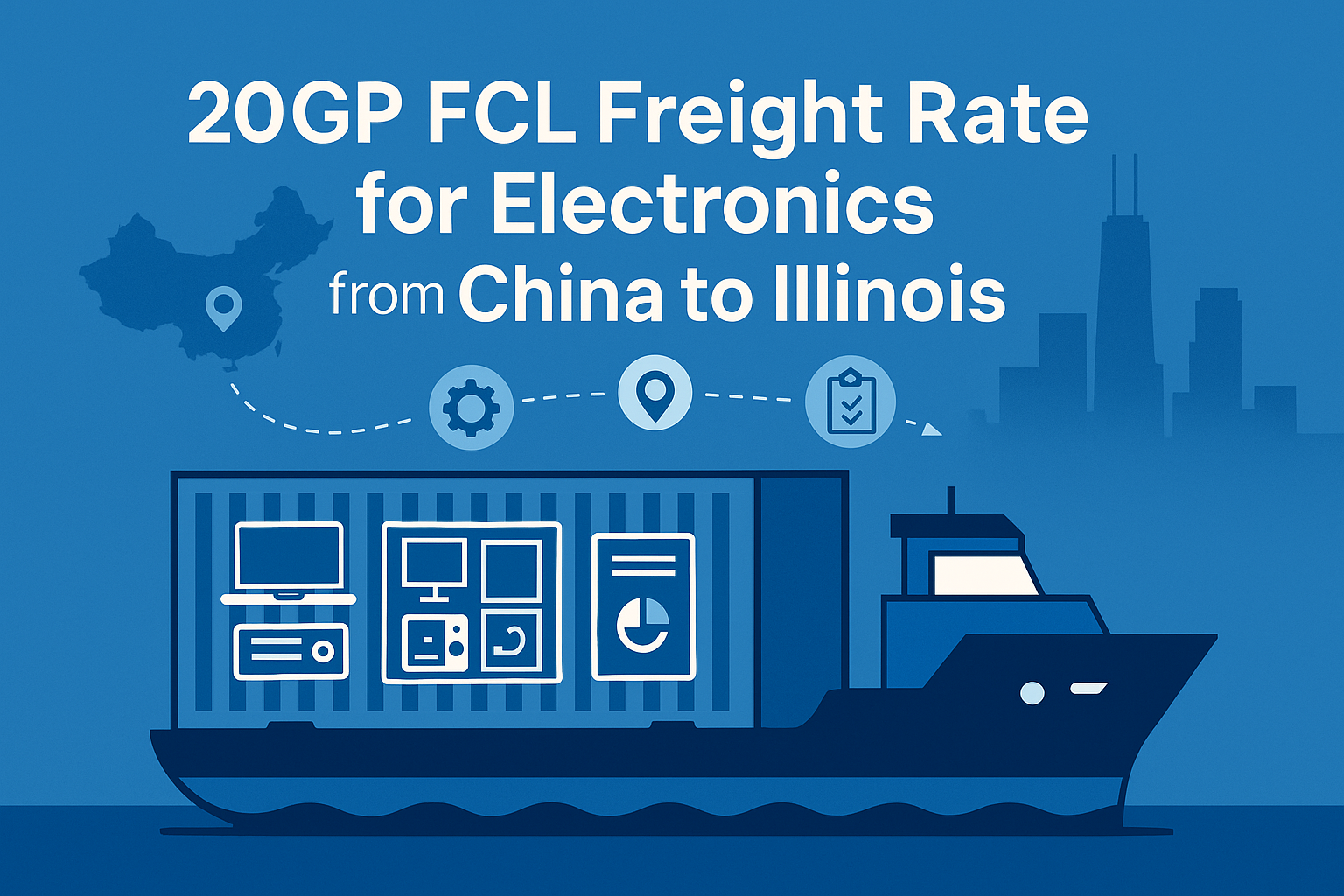
Because 20GP FCL freight rate for electronics from China to Illinois fluctuates with demand, fuel costs, and Midwest inland drayage, many exporters struggle to predict landed costs; however, structured freight planning can greatly improve accuracy. Moreover, businesses wanting more stable cost control can rely on transparent quotations, reliable routing, and early budgeting supported by resources such as the Top China Freight homepage. Therefore, this guide explains the pricing structure, hidden costs, and strategic methods you can use to reduce total logistics expenses for Illinois-bound electronics.

What Determines the 20GP FCL Freight Rate for Electronics?
Although freight rates seem straightforward, electronics exporters quickly learn that several variables impact the final quotation. Moreover, market volatility across Asia–US trade lanes often creates sudden changes in shipping budgets. Therefore, understanding pricing components allows exporters to forecast more accurately and negotiate more confidently.
Key Pricing Factors
- Base ocean freight for 20GP containers
- Peak-season surcharges for electronics-heavy periods
- BAF, CAF, and security fees
- Terminal handling charges at China ports
- Delivery fees for Illinois inland destinations
- Documentation and compliance fees for electronics shipments
Because electronics require precise declarations, documentation quality also influences whether extra handling or customs exams occur.
How Electronics Characteristics Influence Freight Costs
Although electronics often pack efficiently, their value, fragility, and compliance requirements sometimes increase freight and handling costs. Moreover, mixed-SKU shipments—such as smart devices combined with appliances—may require different packing methods, which influence usable 20GP loading volume.
Packaging & Volume Planning Tips
- Use standardized cartons for better loading patterns
- Keep heavy appliances on lower rows to balance container weight
- Apply moisture-resistant internal packaging for long sea journeys
- Prepare packaging dimensions early for accurate freight quotations
- Plan carton height to avoid wasted cubic space
Because packaging affects both safety and volume, improving load density helps reduce the per-unit shipping cost.
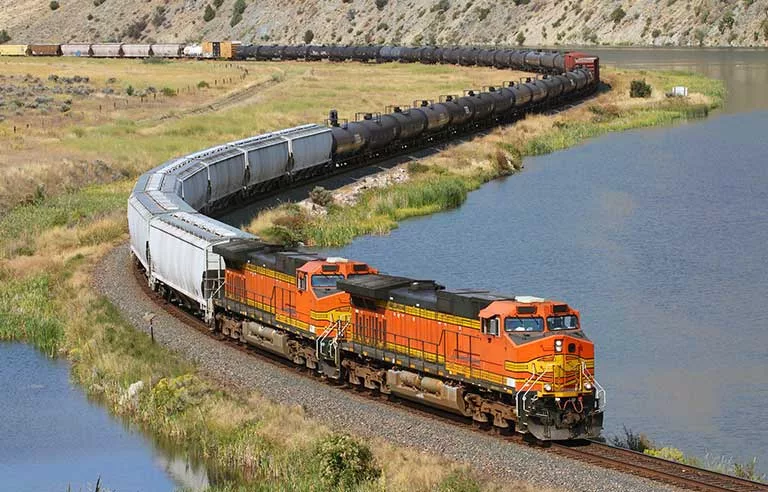
What Is the Typical Routing from China to Illinois for 20GP Electronics Loads?
Although Illinois is inland, its location near major US rail hubs provides multiple routing options. Moreover, choosing the right gateway port directly affects freight costs, transit time, and schedule reliability.
Most Common Entry Ports for Illinois Electronics
- Los Angeles / Long Beach → Chicago rail(Fast rail + stable capacity)
- Seattle / Tacoma → Chicago rail(Balanced cost & shorter ocean time)
- Houston → Midwest rail(Useful for Southern China origins)
Additionally, selecting a port based on electronics SKU mix, carrier availability, and terminal congestion improves routing stability.
Route Comparison: Transit Time & Indicative Cost Range
| China Origin → US Entry Port → Illinois | Transit Time | Indicative Cost (USD) | Notes |
|---|---|---|---|
| Shenzhen → LA/LB → Chicago | 22–32 days | 5,000–7,500 | Fastest, stable rail links |
| Ningbo → Seattle → Chicago | 24–34 days | 4,800–7,200 | Good cost–speed balance |
| Shanghai → Houston → Chicago | 28–38 days | 4,900–7,500 | Strong option for heavy appliances |
How to Calculate a Predictable 20GP FCL Freight Budget for Electronics
Because electronics exporters often deal with frequent price swings, budgeting requires more than simply asking for a rate. Therefore, a complete freight plan should include ocean freight, inland rail costs, fuel surcharges, and potential customs exam fees.
Components of a Predictable Budget
- Base freight rate for 20GP
- Rail delivery to Illinois warehouses
- Drayage charges from inland terminals
- Documentation and compliance fees
- Insurance coverage for electronic goods
- Additional costs for peak-season shipments
Additionally, exporters benefit from using structured planning tools or working with forwarders who provide transparent landed cost breakdowns.
Case Studies
Small Electronics Shipped to Illinois via LA/LB
Origin: Shenzhen
Destination: Illinois (Chicago rail hub)
Cargo: Small home electronics (32 cbm)
Transit Time: 26 days
Outcome: Early rate confirmation helped the exporter lock lower pricing. Moreover, accurate carton dimensions reduced drayage charges by improving loading efficiency.
Large Appliances to Illinois via Seattle
Origin: Ningbo
Destination: Illinois
Cargo: Large household electronics + appliances
Transit Time: 30 days
Outcome: Optimizing packing height improved container utilization by 15%. Additionally, early compliance review avoided CE/documentation delays.
How US Customs Compliance Influences Total Freight Cost
Although customs itself does not directly change the ocean freight rate, delays caused by incomplete documentation often create storage, inspection, or demurrage costs. Therefore, exporters should prepare all materials well before shipment to protect budgets.
Documentation Requirements
| Document | Purpose | Notes |
|---|---|---|
| Commercial Invoice | Declares value & HS code | Must match packing list |
| Packing List | Confirms cargo structure | Supports load planning |
| Certificate of Origin | Confirms Chinese origin | Sometimes reduces duties |
| FCC/CE Compliance | Required for electronics | Prevents release delays |
| Bill of Lading | Proof of carriage | Ensure accurate consignee details |
How Top China Freight Supports Predictable Electronics Freight Rates
Because freight volatility challenges even experienced exporters, Top China Freight provides structured rate planning, multi-route comparisons, customs support, and transparent landed-cost modeling. Moreover, our teams coordinate port, rail, and trucking schedules to help electronics exporters achieve predictable 20GP pricing. When necessary, you may also use specialized FCL/LCL services for mixed-load strategies or volume balancing.
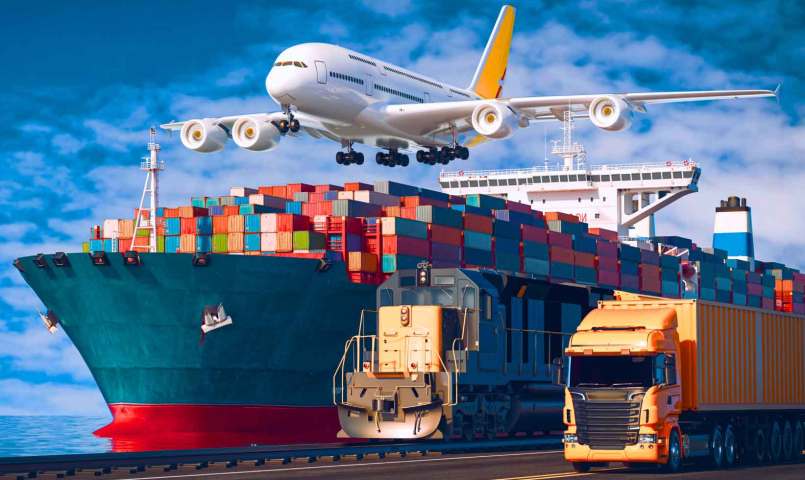
Should You Consider Alternative Modes for Electronics Going to Illinois?
Although 20GP FCL remains the most cost-effective option, alternative modes provide stability when sea freight or inland rail experiences spikes. For example, air freight supports high-value electronics during urgent launches, while sea–rail combinations reduce pressure during peak ocean traffic.
Mode Comparison for Electronics Logistics
| Mode | Transit Time | Cost Level | Strengths | Drawbacks |
|---|---|---|---|---|
| 20GP FCL | 22–38 days | Medium | Best value for bulk electronics | Rate swings in peak season |
| Sea–Rail | 20–30 days | Medium–High | Faster Midwest delivery | Limited capacity |
| Air Freight | 3–7 days | Very High | Ideal for urgent SKUs | Expensive and low volume |
Because each mode fills a different operational need, exporters should align logistics choices with SKU value, urgency, and warehouse capacity.
Conclusion
In summary, maintaining predictable 20GP FCL freight rate for electronics from China to Illinois requires a combination of early booking, transparent cost modeling, optimized packaging, and smart routing choices. Moreover, exporters who integrate digital forecasting tools and reliable forwarder partnerships gain stronger cost control throughout their supply chain. Therefore, adopting a strategic freight workflow ensures that electronics reach Illinois efficiently and profitably.
Request A Free Quote
Start shipping smarter with TopChinaForwarder today! 🚢✨ Request a Free Quote 📝 and get a tailored logistics plan built around your cargo and timeline.
FAQ:
How often do 20GP freight rates change for electronics?
Rates shift weekly because of fuel costs, demand cycles, and carrier space allocation.
Can inland rail delays impact total freight cost?
Yes. Rail congestion may increase storage or drayage fees, so monitoring is important.
What affects 20GP freight rates the most?
Peak-season demand, fuel surcharges, and routing choices influence pricing heavily.
How can I lower drayage charges in Illinois?
Scheduling off-peak deliveries and choosing closer inland depots reduces trucking cost.
Are Chicago rail hubs reliable for electronics imports?
Generally yes, but exporters should monitor congestion during peak retail seasons.