
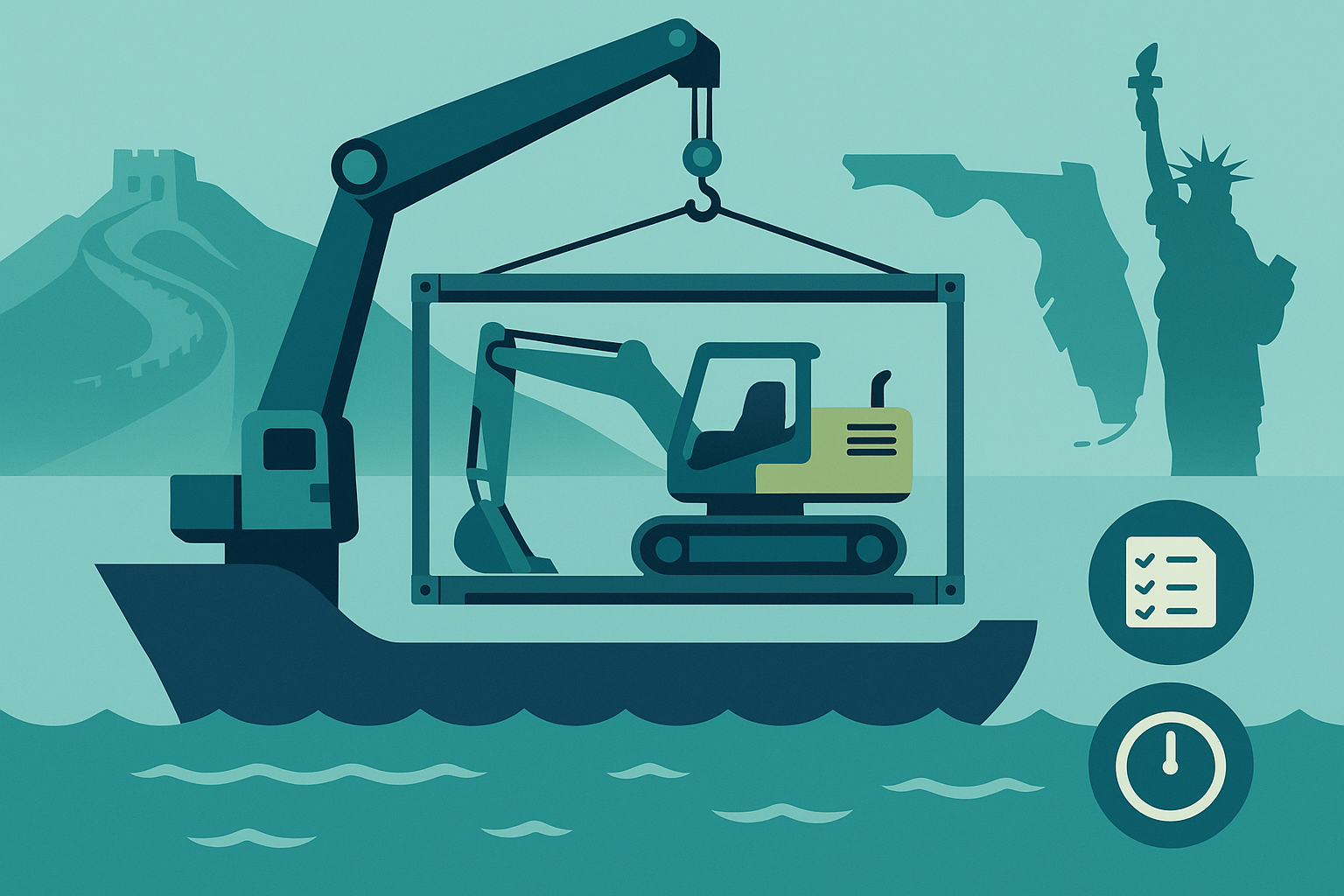
Although oversized and heavy equipment can move smoothly across international routes, Open Top FCL transit time for machinery from China to Florida often varies due to weather patterns, port congestion, and specialized handling requirements. Therefore, importers and supply chain managers increasingly seek predictable schedules and practical strategies to optimize machinery movement, and many rely on structured support available through the Top China Freight homepage. Moreover, this guide delivers clear, actionable insights to help you plan transit timelines, reduce risks, and coordinate end-to-end delivery with confidence.
What Influences Open Top FCL Transit Time for Machinery from China to Florida?
Because Open Top containers move oversized and heavy equipment, transit time depends on weather, routing, port congestion, and loading readiness. Moreover, machinery often requires specialized lashing and crane handling, so delays at origin or destination terminals can shift the estimated timeline. Although carriers offer standard schedules, real conditions sometimes affect unloading windows, especially at Florida ports with growing project cargo volumes.
Additionally, machinery shippers often coordinate factory readiness, compliance documents, and trucking schedules simultaneously. Therefore, early planning significantly enhances predictability and reduces timeline fluctuations.
Why Do Machinery Shipments Rely Heavily on Open Top Containers?
Machinery frequently exceeds standard container height or requires top-loading for cranes. Consequently, Open Top containers provide flexibility that other equipment types cannot accommodate. Furthermore, heavy machinery benefits from direct vertical lifting, which reduces loading risks.
However, Open Top equipment requires longer preparation time for lashing, tarping, and customs checks. Because of these additional steps, understanding each phase of the China–Florida route helps importers maintain control of delivery schedules.
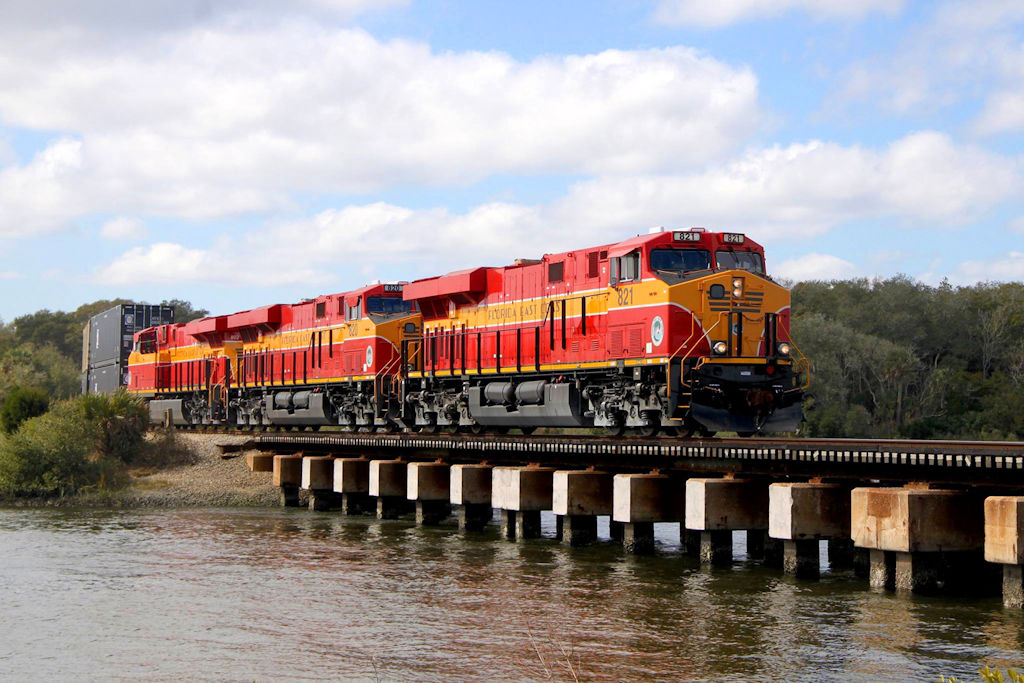
What Is the Typical Transit Time from China to Florida?
Transit time varies across carriers and routing structures. Most Open Top shipments follow South China or East China departures and connect through the Panama Canal.
Typical Machinery Transit Time Range
| Origin Port | Destination (Florida) | Avg. Transit Time | Notes |
|---|---|---|---|
| Shanghai | Jacksonville / Miami | 31–38 days | Stable routing with consistent equipment supply |
| Ningbo | Jacksonville / Tampa | 32–40 days | Slightly longer due to additional feeder legs |
| Shenzhen | Miami | 30–37 days | Faster options but sensitive to peak-season congestion |
Although schedules are widely published, project cargo often requires coordination with cranes, work crews, and inland delivery slots. Therefore, importers should plan a buffer of several days for oversized machinery.
How Does Port Choice Affect Transit Time and Inland Delivery?
Florida hosts multiple strategic ports receiving project cargo. However, each port offers different advantages.
Port Characteristics
Miami – Fast clearance for high-volume commercial shipments.
Jacksonville – Strong inland rail and trucking links for machinery.
Tampa – Flexible yard space but fewer Open Top sailing frequencies.
Importers shipping to central or northern Florida often prefer Jacksonville due to faster inland access. Additionally, inland routing improves when delivery teams pre-book cranes or unloading crews before cargo arrival.
Case Studies
Guangzhou to Miami – Packaging Machine Delivery
Origin: Guangzhou
Destination: Miami
Cargo: Automated packaging machinery
Container: Open Top FCL
Cost: USD 7,900–9,800 (seasonal range)
Transit Time: 33–38 days
Although the load required special lifting, early documentation and accurate diagrams allowed smooth loading. Furthermore, inland delivery was aligned with factory installation teams, ensuring a trouble-free rollout.
Ningbo to Jacksonville – Industrial CNC Machine
Origin: Ningbo
Destination: Jacksonville
Cargo: CNC machinery
Container: Open Top FCL
Cost: USD 8,200–10,500
Transit Time: 32–40 days
Because the machine needed precise craning, the importer used door-to-door planning. Although the vessel experienced minor weather delays, integrated communication ensured the inland leg remained on schedule.
Can Inland Transport in Florida Affect Open Top FCL Transit Time?
Yes, inland logistics play a major role. Although ocean transit provides the largest time block, machinery projects often depend heavily on the inland leg.
Key factors include:
- Trucking availability for oversized loads
- Route permits for heavy machinery
- Weather conditions across Florida
- Crane appointment windows
- Warehouse readiness
Moreover, heavy machinery sometimes requires escort vehicles or nighttime transport. Because such requirements demand additional planning, combining inland movement with ocean freight coordination creates more predictable timelines.
Why Do Delivery Schedules Matter So Much for Machinery Projects?
Machinery shipments often connect directly to installation or engineering projects. Consequently, delay at any point affects construction schedules, production launches, and workforce planning.
Additionally, inland trucking, crane rentals, and crew availability depend on stable arrival windows. Therefore, companies handling high-value machinery rely on integrated project cargo planning tools and accurate schedule forecasts.
Some importers integrate door-to-door delivery to maintain transparency across every handoff point.
What Documents Are Needed for Smooth Transit and Clearance?
Machinery is sensitive cargo from a customs perspective. However, proper documentation enables smooth clearance and predictable transit time.
Machinery Documentation Checklist
| Document | Details Required | Common Problems |
|---|---|---|
| Commercial Invoice | Model numbers, descriptions, HS code | Inaccurate descriptions cause delays |
| Packing List | Weight, size, lifting points | Missing units or pallet info |
| Export Certificates | Country-specific compliance | Expired or missing certificates |
| Bill of Lading | Shipper/consignee details | Incorrect consignee info |
| Machinery Manuals | Technical diagrams | Unclear lifting diagrams |
Since machinery shipments sometimes trigger X-ray or manual inspection, documentation accuracy significantly reduces timeline risk.
Conclusion
Because projects depend on stable schedules, Open Top FCL transit time for machinery from China to Florida requires careful planning across documentation, routing, loading, and inland delivery. Although delays may emerge, proactive coordination and visibility significantly improve predictability. Moreover, importers can enhance control through expert routing and end-to-end support. If you require tailored planning or reliable timelines, you may request a detailed quotation or consultation at any time.
Request A Free Quote
Start shipping smarter with TopChinaForwarder today! 🚢✨ Request a Free Quote 📝 and get a tailored logistics plan built around your cargo and timeline.
FAQ:
How is Open Top machinery transit time estimated?
Carriers publish route schedules, and machinery handling steps are added to estimate total transit days. Early planning improves timing accuracy.
Can transit time be reduced during urgent machinery projects?
Sometimes premium routings or partial air freight can shorten the schedule when deadlines are critical.
Does port choice significantly affect the timeline?
Yes, ports like Jacksonville offer faster inland access, while Miami benefits high-volume commercial cargo.
How can documentation delays be avoided?
Complete paperwork 7–10 days early, verify HS codes, and ensure accurate lifting data.
What if machinery arrives before the installation team is ready?
Adjust inland scheduling to avoid storage fees and ensure synchronized project execution.