
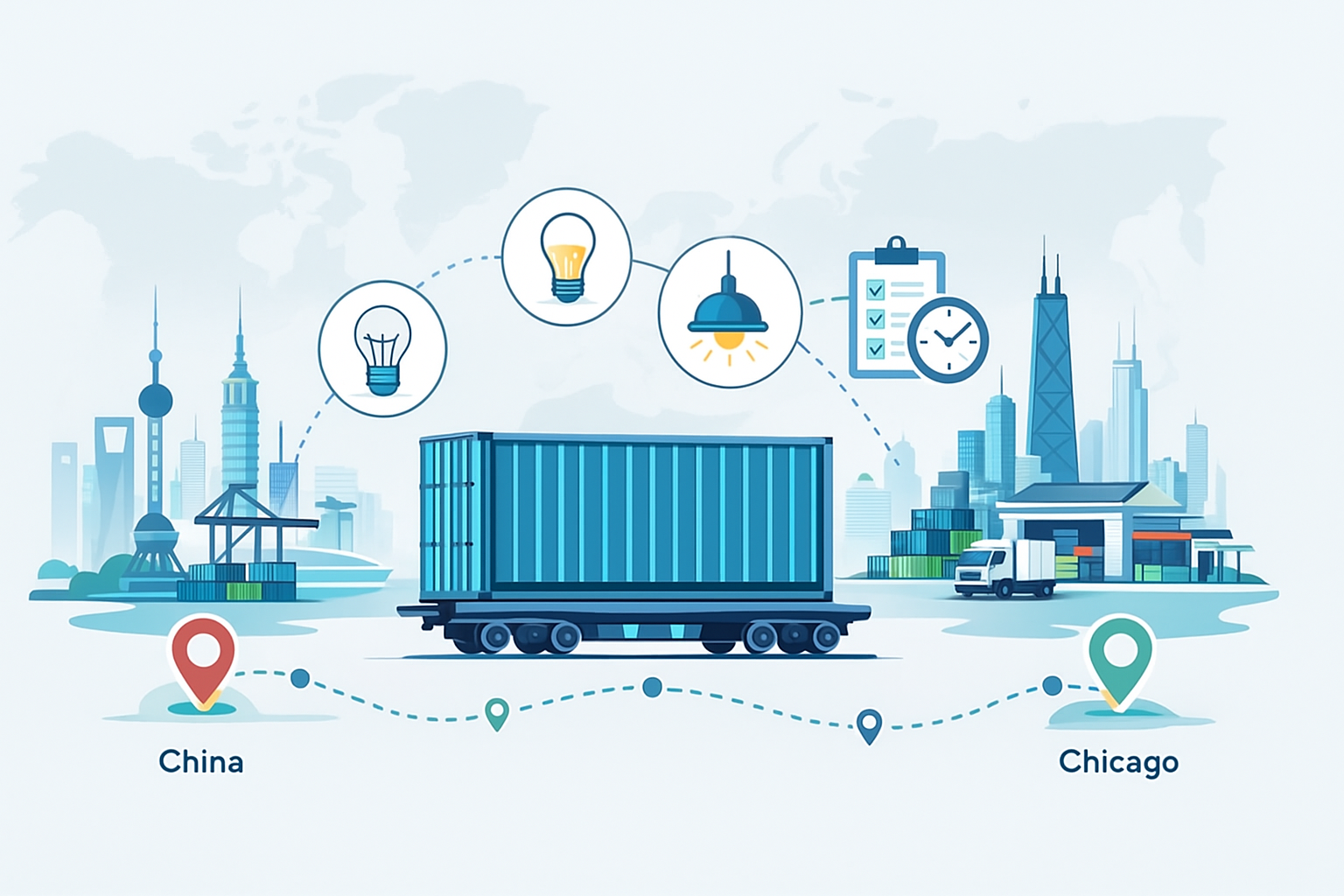
Although lighting shipments move steadily across US trade lanes, 20GP FCL demurrage prevention for lighting from China to Chicago often becomes a major challenge for importers, especially when port congestion and customs delays disrupt plans. Therefore, businesses increasingly seek actionable methods to control free time, streamline customs steps, and protect margins while coordinating shipments from China, and many rely on partners like Top China Freight and its integrated solutions through the homepage. Moreover, this guide provides clear, practical strategies to help import managers prevent demurrage, optimize unloading schedules, and maintain a stable China–Chicago supply chain.

How Does 20GP FCL Demurrage Occur During Lighting Shipments?
Because lighting products often involve fragile packaging, mixed SKUs, and higher handling requirements, delays easily emerge at the port of Chicago. Moreover, demurrage occurs when importers fail to clear customs or arrange pickup within the allocated free time. Consequently, suppliers, consignees, and logistics partners must synchronize documents and trucking schedules more tightly than with general cargo.
Lighting shipments also face challenges such as mismatched HS codes, incomplete packing lists, and last-minute commercial invoice revisions. Therefore, planning early helps importers avoid unexpected operational slowdowns that trigger demurrage charges.
Why Is Demurrage Prevention Critical for Lighting Cargo?
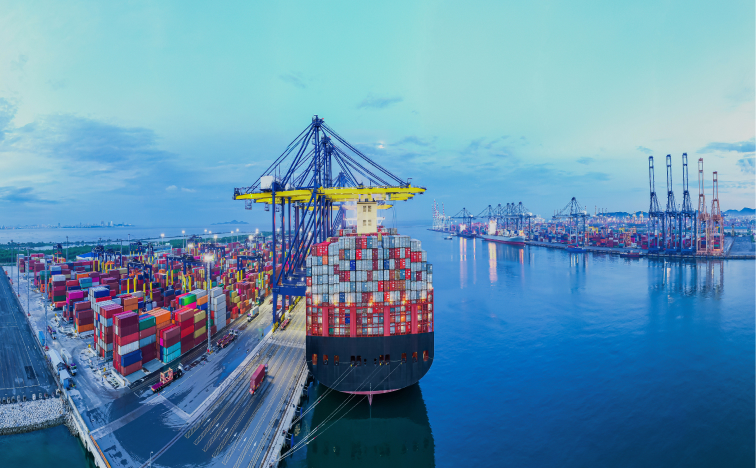
Lighting fixtures, LED panels, chandeliers, and commercial lighting components often move in consistent volumes. However, Chicago’s terminals operate with fluctuating labor and yard capacity, which directly increases the risk of extended storage time. Since demurrage fees rise daily, even one day of delay can harm profit margins.
Additionally, retailers and contractors expect predictable delivery schedules for lighting projects. When delays disrupt installations or store rollouts, the cost impact expands beyond freight charges, making prevention essential.
What Are the Key Risk Factors for 20GP FCL Lighting Shipments?
Several risks frequently affect shipments traveling from China to Chicago:
Documentation Risks
Incomplete commercial invoices, missing UL certification paperwork, and unclear product descriptions often trigger customs queries, ultimately delaying release.
Operational Risks
Late factory loading, inaccurate container seals, and unplanned stuffing times can disrupt the outbound vessel schedule.
Port-Side Risks
Chicago terminals may restrict weekend pickups or experience congestion, especially during peak seasons.
Trucking Coordination Risks
Although drayage capacity is generally stable, sudden driver shortages or appointment conflicts can push the container beyond its free time.
Because these factors compound quickly, shippers benefit from integrated planning, especially when coordinating China-side loading and US inland delivery through partners like Top China Freight.
How Can Importers Reduce 20GP FCL Demurrage for Lighting Cargo?
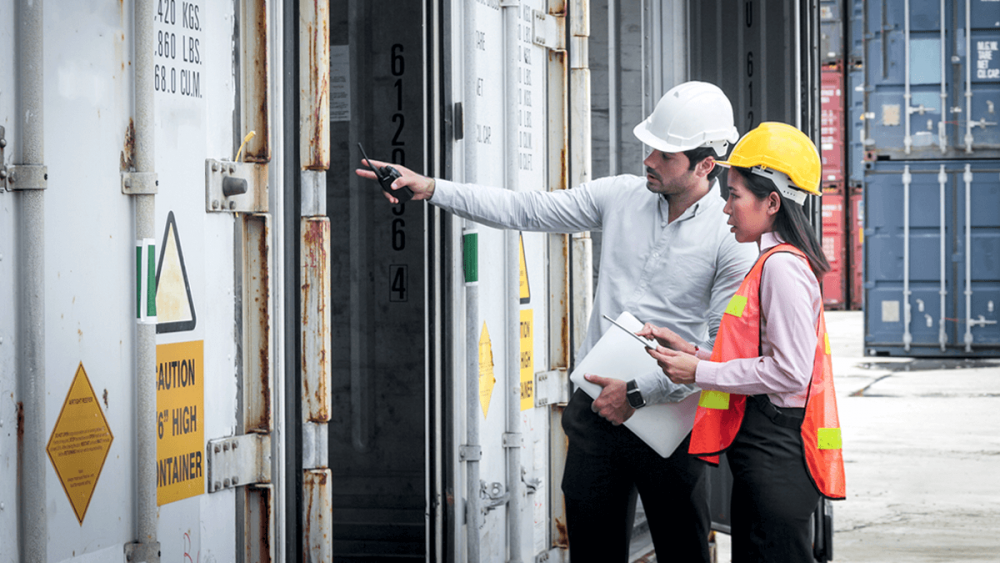
Importers should adopt an operational strategy that connects factory readiness, sailing schedules, documentation accuracy, and Chicago drayage availability. Since delays often arise from minor gaps, predictive planning significantly reduces risk.
Here are core strategies used by advanced supply chain teams:
1. Start Documentation at Least 7–10 Days Early
Accurate document preparation ensures customs clearance begins immediately when the vessel arrives. Moreover, early paperwork minimizes the risk of HS code discrepancies.
2. Pre-Book Drayage Before Vessel Arrival
Chicago is a busy inland hub, therefore securing drivers before ETA guarantees the box moves out quickly.
3. Request Free Time Extensions Through Your Forwarder
Although not always granted, free time extensions significantly reduce exposure during peak congestion.
4. Use Real-Time Tracking for Port Availability
Tracking tools notify consignees when availability windows open so the container can be collected without delay.
5. Avoid Weekend and Holiday Cutoff Conflicts
Since terminals often restrict weekend appointments, importers should align schedules to prevent carrying the container into a fee cycle.
Case Studies
Shanghai to Chicago – LED Panels
Origin: Shanghai
Destination: Chicago
Cargo: LED retail lighting panels
Container: 20GP FCL
Cost: Approx. USD 5,200–6,100 (seasonal)
Transit Time: 26–32 days door to warehouse
An importer required fast clearance for a retail launch. Since all documents were prepared early and drayage was pre-booked, the container left the terminal within 24 hours, avoiding all demurrage charges.
Shenzhen to Chicago – Commercial Lighting Fixtures
Origin: Shenzhen
Destination: Chicago
Cargo: Commercial lighting fixtures for construction projects
Container: 20GP FCL
Cost: Approx. USD 4,900–5,800
Transit Time: 28–35 days
Although weather disruptions slowed vessel arrival, a free time extension arranged by the forwarder prevented charges. Moreover, coordinated unloading ensured same-day pickup.
What Documents Are Required for Smooth Chicago Clearance?
Accurate documentation is essential for preventing customs delays and minimizing demurrage risks.
Document Checklist Table
| Document Type | Key Details Required | Common Issues That Cause Delay |
|---|---|---|
| Commercial Invoice | HS codes, brand, lighting type | Wrong codes, vague descriptions |
| Packing List | Dimensions, weights, SKU structure | Missing carton quantity or weight |
| Arrival Notice | Issued by carrier | Delayed retrieval by importer |
| Bill of Lading | Shipper/consignee details | Name mismatches |
| UL/CE Certificates | Product compliance | Missing certification pages |
Since lighting cargo frequently triggers product compliance reviews, ensuring upfront documentation reduces the chance of customs holds.
How Should You Coordinate Inland Drayage in Chicago?
Coordinating drayage effectively is one of the most powerful ways to eliminate demurrage exposure. Moreover, inland trucking delays are among the top causes of demurrage for Midwest-bound containers.
Key Recommendations
- Secure trucking partners before ETA
- Confirm chassis availability
- Plan for unloading windows at the warehouse
- Avoid late-afternoon appointment slots
- Arrange contingency options when weather disruptions appear
Because the Midwest experiences seasonal weather variation, proactive scheduling significantly improves on-time collection.
Additionally, importers handling recurring lighting shipments often use integrated inland services through partners with strong US trucking networks. Some combine ocean freight with door-to-door delivery for predictable timelines.
What Is the Cost Impact of Demurrage and How Can It Be Controlled?
Demurrage fees vary by carrier and terminal, yet they increase rapidly after free time expires. Lighting cargo often requires rechecking or careful unloading, so delays create added costs.
Demurrage Cost Overview
| Fee Type | Typical Range | Cost Drivers |
|---|---|---|
| Daily Demurrage | USD 175–350/day | Terminal load, seasonality, yard space |
| Extended Free Time | Negotiated | Carrier policy, shipper volume |
| Additional Handling | Case-based | Compliance or inspection requirement |
Because lighting fixtures are sensitive products, unexpected inspections sometimes occur. Nevertheless, proper documentation and strong customs coordination minimize such cases.
Conclusion
Effective 20GP FCL demurrage prevention for lighting from China to Chicago requires early documentation, synchronized drayage, stable visibility, and proactive planning. Consequently, importers reduce cost exposure and protect project timelines by following a structured strategy. For more tailored guidance or coordinated China–US shipping support, you are welcome to request a detailed plan or quotation.
Request A Free Quote
Start shipping smarter with TopChinaForwarder today! 🚢✨ Request a Free Quote 📝 and get a tailored logistics plan built around your cargo and timeline.
FAQ:
How are demurrage fees calculated for 20GP lighting cargo?
Daily fees are charged once free time expires, and the amount depends on the carrier and terminal. Planning customs and trucking early keeps containers moving quickly.
What documents help avoid delays at Chicago terminals?
Clear invoices, correct HS codes, full packing lists, arrival notices, and compliance certificates enable quick customs release and prevent unnecessary holds.
How fast can drayage be arranged after arrival?
Most trucking partners can schedule pickup within 24–48 hours if booked early. Peak seasons may require securing drivers before ETA.
Is insurance recommended for lighting shipments?
Yes, due to fragile components. Insurance covers physical damage during transit and does not affect demurrage but protects shipment value.
How does tracking visibility help avoid demurrage?
Real-time updates allow your team to schedule drayage and document release promptly, preventing unexpected costs.