
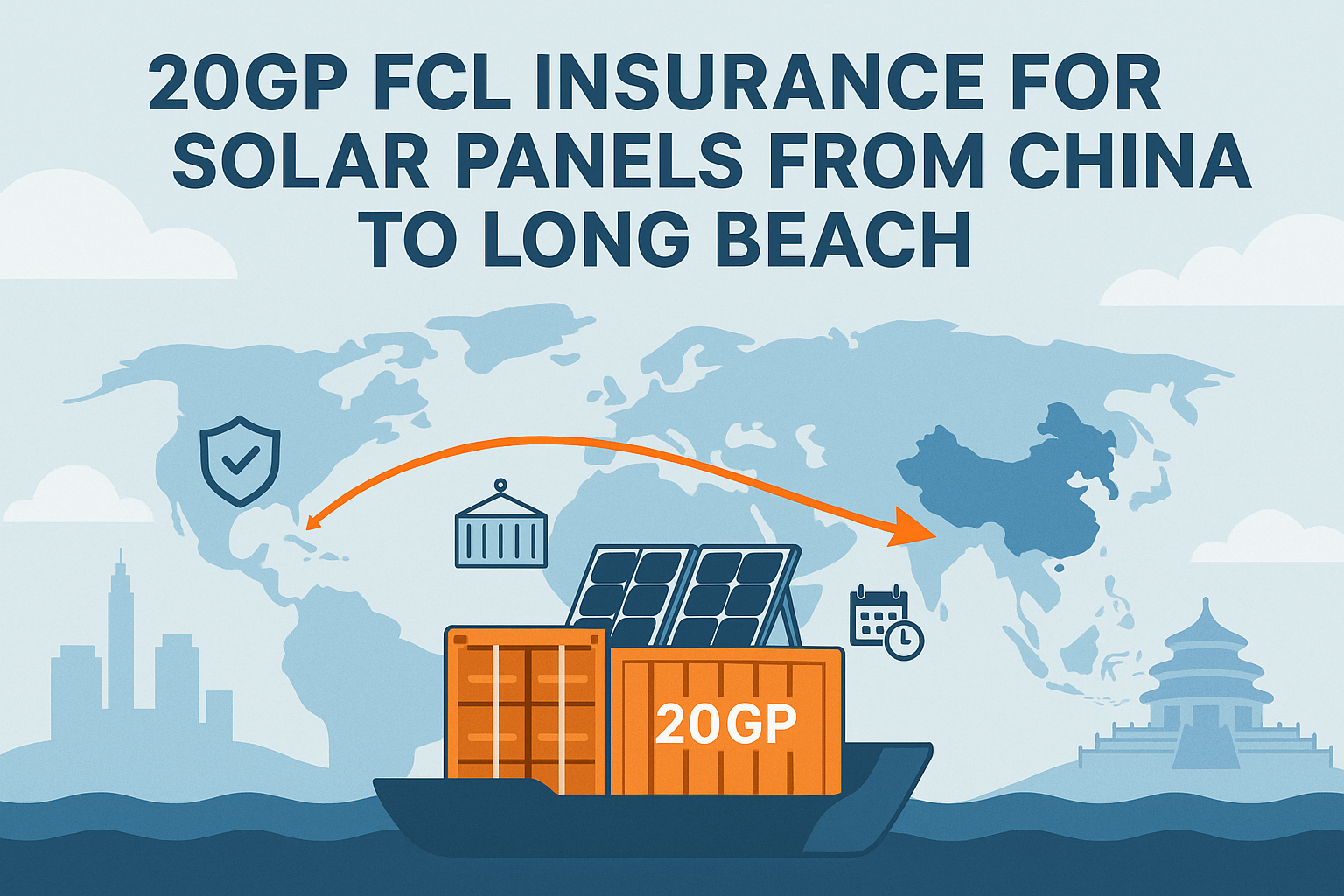
Although moving high-value solar panels across the Pacific seems straightforward, many importers still struggle to secure the right 20GP FCL insurance for solar panels from China to Long Beach, especially when risks vary by routing, packing, and port conditions. As you navigate these challenges, the guidance in this article will help you choose the right coverage while reducing transit uncertainty and improving control over your supply chain. For additional support, you may explore our service insights through the Top China Freight homepage.
What Makes 20GP FCL Insurance Essential for Solar Panel Shipments?
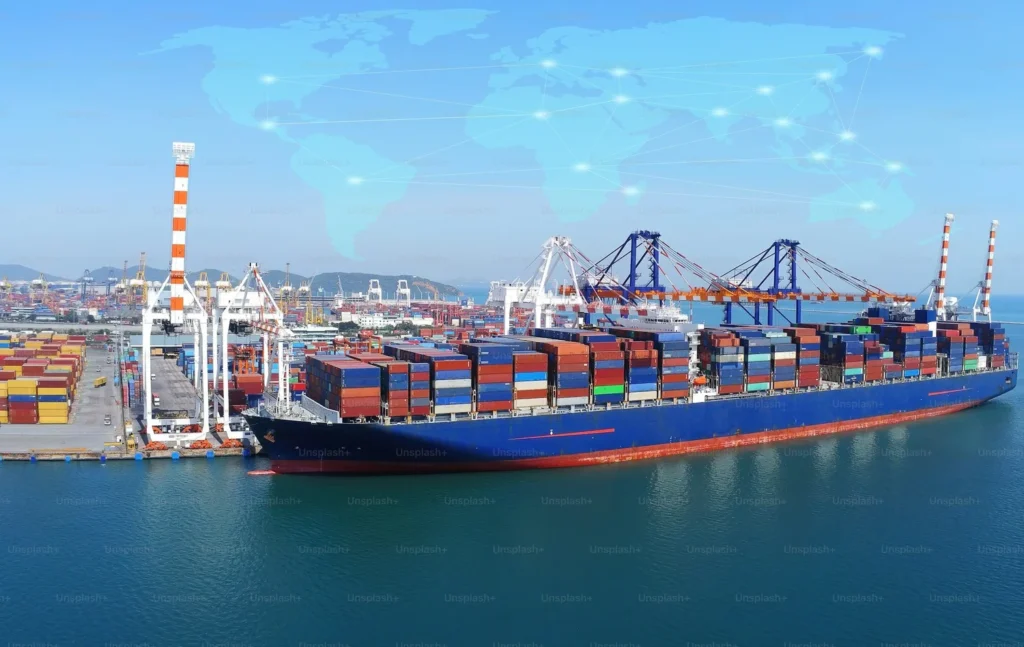
Because solar panels are fragile, high-value, and sensitive to vibration, temperature, and stacking pressure, insurance becomes a critical safeguard. Moreover, the route from China’s coastal ports to Long Beach can involve rough seas, high-density stowage, and terminal congestion, all of which increase the chance of damage or delay. Therefore, importers typically pair FCL transport with specialized cargo protection to reduce financial exposure.
How Does 20GP FCL Insurance for Solar Panels From China to Long Beach Work?
Insurance functions as a tailored shield for transit risks. While policies may vary, they commonly cover breakage, loss, water damage, mishandling, and accidental impact. Additionally, insurers assess shipment value, freight cost, packing quality, and sailing schedules before issuing premiums. This structured approach allows importers to maintain predictable financial control throughout the supply chain.
What Types of Cargo Insurance Are Suitable for Solar Panels?
All-Risk Coverage
All-risk coverage usually provides the broadest protection for fragile items like solar modules. Since these goods are sensitive to shock and compression, shippers rely on all-risk policies for reimbursements that come with fewer exemptions.
Named-Perils Insurance
Although less common for solar shipments, named-perils insurance may be chosen when importers accept limited risk and lower premium costs. However, since solar panels are fragile, broader protection is generally advised.
How Much Does 20GP FCL Insurance Typically Cost?
Insurance premiums normally fall within 0.3%–0.8% of cargo value, though rates fluctuate based on routing, weather season, and packing method. Additionally, insurance providers may add surcharges for electronic equipment, high-value cargo, or shipments bound for congested ports such as Long Beach.
Estimated Premium Factors for 20GP Solar Panel FCL Shipments
| Factor | Description | Impact Level |
|---|---|---|
| Cargo value | Total invoice + freight | High |
| Packing level | Crating, corner protection, foam | High |
| Route & season | Typhoon season, winter storms | Medium |
| Risk profile | Fragile electronics | High |
| Claims history | Previous damages | Low–Medium |
What Customs-Compliance Elements Affect Coverage at Long Beach?
Insurance can only be activated when cargo complies with U.S. import regulations. Therefore, documentation accuracy becomes essential. Clear commercial invoices, HS codes, UL/IEC certifications, and packing lists all help avoid customs holds, which in turn prevents risks that may otherwise invalidate policies.
Essential Customs Documents for Insured Solar Panel FCL Shipments
| Document | Purpose |
|---|---|
| Commercial Invoice | Declare product & value |
| Packing List | Verify quantities & weight |
| Bill of Lading | Confirm FCL ownership |
| HS Code Certificates | Support classification |
| UL/IEC Compliance | Required for solar imports |
For customs support, many importers rely on specialized brokers or integrated providers offering customs-brokerage services to minimize clearance risks.
Real Case Study Cards
Shenzhen to Long Beach – 20GP Solar Panel Shipment
Cargo: 19,800 kg of monocrystalline solar panels
Packing: Wooden crates + EVA foam
Method: 20GP FCL, direct sailing
Insurance: All-risk coverage
Freight Time: 17 days port-to-port
Cost Range: USD 4,100–4,600 (freight + insurance)
Result: Smooth handling, zero damage, no delays, full compliance
Ningbo to Long Beach – Fragile Solar Module Import
Cargo: 15 pallets of tempered solar modules
Method: 20GP FCL
Insurance: Named-perils + additional breakage coverage
Transit: 21 days including port congestion
Cost Range: USD 3,800–4,300
Result: Minor external carton denting; insurance compensated quickly due to compliant packing
Can 20GP FCL Insurance Improve Supply-Chain Resilience?
Yes. Although insurance cannot prevent damage events entirely, it improves financial resilience and reduces operational vulnerability. Moreover, by integrating insured shipments with stable schedules, importers maintain better predictability and lower overall exposure. Importers seeking integrated sea transport can review our sea-freight services for cohesive planning.
How Does Top China Freight Support Insured 20GP Solar Panel Shipments?
While maintaining a neutral and professional approach, Top China Freight offers route planning, packing guidance, customs preparation, and end-to-end risk management. Additionally, coordination with premium insurers ensures compliant coverage and efficient documentation that minimize bottlenecks.
Conclusion
When managing 20GP FCL insurance for solar panels from China to Long Beach, importers benefit from having a clear understanding of risk, documentation, packing standards, and policy selection. With the right coverage, fragile solar modules travel more safely and arrive with predictable financial protection. For tailored support or insured FCL planning, importers may reach out for professional guidance or a customized quotation.
Request A Free Quote
Need a reliable logistics partner? Share your shipment details and we’ll provide a tailored quotation quickly and accurately.
FAQ:
How is insurance value calculated for a 20GP solar shipment?
The insured value usually includes cargo cost, freight charges, and a small uplift (10%–20%) to cover incidental expenses.
Do insurers cover minor scratches on solar panels?
Often not. Only structural or performance-affecting damage is usually eligible. Policies define acceptable thresholds.
Does marine insurance cover moisture damage?
Some policies include it, but others require a moisture-damage extension, especially during winter sailings.
Can I insure a partial FCL shipment?
Yes, but documentation must confirm full-container control, even if space is underutilized.
What packing proof is required for claims?
Photos, packing lists, and crate specifications help validate proper preparation during insurance review.