
40HQ FCL Tracking for Electronics: China to Belgium
“Shipping high-value electronics from China to Belgium demands precision and continuous visibility. This article explores how robust Top China Freight solutions, particularly 40HQ FCL tracking for electronics from China to Belgium, provide the transparency needed for a smooth supply chain.”

Why 40HQ FCL for Electronics to Belgium?
❖When importing electronics, cargo integrity and high volumes are critical. A 40HQ Full Container Load (FCL) offers dedicated space, minimizing handling and reducing damage risk for sensitive electronic goods.
Moreover, choosing FCL ensures your entire shipment remains sealed from origin to destination. This enhances security, paramount for high-value items like consumer electronics or industrial components.
Furthermore, FCL shipping often proves more cost-effective for substantial volumes than LCL options. Businesses can optimize per-unit shipping costs, improving profitability for electronics imports.
Understanding the Shipping Process from China to Belgium
❖Navigating international shipping from China to Belgium involves complex stages requiring meticulous attention. Understanding this process is vital for successful electronics import and timely delivery.
Careful planning and execution are crucial to avoid delays and unexpected costs. This includes proper packaging, precise documentation, and selecting the right freight forwarder.
Key Stages of Your FCL Shipment
The process begins with booking your 40HQ container and coordinating cargo pickup from the supplier. Goods are transported to a Chinese port like Shanghai or Ningbo for initial customs checks.
The container is then loaded onto a vessel for its sea freight voyage to Belgium. Upon arrival at a Belgian port, it clears customs, followed by inland delivery.
Essential Documentation for Electronics Import
Accurate documentation is indispensable for seamless customs clearance in Belgium. Key documents include Commercial Invoice, Packing List, Bill of Lading, and Certificate of Origin.
Specific certifications like CE marking or RoHS compliance might be required for certain electronics. Incorrect documentation leads to significant delays and penalties, impacting your delivery schedule.
The Importance of Real-time 40HQ FCL Tracking
❖Real-time 40HQ FCL tracking for electronics from China to Belgium offers unparalleled visibility. Importers monitor cargo location, status, and ETA, enabling informed decisions.
Proactive tracking enables swift responses to disruptions like port congestion or delays. Up-to-the-minute information helps mitigate risks and adjust plans effectively.
This enhanced visibility improves supply chain management and customer satisfaction. Knowing where your high-value electronics are provides peace of mind and accurate inventory planning.

How Does 40HQ FCL Compare to Other Shipping Options?
❖Choosing the right shipping method is crucial for optimizing costs and transit times for electronics from China to Belgium. 40HQ FCL is ideal for large volumes, but other alternatives suit different needs.
This section analyzes viable alternatives, offering insights into when each option is more suitable. We consider cargo size, urgency, and budget constraints for strategic logistics.
| Shipping Method | Cost Range (40HQ Equivalent) | Transit Time (China-Belgium) | Best For | Limitations |
|---|---|---|---|---|
| Sea Freight (40HQ FCL) | $3,000 – $4,200 | 28-35 Days | Large volume, non-urgent, cost-sensitive electronics | Longer transit times, potential for port delays |
| Air Freight | $15,000 – $25,000 | 5-7 Days | Urgent, high-value, low-volume electronics | High cost, limited volume/weight capacity, carbon footprint |
| LCL Sea Freight | $50 – $80 per CBM (for <15 CBM) | 35-45 Days | Small volume, non-urgent electronics, flexible quantities | Longer transit, more handling, potential for delays, complex tracking |
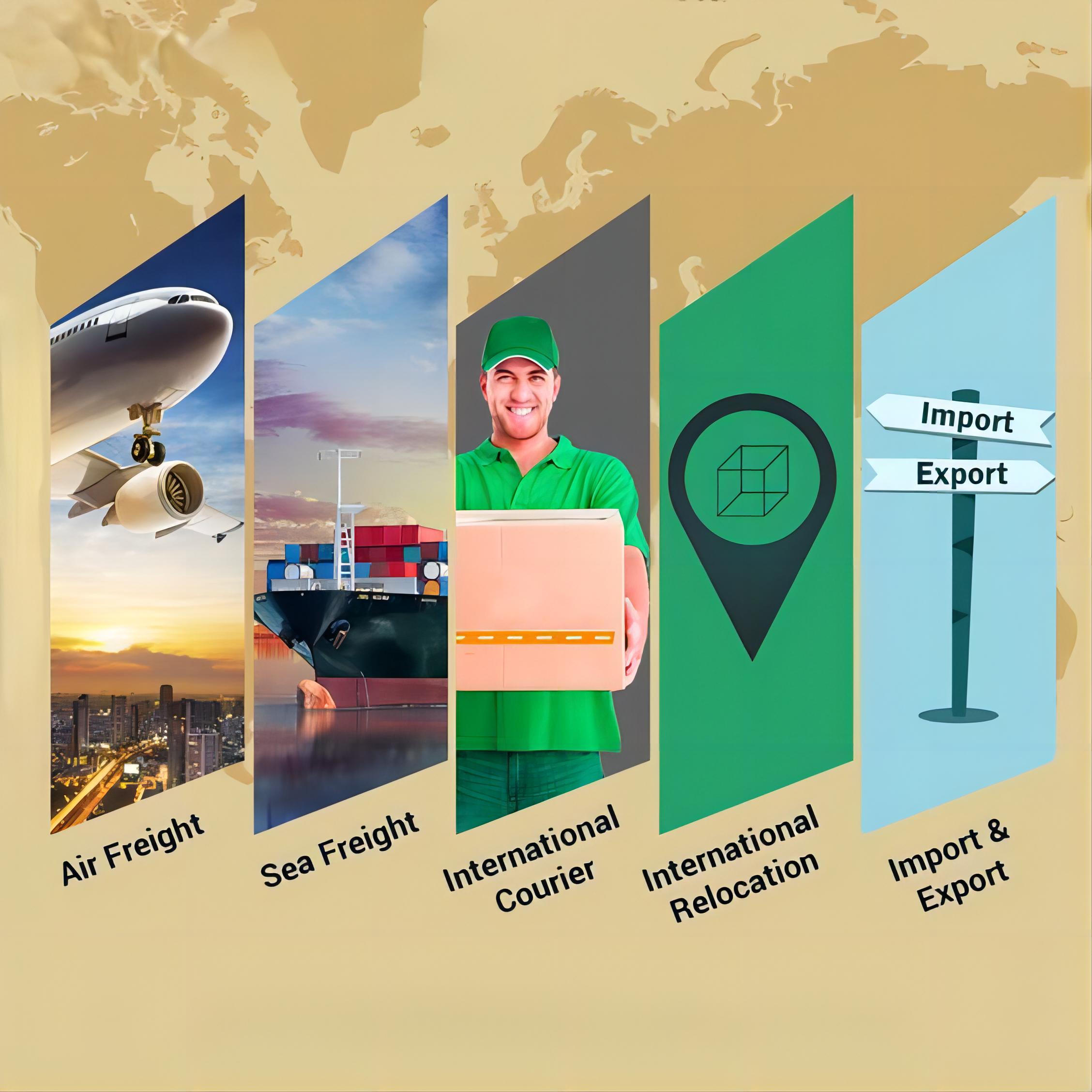
Sea Freight vs. Air Freight for Electronics
Sea freight via 40HQ FCL is cost-effective for bulk electronics but involves longer transit (28-35 days). Air freight offers 5-7 day delivery but at substantially higher costs ($15,000-$25,000 vs $3,000-$4,200 for 40HQ equivalent).
The decision hinges on the trade-off between cost savings and meeting strict speed requirements. Air freight suits urgent, high-value, low-volume electronics.
FCL vs. LCL: When to Choose Which
FCL is preferred for businesses filling an entire container (20GP, 40GP, 40HQ). It provides dedicated space, faster sea transit, and reduced damage risk for large electronics consignments.
LCL is economical for smaller shipments (under 15 CBM). However, sharing container space leads to longer transit times due to consolidation and deconsolidation processes.
Optimizing Your Supply Chain: Tips for Electronics Importers
❖Effective supply chain management is paramount for importing electronics from China to Belgium. Strategic planning reduces costs, minimizes delays, and enhances operational efficiency.
Consider these practical tips to streamline your logistics and ensure a robust delivery schedule. Implementing these provides a competitive edge in the fast-paced electronics market.
Strategic Planning and Vendor Management
Develop a shipping schedule accounting for production lead times, transit, and customs delays. Strong supplier relationships ensure consistent quality and timely dispatch of electronic goods.
Diversify your supplier base to mitigate risks. Regularly review vendor performance and logistics trends to adapt your strategy, ensuring resilience in your electronics supply chain.
Leveraging Customs Brokerage and Door-to-Door Services
Engaging a professional customs brokerage service is invaluable for navigating Belgian import regulations. Experts ensure correct documentation, accurate duty calculation, and compliance, preventing costly hold-ups.
Opting for door-to-door services simplifies logistics. Your forwarder handles every stage, from factory pickup to final Belgian delivery, reducing administrative burden.
Real-World Scenarios: 40HQ FCL Electronics Shipments
❖Examining real-world case studies offers practical insights into shipping electronics via 40HQ FCL from China to Belgium. These highlight costs, transit times, and challenges.
Based on Q1 2025 market rates, these scenarios demonstrate how strategic planning and robust tracking contribute to successful outcomes in international electronics logistics.
Case Study 1: Consumer Electronics Distributor
A Belgian distributor imported smart home devices and accessories, prioritizing cost-efficiency and cargo security. The shipment demanded meticulous attention to compliance standards.
| Detail | Value |
|---|---|
| Route | Shenzhen, China -> Antwerp, Belgium |
| Cargo | Smart Home Devices (speakers, cameras), 65 CBM, 15,000 kg |
| Container | 40HQ FCL |
| Shipping Details – Carrier/Service | COSCO |
| Shipping Details – Port of Loading | Yantian (Shenzhen) |
| Shipping Details – Port of Discharge | Antwerp |
| Shipping Details – Route Type | Direct |
| Cost Breakdown – Ocean Freight | $3,850 |
| Cost Breakdown – Origin Charges (THC, documentation) | $420 |
| Cost Breakdown – Destination Charges | $380 |
| Cost Breakdown – Customs & Duties (estimated) | $750 |
| Cost Breakdown – Total Landed Cost (excl. product cost) | $5,400 |
| Timeline – Booking to Loading | 5 days |
| Timeline – Sea Transit | 30 days |
| Timeline – Customs Clearance | 3 days |
| Timeline – Total Door-to-Door | 38 days |
| Key Insight | Proactive customs pre-clearance and direct route selection minimized delays, achieving efficient delivery for a major product launch of consumer electronics. |

Case Study 2: Industrial Automation Components
A Belgian manufacturing firm required consistent supply of specialized electronic components for production lines. Reliability and a predictable delivery schedule were paramount.
| Detail | Value |
|---|---|
| Route | Ningbo, China -> Zeebrugge, Belgium |
| Cargo | Industrial PLCs & Sensors, 58 CBM, 12,000 kg |
| Container | 40HQ FCL |
| Shipping Details – Carrier/Service | Maersk |
| Shipping Details – Port of Loading | Ningbo |
| Shipping Details – Port of Discharge | Zeebrugge |
| Shipping Details – Route Type | Transshipment via Port Klang |
| Cost Breakdown – Ocean Freight | $3,100 |
| Cost Breakdown – Origin Charges (THC, documentation) | $390 |
| Cost Breakdown – Destination Charges | $360 |
| Cost Breakdown – Customs & Duties (estimated) | $680 |
| Cost Breakdown – Total Landed Cost (excl. product cost) | $4,530 |
| Timeline – Booking to Loading | 7 days |
| Timeline – Sea Transit | 35 days |
| Timeline – Customs Clearance | 4 days |
| Timeline – Total Door-to-Door | 46 days |
| Key Insight | Despite transshipment, consistent 40HQ FCL tracking and strong local agent coordination ensured predictable delivery, crucial for maintaining industrial production continuity. |
Navigating Costs and Transit Times for China-Belgium Routes
❖Understanding shipping costs and transit times is essential for budgeting and planning electronics imports. Freight rates from China to Europe are dynamic, influenced by global factors.
As of early 2025, rates have stabilized after disruptions but remain volatile. Awareness of these logistics trends helps in informed supply chain management.
Factors Affecting 40HQ FCL Freight Rates
Several elements contribute to total 40HQ FCL shipment cost: base ocean freight, BAF, THC (origin/destination), and surcharges. Peak season surcharges increase costs.
Port congestion, vessel capacity, and global fuel prices directly impact freight rates. Securing quotes in advance and working with an experienced forwarder is advisable.
Typical Transit Times and Potential Delays
Standard sea transit for a 40HQ FCL from major Chinese ports to Belgium ranges 28-35 days for direct routes. Transshipment extends this by 5-10 days.
Potential delays arise from adverse weather, port strikes, customs inspections, or vessel breakdowns. Building a buffer into your delivery schedule is prudent.
Which Shipping Option Should You Choose for Your Electronics?
❖Deciding on the optimal shipping strategy for electronics from China to Belgium requires evaluating specific business priorities. The best choice aligns with budget, urgency, and cargo characteristics.
Consider these key criteria when selecting between 40HQ FCL sea freight and other alternatives for your valuable goods. A well-thought-out approach minimizes risks and maximizes efficiency.
Prioritizing Budget
If minimizing shipping costs is primary for large electronics volumes, 40HQ FCL sea freight is most economical. It offers the lowest per-unit cost. Explore shipping from China to Europe for cost-effective solutions.
For smaller, non-urgent shipments (under 15 CBM), LCL sea freight is a viable, cost-saving alternative. However, it comes with longer transit times and more handling.
Prioritizing Speed
When time is critical for urgent electronics, air freight is the undisputed choice despite higher costs. It shortens transit, ideal for product launches or emergency stock replenishment.
For less urgent but important shipments, a hybrid sea-air solution (e.g., sea to Dubai/Europe, then air) offers a middle ground in speed and cost. This balances urgency with budget.
Cargo Type and Volume Thresholds
For fragile or high-value electronics, FCL provides a dedicated, sealed container, reducing damage and theft risk compared to LCL. This offers invaluable security.
If your shipment exceeds 15 CBM or fills a significant portion of a 20GP container, FCL becomes more cost-effective. For volumes near or exceeding 60 CBM, a 40HQ FCL is the most efficient solution.
Conclusion: Ensuring Seamless Electronics Imports
Successfully importing electronics via 40HQ FCL tracking for electronics from China to Belgium requires strategic planning and robust tracking. Understanding options, managing documentation, and leveraging expert services are key.
By embracing real-time visibility and partnering with a reliable logistics provider, businesses optimize their supply chain, mitigate risks, and achieve consistent, timely delivery. This proactive management enhances profitability.
Ready to streamline your logistics?
Ready to streamline your 40HQ FCL tracking for electronics from China to Belgium? Contact us today for a personalized quote and expert guidance on optimizing your supply chain. Our dedicated team helps navigate international logistics, ensuring your valuable cargo arrives safely and on time.
Request Quote