
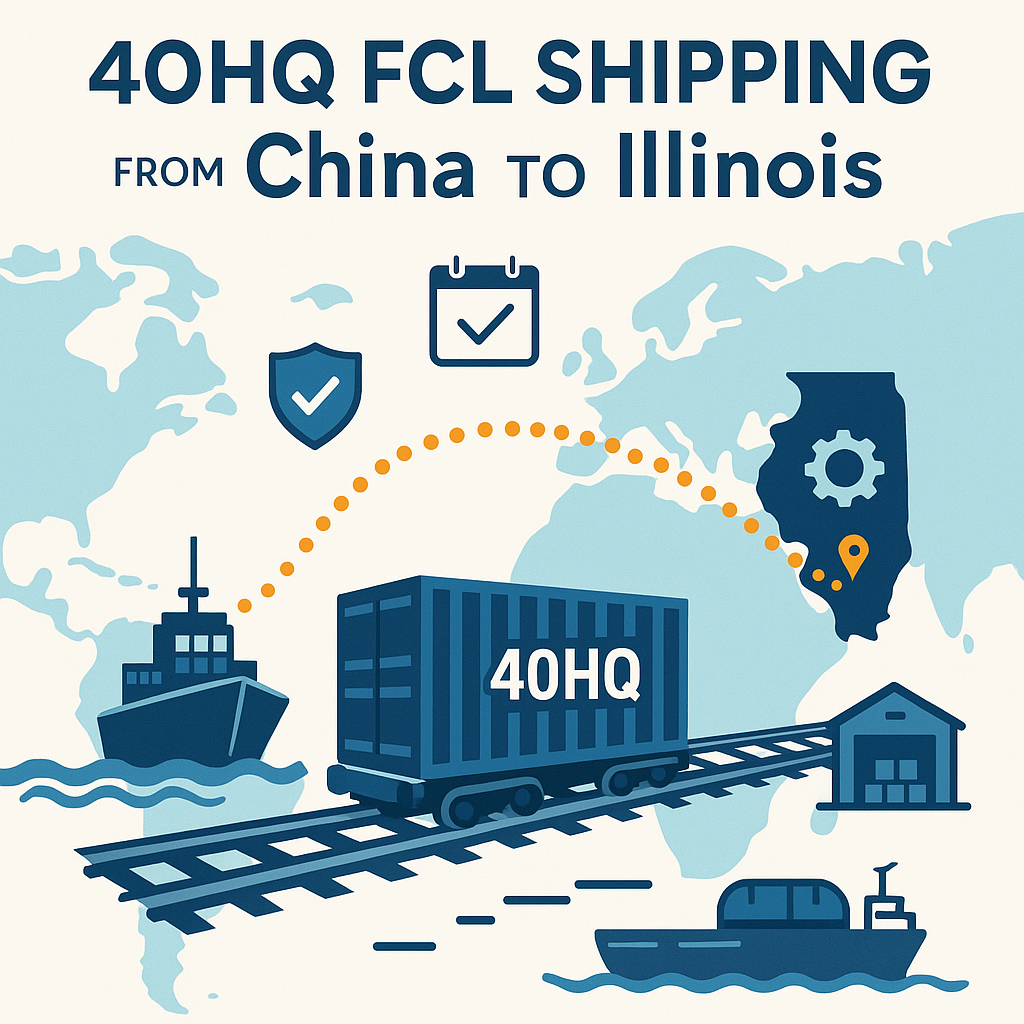
Because Illinois plays a central role in Midwest distribution, importers rely on efficient 40HQ FCL shipping from China to Illinois to support warehouse replenishment, retail supply chains, and production schedules. Moreover, inland delivery to Illinois requires more than booking ocean freight—it depends on coordination between China export procedures, U.S. customs entry, rail routing, and Midwest drayage. As these touchpoints become increasingly complex, partnering with a trusted provider like Top China Freight, starting from our homepage, helps reduce delays and ensures predictable door-to-warehouse performance.
What Makes 40HQ FCL Shipping Ideal for Illinois-bound Cargo?
Although multiple shipping options connect China to the U.S., 40HQ FCL remains the preferred choice for Illinois-based importers due to its balance of volume, stability, and cost efficiency. Because Illinois is inland, shippers require containers that reduce unit cost while providing enough space for retail goods, industrial components, or bulk commodities. Consequently, 40HQ FCL offers:
- 76–78 m³ of usable capacity
- Cost-efficient freight per cubic meter
- Ideal height for tall pallet loads
- Stability for long-haul inland transit
- Lower damage probability compared to LCL
Moreover, Illinois-bound cargo often travels through rail depots where container integrity plays a critical role. Therefore, 40HQ units are well-equipped to handle stacked, palletized, or carton-packed shipments.
How Does the China → Illinois Route Typically Work?
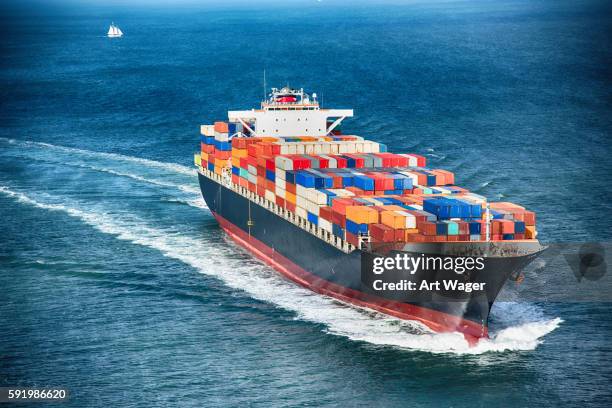
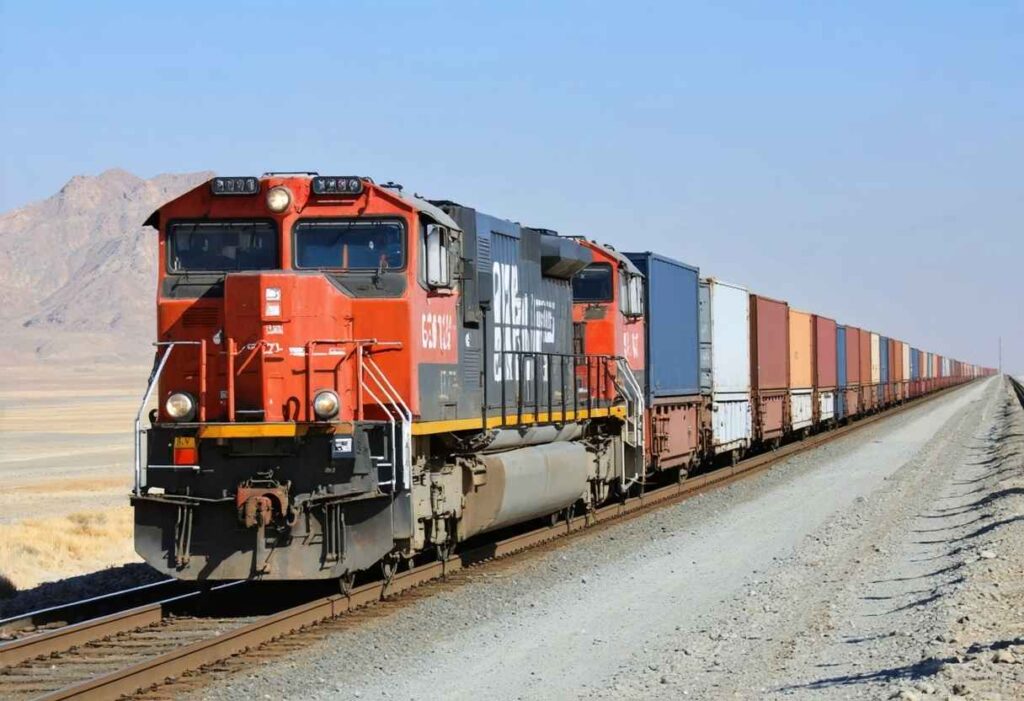
Although the U.S. Midwest is far from coastal ports, shipping to Illinois follows a predictable and efficient corridor. Because Illinois does not have a seaport, inland cargo typically travels through a major West Coast or Gulf Coast terminal before rail transfer.
Common routing patterns to Illinois
| Route | Sea Leg | Rail/Truck Leg | Notes |
|---|---|---|---|
| China → Los Angeles/Long Beach → Chicago | 15–18 days | 5–7 days | Fastest & most common |
| China → Oakland → Chicago | 18–21 days | 5–7 days | Good for northern China cargo |
| China → Houston → Chicago/Elwood | 25–28 days | 2–4 days | Strong for southern suppliers |
| China → Savannah → Chicago | 30–34 days | 3–5 days | Reliable but longer |
Los Angeles and Long Beach remain the top gateways due to higher frequency, stable schedules, and strong rail connectivity to Chicago and Joliet rail ramps.
To align routing with seasonal trends, many importers leverage our sea freight services for optimized scheduling.
Why Shipping Time to Illinois Requires Multi-Stage Planning
Although the ocean journey often gets the most attention, inland transit represents nearly half of the total transit time. Therefore, planning must synchronize three stages:
- China export preparation
- U.S. port of entry processing
- Midwest rail transfer
Because delays often occur during clearance or rail handover, early planning helps maintain overall predictability.
Key timing factors
• U.S. rail congestion
• IPI container allocation
• U.S. customs inspection probability
• Truck appointment availability
• Warehouse receiving window in Illinois
Although route times are relatively stable, inland bottlenecks can extend arrival by several days if not managed proactively.

What Documents Are Required for 40HQ FCL Shipping to Illinois?
Illinois belongs to the U.S. CBP jurisdiction, which enforces strict documentation rules. Although filing requirements are consistent nationwide, certain mistakes can delay Midwest-bound cargo due to inland rail control.
Essential documents checklist
| Document | Purpose |
|---|---|
| Commercial invoice | Duty & value declaration |
| Packing list | Weight & dimension verification |
| Bill of lading | Transport contract |
| ISF 10+2 | Mandatory pre-shipment filing |
| HS code declarations | Classification accuracy |
| Arrival notice | Coordinating rail transfer |
| Container loading photos | Damage dispute protection |
Because ISF penalties are high, many importers rely on our customs brokerage service to avoid compliance issues.
Case Studies
Shanghai → Los Angeles → Chicago (Electronics Pallet Shipment)
Cargo: 40HQ containing stacked electronics pallets
Route: Shanghai → Los Angeles → BNSF Chicago
Transit Time: 21 days
Outcome: Delivery completed two days ahead of schedule due to accurate ISF filing and optimized drayage coordination.
Because the shipper faced strict retail deadlines, Top China Freight aligned the booking with rail cutoff times and secured fast transfer through the LA on-dock rail system.
Ningbo → Houston → Joliet (Industrial Component Shipment)
Cargo: Industrial components with mixed pallet sizes
Route: Ningbo → Houston → UP Joliet
Transit Time: 33 days
Outcome: The cargo arrived in perfect condition thanks to reinforced loading and moisture-barrier packaging.
Because the components required stable humidity control, our team implemented specialized container preparation and coordinated inland rail transfer to avoid delays.
What Are the Main Cost Elements of 40HQ FCL Shipping to Illinois?
Although rates fluctuate, cost structures remain predictable. Understanding these elements helps importers optimize budgets and avoid unexpected expenses during rail routing or inland delivery.
Cost Breakdown Overview
| Cost Component | Description |
|---|---|
| Ocean freight | Base carrier rate from China to entry port |
| IPI surcharge | Inland rail charge to Chicago |
| Fuel surcharge | Applied by carriers and rail operators |
| Terminal handling charges | Port-side operations |
| Documentation & ISF filing | Compliance processing |
| Trucking | Drayage from rail ramp to warehouse |
| Chassis fee | Equipment usage for local delivery |
| Warehouse receiving fees | Appointment or unloading charges |
Although inland charges can exceed ocean freight, early planning often reduces trucking and chassis costs during peak demand.
Should Importers Use Door-to-Door Service for Illinois Shipments?
Although some choose port-to-port shipping, door-to-door offers greater control. Importers who prioritize predictability often select integrated services covering China pickup, ocean freight, rail transfer, and Illinois delivery.
Advantages of door-to-door
• Predictable end-to-end transit time
• Unified documentation
• Better coordination with warehouse schedules
• Reduced miscommunication between carriers
• Simplified cost structure
When timelines are tight, many importers use our door-to-door service to eliminate gaps between rail and warehouse coordination.
What Are the Most Reliable U.S. Ports for 40HQ Containers Destined for Illinois?
Although several ports receive Illinois-bound shipments, performance varies depending on rail strength and seasonal congestion.
Port Performance Overview
| U.S. Port | Advantages for Illinois Cargo | Notes |
|---|---|---|
| Los Angeles/Long Beach | Fastest rail lanes to Chicago | Best overall reliability |
| Oakland | Balanced routing from North China | Slightly longer transit |
| Houston | Strong for South China suppliers | Low congestion |
| Savannah | Consistent East Coast routing | Longer but stable |
Because Illinois depends on inland rail, ports with strong IPI connections remain the most dependable choices.
Conclusion
In summary, 40HQ FCL shipping from China to Illinois requires coordinated planning across ocean freight, customs compliance, inland rail routing, and final Midwest delivery. Moreover, predictable outcomes depend on early documentation, accurate loading preparation, and smart route selection. If you’re seeking a stable, professional solution for Illinois-bound freight, Top China Freight can create a tailored end-to-end plan that supports your logistics goals.
Request A Free Quote
Start shipping smarter with TopChinaForwarder today! 🚢✨ Request a Free Quote 📝 and get a tailored logistics plan built around your cargo and timeline.
FAQ:
How long does 40HQ shipping to Illinois usually take?
Transit typically ranges from 20–34 days, depending on the entry port and inland rail routing.
Can I ship mixed cargo inside one 40HQ container?
Yes, if items are properly packed and meet U.S. customs labeling and documentation rules.
Can Illinois-bound cargo be routed through East Coast ports?
Sure, though transit time is longer. East Coast routing remains stable during West Coast congestion.
What if my cargo contains hazardous materials?
Hazmat items require special documentation and may face additional checks.
Are inland rail delays common?
They occur during peak seasons. Early allocation and pre-clearance reduce the risk.