
Although 40HQ FCL shipping cost for medical equipment from China to USA fluctuates frequently, shippers can still control their budget when they understand how routing, packaging standards, and compliance affect final charges. Moreover, importers often struggle with variables like FDA-related documentation or port handling fees, yet most of these challenges can be solved with structured planning and support from partners like Top China Freight. Therefore, this article provides practical steps, transparent cost drivers, and actionable methods to stabilize your logistics budgeting.
What Cost Factors Shape 40HQ FCL Shipping for Medical Equipment?
Several variables influence total charges, yet importers often underestimate how quickly each component adds up. For example, medical equipment shipping demands stricter packaging, additional documentation, and greater handling precision, which naturally increases freight rates. Moreover, origin port selection, inland trucking coordination, and schedule planning for sensitive cargo also affect the final cost.
However, when these elements are reviewed together, shippers gain predictable budgeting visibility and significantly reduce unexpected surcharges.
How Does Port Selection Influence Equipment Safety and Cost Stability?
Choosing the right departure port in China and arrival port in the USA impacts both transit time and stability. Although Shanghai and Shenzhen offer the best weekly sailings, Ningbo or Qingdao may deliver more cost-effective FCL routing depending on market congestion. Additionally, the USA port handling guidance varies across Los Angeles, Long Beach, Houston, and New York.
Because medical devices often require careful lifting, safer terminal environments indirectly reduce the likelihood of damage, delays, or re-inspection fees.
Why Is Documentation Accuracy Essential for Medical Equipment Shipments?
Medical devices undergo higher compliance scrutiny compared with general goods. Therefore, FDA-related documentation, equipment certifications, and export compliance support play critical roles in avoiding customs delays.
Although many importers focus on freight rates alone, documentation errors often become the most expensive problem—causing demurrage, detentions, or re-inspection penalties.
Required Documentation Overview
- Commercial invoice
- Packing list with equipment serial details
- Equipment compliance reports
- FDA Prior Notice (if applicable)
- HS classification accuracy
- FCL container seal record
Because medical equipment is highly regulated, accurate FCL documentation directly protects both timeline and budget.

How Do Sailing Schedules Affect Delivery Predictability?
The weekly sailing frequency from China to the USA varies by carrier, and peak season can reduce space availability even for confirmed bookings. Therefore, delivery time forecasting becomes essential, especially when coordinating hospital procurement or laboratory installation timelines.
Below is a sample sailing schedule overview:
Typical Sailing Frequency and Transit Time
| Route | Weekly Sailings | Estimated Transit Time | Notes |
|---|---|---|---|
| Shanghai → Los Angeles | 4–5 sailings/week | 14–18 days | Fastest and most stable |
| Shenzhen → Long Beach | 3–4 sailings/week | 15–20 days | High space demand |
| Ningbo → Houston | 2–3 sailings/week | 22–28 days | Balanced option |
| Qingdao → New York | 2 sailings/week | 28–35 days | Long transit but reliable |
Although actual timing may shift due to seasonal congestion, this overview provides a baseline for planning sensitive medical shipments.
Case Studies
Shanghai to Los Angeles (Hospital Imaging Systems)
Origin: Shanghai
Destination: Los Angeles
Cargo: High-value imaging equipment (2 x 40HQ)
Transit Time: 16 days
Total Logistics Cost: Moderately optimized
Key Insights:
- Stable freight planning allowed consistent pricing
- Packaging reinforcement prevented vibration damage
- FDA-related documentation expedited clearance
Shenzhen to Houston (Laboratory Analysis Devices)
Origin: Shenzhen
Destination: Houston
Cargo: Precision laboratory systems (1 x 40HQ)
Transit Time: 23 days
Total Logistics Cost: Reduced by ~12%
Key Insights:
- Cost-effective FCL routing selected during peak season
- Inland trucking coordination prevented factory storage fees
- Accurate FCL documentation helped ensure smooth customs entry
Can Shippers Reduce Costs Without Compromising Equipment Quality?
Yes—cost reduction is possible when approached strategically. For instance, freight rate comparison across carriers highlights differences in fuel surcharges, GRI cycles, and contract options. Additionally, inland trucking coordination may allow shippers to consolidate outbound factory loads more efficiently.
Moreover, partnering with a single logistics provider improves communication, reduces handover errors, and enhances overall supply chain predictability.
Should Importers Work With a Specialized Forwarder for Medical Equipment?
Although general forwarders can manage basic FCL shipments, medical equipment requires advanced compliance knowledge and specialized handling. Therefore, working with an experienced provider—such as Top China Freight—can streamline documentation, improve cost predictability, and ensure schedule planning for sensitive cargo is aligned with operational deadlines.
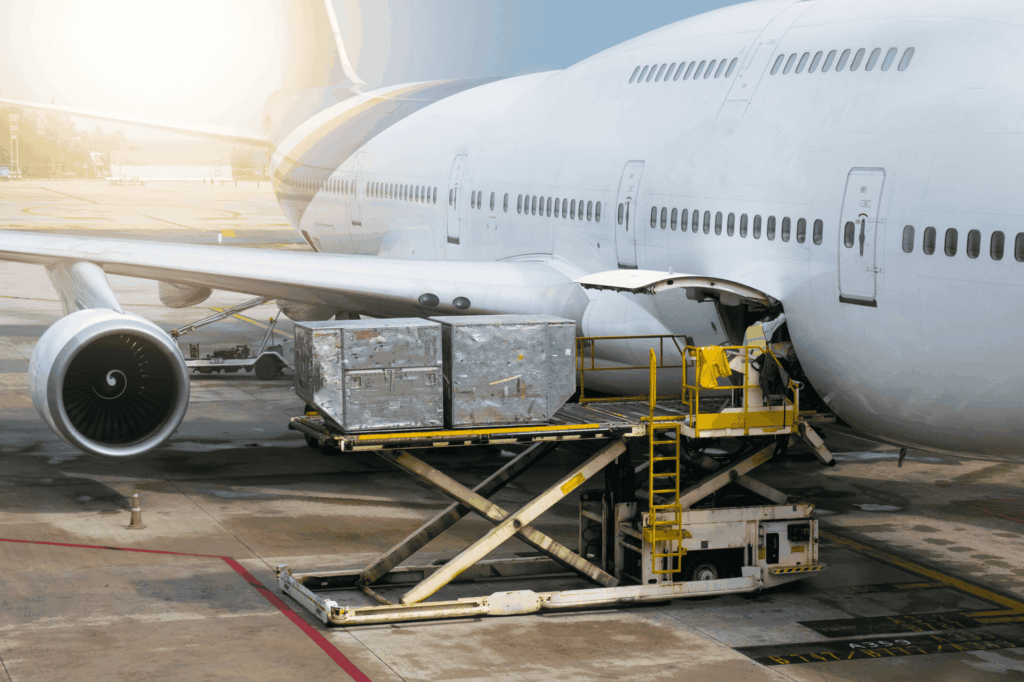
Additionally, importers gain access to multimodal options, including alternatives via air freight solutions for urgent medical devices.
Which Compliance Risks Should Medical Equipment Importers Watch Closely?
Compliance gaps often trigger additional inspections or costly port delays. Therefore, importers should carefully manage:
- Incorrect HS codes
- Incomplete equipment certifications
- Missing FDA supplementary documents
- Unclear medical device descriptions
- Improper use of cold-chain indicators
Although these issues seem minor, any discrepancy can lead to extended customs procedures and significant storage penalties.
Conclusion
Ultimately, understanding the 40HQ FCL shipping cost for medical equipment from China to USA enables importers to plan budgets more accurately and reduce operational risks. Moreover, when documentation, packing standards, and route choices are managed together, the entire supply chain becomes more predictable. Therefore, companies moving high-value medical devices should work with specialized partners who can stabilize pricing and ensure compliance for every shipment.
Request A Free Quote
Start shipping smarter with TopChinaForwarder today! 🚢✨ Request a Free Quote 📝 and get a tailored logistics plan built around your cargo and timeline.
FAQ:
What determines the final FCL cost for medical equipment?
Multiple elements contribute, including freight rates, port handling fees, inland trucking, compliance checks, and packing requirements for sensitive devices.
How can I prevent delays during customs clearance?
Accurate documents, correct HS codes, and complete medical certifications help minimize inspection risks and reduce clearance time significantly.
Is insurance recommended for medical equipment shipments?
Certainly, insurance protects against loss or damage and is especially useful when the cargo involves precision or high-value components.
How often do sailing schedules change?
Schedules adjust frequently based on congestion, weather, and carrier rotations, so checking weekly updates is essential for accurate planning.
How do I track my FCL shipment effectively?
Use carrier portals or forwarder tracking tools for real-time updates on vessel movement, port status, and estimated arrival windows.