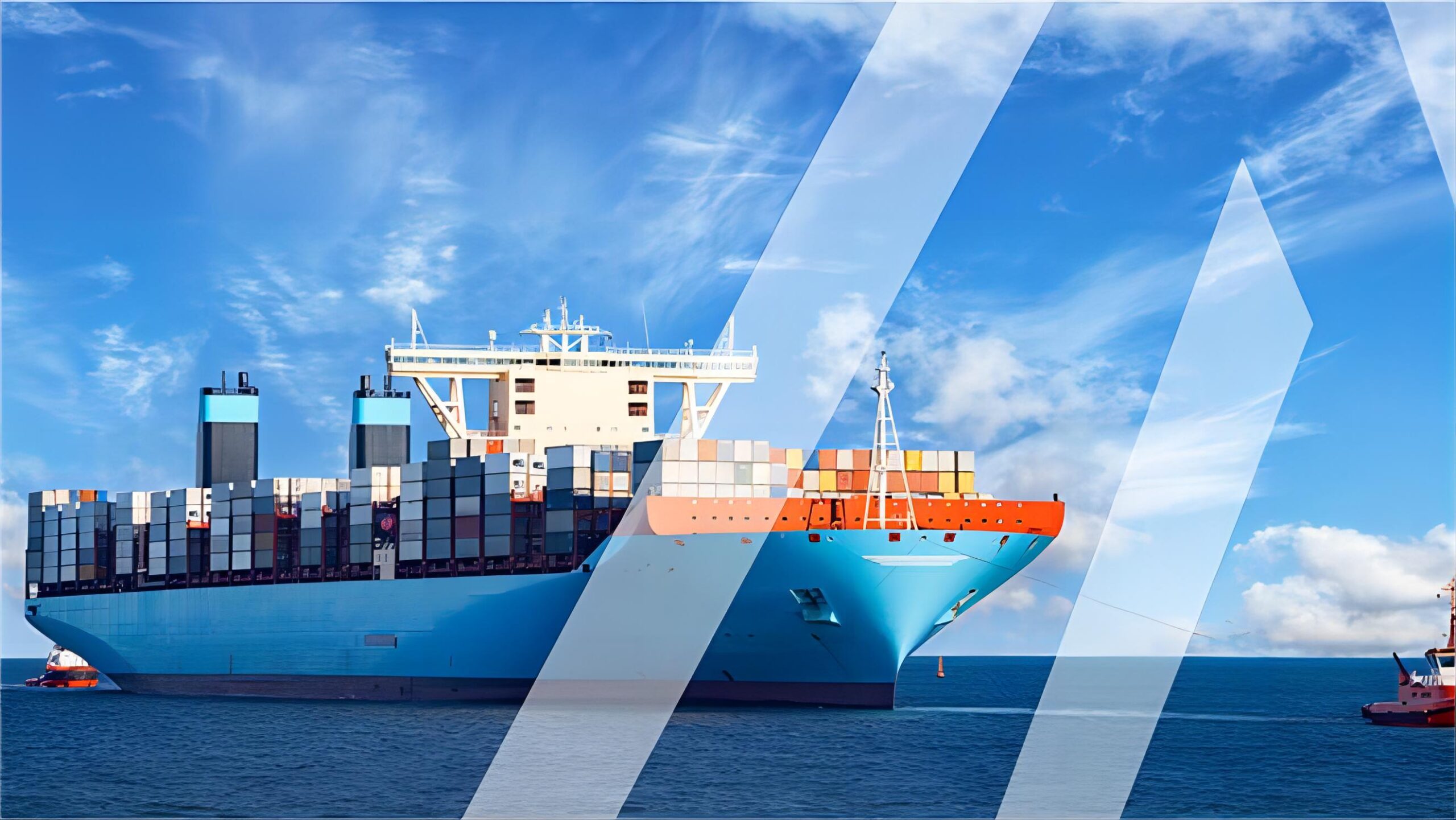
40HQ FCL Sailing Schedule for Solar Panels from China to Long Beach
Securing an optimal 40HQ FCL sailing schedule for solar panels from China to Long Beach is paramount for businesses in the renewable energy sector. This critical logistics decision directly impacts project timelines, inventory management, and overall profitability. Understanding the intricacies of ocean freight, including transit times, freight rates, and potential delays, is therefore essential for a smooth supply chain. This comprehensive guide provides insights and strategies to navigate the complexities of shipping solar panels efficiently.

What is 40HQ FCL Shipping for Solar Panels?
Full Container Load (FCL) shipping, specifically using a 40HQ (40-foot High Cube) container, is the preferred method for transporting large volumes of solar panels. This means your cargo occupies the entire container, offering enhanced security and direct transit. Consequently, it minimizes handling and reduces the risk of damage during the journey from China to Long Beach.
Choosing a 40HQ FCL ensures that your sensitive solar equipment receives dedicated space, preventing co-mingling with other shippers’ goods. Moreover, it is generally more cost-effective for substantial orders compared to Less than Container Load (LCL) options. Businesses often prioritize this method for its efficiency and reliability in the renewable energy supply chain.
Why is a Reliable 40HQ FCL Sailing Schedule Crucial for Solar Panels?
A consistent and predictable 40HQ FCL sailing schedule is vital for several reasons, especially when importing solar panels. Firstly, it allows for accurate project planning and installation timelines, preventing costly delays. Furthermore, it helps manage inventory levels, reducing the need for expensive warehousing in Long Beach.
Secondly, a reliable delivery schedule mitigates the financial risks associated with fluctuating market demands and tariffs. Without a doubt, disruptions in the supply chain can lead to significant financial penalties and damage to a company’s reputation. Therefore, meticulous planning around sailing schedules is non-negotiable for solar panel importers.
Key Factors Influencing Your China to Long Beach Sailing Schedule
Several factors collectively determine the efficiency and transit time of your 40HQ FCL sailing schedule. Understanding these elements is key to optimizing your logistics strategy. Indeed, careful consideration of each can significantly impact your overall shipping experience and costs.
From port congestion to carrier choice, every detail matters. Moreover, seasonal demand and global events can introduce unexpected challenges. Therefore, staying informed about these variables is crucial for effective supply chain management in the solar industry.
Origin Ports in China
China boasts numerous major ports for international shipping, each with varying capacities and direct routes to Long Beach. Shanghai, Ningbo, Shenzhen, and Guangzhou are primary departure points for solar panel shipments. Each port offers different sailing frequencies and transit times, influencing your overall delivery schedule.
For instance, ports closer to manufacturing hubs might offer quicker loading times. Conversely, less congested ports could provide more reliable departure slots. Selecting the right origin port is a strategic decision that impacts the initial leg of your journey.
Ocean Carriers and Service Routes
Major ocean carriers like Maersk, MSC, COSCO, and Evergreen operate extensive networks between China and the US West Coast. These carriers offer various services, including direct routes and transshipment options. A direct service, while potentially pricier, offers faster transit times and fewer handling points.
Conversely, transshipment routes, often via ports like Busan or Kaohsiung, can be more economical but extend the transit duration. Evaluating carrier reliability and service frequency is paramount for consistent sea freight operations. Their track record for on-time performance is a critical consideration for solar panel importers.
Transit Time and Speed
Typical transit times for 40HQ FCL solar panels from China to Long Beach range from 14 to 20 days for direct services. However, this can extend to 25-35 days for routes involving transshipment or during peak seasons. Factors such as vessel speed, weather conditions, and port congestion at both ends play a significant role. Therefore, planning with a buffer is always advisable.
Understanding the average transit time for your chosen route and carrier helps set realistic expectations for your delivery schedule. Furthermore, real-time tracking services provided by freight forwarders offer valuable visibility into your shipment’s progress. This transparency is crucial for managing customer expectations and internal logistics.
Seasonal Variations and Peak Seasons
Shipping demand and freight rates experience significant fluctuations throughout the year. Peak seasons, such as before major holidays (e.g., Chinese New Year, Golden Week) and during the Q3-Q4 holiday shopping rush, often lead to increased demand and higher shipping costs. Consequently, securing vessel space becomes more challenging.
Booking your 40HQ FCL space well in advance during these periods is a proactive strategy. Otherwise, you might face rolled cargo or significantly elevated freight rates. Staying informed about these seasonal trends helps in forecasting and budgeting for your solar panel imports. Moreover, flexible scheduling can mitigate some of these pressures.
Customs Clearance and Documentation
Efficient customs clearance at Long Beach is a critical step in the delivery process. Proper documentation, including commercial invoices, packing lists, bills of lading, and any necessary permits for solar panels, is essential. Any discrepancies can lead to delays and additional costs. Therefore, partnering with an experienced customs brokerage service is highly recommended.
Understanding US import regulations for solar panels, including tariffs and anti-dumping duties, is also vital. A proactive approach to documentation ensures a smoother transition through customs, minimizing unforeseen interruptions to your supply chain. Furthermore, accurate declaration prevents potential penalties and inspections.
How Does 40HQ FCL Compare to Other Shipping Options?
When importing solar panels from China to Long Beach, selecting the right shipping method is crucial for balancing cost, speed, and cargo safety. While 40HQ FCL is often ideal for large volumes, other options might suit different scenarios. Evaluating these alternatives helps optimize your logistics strategy.
Considering various factors like urgency, cargo volume, and budget will guide your decision. Each method presents unique advantages and limitations. Therefore, a comprehensive comparison is essential for making an informed choice for your solar panel shipments.
| Shipping Method | Cost Range (40HQ Equivalent) | Transit Time | Best For | Limitations |
|---|---|---|---|---|
| 40HQ FCL Sea Freight | $2,800 – $3,800 | 14-20 days (direct) | Large volume, cost-efficiency, secure cargo | Slower than air, port congestion risks |
| LCL Sea Freight | $50 – $80 per CBM (for <15 CBM) | 20-30 days | Smaller shipments (under 15 CBM), budget-conscious | More handling, longer transit, potential delays |
| Air Freight | $15,000 – $25,000 (for similar volume) | 3-7 days | Urgent, high-value, small volume shipments | Very high cost, volume/weight restrictions, CO2 footprint |
| Rail Freight (to US East Coast then truck) | Not viable for Long Beach direct | N/A | Not applicable for Long Beach as final port | Limited direct routes to US West Coast from China |
Optimizing Your Solar Panel Logistics: Alternative Strategies
Beyond the standard 40HQ FCL sailing schedule, several alternative strategies can further optimize your solar panel import process. These approaches can offer flexibility, cost savings, or improved speed depending on your specific needs. Exploring hybrid solutions and smart planning can enhance your supply chain resilience.
Consider these options to fine-tune your logistics and respond effectively to market changes or unexpected challenges. Each strategy presents a unique trade-off between cost, speed, and complexity. Therefore, understanding when to deploy them is key to successful import operations.
FCL vs. LCL: Volume Thresholds
For shipments of solar panels, the decision between FCL and LCL largely depends on volume. If your cargo exceeds approximately 15-20 CBM (cubic meters), FCL shipping in a 40HQ container becomes significantly more economical and secure. Below this threshold, LCL might seem cheaper per CBM, but it involves more handling and longer transit times.
However, even for slightly smaller volumes, the benefits of FCL security and direct transit often outweigh marginal LCL cost savings. Moreover, LCL shipments are more susceptible to delays due to consolidation and deconsolidation processes. Therefore, evaluate your exact CBM to make the best choice.
Direct vs. Transshipment Routes
Choosing between a direct vessel and a transshipment service impacts both transit time and cost. Direct routes typically offer a faster journey to Long Beach, avoiding extra handling at intermediate ports. This can save 5-7 days in transit, which is crucial for time-sensitive solar projects. However, direct services often come with a 10-15% higher freight rate.
Transshipment routes, while more affordable, introduce additional touchpoints and potential for delays. These delays can be due to missed connections or port congestion. Therefore, weigh the urgency of your solar panel delivery against potential cost savings. A detailed door to door service can help manage these complexities.
Hybrid Solutions: Sea-Air Combinations
For scenarios requiring a balance of speed and cost, a sea-air hybrid solution can be effective. This involves shipping solar panels by sea from China to a transshipment hub (e.g., Dubai, Korea), then air freighting the cargo to Long Beach. This method significantly reduces overall transit time compared to pure sea freight, yet it’s less expensive than direct air freight.
This strategy is particularly useful for urgent components or when facing unexpected production delays. It provides flexibility and a middle-ground solution for managing your supply chain effectively. However, it adds complexity in coordination and requires careful planning. Therefore, consult with experienced freight forwarders for seamless execution.
Pre-Booking and Contract Rates
To mitigate risks associated with volatile freight rates and limited vessel space, consider pre-booking your 40HQ FCL shipments. Establishing contract rates with carriers or freight forwarders for regular volumes can provide stability and better pricing. This strategy is especially beneficial during peak seasons or periods of high demand for solar panel imports.
Securing space in advance ensures your cargo doesn’t get rolled, preventing costly delays. Moreover, long-term partnerships often lead to better service and priority allocation. Therefore, proactive planning and relationship building are key for consistent shipping of solar panels from China to Long Beach. This foresight is a cornerstone of effective supply chain management.
Which Option Should You Choose for Your Solar Panels?
Deciding on the best shipping strategy for your 40HQ FCL solar panels depends on your specific business priorities. Each scenario demands a tailored approach to ensure optimal outcomes. Consider these criteria to make an informed choice for your next shipment from China to Long Beach.
Careful evaluation of your needs against available logistics solutions will lead to the most efficient and cost-effective plan. Understanding your priorities is the first step. Therefore, assess your unique requirements before committing to a shipping method.
Budget Priority
If cost-efficiency is your primary concern, 40HQ FCL sea freight on a transshipment route is generally the most economical choice. Furthermore, consolidating multiple orders into a single 40HQ can further reduce per-unit shipping costs. This is ideal for businesses with flexible timelines and large order volumes.
However, be mindful of potential longer transit times and increased handling. Therefore, balance cost savings with the acceptable risk of delays. For instance, booking during off-peak seasons can also yield better freight rates for your solar panel imports.
Speed Priority
For urgent shipments of solar panels, direct 40HQ FCL sea freight services offer the fastest ocean transit to Long Beach. If even faster delivery is needed for critical components or samples, air freight or a sea-air hybrid solution should be considered. These options significantly cut down transit time, albeit at a higher cost.
Prioritizing speed means investing more in freight, but it can save on project delays or lost sales. Therefore, assess the financial impact of delays versus the increased shipping cost. For example, some premium ocean services offer guaranteed transit times for an added fee.
Cargo Type and Volume Considerations
Solar panels, being fragile and bulky, are ideally suited for 40HQ FCL shipping. This method provides ample space and reduces the risk of damage from external cargo. For very small, high-value components or emergency replacements, express service or air freight might be more appropriate. These specialized services ensure delicate items receive optimal care.
Always ensure proper packaging and crating for solar panels, regardless of the shipping method. Furthermore, freight insurance is highly recommended for such valuable cargo. Therefore, protect your investment by choosing the right container and packaging solutions.
Real-World Case Studies: 40HQ FCL Solar Panels to Long Beach
These case studies illustrate typical scenarios and outcomes for shipping 40HQ FCL solar panels from China to Long Beach. They highlight the interplay of cost, transit time, and operational challenges. Understanding these examples can provide valuable insights for your own logistics planning.
Based on Q3 2024 market rates, these scenarios reflect common experiences in the renewable energy import sector. They demonstrate how strategic decisions impact the overall success of a shipment. Therefore, learn from these practical examples to optimize your supply chain.
Case Study 1: Standard Volume, Cost-Effective Route
| Detail | Value |
|---|---|
| Route | Ningbo, China -> Long Beach, USA |
| Cargo | Solar Panels (Monocrystalline), 60 CBM, 20,000 kg |
| Container | 40HQ FCL |
| Shipping Details | |
| – Carrier/Service | Major carrier (e.g., COSCO) |
| – Port of Loading | Ningbo |
| – Port of Discharge | Long Beach |
| – Route Type | Direct |
| Cost Breakdown (Typical rates as of early 2025) | |
| – Ocean Freight | $3,200 |
| – Origin Charges (THC, documentation) | $450 |
| – Destination Charges (DDC, chassis, port fees) | $600 |
| – Customs & Duties (estimated) | $1,500 |
| – Total Landed Cost (excluding drayage) | $5,750 |
| Timeline | |
| – Booking to Loading | 5 days |
| – Sea Transit | 16 days |
| – Customs Clearance | 2 days |
| – Total Port-to-Port | 23 days |
| Key Insight | Achieved good balance of cost and speed with direct service, minimal delays. |
Case Study 2: Expedited Delivery for Project Deadline
| Detail | Value |
|---|---|
| Route | Shanghai, China -> Long Beach, USA |
| Cargo | High-Efficiency Solar Panels, 58 CBM, 19,500 kg |
| Container | 40HQ FCL |
| Shipping Details | |
| – Carrier/Service | Premium service (e.g., Maersk TP6) |
| – Port of Loading | Shanghai |
| – Port of Discharge | Long Beach |
| – Route Type | Direct, priority booking |
| Cost Breakdown (Based on Q3 2024 market rates) | |
| – Ocean Freight | $3,800 |
| – Origin Charges (THC, documentation) | $500 |
| – Destination Charges (DDC, chassis, port fees) | $650 |
| – Customs & Duties (estimated) | $1,400 |
| – Total Landed Cost (excluding drayage) | $6,350 |
| Timeline | |
| – Booking to Loading | 3 days |
| – Sea Transit | 14 days |
| – Customs Clearance | 1 day (pre-cleared) |
| – Total Port-to-Port | 18 days |
| Key Insight | Higher freight cost justified by meeting strict project deadline with faster transit and pre-clearance. |
Case Study 3: Overcoming Port Congestion Challenges
| Detail | Value |
|---|---|
| Route | Shenzhen, China -> Long Beach, USA |
| Cargo | Commercial Solar Modules, 62 CBM, 21,000 kg |
| Container | 40HQ FCL |
| Shipping Details | |
| – Carrier/Service | Standard carrier (e.g., OOCL) |
| – Port of Loading | Shenzhen |
| – Port of Discharge | Long Beach |
| – Route Type | Direct, but experienced delays |
| Cost Breakdown (Industry average for this route, Q1 2025) | |
| – Ocean Freight | $3,500 |
| – Origin Charges (THC, documentation) | $480 |
| – Destination Charges (DDC, chassis, port fees) | $620 |
| – Customs & Duties (estimated) | $1,600 |
| – Total Landed Cost (excluding drayage) | $6,200 |
| Timeline | |
| – Booking to Loading | 6 days |
| – Sea Transit | 18 days (plus 7 days anchorage) |
| – Customs Clearance | 3 days |
| – Total Port-to-Port | 34 days |
| Key Insight | Experienced significant anchorage delays at Long Beach, highlighting the need for buffer time and real-time tracking during peak seasons. Note: Freight rates are subject to change based on fuel costs, carrier capacity, and seasonal demand. Contact us for a current quote tailored to your specific shipment. |
Conclusion: Master Your 40HQ FCL Solar Panel Shipments
Effectively managing your 40HQ FCL sailing schedule for solar panels from China to Long Beach requires a deep understanding of logistics, market dynamics, and strategic planning. By considering factors such as origin ports, carrier services, transit times, and potential disruptions, businesses can significantly enhance their supply chain efficiency.
Choosing the right freight forwarder and being proactive in your booking decisions are paramount. Moreover, exploring alternative strategies like hybrid solutions or pre-booking can provide a competitive edge. Ultimately, a well-executed shipping plan ensures your solar panels arrive on time and within budget, supporting the growth of your renewable energy projects.
Need a tailored shipping solution?
Ready to streamline your solar panel imports? Contact us today for a personalized quote and expert guidance on your 40HQ FCL sailing schedule for solar panels from China to Long Beach. Our team is prepared to optimize your supply chain and ensure timely delivery.