
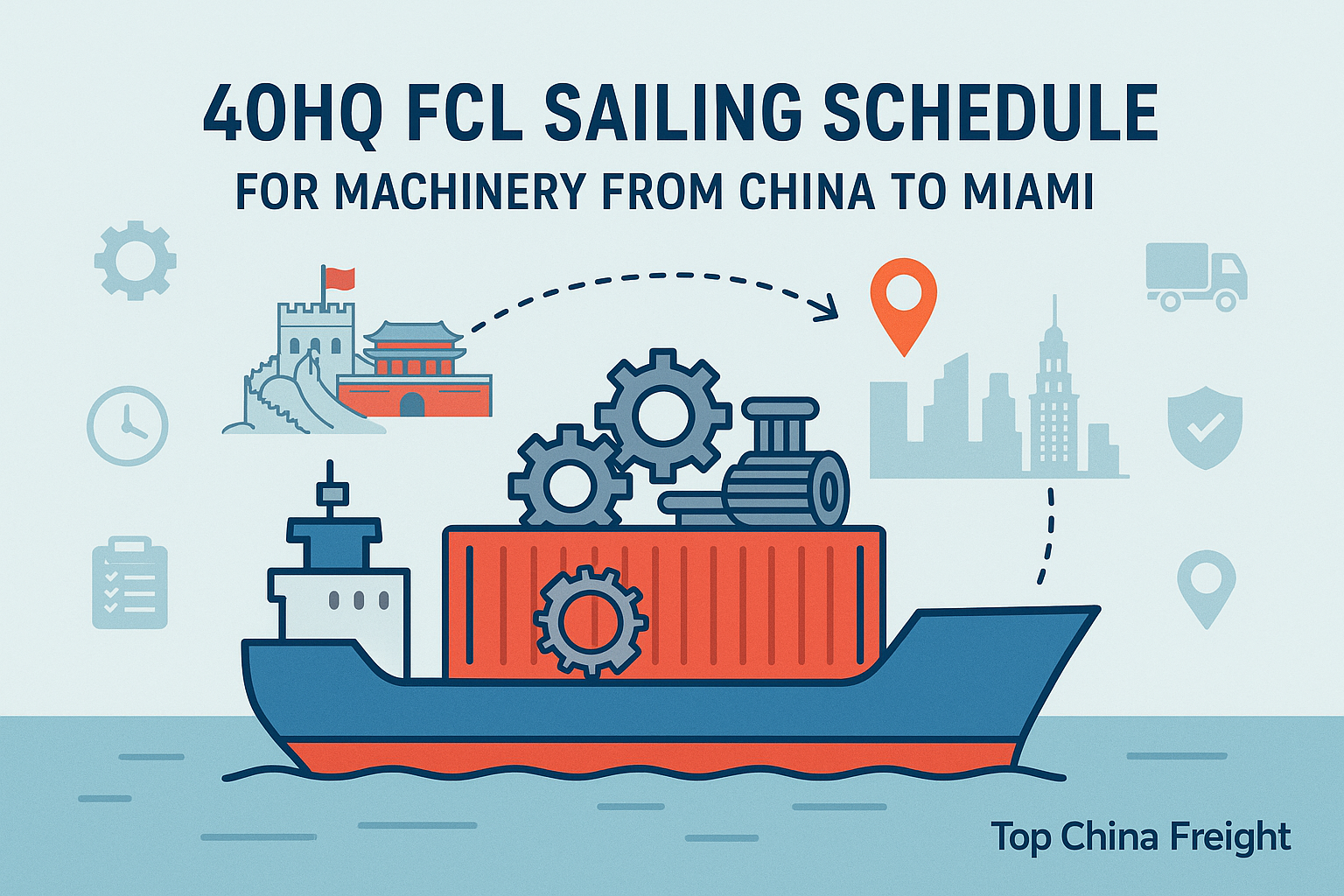
Managing a predictable 40HQ FCL sailing schedule for machinery from China to Miami is essential for manufacturers and import teams aiming to maintain stable production timelines. Although machinery shipping involves complex routing, heavy-lift loading, and schedule-sensitive transit windows, clear planning makes the process far easier. Therefore, this guide breaks down actual sailing patterns, documentation, and cost structures supported by operational practices used at Top China Freight.
What Defines the 40HQ FCL Sailing Schedule for Machinery from China to Miami?
Machinery shippers depend heavily on sailing predictability because delays affect installation timelines, project deadlines, and production continuity. Moreover, carriers adjust schedules frequently due to port congestion, weather conditions, and ongoing supply chain shifts.
Key Variables Affecting Sailing Schedules
- Carrier frequency and weekly departure availability
- China port cutoff times for machinery cargo
- Transshipment hub timing (e.g., Panama, Cartagena)
- Miami terminal congestion during peak season
- Heavy-lift crane availability for oversized machinery
Because 40HQ freight for machinery is space-sensitive, booking early ensures access to reliable routes.
How Often Do 40HQ Sailings Operate From China to Miami?
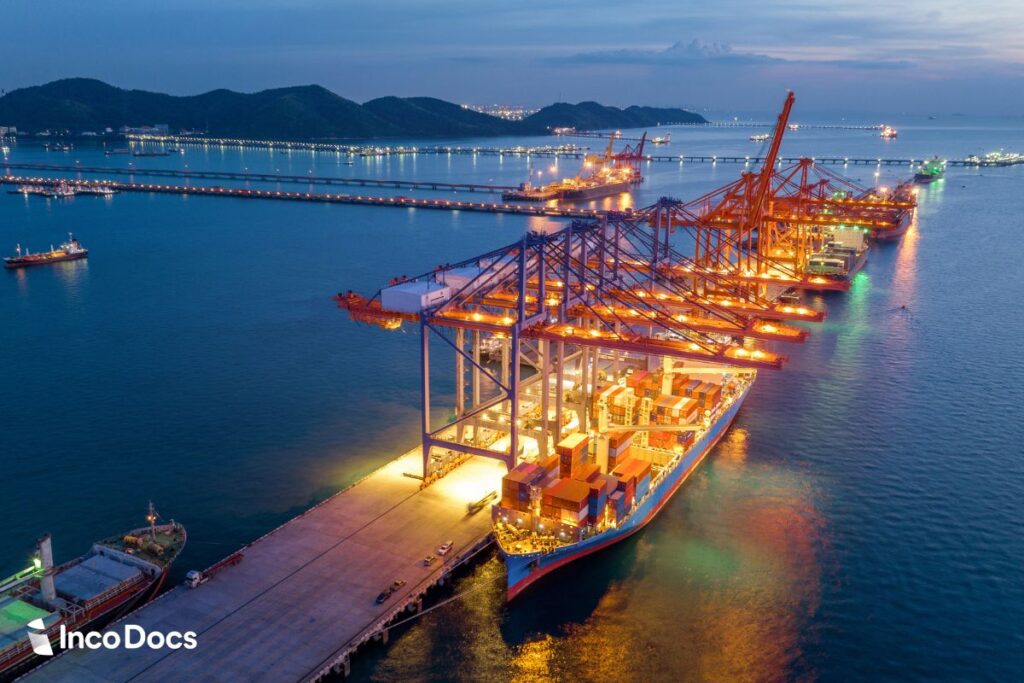
Although machinery routes operate year-round, weekly schedules vary by carrier. Furthermore, China’s major ports—Shanghai, Ningbo, Shenzhen—offer different transit profiles based on the preferred hub.
Sample Sailing Frequency Overview
| Origin Port | Weekly Sailings | Transit Time | Notes |
|---|---|---|---|
| Shanghai | 2–3 sailings/week | 32–38 days | Stable schedules, strong 40HQ availability |
| Ningbo | 1–2 sailings/week | 34–40 days | Good for heavy machinery exporters |
| Shenzhen/Yantian | 3 sailings/week | 30–36 days | Fastest machinery route to Miami |
Because machinery needs stronger loading preparation, exporters usually choose ports with reliable cutoff cycles.
Why Does Machinery Require Special Planning in 40HQ Containers?
Machinery rarely fits standard container loading patterns. Consequently, shippers must consider weight distribution, crate dimensions, and forklift accessibility.
Machinery-Specific Shipping Factors
- Crate height can influence stacking clearance
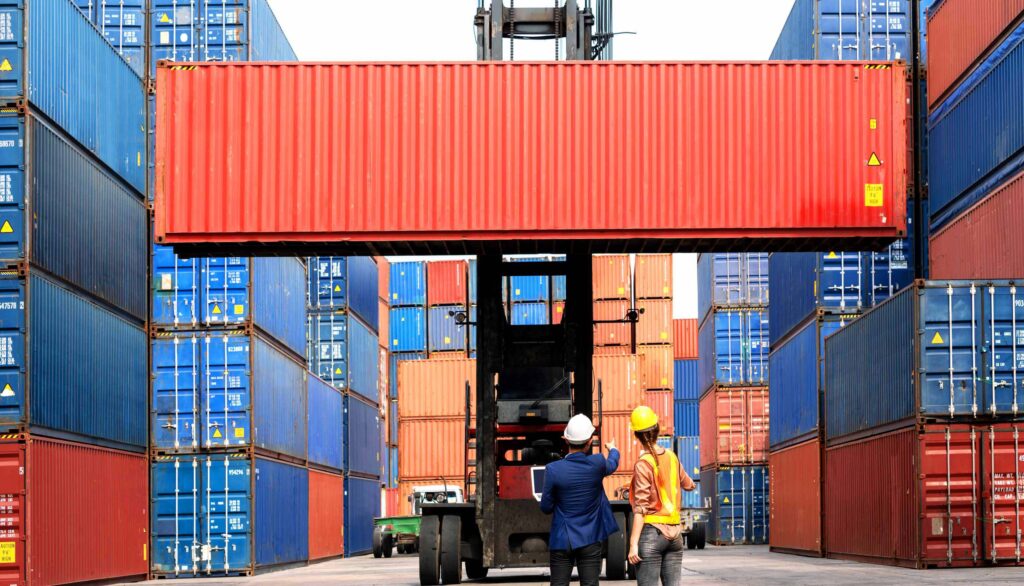
- Heavy-lift forklifts required at CY and CFS points
- Shock-sensitive components may need additional padding
- Overweight cargo may require reinforced flooring
Additionally, machinery often demands packaging that complies with both China export rules and Miami’s inspection standards.
What Transit Routes Are Common for Machinery to Miami?
Machinery shipping routes combine efficiency with carrier reliability. Although direct sailings are limited, most machinery moves through transshipment hubs.
Common Routing Patterns
- China → Panama → Miami
Fast and stable for project cargo. - China → Cartagena → Miami
Cost-efficient, suitable for heavy machinery. - China → Busan → Panama → Miami
Longer but offers more flexible ETD/ETA.
Because Miami relies heavily on transshipment-based logistics, shippers must monitor hub congestion closely.
Case Studies
CNC Machinery Shipment from Ningbo → Miami
Cargo Type: CNC Milling Machines (9,200 kg)
Container: 40HQ FCL
Route: Ningbo → Panama → Miami
Transit Time: 35 days
Key Results:
- Lashing optimized to reduce vibration risks
- ETD confirmed early to match crane schedule
- Saved 11% on freight by choosing Panama hub
This case demonstrates how strategic routing improves cost and reliability.
Hydraulic Machinery from Shenzhen → Miami
Cargo Type: Industrial Hydraulic Sets (7,800 kg)
Route: Shenzhen → Cartagena → Miami
Transit Time: 31 days
Key Results:
- Achieved faster release due to early customs prep
- Heavy-lift warehouse arranged ahead of vessel arrival
- Stable ETA prevented costly installation delays
Both cases reflect the value of proactive schedule planning.
What Documents Affect the Sailing Schedule for Machinery?
Because machinery classifications vary widely, documentation accuracy directly influences release timing at both origin and destination.
Machinery Documentation Checklist
| Document | Purpose | Impact on Sailing |
|---|---|---|
| Invoice & Packing List | Weight & volume validation | Prevents loading delays |
| HS Code Confirmation | Classification accuracy | Avoids customs rechecks |
| Machinery Certificates | CE/Compliance verification | Required for Miami release |
| Export Declaration | China regulatory compliance | Must match cargo specs |
| Bill of Lading | Transport and ownership record | Needed for vessel load list |
Although documentation is a simple step, it controls nearly 40% of preventable delays.
Why Early Booking Reduces Costs and Risks?
Although last-minute bookings are possible, they often result in surcharges, container shortages, or delayed ETDs. Early commitment ensures space availability and potential cost advantages.
Benefits of Early Booking
- Lower base freight rate for 40HQ containers
- Priority equipment allocation
- Reduced risk of storage or demurrage at Miami
- Enhanced coordination with inland trucking schedules
Partnering with logistics experts like Top China Freight ensures early booking advantages are fully leveraged.
How Can Supply Chain Disruptions Affect 40HQ FCL Sailing?
Global events, port labor shifts, or unexpected vessel delays influence freight rates and timing. Thus, shippers should monitor logistics trends continuously.
Disruption Mitigation
- Diversify carriers and routing options
- Maintain buffer windows for production planning
- Track ETD/ETA with predictive tools
- Communicate with inland trucking providers proactively
Proactive disruption management ensures machinery arrives within planned schedules, avoiding project delays.
Conclusion
Effectively managing a 40HQ FCL sailing schedule for machinery from China to Miami requires early booking, precise documentation, and coordination with carriers and ports. Additionally, considering transshipment routes, port selection, and proactive tracking improves schedule reliability and cost efficiency. Partnering with professional freight providers guarantees smooth delivery and minimizes unexpected logistics costs.
Request A Free Quote
Start shipping smarter with TopChinaForwarder today! 🚢✨ Request a Free Quote 📝 and get a tailored logistics plan built around your cargo and timeline.
FAQ:
What determines the 40HQ FCL freight rate for machinery?
Fuel costs, carrier capacity, port fees, and seasonal demand are the main determinants.
Should I always choose direct routes?
Direct routes offer faster ETD/ETA, but transshipment can reduce costs without significant delay.
How early should I book 40HQ FCL for machinery?
Booking 2–4 weeks in advance secures container space and avoids peak-season surcharges.
Can I combine machinery with other cargo in FCL?
Generally no; heavy machinery requires full 40HQ for safety and handling efficiency.
How to reduce inland delivery costs?
Pre-book trucking, coordinate warehouse schedules, and confirm equipment availability at the port.