
- By rudy
- November 27, 2025
- Freight knowledge, Shipping
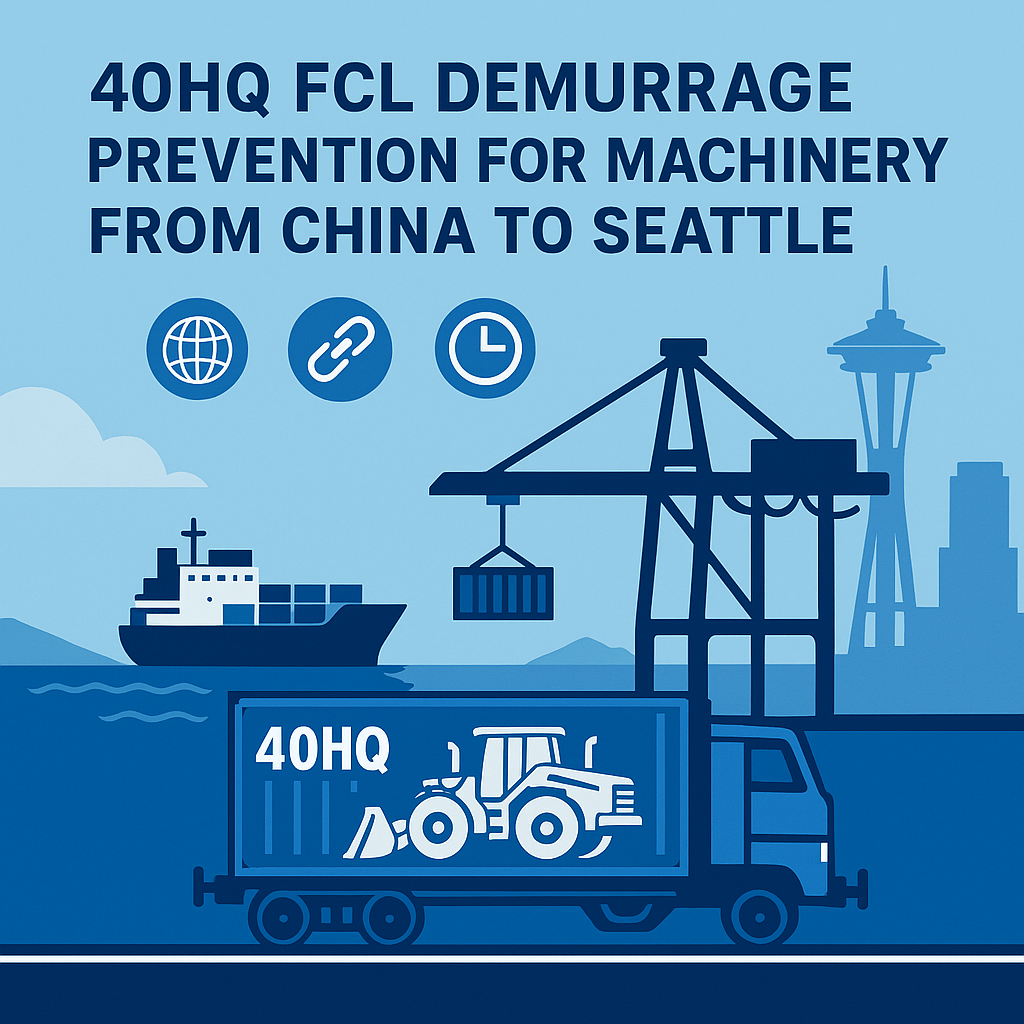
Although shipping heavy machinery from China to Seattle seems complex, 40HQ FCL demurrage prevention for machinery from China to Seattle can be achieved with the right planning and workflows. As a result, importers who want stable timelines and predictable costs increasingly optimize port handling, customs, and container pickup. Moreover, early preparation and clear documentation—supported by tools from platforms like the Top China Freight homepage—help importers maintain strict control over time and cost.

What Makes Demurrage Prevention Essential for Machinery Imports?
Machinery imports carry high commercial value and often involve oversized or heavy-duty components. Therefore, demurrage fees accumulate quickly if a 40HQ container stays at Seattle ports longer than allowed. Since daily demurrage can escalate based on terminal load, importers must reduce delay risks through planning, document accuracy, and aligned supply chain schedules.
Additionally, because machinery projects follow strict delivery schedules, avoiding demurrage supports construction timelines, factory installation, and engineering operations.
How Does the China-to-Seattle 40HQ FCL Process Typically Work?
Manufacturers gather invoices, packing lists, product certifications, and machinery specifications. Additionally, they prepare compliance materials such as HS codes and safety declarations.
Export Preparation in China
Manufacturers gather invoices, packing lists, product certifications, and machinery specifications. Additionally, they prepare compliance materials such as HS codes and safety declarations.
Ocean Transport and Seattle Arrival
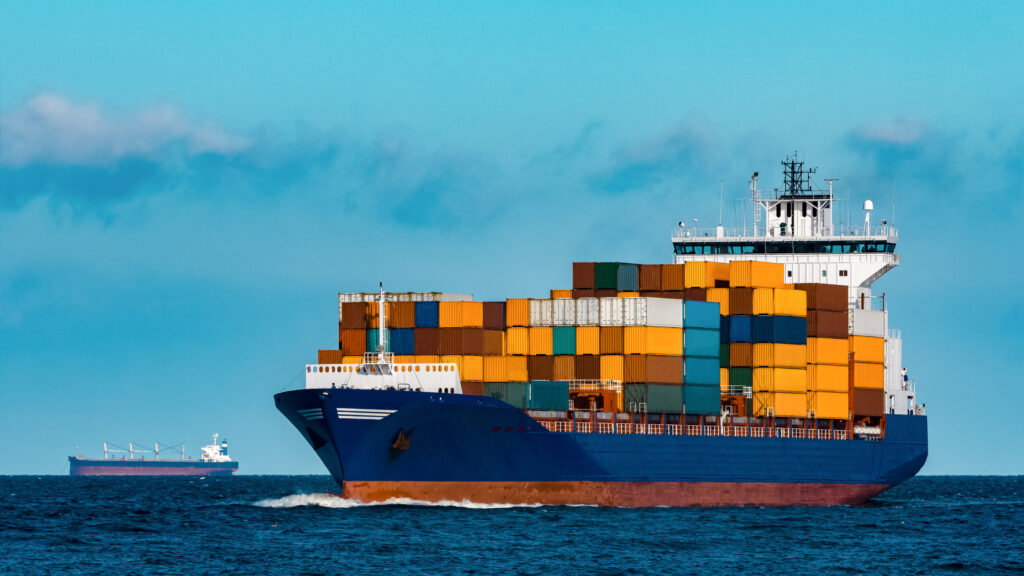
Vessels arrive at the Port of Seattle or Tacoma, where containers undergo unloading, scanning, and customs inspection. Consequently, well-coordinated clearance prevents unnecessary port storage.
Final Drayage and Delivery
Carriers schedule chassis pickup and delivery appointments. Because delays often occur here, early reservation helps eliminate detention charges and last-mile congestion.
Why Do Demurrage Charges Occur for 40HQ FCL Machinery Cargo?
Demurrage is typically caused by documentation delays, customs holds, port congestion, inaccurate cargo declarations, or lack of drayage availability. Furthermore, heavy machinery may require specialized unloading and inspection, extending the release process.
Common causes include:
- Late ISF filing
- Incomplete import documents
- Random customs exams
- High port volume and terminal gridlock
- Delayed payment of duties and taxes
- Unscheduled pickup or unavailable chassis
What Documents Are Needed to Prevent Delays at Seattle Port?

Accurate documents ensure rapid customs processing. These are essential for machinery:
Machinery Import Documentation Checklist
| Document Type | Purpose | Notes |
|---|---|---|
| Commercial Invoice | Declares value | Must match HS code details |
| Packing List | Describes cargo | Include machinery dimensions |
| Bill of Lading | Shipping contract | Needed for container release |
| ISF Filing | Pre-arrival security | Must be filed before sailing |
| Machinery Certification | Compliance | Varies by equipment type |
| Importer Security Data | Risk assessment | Prevents customs delays |
Proper alignment of these documents eliminates errors that often trigger demurrage.
Case Study
A – Heavy CNC Machinery (Shanghai → Seattle)
- Cargo Type: CNC machining equipment
- Volume: Full 40HQ, 19 tons
- Process: Pre-clearance + early drayage booking
- Transit Time: 18 days
- Cost: Approx. USD $3,600 (ocean freight portion)
- Result: Container picked up within free time; zero demurrage; installation completed on schedule.
B – Agricultural Machinery (Ningbo → Tacoma)
- Cargo Type: Agricultural tractors and attachments
- Volume: 1×40HQ
- Process: Advance documentation + chassis pre-arrangement
- Transit Time: 21 days
- Cost: Approx. USD $3,850
- Result: No customs hold, no port storage, and rapid last-mile delivery to eastern Washington.
How Can You Avoid Demurrage for Machinery Imports to Seattle?
Importers reduce demurrage by securing paperwork early, coordinating drayage well in advance, and maintaining real-time visibility. Moreover, using expert freight support for equipment imports greatly reduces risk.
Key strategies include:
- Submitting documents before cargo departure
- Booking drayage carriers 3–5 days before arrival
- Using port visibility tools to track vessel ETA
- Preparing duty payments ahead of arrival
- Conducting pre-clearance whenever possible
For shippers seeking stable execution, Top China Freight offers pre-clearance guidance and direct coordination with drayage partners to ensure predictable container pickup.
Should You Use Pre-Clearance for Seattle Machinery Imports?
Pre-clearance accelerates cargo release by reviewing documentation before vessel arrival. Since Seattle ports often face congestion, pre-clearance significantly reduces the chance of last-minute holds.
Benefits include:
- Faster release decisions
- Lower risk of customs exams
- Ability to schedule drayage earlier
- Immediate eligibility for pickup
For importers who want seamless coordination, the customs brokerage service integrated within door-to-door solutions helps minimize congestion-related penalties.
What Are the Estimated Shipping Times and Costs from China to Seattle?
Although rates vary weekly, general patterns help importers plan. Machinery often ships from Shanghai, Ningbo, or Qingdao to Seattle with stable schedules.
Typical China–Seattle 40HQ FCL Timeline and Cost Range
| Origin Port | Transit Time | Cost Range (Non-binding) |
|---|---|---|
| Shanghai | 16–20 days | USD $3,200–$4,100 |
| Ningbo | 17–22 days | USD $3,300–$4,200 |
| Qingdao | 19–25 days | USD $3,400–$4,300 |
Additionally, inland delivery within Washington averages 1–3 days, depending on chassis availability.
Conclusion
Effective 40HQ FCL demurrage prevention for machinery from China to Seattle depends on early document preparation, accurate packing, coordinated drayage, and predictable customs procedures. Additionally, smooth collaboration among suppliers, forwarders, and carriers ensures that project deadlines stay on track. For importers seeking predictable cost and scheduling, a professional logistics team can provide tailored solutions and actionable advice for every shipment.
Request A Free Quote
Need a reliable logistics partner? Share your shipment details and we’ll provide a tailored quotation quickly and accurately.
FAQ:
What causes most demurrage for machinery imports?
Delays often stem from incomplete documents, late duty payment, random customs exams, or drayage shortages. Staying prepared avoids these risks.
How early should I book drayage for Seattle arrivals?
Booking 3–5 days before vessel arrival ensures chassis availability and prevents storage fees.
Can pre-clearance eliminate port delays?
Pre-clearance accelerates decision-making, reduces holds, and helps schedule container pickup earlier.
How can I avoid detention charges after pickup?
Return the empty container quickly and coordinate unloading teams before arrival to prevent delays.
How predictable is the China–Seattle timeline?
Transit times are stable, though weather, peak season, or port congestion may cause occasional adjustments.