
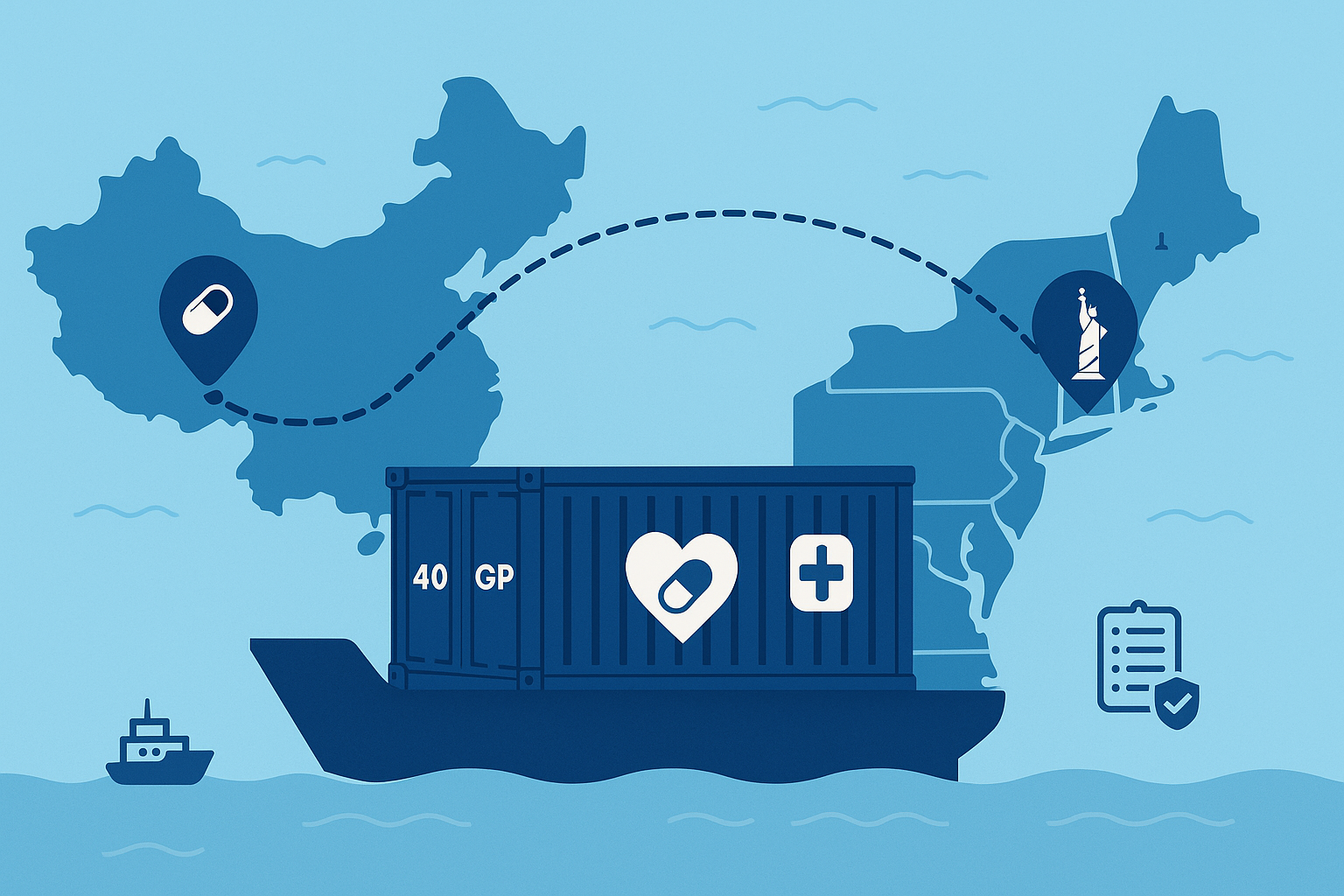
Although medical cargo demands strict timing and reliability, importers often struggle to predict the 40GP FCL transit time for medical equipment from China to New Jersey. Therefore, this article breaks down route choices, compliance steps, and strategies you can immediately apply for smoother operations. As you explore these insights, you may also leverage tools from Top China Freight to strengthen your planning and execution.
What Defines an Accurate 40GP FCL Transit Time From China to New Jersey?
Because medical equipment is highly sensitive, transit time is shaped by route selection, port congestion, container availability, and the level of pre-shipment preparation. Moreover, small delays at departure ports such as Shanghai, Ningbo, or Qingdao can add days to the timeline. Importers therefore monitor sailing schedules closely, as weekly services to New York/New Jersey typically range between 28–37 days depending on the carrier and transshipment points. Additionally, early cargo readiness consistently shortens overall lead time.
Key Time Components
- Origin factory handling (1–3 days)
- Export customs in China (1–2 days)
- Ocean transit depending on route (26–35 days)
- U.S. customs + port unloading (2–4 days)
- Final delivery to NJ medical facilities or warehouses (1–3 days)
Because medical devices require secure and compliant handling, each step should be optimized to prevent disruptions.
How Do Different China–New Jersey Routes Affect Transit Time?
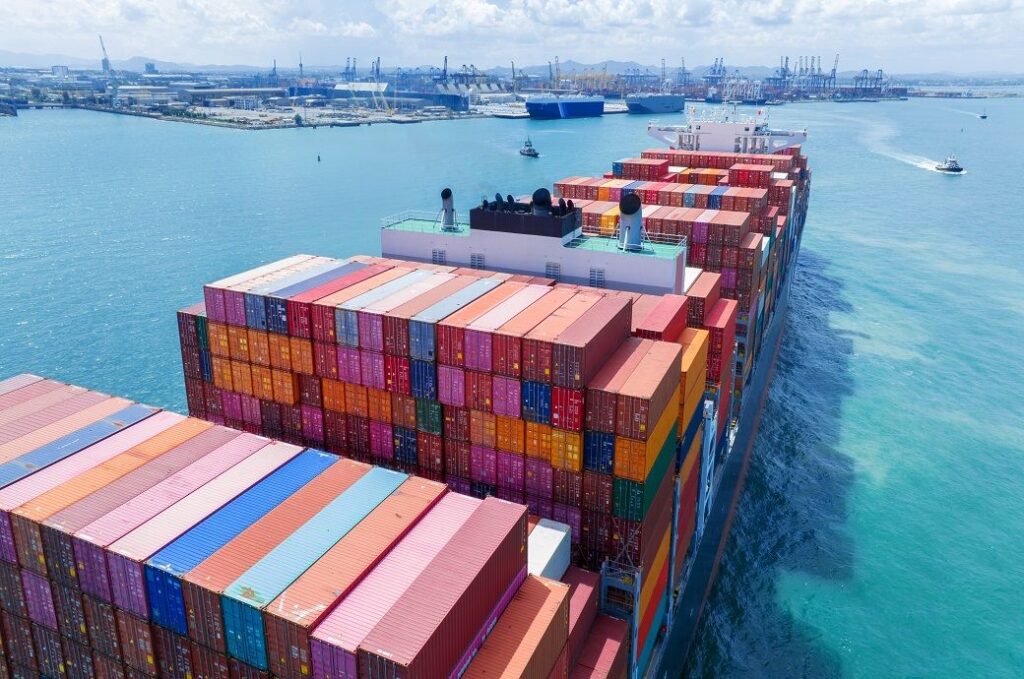
Shippers frequently compare direct and transshipment routes, since each option influences timing differently. Furthermore, East Coast services via the Panama Canal or Suez Canal follow distinct timelines, so choosing the right corridor significantly impacts delivery predictability.
Typical Shipping Routes Overview
| Route Type | Estimated Transit Time | Advantages | Considerations |
|---|---|---|---|
| Direct China → New York/New Jersey | 28–32 days | Fastest ocean option; stable weekly sailings | Higher freight cost during peak |
| China → West Coast → Rail to New Jersey | 22–28 days | Faster combined solution for urgent medical cargo | Requires rail coordination |
| China → Singapore → New York | 33–37 days | More stable equipment availability | Longer distance, variable delays |
Because time-sensitive medical devices benefit from fewer handovers, many importers choose the direct route unless cost or availability requires alternatives.
Why Medical Equipment Requires a Specialized 40GP FCL Handling Plan
Medical devices are often fragile, high-value, and sometimes temperature-controlled. Consequently, a standard FCL workflow may not protect them adequately without enhanced planning. Although a 40GP container offers ample space, improper loading or documentation can extend transit time and increase compliance risks.
Key Handling Requirements
- Shock-resistant packaging and internal bracing
- Clearly labeled compliance documents
- Temperature-monitoring devices when required
- Pre-approved loading photos for rapid customs clearance
Additionally, structured supplier coordination shortens the time before cargo enters the port, improving the entire delivery chain.
How Do Freight Rates Interact With Transit Time for Medical Cargo?
Even though speed is a priority, freight rates remain a major concern. However, shorter transit time does not always mean higher cost—especially when carriers offer stable New Jersey corridor rates during non-peak seasons. Freight rates are influenced by:
- container size availability (40GP vs. 40HQ)
- fuel surcharge fluctuations
- port congestion at Ningbo, Shanghai, and NY/NJ
- holiday season demand
Because the target cargo is sensitive, many shippers prioritize reliability over chasing the lowest rate. Nevertheless, planning 3–4 weeks ahead usually secures better rates and schedules.
Case Studies
Shanghai → New Jersey | Diagnostic Imaging Equipment
Cargo Type: high-value imaging machines
Container: 40GP FCL
Volume & Weight: 22 CBM / 7,500 kg
Route: direct Shanghai → NY/NJ
Transit Time: 31 days door-to-door
Total Freight Cost: USD 5,600 (variable by season)
Summary
A diagnostic chain needed stable delivery for multiple equipment units. Because reliability was essential, the importer used direct East Coast routing and coordinated early export documentation. Therefore, the cargo cleared FDA/AES smoothly and arrived at the New Jersey warehouse with no delays.
Qingdao → New Jersey | Hospital Bed Systems
Cargo Type: assembled and semi-assembled hospital beds
Container: 40GP FCL
Volume & Weight: 54 CBM / 10,200 kg
Route: China → West Coast → Rail to New Jersey
Transit Time: 26 days
Total Freight Cost: USD 6,200 (variable)
Summary
A healthcare distributor required faster arrival for a large tender. Although ocean-only transit was slower, multimodal routing cut nearly a week from delivery. Consequently, the distributor secured the project and maintained its service commitment.
What Documents Are Required for Importing Medical Equipment Into New Jersey?
Medical cargo entering the U.S. must clear regulatory checkpoints that significantly influence final transit time. Therefore, understanding mandatory paperwork prevents costly clearance delays.
Essential Customs Documents for U.S. Medical Equipment Imports
| Document | Purpose | Impact on Transit |
|---|---|---|
| Commercial Invoice | Identifies product details & value | Missing data may add 1–3 days |
| Packing List | Confirms quantities & packaging | Ensures faster inspection |
| Bill of Lading | Proof of shipment for release | Required for final pickup |
| FDA Compliance Documents | Verifies product meets U.S. health standards | Missing forms may result in holds |
| Importer Security Filing (ISF) | Pre-alert to U.S. Customs | Mandatory 24-hour advance filing |
Because FDA compliance is crucial, importers must verify each document before loading to maintain a smooth schedule.

Why Many Importers Choose Top China Freight for Medical Equipment Shipments
Because medical equipment demands consistency, visibility, and a reduced risk profile, many shippers rely on Top China Freight for route planning, customs coordination, and East Coast freight strategy. Moreover, service pages such as sea freight and customs brokerage guide importers seeking reliable support. Although every shipment differs, tailored container loading plans and compliance guidance consistently improve timelines.
How Does Warehouse Coordination Reduce Final Delays in New Jersey?
Even though the ocean leg is the longest part of transit, poor warehouse coordination sometimes adds unnecessary days. Therefore, early appointment scheduling with New Jersey distribution centers ensures immediate unloading. Additionally, clear pallet labeling, ASN (Advance Shipment Notice), and pre-uploaded documentation help the receiving team prepare before the truck arrives.
Because medical devices often require precise inventory tracking, optimized warehouse coordination maintains end-to-end accuracy.
Conclusion
To summarize, understanding the 40GP FCL transit time for medical equipment from China to New Jersey requires evaluating route options, documentation accuracy, and seasonal planning. Moreover, adopting predictive visibility tools and risk-control methods helps importers maintain stable delivery cycles across the East Coast. As your operations grow, partnering with reliable logistics specialists ensures consistent performance—especially for time-sensitive medical cargo. Contact our team today to explore customized FCL solutions that match your delivery needs.
Request A Free Quote
Need a reliable logistics partner? Share your shipment details and we’ll provide a tailored quotation quickly and accurately.
FAQ:
How are freight charges calculated for a 40GP medical shipment?
Charges depend on route, season, carrier choice, fuel surcharges, and handling needs. Since medical cargo may need extra care, budgeting includes packing, compliance checks, and inland delivery coordination.
What causes transit time fluctuations for China–New Jersey routes?
Weather, port congestion, peak seasons, and documentation issues create variations. Planning bookings early and monitoring carrier schedules helps maintain stable lead times.
Can LCL be used for medical equipment?
It can, but only for sturdy or less-sensitive items. FCL is usually preferred because it reduces handling risks and keeps timelines more predictable.
Are dangerous goods restrictions applied to medical shipments?
Only certain battery-powered or chemical-based devices fall under DG rules. Proper classification ensures smooth clearance.
Should I choose direct or transshipment routes?
Direct routes are faster and more predictable. Transshipment works when space is limited or when balancing cost with availability.