
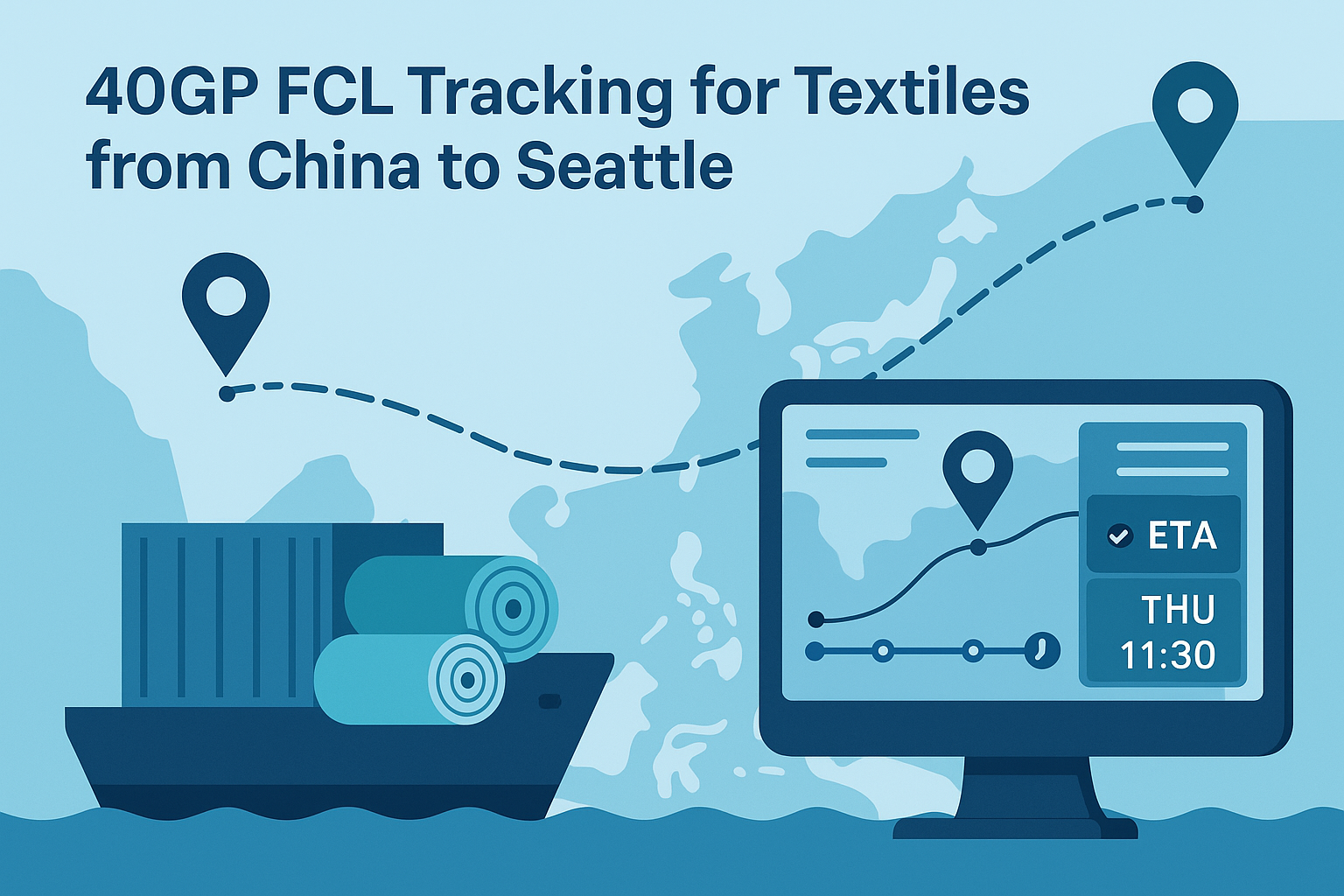
Because fashion cycles move fast and textile cargo is time-sensitive, understanding 40GP FCL tracking for textiles from China to Seattle is essential for importers who depend on predictable delivery. Although trans-Pacific shipping includes multiple milestones, modern tracking tools now offer real-time visibility, allowing supply chain teams to react faster. As you plan upcoming shipments, you may also explore route and tracking support through the Top China Freight homepage, which strengthens visibility from factory to Seattle distribution hubs.
What Defines Effective 40GP FCL Tracking for Textile Shipments to Seattle?
Effective tracking combines real-time milestone updates, GPS visibility, and predictive ETAs. Moreover, textile buyers rely on tracking because seasonal fashion launches depend heavily on accurate delivery windows.
Core Tracking Components
- Vessel departure and arrival confirmation
- Transshipment hub updates
- GPS-based location pings
- Predictive ETA forecasting
- Customs clearance status at Seattle
Because textiles move in bulk but must remain schedule-sensitive, tracking accuracy becomes a competitive advantage.
How Does Tracking Integrate Into the China–Seattle Textile Supply Chain?
Tracking begins before the 40GP container even leaves the factory. Additionally, digital tools consolidate data from carriers, terminals, and customs systems.
Tracking Touchpoints
- Factory loading and seal verification
- Terminal-in scans at Shanghai, Ningbo, Qingdao, or Shenzhen
- Vessel loading confirmation
- Mid-Pacific GPS tracking
- Arrival notice at Seattle terminals
Since Seattle is a major West Coast gateway, visibility helps importers synchronize trucking, warehousing, and downstream distribution.
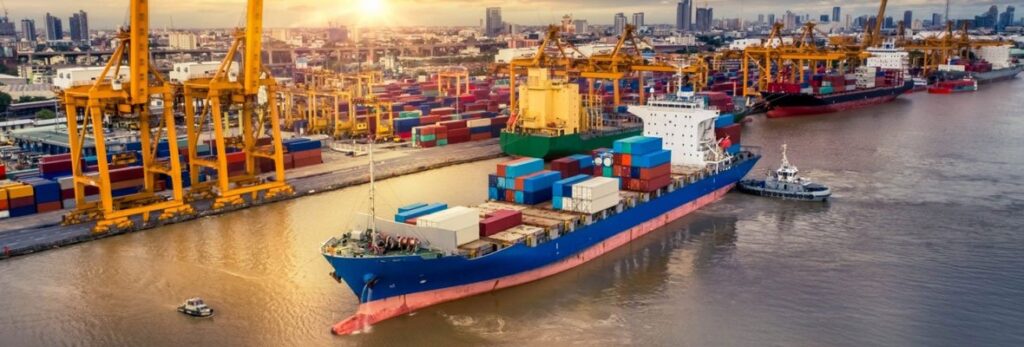
Which China Ports Offer the Most Reliable Tracking Data for 40GP Textiles?
Although multiple ports connect to Seattle, some outperform others in tracking reliability due to digital infrastructure.
Best Ports for Tracking-Integrated FCL
- Shanghai: Highest frequency of live data events
- Ningbo: Strong EDI integration with carriers
- Yantian: Reliable scan accuracy for large textile exporters
- Qingdao: Stable vessel scheduling for North China factories
These ports also support strong export documentation flows, enhancing trackability across the journey.
What Is the Typical Transit Time for a 40GP FCL From China to Seattle?
Transit time varies by port, carrier, and seasonal conditions; nevertheless, tracking reduces uncertainty.
| China Port | Seattle Transit Time | Notes |
|---|---|---|
| Shanghai | 13–17 days | Most predictable rotation |
| Ningbo | 14–18 days | Minor weather sensitivity |
| Qingdao | 15–20 days | Winter delays more frequent |
| Yantian | 16–21 days | Longer but stable |
Although tracking doesn’t shorten transit time, it improves planning precision.
Case Studies
40GP Textile Shipment From Shanghai to Seattle
Cargo: 40GP of mixed fabrics and ready-made apparel
Route: Shanghai → Seattle
Transit Time: 15 days
Tracking Tools Used: GPS + carrier EDI milestones
Outcome: The importer reduced warehouse idle time by aligning labor scheduling to live ETA updates.
Key Value: Predictive tracking prevented off-dock delays.
North China Textile Shipment With Transshipment
Cargo: 40GP packed with cotton blends
Route: Qingdao → Busan → Seattle
Transit Time: 18 days
Tracking Tools Used: AI ETA prediction + humidity sensors
Outcome: Despite a short hub delay, predictive alerts allowed logistics teams to adjust downstream bookings without penalties.
Key Value: Visibility avoided costly schedule disruptions.
Can Tracking Reduce Delays During China–Seattle Textile Shipping?
Although tracking itself cannot directly shorten transit time, it significantly reduces operational delays by improving communication. Moreover, when importers receive earlier alerts, they make real-time decisions that keep schedules intact.
Delay-Reduction Benefits
- Faster coordination with Seattle trucking companies
- Immediate action when carriers adjust vessel rotation
- Smoother container pickup appointments
- Stronger planning for consolidation and cross-docking
Because textile products often support retail launches, proactive tracking helps maintain continuity across the entire supply chain.

How Do Customs and Compliance Procedures Affect Tracking Outcomes?
Even with strong tracking systems, customs issues may interrupt visible progress. Therefore, ensuring documentation accuracy prevents tracking status from stagnating at “pending clearance.”
Compliance Best Practices
- Align HS codes for fabric, yarn, and apparel categories
- Ensure invoice descriptions match packing list content
- Verify origin data, especially for blended textiles
- Pre-submit data for clearance where available
When importers want smoother clearance, they rely on professional services such as customs brokerage solutions to reduce the risk of holds.
Why Partnering With a Professional Logistics Provider Enhances Tracking Reliability
Although digital platforms provide tracking data, professional logistics teams interpret this data, react to exceptions, and incorporate shipping insights into planning. Therefore, working with experienced partners such as Top China Freight helps stabilize your tracking process and overall textile logistics performance.
Support Offered
- Multi-carrier tracking integration
- Proactive exception management
- Route optimization for seasonal textile imports
- End-to-end visibility from China loading ports to Seattle terminals
- Consolidated services through FCL & LCL options or door-to-door delivery
With professional oversight, importers experience fewer disruptions and stronger operational control.
Conclusion
The 40GP FCL tracking for textiles from China to Seattle plays a critical role in maintaining visibility, preventing delays, and improving retail-driven production cycles. Although transit time depends on routing and seasonal factors, accurate tracking empowers textile importers to plan warehouse activities, coordinate downstream distribution, and reduce the risk of missed deadlines. Therefore, combining tracking tools, IoT monitoring, and professional logistics support ensures predictable and resilient textile supply chains. To explore optimized tracking solutions for your next Seattle-bound textile shipment, feel free to request a tailored assessment.
Request A Free Quote
Start shipping smarter with TopChinaForwarder today! 🚢✨ Request a Free Quote 📝 and get a tailored logistics plan built around your cargo and timeline.
FAQ:
What determines tracking accuracy for 40GP textile shipments?
Accuracy depends on carrier EDI quality, GPS devices, and correct container ID input during loading.
Does tracking reduce customs inspection delays?
Tracking doesn’t prevent inspections, but it helps importers prepare and adjust scheduling when holds occur.
Are IoT sensors necessary for all textile shipments?
Not always. They are most useful for sensitive fabrics or high-value apparel shipments.
How early should importers prepare tracking workflows?
Tracking should start at factory loading, with seal-check and early EDI verification.
Can I integrate FCL tracking into ERP or WMS systems?
Yes—API connections allow tracking data to flow directly into business systems for automated planning.