

40GP FCL space availability for solar panels from China to Los Angeles
Securing 40GP FCL space availability for solar panels from China to Los Angeles is becoming increasingly complex due to rising global demand for renewable energy. Consequently, shippers must partner with an experienced freight forwarder like Top China Freight to navigate the volatile transpacific market. This guide provides comprehensive insights into current shipping trends, pricing structures, and logistical strategies to ensure your solar cargo arrives safely and on schedule.
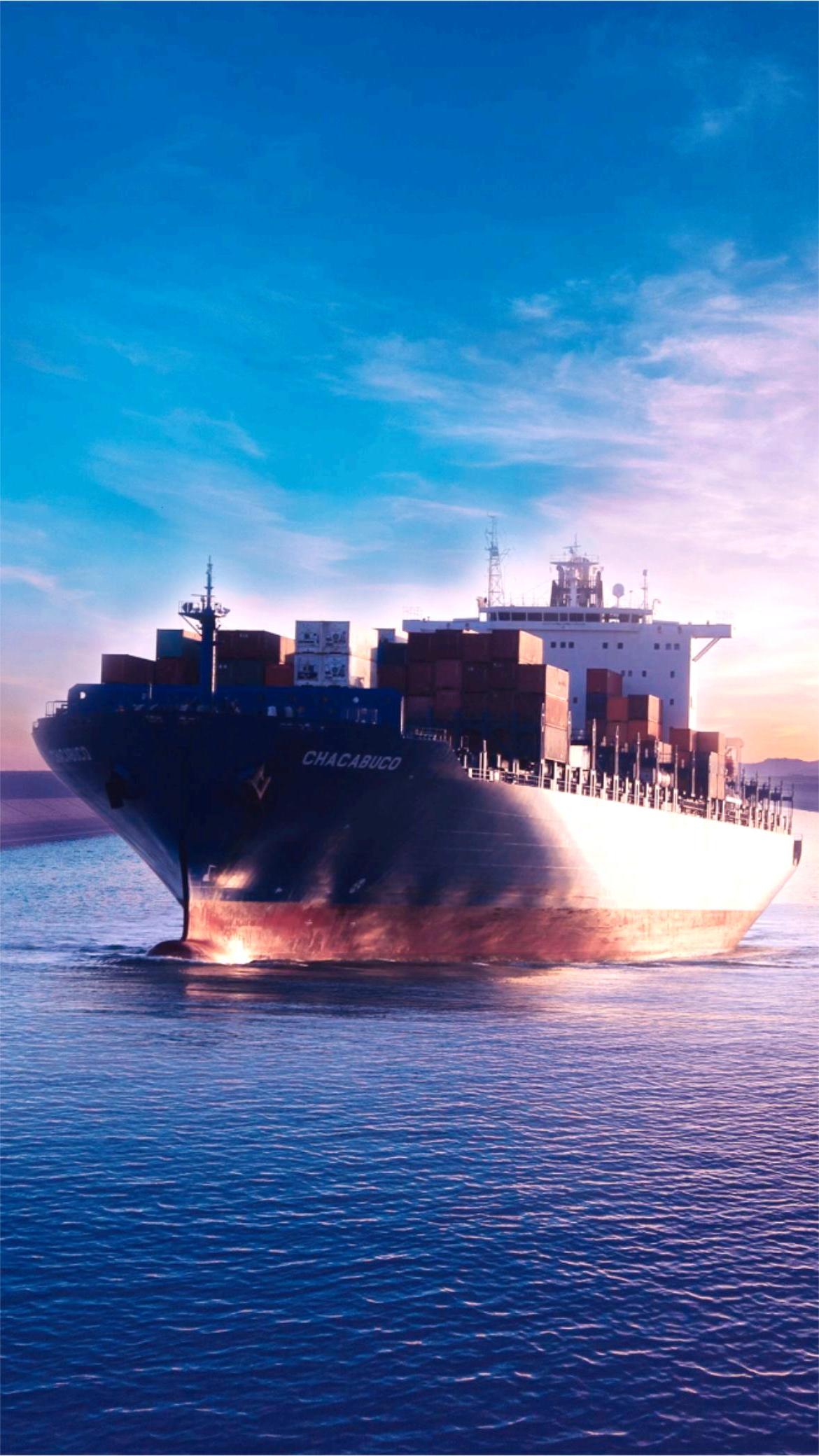
Understanding 40GP FCL space availability for solar panels from China to Los Angeles
The 40GP container is the industry standard for transporting solar modules because it offers an ideal balance of volume and weight capacity. However, 40GP FCL space availability for solar panels from China to Los Angeles often fluctuates based on seasonal manufacturing cycles and carrier allocations. Indeed, most solar manufacturers prefer the 40-foot general purpose container to maximize the number of pallets per shipment.
Typically, a 40GP container can accommodate approximately 20 to 22 pallets of solar panels depending on the specific dimensions and stacking requirements. Furthermore, using a full container load (FCL) ensures that your cargo remains untouched from the point of origin to the final destination in California. This method significantly reduces the risk of damage compared to less than container load (LCL) options.
Moreover, the route from major Chinese ports like Shanghai or Ningbo to Los Angeles is one of the busiest maritime corridors in the world. As a result, space availability can tighten rapidly during peak seasons or before major holidays like the Lunar New Year. Therefore, booking your container at least three to four weeks in advance is highly recommended for maintaining a consistent supply chain.
Current Market Trends for Transpacific Solar Shipments
As of early 2025, the logistics landscape for renewable energy components is undergoing significant shifts due to new trade policies and infrastructure upgrades. Specifically, shipping costs and space availability are influenced by the increasing number of solar projects across the United States. Consequently, carriers are prioritizing high-volume shippers who can provide accurate volume forecasts months in advance.
Logistics trends suggest that while port congestion in Los Angeles has improved since previous years, equipment shortages for 40GP containers still occur periodically. Additionally, the transition toward larger, higher-efficiency solar modules has changed how cargo handling is managed at the port. Indeed, specialized equipment is often required to unload these sensitive electronic components safely.
Meanwhile, freight rates have stabilized compared to the extreme volatility seen in 2021, yet they remain higher than pre-pandemic averages. For instance, current market data indicates that ocean freight for a 40GP from China to the US West Coast ranges between $2,500 and $3,500. Nevertheless, these rates are subject to weekly changes based on fuel surcharges and carrier capacity management.
How Does Sea Freight Compare to Other Shipping Options?
When evaluating 40GP FCL space availability for solar panels from China to Los Angeles, it is essential to consider alternative transport modes. While sea freight remains the most cost-effective solution for bulk shipments, other methods might be necessary for urgent project deadlines. For example, air freight offers unmatched speed but comes at a significantly higher price point.
In contrast, rail freight is not a viable option for the transpacific route between China and the United States. Therefore, shippers must choose between different ocean service levels, such as direct fast-boat services or standard transshipment routes. Without a doubt, the choice of service level directly impacts both the total landed cost and the delivery schedule for your solar installation projects.
| Shipping Method | Cost Range (40GP) | Transit Time | Best For |
|---|---|---|---|
| Standard Sea Freight | $2,500 – $3,500 | 16 – 22 Days | Bulk solar panel orders |
| Fast Boat (Matson) | $4,500 – $6,000 | 11 – 14 Days | Time-sensitive projects |
| Air Freight (Per KG) | $4.50 – $7.00 | 3 – 7 Days | Emergency replacement parts |
| LCL Shipping (CBM) | $80 – $150 | 20 – 25 Days | Small residential batches |

Factors Affecting 40GP FCL space availability for solar panels from China to Los Angeles
Several variables influence the ease of booking a container for shipping from China to North America. Firstly, the availability of empty 40GP units at inland depots in China can create bottlenecks for manufacturers located far from the coast. Consequently, delays in container drayage can lead to missed vessel departures and increased storage fees at the terminal.
Secondly, vessel blank sailings, where carriers cancel a scheduled stop to manage capacity, can suddenly reduce the total available space on the market. Furthermore, port labor negotiations and seasonal weather patterns in the Pacific Ocean can disrupt the delivery schedule. Accordingly, maintaining a flexible logistics plan is vital for businesses that rely on just-in-time inventory for solar installations.
Thirdly, the physical characteristics of solar panels require careful cargo handling to prevent micro-cracks and glass breakage. Because solar panels are fragile, carriers often limit the stack height within a 40GP container to ensure safety. Therefore, understanding these technical constraints is just as important as monitoring the actual freight rates.
Navigating Customs and Documentation for Solar Panels
Importing solar technology into the United States requires a deep understanding of complex trade regulations and tariff structures. Specifically, solar panels from China are often subject to Section 201 and Section 301 duties, which can significantly increase the total landed cost. Consequently, hiring a professional customs brokerage service is essential for ensuring compliance and avoiding costly penalties.
Required documentation typically includes the commercial invoice, packing list, bill of lading, and a certificate of origin. Additionally, manufacturers must provide detailed technical specifications to prove that the products meet US safety and quality standards. Indeed, any discrepancies in paperwork can lead to lengthy customs holds at the Port of Los Angeles, further delaying your project.
Moreover, the Uyghur Forced Labor Prevention Act (UFLPA) has introduced strict tracing requirements for the silicon used in solar cells. As a result, importers must maintain a transparent supply chain and provide evidence of the source of raw materials. Therefore, working with reputable suppliers who can provide this documentation is a prerequisite for successful importation.
| Document Type | Required By | Purpose | Timing |
|---|---|---|---|
| Bill of Lading | Carrier / Customs | Title of goods | Issued at loading |
| Commercial Invoice | US Customs | Duty calculation | Before shipping |
| Packing List | Warehouse / Port | Cargo verification | During loading |
| UFLPA Compliance | CBP Agency | Supply chain proof | Before arrival |
Which Option Should You Choose?
Deciding on the best logistics strategy depends on your specific budget priorities and project timelines. If your primary goal is cost minimization, standard sea freight with a 40GP container is the most logical choice for large volumes. On the other hand, if you are facing a strict construction deadline in California, a door to door fast-boat service might be worth the additional investment.
Budget priority: Choose standard FCL if you have at least 45 days of lead time. This allows for potential delays without impacting the final installation date. Speed priority: Opt for premium carriers like Matson, which offer dedicated terminals in Los Angeles and faster inland drayage. Cargo type considerations: Ensure your 40GP is properly braced to prevent shifting during transit, as solar panels are particularly sensitive to movement.
Furthermore, volume thresholds play a role in your decision. For shipments larger than 15 cubic meters, FCL is almost always more economical than LCL. Conversely, for very small trial orders or replacement parts, express services might be more appropriate. Ultimately, a hybrid approach using different methods for different project phases can optimize your overall logistics spend.
Real Case Studies: Solar Panel Logistics from China to LA
Case Study 1: Large Scale Utility Project. Route: Ningbo, China to Los Angeles, USA. Cargo: 550W Monocrystalline Solar Panels, 440 units. Container: 20 x 40GP FCL. Shipping Details: Direct service via COSCO. Port of Loading: Ningbo. Port of Discharge: Los Angeles. Cost Breakdown: Ocean Freight: $2,850 per unit. Origin Charges: $320. Destination Charges: $450. Total Landed Cost: $3,620 per container (excluding duties). Timeline: 18 days sea transit. Key Insight: Early booking secured space during the Q3 peak season.
Case Study 2: Residential Distributor. Route: Shanghai, China to Los Angeles, USA. Cargo: Residential Solar Kits, 18 CBM. Container: LCL Shipment. Shipping Details: Transshipment via Busan. Port of Loading: Shanghai. Port of Discharge: Los Angeles. Cost Breakdown: Total Freight: $1,950. Customs & Duties: $4,200. Total Door-to-Door: $6,800. Timeline: 25 days door-to-door. Key Insight: LCL was chosen due to limited warehouse space at the destination, allowing for smaller, frequent deliveries.
Note: Freight rates are subject to change based on fuel costs, carrier capacity, and seasonal demand. Contact us for a current quote tailored to your specific shipment.
Final Thoughts on Solar Freight Logistics
Navigating 40GP FCL space availability for solar panels from China to Los Angeles requires a proactive approach and a deep understanding of the maritime industry. To summarize, successful shipping depends on early booking, accurate documentation, and choosing the right carrier for your specific needs. Additionally, staying informed about market trends and customs regulations will help you avoid unexpected costs and delays.
As the demand for solar energy continues to grow, the competition for container space will likely remain intense. Therefore, building a strong relationship with a reliable freight forwarder is the best way to protect your supply chain. By following the strategies outlined in this guide, you can confidently manage your solar imports and contribute to the global transition toward clean energy.

Ready to streamline your logistics?
Ensure your project stays on track by securing 40GP FCL space availability for solar panels from China to Los Angeles today. Send Inquiry link: Visit Top China Freight for a customized quote and expert logistics advice tailored to your renewable energy needs.
Request Quote