
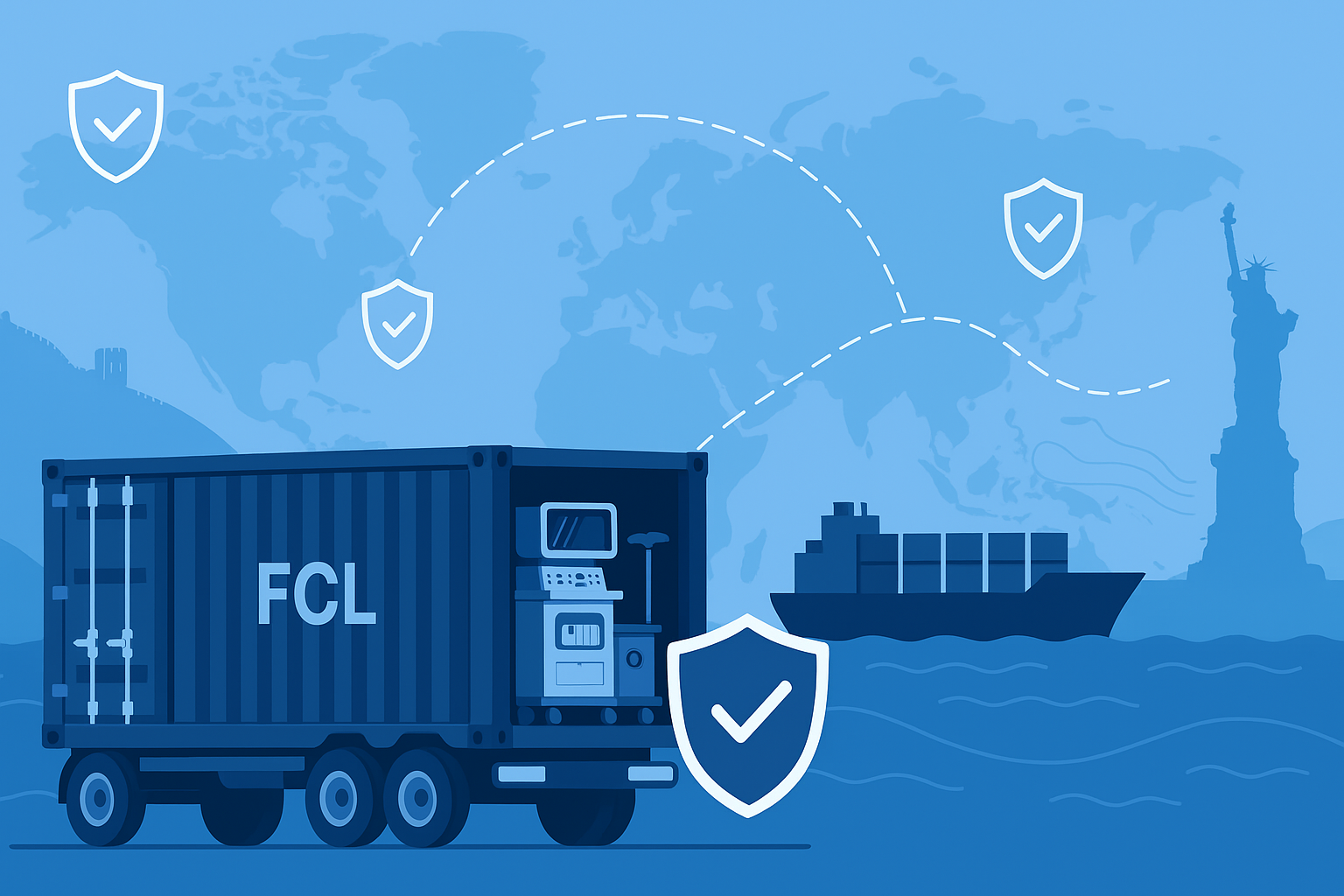
Although shipping medical equipment from China to the USA is routine, choosing the right 40GP FCL insurance for medical equipment from China to USA remains one of the most difficult decisions for importers; however, shippers can reduce exposure dramatically by following structured insurance and logistics strategies. Additionally, businesses using medical devices must ensure every shipment moves with compliance, transparency, and cost control, which is why trusted partners like Top China Freight matter. Therefore, this guide provides a clear, actionable roadmap to protect high-value cargo during international transport.
Why Should You Secure 40GP FCL Insurance for Medical Equipment?
Because medical equipment is sensitive and high-value, one incident during ocean transport can cause financial losses far beyond the cargo cost. Moreover, temperature swings, rough handling, customs inspections, humidity, and long transit times all increase risk. Therefore, importers choose full container load insurance coverage to guarantee compensation and keep their supply chain stable. Additionally, insurance ensures that delays or damage do not interrupt healthcare supply operations.
What Types of Risks Affect Medical Equipment During China–USA Transport?
Medical devices can be damaged due to multiple factors, yet many importers underestimate their exposure. Furthermore, each stage of the supply chain—from loading to US customs clearance—adds different risks.
Physical & Environmental Risks
- Shock, vibration, and falls during stuffing
- Moisture or humidity affecting electronic components
- Drastic temperature changes across ocean routes
Operational Risks
- Port congestion
- Customs holds
- Transshipment delays
Financial Risks
- Loss, partial loss, or container abandonment
- High repair and replacement cost of healthcare machines
Therefore, insured FCL shipping for high-value cargo becomes essential for predictable operations.
How Does 40GP FCL Insurance Protect Medical Equipment?
Insurance provides both financial reimbursement and operational stability. Additionally, it reinforces compliance for importers handling regulated medical products.
Key Coverage Points
- Damage from collision, rough seas, or handling
- Water and humidity exposure
- Theft, pilferage, or non-delivery
- General average contributions
- Complete loss or partial loss
- Supply chain risk protection for medical shipments
Consequently, importers maintain uninterrupted delivery schedules even during disruptions.

How Much Does FCL Cargo Insurance Cost?
Below is a reference-only cost structure showing how premiums are generally calculated. Values are ranges and not fixed prices.
Insurance Cost Breakdown
| Cost Component | Description | Typical Range |
|---|---|---|
| Declared Cargo Value | CIF value of medical equipment | Based on invoice |
| Premium Rate | Percent applied to cargo value | 0.2% – 0.6% |
| Documentation Fees | Policy issuance or admin fee | $25 – $50 |
| Special Equipment Surcharge | For high-value MRI/CT machines | 0.1% – 0.3% |
Because medical equipment is expensive, choosing the right coverage prevents major financial loss.
Case Studies
Case: High-Value Ultrasound Equipment Shipment
- Route: Shanghai → Long Beach
- Cargo: Ultrasound machines (40GP container)
- Insurance Type: All-risk full container load insurance coverage
- Transit Time: 22 days
- Cost: Premium at 0.3% of declared value
- Outcome: No damage reported; insurance used only for compliance requirements; importer expanded shipment program.
This example shows how predictable China–USA routes support stable healthcare supply chains.
Case: MRI Component Shipment to USA Distributor
- Route: Shenzhen → Los Angeles
- Cargo: MRI spare parts & processors
- Insurance Type: Premium insurance for high-value cargo
- Transit Time: 20 days
- Cost: Premium at 0.45% due to high sensitivity
- Outcome: Minor humidity exposure detected; compensation issued quickly; equipment delivered to hospital on time.
Because medical components are sensitive, appropriate insurance shortened recovery time after incidents.
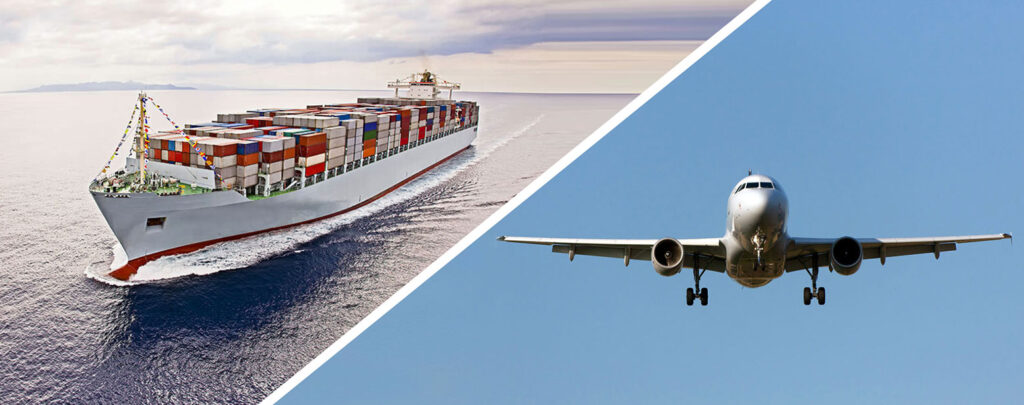
What Is the Recommended Shipping Method for Insured 40GP Cargo?
| Method | Transit Time | Cost Level | Best For | Notes |
|---|---|---|---|---|
| Sea Freight (40GP FCL) | 18–28 days | Low | Heavy & high-value medical machines | Most stable and cost-effective |
| Air Freight | 3–7 days | High | Urgent hospital equipment | Use air freight when speed is critical |
| Express Courier | 2–5 days | Very High | Small devices or components | Fast but expensive |
| Rail Freight | 15–22 days | Medium | West-bound to Europe | For China–Europe lanes only |
Because China–USA shipments rely heavily on ocean freight, 40GP FCL remains the standard option.
How Long Does Door-to-Door Insured FCL Shipping Typically Take?
Transit times vary due to schedules, weather, and customs processes. Nevertheless, insured shipments usually follow consistent timeframes because quality-controlled packaging and documentation reduce delays.
Typical Transit Durations (China → USA)
- Shanghai → Los Angeles: 16–20 days
- Shenzhen → Long Beach: 18–22 days
- Ningbo → Oakland: 20–27 days
- Qingdao → Houston: 26–32 days
Furthermore, importers with urgent medical devices sometimes combine sea + express delivery routing, which can be supported through door-to-door services
What Documents Are Needed for Insured Medical Equipment Shipping?
| Document | Purpose |
|---|---|
| Commercial Invoice | Declares cargo value for insurance & customs |
| Packing List | Confirms size, weight, and packaging strength |
| Bill of Lading | Proves ownership and transport terms |
| Insurance Certificate | Verifies coverage and claim rights |
| FDA Compliance Documents | Required for regulated medical devices |
| HS Code Declaration | Prevents customs delays |
Since compliance is critical for medical devices, correct documentation ensures smooth clearance.
Conclusion
In summary, choosing the right 40GP FCL insurance for medical equipment from China to USA is essential for preventing costly disruptions and maintaining stable healthcare supply chains. Moreover, strong packaging, accurate documentation, and reliable logistics partners significantly reduce risk exposure. Therefore, importers handling high-value medical devices should take a structured and proactive approach when selecting insurance and coordinating international shipments. To ensure smoother operations, companies may request expert support, obtain customized guidance, and secure predictable delivery timelines across major China–USA routes.
Request A Free Quote
Start shipping smarter with TopChinaForwarder today! 🚢✨ Request a Free Quote 📝 and get a tailored logistics plan built around your cargo and timeline.
FAQ:
How is the insurance value calculated for medical equipment?
It is typically based on the CIF value plus a small percentage for coverage. The declared value must include the cargo cost, freight, and incidental charges.
What factors influence the premium for 40GP FCL insurance?
Premiums depend on cargo sensitivity, route risk, container type, coverage level, and declared value.
What happens if documents are incomplete during customs clearance?
Delays may occur, and insurers may limit protection. Proper preparation ensures smoother handling.
Is temperature-sensitive medical equipment covered by standard policies?
Not always. Some items require specialized add-on coverage.
What should I do if packaging does not meet requirements?
Repackaging is recommended because insurers may restrict compensation for inadequate packing.