
40GP FCL Demurrage Prevention: Solar Panels China to Houston
Importing solar panels from China to Houston via 40GP FCL containers presents unique logistical challenges. Demurrage charges, if not carefully managed, can significantly inflate your shipping costs. This guide will provide actionable strategies to prevent these fees and ensure a smooth supply chain for your valuable cargo. Learn more about efficient global shipping solutions at Top China Freight.

Understanding 40GP FCL Demurrage: What It Is and Why It Matters
Demurrage refers to charges levied by shipping lines when a container remains at the port terminal beyond the allowed free time. This fee applies after the vessel discharges the container, before it is picked up by the consignee. For 40GP FCL shipments, these costs can quickly accumulate, impacting profitability.
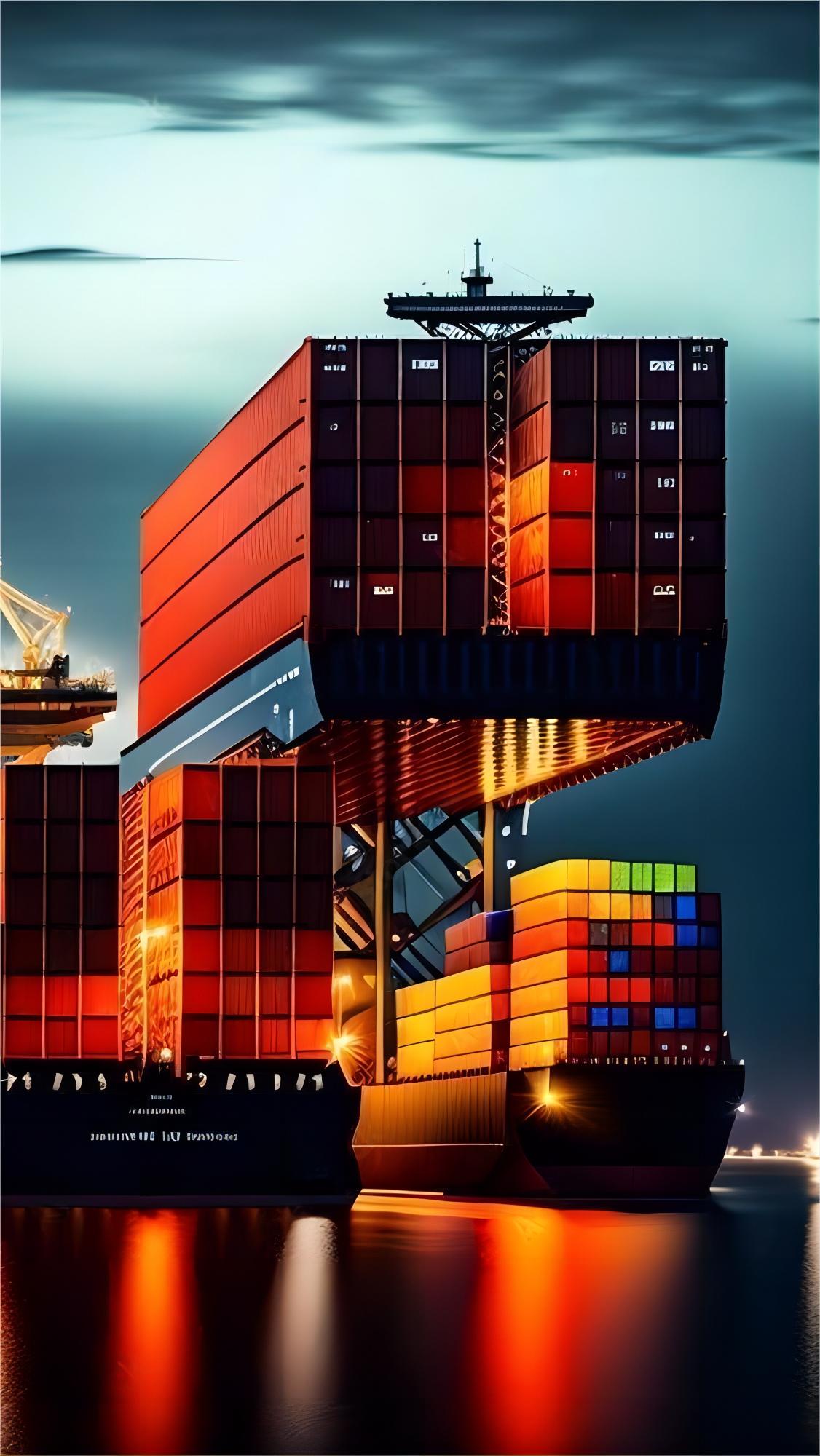
Conversely, detention charges apply when the consignee holds the container outside the port terminal beyond the free time. Both demurrage and detention are critical considerations for effective logistics planning. Therefore, understanding these distinctions is essential for any importer of solar panels from China.
Indeed, these fees incentivize prompt cargo movement and optimize port efficiency. However, unexpected delays in customs clearance or inland transportation often lead to unavoidable charges. Consequently, proactive planning is the best defense against these financial penalties.
Key Factors Causing Demurrage for Solar Panel Shipments to Houston
Several common issues contribute to demurrage for solar panel imports arriving in Houston. Firstly, incomplete or incorrect documentation is a primary culprit. Even minor errors can lead to customs holds, causing containers to sit at the port for extended periods.
Secondly, delays in customs clearance significantly impact free time. New import regulations, unexpected inspections, or issues with tariffs can all prolong the process. Consequently, importers must be well-prepared for the U.S. customs requirements specific to solar energy products.
Furthermore, port congestion at facilities like the Port of Houston can cause unforeseen delays. High cargo volumes or labor shortages often slow down container offloading and gate operations. Lastly, inefficient inland transportation arrangements after port arrival also contribute to these charges. Optimizing your sea freight strategy is paramount.
Proactive Strategies for 40GP FCL Demurrage Prevention
Preventing demurrage on your 40GP FCL solar panel shipments requires a multi-faceted approach. By implementing strategic measures throughout your supply chain, you can significantly reduce the risk of incurring these costly fees. This involves careful planning from origin to final destination, especially when shipping solar panels from China.
Meticulous Documentation and Customs Preparation
Accurate and complete documentation is the cornerstone of demurrage prevention. Ensure all commercial invoices, packing lists, bills of lading, and certificates of origin are perfectly aligned. Moreover, pre-filing customs entries whenever possible can expedite the clearance process significantly.
Working with experienced customs brokerage services is highly recommended. They possess the expertise to navigate complex U.S. import regulations for solar panels. Indeed, their proactive approach helps identify potential issues before they become costly delays, ensuring smooth cargo handling.
Furthermore, understanding specific tariffs and any anti-dumping duties applicable to solar panels is crucial. Staying updated on trade policies between China and the U.S. helps avoid surprises. Consequently, thorough preparation minimizes the chances of customs-related holds.
Strategic Carrier and Route Selection
Choosing the right shipping carrier and route can dramatically affect transit time and reliability. Opt for carriers known for their efficiency and good service to the Port of Houston. Additionally, consider direct routes to minimize transshipment risks and associated delays.
While direct routes might incur slightly higher initial freight rates, they often save money by reducing the likelihood of demurrage. Evaluate carriers based on their port performance and track record. Furthermore, booking sufficient free time with your carrier upfront can provide a crucial buffer against unexpected issues.
Negotiate extended free days if your supply chain typically experiences longer clearance times. This small investment can yield significant savings. Therefore, a well-thought-out carrier strategy is vital for optimizing solar panel logistics.
Optimized Delivery Schedule and Port Coordination
Effective coordination with your drayage provider for timely container pickup is essential. Ensure your warehouse or distribution center in Houston is ready to receive the solar panels immediately upon arrival. This readiness prevents unnecessary waiting times at the port.
Implementing a robust communication plan with all parties involved—shipper, freight forwarder, customs broker, and trucking company—is key. Regular updates on vessel arrival and clearance status allow for prompt action. Consider leveraging door-to-door services for seamless coordination.
Additionally, utilizing port appointment systems efficiently can streamline pickup processes. Booking slots well in advance ensures your trucks can access the terminal without long queues. As a result, this reduces both demurrage and detention fees, enhancing overall delivery schedule adherence.
Leveraging Technology and Expert Partnerships for Supply Chain Resilience
In today’s dynamic shipping environment, technology plays a pivotal role in demurrage prevention. Advanced tracking systems provide real-time visibility into your 40GP FCL solar panel shipments. This allows for proactive problem-solving and timely adjustments to your import strategy.
Partnering with an experienced freight forwarder is invaluable. They possess deep industry knowledge and established relationships with carriers and port authorities. Consequently, they can often negotiate better terms and provide critical insights into port operations. This significantly enhances your supply chain management.
Moreover, a reliable freight forwarder can offer comprehensive logistics trends analysis and risk mitigation strategies. They understand the nuances of importing solar panels, including specific import regulations. Therefore, choosing the right partner is a strategic investment in preventing costly delays and optimizing freight rates.
How Does Sea Freight Compare to Other Shipping Options?
While sea freight is the most common and cost-effective method for 40GP FCL solar panels from China to Houston, understanding alternatives is beneficial. For instance, air freight offers speed but at a significantly higher cost. Rail freight is not viable for direct China-Houston routes.
Comparing different shipping methods helps importers make informed decisions based on their budget, transit time requirements, and cargo type. Each option presents unique advantages and limitations. Consequently, a comprehensive analysis is crucial for optimal logistics planning when shipping to North America.
| Shipping Method | Cost Range (40GP FCL) | Transit Time (China-Houston) | Best For | Limitations |
|---|---|---|---|---|
| Ocean Freight (FCL) | $4,000-$6,000 | 30-35 days | Large volumes, cost-efficiency, heavy/bulky goods | Long transit times, port congestion risk |
| Air Freight | $15,000-$25,000 (estimated for equivalent volume) | 5-7 days | Urgent, high-value, small-volume shipments | Extremely high cost, size/weight restrictions |
| Rail Freight (Combined) | N/A (not direct China-Houston) | N/A | Not a direct option for this route | Requires sea-rail or air-rail combinations for parts of journey |

Which Option Should You Choose?
Selecting the best shipping method depends heavily on your specific business priorities. For budget priority, sea freight remains the undisputed champion for 40GP FCL solar panels. It offers the lowest shipping costs per unit, despite longer transit times.
If speed is your absolute priority, especially for urgent, smaller components or samples, air freight is the only option. However, this comes with a substantial increase in freight rates. Furthermore, cargo type considerations, like fragility or value, also influence the choice.
For large volumes of solar panels, FCL sea freight is almost always the most economical and practical choice. Therefore, evaluating your needs against these factors will guide you to the most suitable logistics solution. Always get a current quote for accurate pricing.
Real-World Success: Case Studies in Solar Panel Logistics
Examining real-world scenarios provides valuable insights into effective demurrage prevention. These examples highlight how strategic planning and execution lead to successful, cost-efficient solar panel imports. They showcase the importance of diligent supply chain management.
Based on current market rates as of Q1 2025, these case studies illustrate typical challenges and successful resolutions. They offer a practical understanding of optimizing solar panel import strategy. Furthermore, they demonstrate how to minimize shipping costs and avoid delays.
Case Study 1: Large-Scale Solar Farm Project
This project involved importing a significant quantity of monocrystalline solar panels for a new solar farm near Houston. The client prioritized minimizing costs while maintaining a strict installation schedule. Proactive planning was key.
| Detail | Value |
|---|---|
| Route | Shanghai, China -> Houston, USA |
| Cargo | Monocrystalline Solar Panels, 65 CBM, 15,000 kg |
| Container | 40GP FCL |
| Shipping Details | Major carrier (e.g., COSCO), Port of Loading: Shanghai, Port of Discharge: Houston, Route Type: Direct |
| Ocean Freight | $5,200 |
| Origin Charges (THC, documentation) | $450 |
| Destination Charges | $550 |
| Customs & Duties (estimated) | $1,200 |
| Total Landed Cost | $7,400 |
| Booking to Loading | 5 days |
| Sea Transit | 32 days |
| Customs Clearance | 2 days |
| Total Door-to-Door | 38 days |
| Key Insight | Early customs pre-filing and pre-arranged drayage prevented demurrage. The client saved approximately $800 in potential demurrage fees by ensuring all documentation was perfect and pickup was immediate. This demonstrates efficient container shipping practices. |

Case Study 2: Distributed Generation Supplier
A supplier of solar panels for residential and commercial distributed generation projects faced tight delivery schedules. Their strategy focused on reliability and quick turnaround at the port to maintain client commitments. They opted for an experienced freight forwarder.
| Detail | Value |
|---|---|
| Route | Ningbo, China -> Houston, USA |
| Cargo | Polycrystalline Solar Panels & Inverters, 60 CBM, 14,000 kg |
| Container | 40GP FCL |
| Shipping Details | Major carrier (e.g., MSC), Port of Loading: Ningbo, Port of Discharge: Houston, Route Type: Direct |
| Ocean Freight | $4,900 |
| Origin Charges (THC, documentation) | $400 |
| Destination Charges | $500 |
| Customs & Duties (estimated) | $1,100 |
| Total Landed Cost | $6,900 |
| Booking to Loading | 7 days |
| Sea Transit | 34 days |
| Customs Clearance | 3 days |
| Total Door-to-Door | 44 days |
| Key Insight | Despite minor port congestion, extended free time negotiated by the freight forwarder provided a buffer. This avoided $600 in potential demurrage. Proactive communication and robust delivery schedule management were critical for this solar panel import strategy. |
Market Insights and Future Trends in Solar Panel Shipping
The global solar energy market continues to grow, influencing shipping patterns and freight rates. As of Q1 2025, freight rates from China to the USA East Coast, including Houston, have stabilized after recent global supply chain disruptions. However, seasonal demand remains a factor.
Rates typically increase by 15-25% during the August-October peak season due to holiday shipping and increased consumer demand. Furthermore, geopolitical events and carrier capacity adjustments can cause unexpected fluctuations. Therefore, staying informed about logistics trends is crucial.
Indeed, sustainability is also driving changes in logistics. Importers are increasingly seeking greener shipping options and partners committed to reducing carbon footprints. This emphasis on environmental responsibility influences carrier selection and overall supply chain practices for solar panel imports.
Note: Freight rates are subject to change based on fuel costs, carrier capacity, and seasonal demand. Contact us for a current quote tailored to your specific shipment.
Essential Documentation Checklist for Solar Panel Imports
Having all necessary documents prepared and accurate is paramount for avoiding customs delays and, consequently, demurrage. A comprehensive checklist ensures nothing is overlooked. This proactive measure streamlines the import/export process for your 40GP FCL solar panels.
Each document plays a critical role in facilitating smooth customs clearance and cargo handling. Therefore, meticulous attention to detail is non-negotiable. This checklist serves as a vital tool for any importer of solar panels from China to Houston.
| Document Type | Purpose | Key Information |
|---|---|---|
| Commercial Invoice | Details of goods, value, seller/buyer | Accurate description, HS codes, total value |
| Packing List | Itemizes contents of each package | Quantity, weight, dimensions per package |
| Bill of Lading (B/L) | Contract of carriage, title to goods | Shipper, consignee, port details, container number |
| Certificate of Origin | Proves country of manufacture | Issued by manufacturer/chamber of commerce |
| Importer Security Filing (ISF) | Mandatory for US-bound sea cargo | 10 data elements, submitted 24h before loading |
| Customs Bond | Guarantees duty/tax payment | Required for imports over certain value |
| Other Certifications | e.g., UL, IEC for solar panels | Ensures compliance with US safety/performance standards |
Mastering Your Solar Panel Imports: A Path to Demurrage-Free Shipping
Preventing 40GP FCL demurrage for solar panels from China to Houston is achievable with careful planning and expert partnership. By focusing on meticulous documentation, strategic carrier selection, and efficient port coordination, importers can significantly reduce their shipping costs and improve delivery schedules. Proactive supply chain management is the ultimate defense against unforeseen expenses.
Indeed, the complexities of international logistics demand a comprehensive approach. Leveraging technology and experienced freight forwarders ensures your solar panel shipments arrive on time and within budget. Embrace these strategies to secure a competitive edge in the rapidly expanding solar energy market. Your success in <a href=”https://Top China Freight.net/”>global logistics</a> is our priority.
Get Your Shipping Quote Today
Ready to optimize your solar panel imports and prevent costly demurrage charges? Contact us today for a personalized quote and expert advice. Our team is dedicated to providing efficient and reliable 40GP FCL shipping solutions from China to Houston.
Request Quote