
- By rudy
- December 1, 2025
- Freight knowledge, Services, Shipping
Managing 40GP FCL demurrage prevention for lighting from China to Miami demands precise planning, especially when fragile commercial lighting faces strict delivery schedules. Therefore, this guide offers operational strategies and compliance tips that reduce risks while helping importers maintain predictable supply chains. Additionally, you can explore professional support through our homepage when building long-term China–US shipping plans.
How Does 40GP FCL Demurrage Occur for Lighting Shipments?
Demurrage typically occurs when a 40GP container stays too long inside the Miami terminal. Since lighting cargo requires delicate handling and often arrives in peak seasons, importers face a higher chance of delays. Moreover, demurrage can happen due to slow documentation release, port congestion, late truck appointments, or customs inspections. However, understanding these triggers empowers importers to act earlier.
Key causes include:
- Late document submission
- ISF mistakes or missing inputs
- Port congestion at Miami
- Poor free-time planning
- Slow customs release for commercial lighting
- Missing cargo readiness at origin
What Makes Lighting Cargo More Sensitive to Demurrage Risks?
Lighting equipment contains fragile components, oversized cartons, multi-SKU pallets, and accessory kits. Consequently, any mishandling leads to delays and may result in container examinations at Miami. Furthermore, lighting importers often operate large seasonal orders, which increase detention and demurrage exposure. Because of these factors, transit time, trucking appointments and customs documentation must be aligned early.
Typical Lighting Cargo Challenges
- Multiple HS codes → longer customs reviews
- Bulky cartons → slower container devanning
- High insurance value → more document checks
- Time-sensitive retail launches → less buffer tolerance
Why Is Proper Booking Window Critical for China–Miami FCL?
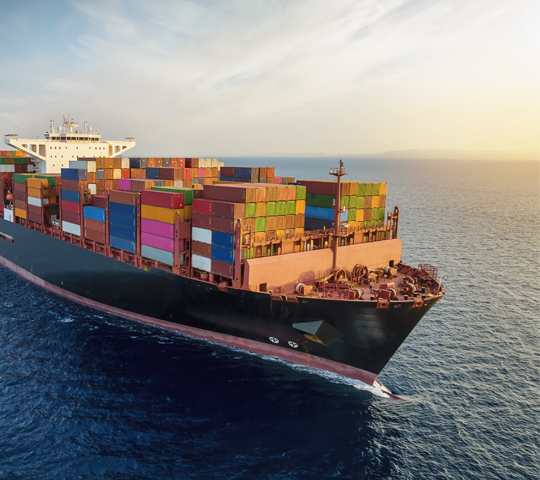
A well-managed booking window protects your shipment from port delays. Additionally, ocean carriers frequently adjust sailing schedules when Miami is congested. Therefore, exporters need to book containers 7–12 days earlier during peak season and ensure lighting products pass quality checks before CY cutoff.
Recommended booking timelines
- Normal season: book 5–7 days in advance
- Peak season: book 10–14 days earlier
- Fragile cargo cycles: add 2 extra days for inspections
Your China supplier must align production readiness with vessel cutoffs; otherwise, last-minute loading creates demurrage pressure at destination.
What Are the Typical Transit Times & Cost Ranges for China–Miami FCL?
Below is a simplified comparison for lighting shipments.
China to Miami FCL Transit Time & Cost Range
| Origin Port | Transit Time | Cost Range (USD) |
|---|---|---|
| Shenzhen | 30–33 days | 3800–4200 |
| Ningbo | 32–35 days | 4000–4600 |
| Shanghai | 33–37 days | 4100–4700 |
These ranges vary based on freight rates, seasonal demand and customs hold risks.
What Documents Are Essential for Fast Customs Clearance in Miami?
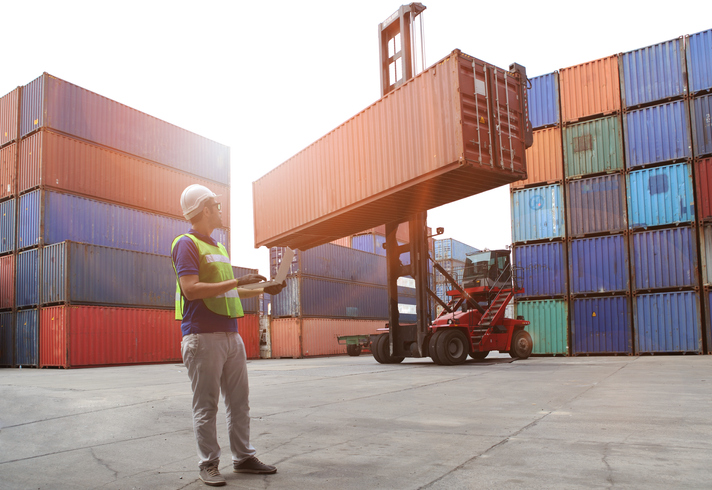
Since lighting products vary in material composition and wiring standards, customs clearance requires accurate technical descriptions. Additionally, early documentation avoids AMS holds or Customs inspections that trigger demurrage. Below is a reference checklist.
Documentation Checklist for Lighting Cargo
| Document | Purpose | Common Problems to Avoid |
|---|---|---|
| Commercial Invoice | Declares value | Inconsistent material descriptions |
| Packing List | Confirms SKU-level data | Wrong CBM or weight |
| Bill of Lading | Proof of carriage | Incorrect consignee details |
| HS Code Sheet | Classification accuracy | Misclassification triggering exams |
| Product Specs | LED materials & voltage | Missing certifications |
When importers submit files early, Miami customs clearance becomes significantly faster.
When in doubt, coordinated declarations through our customs brokerage team help avoid documentation delays.
Case Studies
Shenzhen to Miami Lighting Cargo (40GP)
Route: Yantian → Miami
Cargo: 18 CBM fragile LED architectural lighting
Transit Time: 32 days
Cost Range: USD 3,800–4,200
Result: Pre-cleared customs → no demurrage → delivered within 48 hours
Lesson: Early documentation prevented port hold.
Ningbo to Miami Commercial Lighting Refill (40GP)
Route: Ningbo → Miami**
Cargo: 22 tons lighting fixtures
Transit Time: 34 days
Cost Range: USD 4,200–4,600
Result: Negotiated 3-day extra free time → avoided USD 620 demurrage
Lesson: Extra free time directly reduces cost exposure.
How Can Supply Chain Planning Reduce Demurrage for Lighting Importers?
Good planning integrates booking, customs documentation, trucking, and delivery window management. Moreover, importers should build buffers during holidays and promotional seasons.
Supply chain recommendations
- Keep 2–3 days safety buffer before retail launch
- Use cargo readiness reports
- Align supplier packaging with Miami regulations
- Monitor logistics trends for freight volatility
When exporters need stable long-term routing, FCL & LCL solutions are useful for mixed lighting cargo.
Should Importers Use Professional Forwarders for Demurrage Prevention?
Yes, because expert forwarders coordinate clearance, trucking, carrier negotiations, and free-time extensions. Additionally, end-to-end coordination reduces the most common causes of demurrage.
Services such as sea freight and door-to-door delivery simplify operations for lighting importers seeking predictable schedules.
Conclusion
Effective 40GP FCL demurrage prevention for lighting from China to Miami depends on proactive planning, accurate documentation, stable scheduling, and proper loading practices. Therefore, importers who coordinate booking, customs compliance, and trucking in advance dramatically reduce demurrage exposure. Additionally, professional support ensures lighting shipments remain predictable and cost-efficient.
Request A Free Quote
Need a reliable logistics partner? Share your shipment details and we’ll provide a tailored quotation quickly and accurately.
FAQ:
How are demurrage charges calculated in Miami?
Demurrage depends on container type, terminal, and number of days exceeding free time. Charges increase progressively after day three.
What documents speed up lighting cargo release?
Accurate invoices, HS sheets, and product specs help customs clear containers faster and avoid holds.
How can I avoid weekend demurrage?
Schedule truckers before Friday and avoid vessel arrivals just before weekends or holidays.
Can I extend free time at Miami ports?
Many importers negotiate extended free time in annual contracts, especially for bulky or fragile goods.
What if my supplier delays loading?
Notify your forwarder early so trucking and documentation can be rescheduled to avoid demurrage.