

- By rudy
- November 25, 2025
- Freight knowledge
Although demand for lighting imports continues to grow across the United States, many shippers struggle to secure 20GP FCL space availability for lighting from China to California during peak export cycles. Therefore, this guide presents clear, actionable solutions that help importers reserve earlier, stabilize transit schedules, and avoid unexpected delays. Moreover, the strategies below are designed to improve space allocation, cost control, and operational efficiency immediately.

What Causes the Tight 20GP FCL Space Availability for Lighting Cargo?
Lighting exporters depend heavily on 20GP containers because of their cubic efficiency, carton fit, and reduced air voids. Consequently, the market experiences pressure whenever outbound volumes rise.
Surging export volumes from lighting hubs
Chinese regions such as Shenzhen, Zhongshan, Ningbo, and Suzhou generate continuous output of LED bulbs, fixtures, floodlights, and drivers. Moreover, seasonal promotions and e-commerce cycles lead to sharp spikes in demand.
California port vessel bunching
Although ports like Los Angeles and Long Beach have improved their operations, vessel bunching still compresses unloading windows and slows container turnover.
Chassis shortages reducing inland return times
Since chassis supply fluctuates, empty containers often return late, reducing the availability of 20GP units for China exporters.
Why Does Lighting Freight Depend So Deeply on 20GP Containers?
Lighting products often ship in large cartons with delicate inner components. Therefore, the 20GP container offers structural advantages that improve safety and cost-efficiency.
Ideal carton-to-container ratio
LED lamps and fixtures are lightweight but bulky, making 20GP more suitable than 40HQ when optimizing CBM usage.
Higher stacking stability
Tighter packing in 20GP units reduces carton shifting and micro-damage, a common risk for lighting items.
Better cost predictability
Because lighting orders often include mixed SKUs and multi-vendor consolidation, 20GP units offer more balanced cost structures.
How Can Importers Improve 20GP FCL Space Availability Effectively?
Although shortages occur periodically, importers can still secure reliable space by adjusting booking habits and improving data visibility.
Earlier booking windows
Booking 10–15 days ahead increases chances of locking space during peak demand.
Multi-port booking flexibility
Using alternative ports—Ningbo, Shanghai, Qingdao, or Xiamen—provides additional equipment pools.
Vendor coordination for smoother loading
When suppliers align packing schedules, forwarders can target specific depots with better inventory.
What Shipping Method Offers the Best Balance for Lighting Cargo?

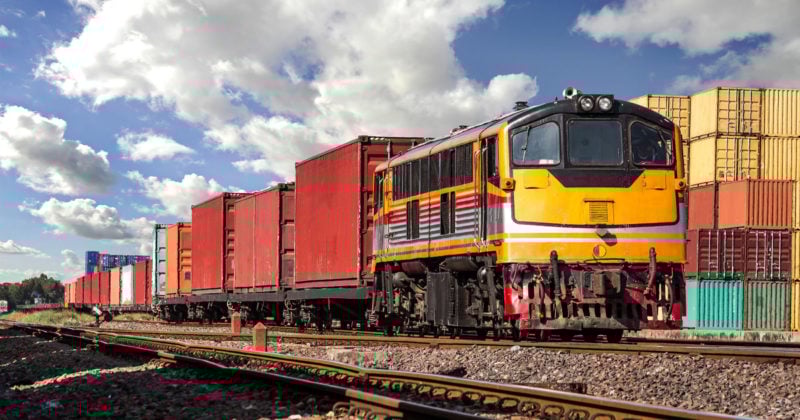
Lighting importers often evaluate multiple shipping methods depending on urgency, freight rates, and available space. The comparison below helps with decision-making.
Shipping Method Comparison
| Mode | Cost Level | Transit Time | Best For | Notes |
|---|---|---|---|---|
| 20GP FCL | Medium | 16–22 days | Standard lighting loads | Optimal CBM use |
| 40HQ | Medium–High | 16–22 days | Bulkier SKUs | Backup when 20GP is tight |
| LCL | High | 20–28 days | Urgent partial loads | Weekly sailings |
| Air Freight | Very High | 3–7 days | High-value LEDs | For urgent stock |
Moreover, carriers frequently adjust weekly schedules, so importers should monitor rate and routing trends closely.
How Long Does It Take to Ship Lighting Containers to California?
Transit time varies by carrier performance, port congestion, and seasonal cycles. Nevertheless, the following table provides reliable reference ranges.
Transit Time Reference (China → California)
| Origin | Standard | Slow Season | Peak Season |
|---|---|---|---|
| Shenzhen | 16–20 days | 18–22 | 20–26 |
| Ningbo | 17–21 days | 19–24 | 21–28 |
| Qingdao | 18–22 days | 21–25 | 23–30 |
| Shanghai | 15–19 days | 17–23 | 19–27 |
Additionally, weather conditions and customs holds may extend timelines.
What Documents Help Improve Space Allocation Success?
Although documentation does not directly create space, it speeds up booking confirmation and reduces the risk of delays.
Documentation Checklist for Lighting Imports
| Document | Required | Purpose |
|---|---|---|
| Commercial Invoice | Yes | Confirms product values |
| Packing List | Yes | Verifies dimensions |
| Booking Details | Yes | Supports early allocation |
| UL/FCC Certificates | Often | Ensures compliance |
| ISF Filing | Yes | Must be ready pre-loading |
Moreover, accurate information reduces the risk of customs rejections at destination.
Can Packaging Optimization Increase 20GP Availability?
Yes. Many lighting brands achieve higher container efficiency by redesigning packaging.
Key improvements include:
- Reducing unused carton voids
- Increasing inner-box modularity
- Using collapsible inserts
- Standardizing carton dimensions across suppliers
Moreover, packaging optimization reduces freight costs and strengthens supply chain predictability.
Why Should Lighting Importers Consider Forecasting and Allocation Planning?
Forecasting is essential when equipment shortages occur. Therefore, developing a weekly or monthly replenishment calendar helps carriers and forwarders reserve space in advance.
Benefits of forecasting:
- Better rate negotiation
- Early space confirmation
- Improved vendor coordination
- Reduced LCL dependency
Additionally, forwarders like Top China Freight offer multi-vendor consolidation programs and predictive loading plans.
Conclusion
Because the demand for lighting products continues to rise, securing 20GP FCL space availability for lighting from China to California requires early planning, multi-port flexibility, packaging optimization, and accurate documentation. Moreover, forwarders with multi-depot access and predictive planning models help importers minimize delays and maintain stable delivery schedules. To enhance reliability, consider adopting a proactive booking strategy supported by specialist logistics partners.
Need a reliable logistics partner? Share your shipment details and we’ll provide a tailored quotation quickly and accurately.
FAQ:
How early should I book 20GP FCL space for lighting cargo?
Booking 10–15 days in advance significantly improves your chance of securing equipment during peak seasons.
Can multiple lighting suppliers share one 20GP container?
Yes. Consolidation is feasible when suppliers align carton data and packing dates.
Are lighting items commonly inspected at California ports?
Inspections happen occasionally, but correct UL/FCC files reduce delays.
Do freight rates increase when space tightens?
Rates often rise during peak demand, so early forecasting helps maintain cost control.
How can I track shipments to California?
Forwarders provide vessel and port visibility tools for full tracking.