
Streamline Your Shipments: China FCL Warehouse Consolidation to Belgium
“Navigating international shipping can be complex, especially when managing multiple suppliers or large volumes from China. Businesses often face challenges like high freight costs, extended transit times, and intricate logistics. Implementing efficient China FCL warehouse consolidation to Belgium offers a strategic solution to these common pain points. This approach streamlines your supply chain, ensuring your goods arrive in Belgium reliably and cost-effectively.”
What is China FCL Warehouse Consolidation to Belgium?
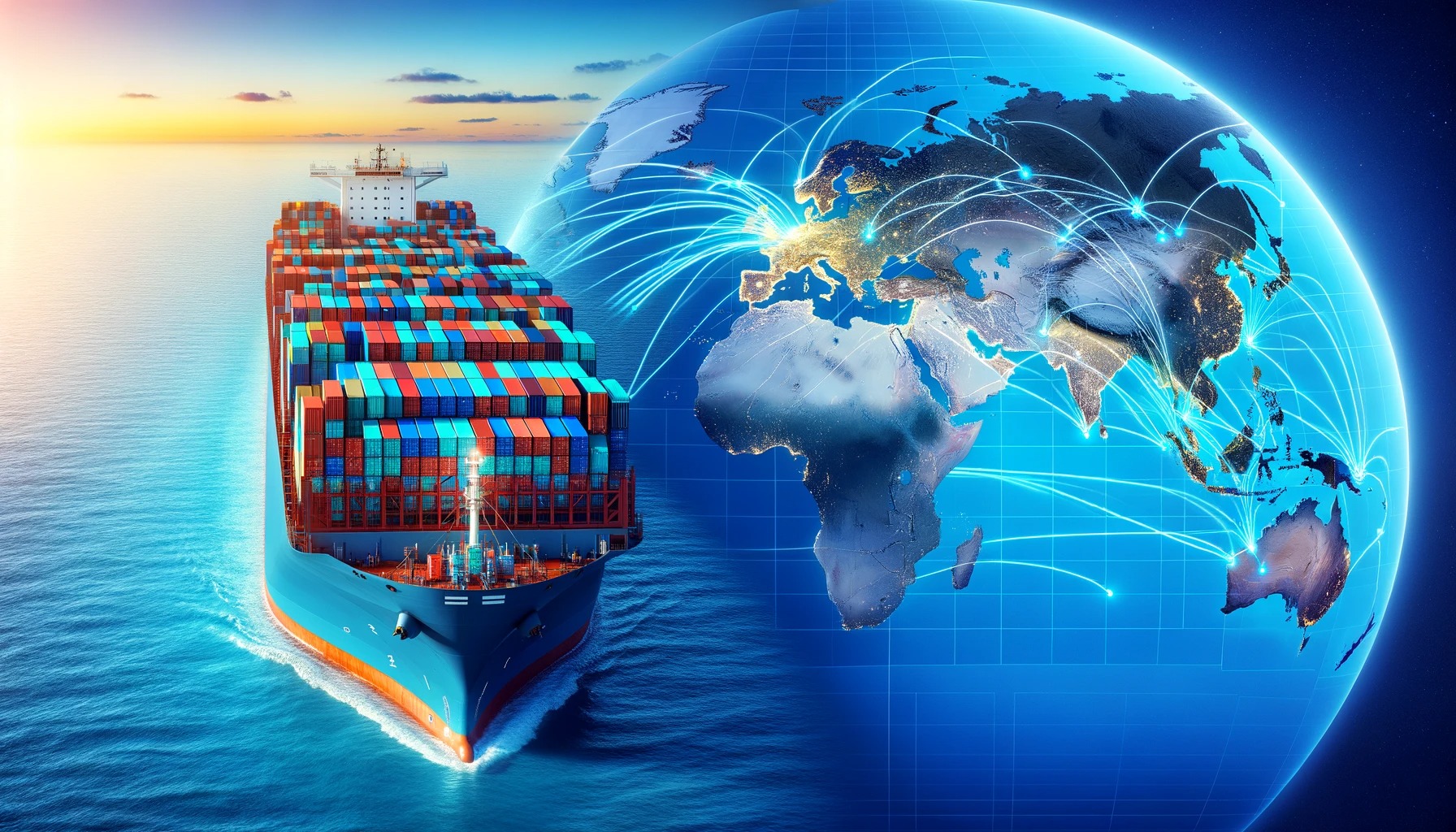
❖China FCL warehouse consolidation to Belgium involves combining goods from various suppliers into a single Full Container Load (FCL) within a warehouse in China. This strategic method is particularly beneficial for businesses importing large quantities or items from multiple vendors. Essentially, instead of shipping several smaller, less-than-container-load (LCL) consignments, all cargo is gathered and packed into one full container.
This process significantly enhances efficiency and reduces overall shipping costs. Moreover, it provides greater control over the logistics, as the entire container is dedicated to your cargo. Consequently, there is less handling of individual packages, which minimizes the risk of damage or loss during transit. Ultimately, FCL consolidation offers a streamlined and secure shipping solution for your Belgian imports.
Furthermore, FCL shipping generally results in faster transit times compared to LCL. Since the container does not need to be deconsolidated at intermediate ports, it proceeds directly to its destination. Therefore, understanding this service is crucial for optimizing your supply chain from China to Belgium.
Why Choose FCL Consolidation for Your Belgium-Bound Shipments?
❖Opting for FCL warehouse consolidation presents numerous advantages for businesses importing into Belgium. Firstly, it offers substantial cost savings compared to shipping multiple LCL consignments. You pay a flat rate for the entire container, irrespective of how full it is, which can be more economical for larger volumes.
Secondly, FCL shipping provides enhanced security for your cargo. Once sealed at the origin warehouse, the container remains intact until it reaches its final destination. This reduces exposure to potential theft or damage that can occur with frequent handling during LCL consolidation and deconsolidation.
Additionally, FCL shipments often boast quicker transit times. Unlike LCL, which requires additional time for consolidation and deconsolidation at various ports, FCL moves directly. This direct route means your goods spend less time in transit, improving your delivery schedules and inventory management. Consequently, you can respond more swiftly to market demands.
Furthermore, you gain greater control over your shipping schedule. With FCL, you can dictate the loading and departure times more precisely, aligning with your production and delivery needs. This flexibility is vital for maintaining a predictable supply chain and meeting customer expectations, especially for time-sensitive products.
The Process of China FCL Warehouse Consolidation to Belgium
❖The process of FCL warehouse consolidation from China to Belgium involves several coordinated steps, ensuring a smooth and efficient flow of goods. Understanding each stage is key to successful international logistics. Typically, it begins with careful planning and coordination among suppliers, the consolidator, and the freight forwarder.
Initially, your various suppliers in China deliver their goods to a designated consolidation warehouse. Here, items are received, inspected, and meticulously organized. This phase is crucial for ensuring all products match purchase orders and are in good condition before packing. Quality checks help prevent issues later in the supply chain.
Following receipt, the goods are expertly loaded into a Full Container Load. Professional loading techniques maximize space utilization and minimize the risk of damage during transit. The container is then sealed and transported to the port of loading, usually a major Chinese port like Shanghai, Ningbo, or Shenzhen. From there, it embarks on its sea freight journey to Belgium.
Key Steps in the Consolidation Process
The first step involves supplier coordination and cargo delivery to the consolidation warehouse. Subsequently, goods are inspected, sorted, and inventoried. This meticulous preparation ensures accuracy before packing.
Next, the freight forwarding team expertly plans the container loading, considering cargo weight distribution and dimensions. They then load and seal the container. Finally, the container is moved to the port for vessel departure. Throughout this, diligent communication ensures all parties are informed.
Upon arrival at a Belgian port, such as Antwerp or Zeebrugge, the container undergoes customs clearance. Afterward, it is transported to your designated warehouse or distribution center. This comprehensive door to door service simplifies the entire import process for you.
Essential Documentation for Belgium Imports
Accurate and complete documentation is paramount for seamless customs clearance in Belgium. Preparing these documents in advance helps avoid delays and potential penalties. Therefore, close collaboration with your freight forwarder and customs brokerage partner is essential.
Typically, the required documents include the commercial invoice, packing list, bill of lading, and certificate of origin. Furthermore, depending on the nature of your goods, additional licenses or permits might be necessary. For instance, specific health certificates are required for food products or certain chemicals.
| Document Type | Purpose | Key Information |
|---|---|---|
| Commercial Invoice | Proof of sale, customs valuation | Seller/Buyer, goods description, value, terms of sale |
| Packing List | Details of shipment contents | Quantity, weight, dimensions per package, container number |
| Bill of Lading (B/L) | Contract of carriage, title to goods | Shipper, consignee, notify party, port of loading/discharge, cargo details |
| Certificate of Origin | Confirms country of manufacture | Country of origin, goods description, exporter/importer details |
| Import License/Permit | Regulatory compliance for specific goods | Issued by relevant authorities for controlled items |
How to Optimize Your China FCL Warehouse Consolidation Strategy
❖Optimizing your China FCL warehouse consolidation to Belgium strategy can lead to significant improvements in efficiency and cost-effectiveness. This requires careful planning, selecting the right partners, and leveraging technology. Ultimately, a well-executed strategy will enhance your entire supply chain.
Firstly, choosing a reliable freight forwarder with extensive experience in China-Europe routes is crucial. They should offer robust warehouse consolidation services in China and possess strong local networks. A knowledgeable partner can navigate complex logistics, ensuring smooth operations from origin to destination.
Secondly, effective communication with your suppliers is vital. Ensure they understand the consolidation process, including delivery deadlines to the warehouse. Timely delivery from all suppliers prevents delays in container loading and subsequent shipping schedules. Clear instructions and proactive follow-ups are key.
Moreover, implementing technology for tracking and inventory management provides real-time visibility of your goods. This allows you to monitor the status of your consolidated shipments, anticipate arrival times, and manage your inventory more effectively. Such tools are indispensable for modern supply chain management. Consider leveraging digital platforms for better oversight.
Navigating Customs and Regulations for Belgium Imports
❖Successfully importing goods from China to Belgium requires a thorough understanding of European Union and Belgian customs regulations. Navigating this landscape can be challenging without expert guidance. Consequently, proper preparation is essential to avoid delays and unexpected costs.
Upon arrival in Belgium, your FCL shipment will undergo customs clearance. This involves submitting all necessary documentation, paying applicable duties, and Value Added Tax (VAT). The Harmonized System (HS) codes for your products are critical for accurate duty calculation. Therefore, ensuring correct classification is paramount.
Furthermore, Belgium, as part of the EU, adheres to strict import controls regarding product safety, environmental standards, and labeling requirements. Certain goods may require specific certifications or inspections before they can be released. For example, electronics must comply with CE marking standards.
Working with an experienced customs broker is highly recommended. They can handle the complexities of declarations, ensure compliance with all regulations, and advise on duty optimization strategies. Their expertise helps streamline the clearance process, minimizing potential disruptions to your supply chain.
How Does FCL Consolidation Compare to Other Shipping Options?
❖When considering shipping from China to Belgium, various methods are available, each with distinct advantages and disadvantages. Understanding these alternatives helps in making an informed decision for your specific logistics needs. FCL consolidation, while highly efficient for large volumes, is just one piece of the puzzle.
It is important to evaluate factors like shipping costs, transit time, cargo volume, and urgency. For instance, while air freight offers speed, its cost can be prohibitive for bulk shipments. Conversely, sea freight is economical but takes longer. Therefore, a balanced assessment is crucial.
As of Q1 2025, freight rates from China to Europe have stabilized after the 2024 Red Sea disruptions, but remain subject to fuel surcharges and carrier capacity. Rates typically increase 15-25% during the August-October peak season. Always seek current quotes to reflect market fluctuations.
| Shipping Method | Cost Range (40HQ approx.) | Transit Time (China-Belgium) | Best For | Limitations |
|---|---|---|---|---|
| Sea Freight (FCL) | $3,000 – $4,200 | 30-38 days | Large, non-urgent, heavy shipments | Slowest transit, port congestion risk |
| Sea Freight (LCL) | $50 – $80 per CBM | 35-45 days | Small volumes (<15 CBM), non-urgent | Slower than FCL, more handling, complex pricing |
| Rail Freight | $8,000 – $12,000 | 18-25 days | Mid-size, moderately urgent, high-value | Limited capacity, specific cargo restrictions |
| Air Freight | $15,000 – $25,000 (equivalent volume) | 3-7 days | Urgent, high-value, perishable goods | Highest cost, volume/weight restrictions |
Sea Freight (FCL vs LCL)
FCL (Full Container Load) is ideal for large volumes, typically 15 CBM or more. It offers dedicated container space, leading to faster transit and less handling. For example, a 40HQ from China to Belgium might cost $3,000-4,200 with a 30-38 day transit.
In contrast, LCL (Less than Container Load) is suitable for smaller shipments, generally under 15 CBM. While more flexible for smaller volumes, LCL incurs additional charges for consolidation and deconsolidation, potentially leading to longer transit times and higher per-CBM costs. For shipments under 15 CBM, LCL at $50-80/CBM may be more economical than a full container, but direct FCL is generally preferred for larger volumes due to efficiency and security.
Rail Freight Alternatives
Rail freight from China to Belgium offers a viable middle-ground option between sea and air freight in terms of both cost and speed. Transit times are typically around 18-25 days, significantly faster than sea freight but more affordable than air. This makes it attractive for certain types of cargo.
The New Silk Road rail routes connect major Chinese cities directly to European hubs, including Belgium. However, capacity can be limited, and specific cargo types might have restrictions. It’s an excellent choice for goods that are too urgent for sea but not critical enough for expensive air transport. Learn more about rail freight options.
Air Freight for Urgent Shipments
For highly time-sensitive or high-value goods, air freight is the fastest option, with transit times often ranging from 3-7 days. However, this speed comes at a significantly higher cost. For instance, while sea freight for a 40HQ might cost $3,000-4,200, air freight for the same volume would cost $15,000-25,000.
Air freight is typically reserved for urgent orders, perishable goods, or products with a very short shelf life. It is not generally economical for bulk or heavy shipments due to its premium pricing structure. Therefore, it’s crucial to weigh the urgency against the considerable shipping costs.
Real-World Success: Case Studies in FCL Consolidation to Belgium
❖Exploring real-world examples helps illustrate the practical benefits and strategic considerations of China FCL warehouse consolidation to Belgium. These case studies highlight how different businesses leverage this service to optimize their supply chains.
Each scenario demonstrates how careful planning and execution lead to successful outcomes. We use typical rates as of early 2025 for these examples, acknowledging that market rates fluctuate based on fuel costs, carrier capacity, and seasonal demand. Always contact us for a current quote tailored to your specific shipment.
Case Study 1: Large Volume Manufacturer
This manufacturer regularly imports large quantities of components for assembly in Belgium. By consolidating their FCL shipments, they achieved significant cost reductions and improved inventory management.
| Detail | Description |
|---|---|
| Route | Ningbo, China Antwerp, Belgium |
| Cargo | Electronic components, 60 CBM, 12,000 kg |
| Container | 1 x 40HQ |
| Carrier/Service | Major carrier (e.g., COSCO) |
| Port of Loading | Ningbo |
| Port of Discharge | Antwerp |
| Route Type | Direct |
| Ocean Freight | $3,800 |
| Origin Charges | $450 |
| Destination Charges | $600 |
| Customs & Duties (estimated) | $1,200 |
| Total Landed Cost | $6,050 |
| Booking to Loading | 5 days |
| Sea Transit | 32 days |
| Customs Clearance | 3 days |
| Total Door-to-Door | 40 days |
| Key Insight | Consolidating multiple component types into one FCL significantly reduced per-unit shipping costs and streamlined production scheduling. This strategy proved highly effective for their continuous supply chain. |
Case Study 2: Multiple Supplier Consolidation
An e-commerce business sourcing various product lines from different factories across China utilized FCL consolidation to manage diverse shipments efficiently, avoiding multiple LCL costs and delays.
| Detail | Description |
|---|---|
| Route | Shanghai & Shenzhen, China Zeebrugge, Belgium |
| Cargo | Mixed consumer goods, 55 CBM, 8,500 kg (from 4 suppliers) |
| Container | 1 x 40HQ |
| Carrier/Service | Major carrier (e.g., MSC) |
| Port of Loading | Shanghai (main consolidation point) |
| Port of Discharge | Zeebrugge |
| Route Type | Transshipment via Singapore |
| Ocean Freight | $4,000 |
| Origin Charges | $550 |
| Destination Charges | $700 |
| Customs & Duties (estimated) | $1,500 |
| Total Landed Cost | $6,750 |
| Booking to Loading | 7 days (due to multiple suppliers) |
| Sea Transit | 35 days |
| Customs Clearance | 4 days |
| Total Door-to-Door | 46 days |
| Key Insight | Consolidating from multiple suppliers into one FCL saved substantial costs compared to separate LCL shipments. Although a transshipment route added a few days, the overall cost-efficiency was superior. Based on Q3 2024 market rates. |
Case Study 3: Seasonal Goods Importer
This importer deals with seasonal fashion items, requiring timely delivery before peak sales periods. FCL consolidation helped them manage large, time-sensitive inventory influxes without incurring prohibitive air freight costs.
| Detail | Description |
|---|---|
| Route | Qingdao, China Antwerp, Belgium |
| Cargo | Textiles and apparel, 65 CBM, 9,000 kg |
| Container | 1 x 40HQ |
| Carrier/Service | Major carrier (e.g., Maersk) |
| Port of Loading | Qingdao |
| Port of Discharge | Antwerp |
| Route Type | Direct |
| Ocean Freight | $4,200 (Q4 peak season rate) |
| Origin Charges | $500 |
| Destination Charges | $650 |
| Customs & Duties (estimated) | $1,300 |
| Total Landed Cost | $6,650 |
| Booking to Loading | 6 days |
| Sea Transit | 33 days |
| Customs Clearance | 3 days |
| Total Door-to-Door | 42 days |
| Key Insight | Leveraging FCL during peak season, despite slightly higher rates (Q4 peak season rates were 20% higher than off-peak), ensured inventory arrived well before critical sales dates, optimizing market entry. Proactive booking was crucial. |
Which Option Should You Choose for Your China-Belgium Shipments?
❖Deciding on the optimal shipping method from China to Belgium depends heavily on your specific business priorities and cargo characteristics. A clear decision framework can guide you toward the most suitable solution. Consider your budget, urgency, cargo type, and volume.
If your primary concern is budget, and you have large, non-urgent shipments, FCL sea freight is almost always the most cost-effective choice. It offers the lowest per-unit cost for bulk goods. Conversely, if speed is paramount, and your cargo is high-value or time-critical, air freight, despite its higher cost, remains the fastest option.
For cargo type considerations, fragile or sensitive goods might benefit from FCL due to less handling, or specialized air freight for speed. Hazardous materials, however, have strict regulations across all modes. Furthermore, volume thresholds are crucial; generally, anything above 15 CBM makes FCL more economical than LCL. Below that, LCL or even express service might be more appropriate. Ultimately, aligning your choice with these factors ensures logistics efficiency.
Market Insights and Future Trends in China-Belgium Logistics
❖The landscape of China-Belgium logistics is constantly evolving, influenced by global economic shifts, geopolitical events, and technological advancements. Staying informed about current market conditions and emerging trends is vital for strategic planning. As of early 2025, several factors are shaping freight rates and transit times.
Market data suggests that while overall freight rates have seen some stabilization, regional disruptions, such as those in the Red Sea, can still introduce volatility and impact transit routes. Consequently, flexibility in routing and carrier choice becomes increasingly important. Industry average for this route indicates continued demand.
Moreover, sustainability is becoming a significant driver in logistics. Businesses are increasingly seeking greener shipping options, which could favor rail or optimized sea routes over air freight. Furthermore, digital transformation, including AI-driven logistics platforms and advanced tracking systems, is enhancing transparency and efficiency in the supply chain. These innovations are reshaping how China FCL warehouse consolidation to Belgium is managed.
Conclusion
In summary, China FCL warehouse consolidation to Belgium offers a powerful strategy for businesses aiming to reduce costs, enhance security, and improve transit times. By expertly combining multiple shipments into a single container, importers gain greater control and efficiency over their logistics.
Understanding the various shipping alternatives and leveraging experienced freight partners are crucial for navigating the complexities of international trade. Ultimately, a well-executed consolidation strategy ensures your goods arrive in Belgium reliably and economically. This approach is key to a robust and competitive supply chain.
Ready to streamline your logistics?
Ready to optimize your supply chain with seamless China FCL warehouse consolidation to Belgium? Contact us today for a personalized quote and expert guidance. Our team is prepared to tailor a shipping solution that meets your specific needs and budget.
Request Quote