
Solving Reefer FCL Container Shortage for China-Houston Textiles
The global supply chain frequently presents complex challenges, including the persistent reefer FCL container shortage for textiles from China to Houston. Businesses importing sensitive textile goods face significant disruptions, impacting delivery schedules and profitability. Navigating these constraints requires strategic planning and robust logistics partnerships. At Top China Freight, we offer comprehensive solutions to mitigate these issues and ensure your cargo arrives safely.
Why Are Reefer FCL Containers in Short Supply?
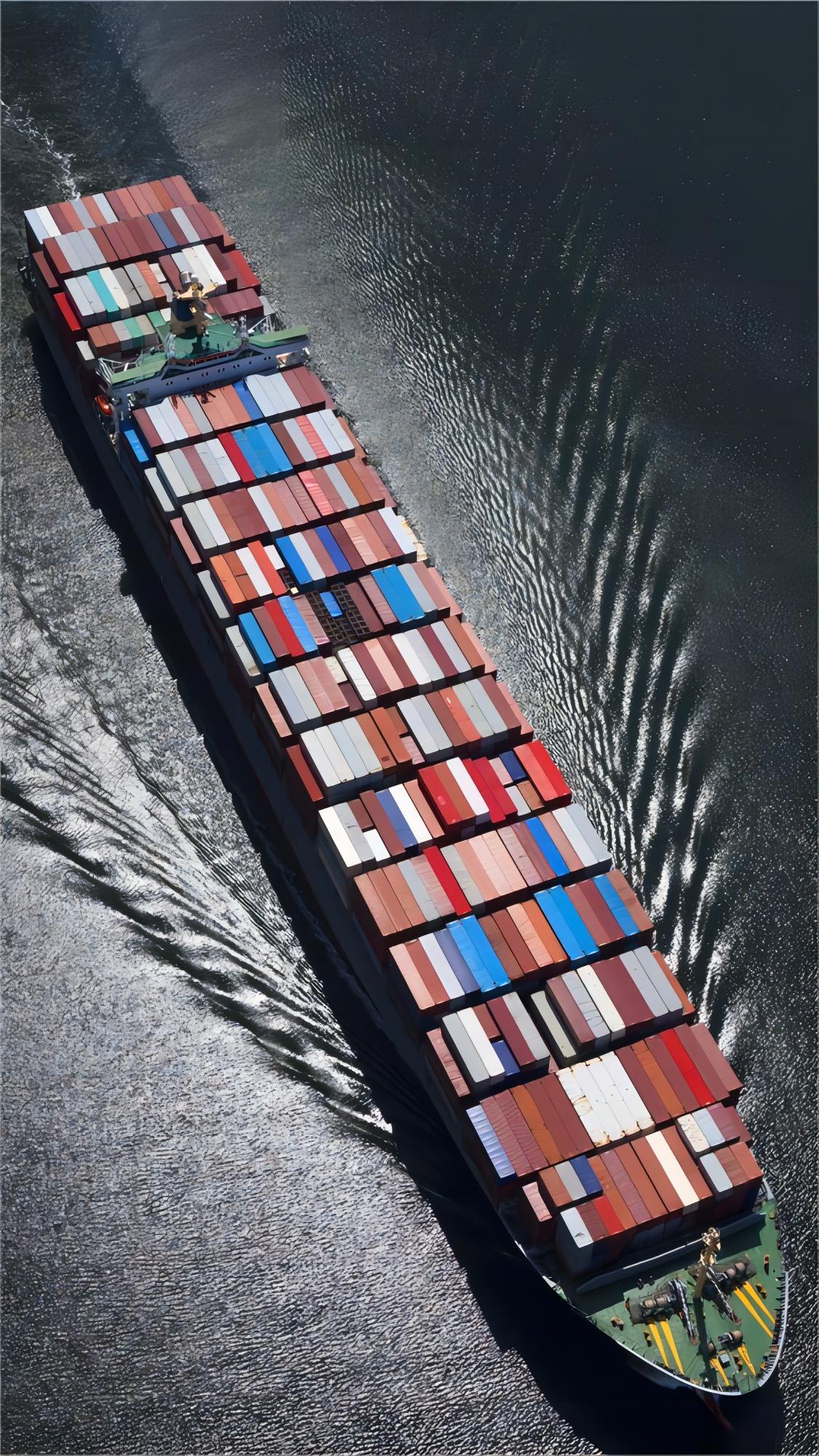
Several factors contribute to the ongoing reefer FCL container shortage, especially for routes like China to Houston. Increased global demand for temperature-controlled cargo, coupled with equipment imbalances, creates significant pressure. Consequently, securing adequate container capacity becomes a primary concern for textile importers.
Furthermore, port congestion and extended dwell times exacerbate the problem. Containers are often held up at ports, reducing their availability for new bookings. This bottleneck directly impacts the flow of goods, leading to delays and higher freight rates for time-sensitive shipments.
Seasonal peaks, such as pre-holiday shipping rushes, further strain available resources. During these periods, competition for reefer containers intensifies, making advance planning absolutely crucial. Businesses must adapt quickly to these dynamic logistics trends.
What Risks Does the Shortage Pose for Textile Imports?
The lack of available reefer FCL containers carries substantial risks for textile imports from China to Houston. Textiles, despite not being perishable like food, are highly susceptible to damage from extreme temperatures and humidity fluctuations. Mold, mildew, and discoloration can occur, rendering goods unsellable.
Moreover, delayed shipments due to container shortages can disrupt retail cycles and lead to lost sales opportunities. For example, seasonal fashion items lose their value quickly if they miss their market window. Therefore, maintaining a reliable delivery schedule is paramount for textile businesses.
Additionally, unexpected costs arise from demurrage, detention, and expedited shipping alternatives. These unforeseen expenses erode profit margins and complicate budget forecasting. Proactive measures are essential to manage these financial implications effectively.
How Does Reefer FCL Compare to Other Shipping Options?
Understanding the differences between shipping methods is vital for making informed decisions, particularly when facing a reefer FCL container shortage. Each option presents distinct advantages and disadvantages concerning cost, speed, and cargo suitability. For textiles from China to Houston, sea freight is typically the most economical.
However, when reefer FCL is scarce, alternatives must be considered. These might include standard dry containers with specific protective measures, or even partial air freight for urgent portions of a shipment. Evaluating these trade-offs is critical for maintaining supply chain resilience.

| Shipping Method | Cost Range (40HQ Equivalent) | Transit Time (China to Houston) | Best For | Limitations |
|---|---|---|---|---|
| Reefer FCL Sea Freight | $5,500 – $8,500 | 30-38 days | Temperature-sensitive, large volume textiles | High cost, capacity shortages |
| Standard FCL Sea Freight | $4,500 – $6,500 | 30-38 days | Less sensitive, high volume textiles | No active temp/humidity control |
| LCL Sea Freight (Reefer) | $800 – $1,500 (per CBM) | 35-45 days | Smaller, temp-sensitive textile batches | Slower, potential for delays, higher per-unit cost |
| Air Freight | $18,000 – $35,000 (per 40HQ volume) | 5-8 days | Urgent, high-value, small volume textiles | Very high cost, limited capacity for large volumes |
What are Effective Reefer FCL Container Shortage Solutions?
Addressing the reefer FCL container shortage for textiles from China to Houston requires a multi-faceted approach. Strategic planning and early booking are fundamental to securing capacity. Engaging with experienced freight forwarders can provide crucial access to preferred carrier allocations.
Developing strong relationships with multiple carriers also enhances flexibility. This strategy allows businesses to pivot quickly when one carrier faces capacity issues. Furthermore, exploring alternative ports of loading in China or discharge in the US can sometimes alleviate congestion and improve availability.
Consider consolidating smaller shipments into FCL if feasible, or conversely, breaking down large FCLs into multiple LCL shipments if urgent. A good customs brokerage partner can also help expedite the process at destination.
Proactive Booking and Forecasting
Initiating bookings well in advance of the planned shipping date is a primary solution. Accurate demand forecasting helps predict future reefer container needs, allowing for timely reservations. This proactive stance significantly increases the likelihood of securing required equipment.
Additionally, providing carriers with precise cargo details, including temperature and humidity requirements, ensures appropriate container allocation. Clear communication streamlines the booking process and minimizes potential misunderstandings. Therefore, detailed planning is key.
Leveraging Hybrid and Alternative Shipping Modes
In situations where reefer FCL is unavailable, hybrid solutions or alternative modes can offer viable pathways. For instance, using a standard dry container with specialized insulation and temperature monitoring devices can protect sensitive textiles. This approach requires careful assessment of cargo vulnerability.
For extremely urgent textile shipments, a portion might be sent via air freight. While more expensive, it ensures rapid transit and maintains supply chain momentum. Combining air and sea freight can balance speed and cost effectively for various parts of an order.
Which Option Should You Choose for Your Textile Shipments?
Selecting the optimal shipping strategy for textiles from China to Houston depends on several critical factors. Each business has unique priorities regarding budget, speed, and cargo sensitivity. A tailored approach ensures the best balance of efficiency and cost-effectiveness.
If budget is your primary concern, and your textiles can tolerate standard conditions with proper packaging, then standard FCL sea freight may be suitable. However, for high-value or delicate fabrics, investing in a reefer FCL remains the safest option when available.
When speed is paramount, express service or air freight provides the quickest transit times, albeit at a higher cost. For e-commerce businesses utilizing Amazon FBA, meeting strict delivery windows often justifies premium shipping methods. Always consider the total landed cost versus the potential loss from damaged or delayed goods.
Case Studies: Navigating Reefer FCL Challenges
Real-world examples illustrate how businesses successfully overcome the reefer FCL container shortage for textiles from China to Houston. These cases highlight practical solutions and strategic decision-making in challenging logistics environments. Each scenario provides valuable insights into effective cargo handling.
Understanding these past successes can inform future strategies, helping importers prepare for potential disruptions. They demonstrate the importance of flexibility and strong partnerships in maintaining a robust supply chain. These examples showcase different approaches to common shipping hurdles.
Case Study 1: Urgent Fashion Collection
A mid-sized fashion brand needed to import a new collection of sensitive garments from Shanghai to Houston for a critical market launch. Due to an unforeseen reefer FCL shortage, their initial booking was canceled. The launch date was non-negotiable.
| Detail | Description |
|---|---|
| Route | Shanghai, China Houston, USA |
| Cargo | High-value silk garments, 25 CBM, 3,500 kg |
| Container | LCL (Reefer portion) |
| Shipping Details | Major carrier, Port of Loading: Shanghai, Port of Discharge: Houston, Route Type: Transshipment via Busan |
| Cost Breakdown | Ocean Freight: $5,200; Origin Charges: $450; Destination Charges: $550; Customs & Duties (est): $700; Total Landed Cost: $6,900 |
| Timeline | Booking to Loading: 5 days; Sea Transit: 35 days; Customs Clearance: 4 days; Total Door-to-Door: 44 days |
| Key Insight | By opting for a reefer LCL service and slightly longer transit via transshipment, the brand secured temperature-controlled space. This avoided costly air freight for the entire collection, ensuring market entry. |
Case Study 2: Large Volume Textile Manufacturer
A large textile manufacturer regularly ships bulk cotton fabrics from Ningbo to Houston. Facing persistent reefer FCL shortages, they needed a cost-effective solution to maintain production schedules without compromising fabric quality.
| Detail | Description |
|---|---|
| Route | Ningbo, China Houston, USA |
| Cargo | Bulk cotton fabrics, 60 CBM, 15,000 kg |
| Container | 40HQ Standard Container with Desiccants |
| Shipping Details | Major carrier, Port of Loading: Ningbo, Port of Discharge: Houston, Route Type: Direct |
| Cost Breakdown | Ocean Freight: $5,800; Origin Charges: $600; Destination Charges: $700; Customs & Duties (est): $950; Total Landed Cost: $8,050 |
| Timeline | Booking to Loading: 7 days; Sea Transit: 32 days; Customs Clearance: 3 days; Total Door-to-Door: 42 days |
| Key Insight | The manufacturer utilized a standard 40HQ container, but invested in robust desiccant bags and internal monitoring. This protected the moisture-sensitive cotton at a lower cost than premium reefer FCL, effectively managing humidity. |
Case Study 3: Small Batch Specialty Textiles
A boutique importer of specialty woolens from Shenzhen to Houston needed to ensure pristine condition for their delicate products. With limited reefer FCL options, they sought a reliable, albeit smaller, solution for their valuable cargo.
| Detail | Description | |||||||||||||||||||||||||||||||||||||||||||||||||||||||||||||||||||||||||||||||||||||||||||||||||||||||||||||||||||||||||||||||||||||||||||
|---|---|---|---|---|---|---|---|---|---|---|---|---|---|---|---|---|---|---|---|---|---|---|---|---|---|---|---|---|---|---|---|---|---|---|---|---|---|---|---|---|---|---|---|---|---|---|---|---|---|---|---|---|---|---|---|---|---|---|---|---|---|---|---|---|---|---|---|---|---|---|---|---|---|---|---|---|---|---|---|---|---|---|---|---|---|---|---|---|---|---|---|---|---|---|---|---|---|---|---|---|---|---|---|---|---|---|---|---|---|---|---|---|---|---|---|---|---|---|---|---|---|---|---|---|---|---|---|---|---|---|---|---|---|---|---|---|---|---|---|---|
| Route | Shenzhen, China Houston, USA | |||||||||||||||||||||||||||||||||||||||||||||||||||||||||||||||||||||||||||||||||||||||||||||||||||||||||||||||||||||||||||||||||||||||||||
| Cargo | Specialty woolens, 8 CBM, 1,200 kg | |||||||||||||||||||||||||||||||||||||||||||||||||||||||||||||||||||||||||||||||||||||||||||||||||||||||||||||||||||||||||||||||||||||||||||
| Container | Air Cargo (Consolidated) | |||||||||||||||||||||||||||||||||||||||||||||||||||||||||||||||||||||||||||||||||||||||||||||||||||||||||||||||||||||||||||||||||||||||||||
| Shipping Details | Major airline, Origin Airport: Shenzhen (SZX), Destination Airport: Houston (IAH), Route Type: Direct | |||||||||||||||||||||||||||||||||||||||||||||||||||||||||||||||||||||||||||||||||||||||||||||||||||||||||||||||||||||||||||||||||||||||||||
| C | o | s | t | B | r | e | a | k | d | o | w | n | : | A | i | r | F | r | e | i | g | h | t | : | $ | 6 | , | 5 | 0 | 0 | ; | O | r | i | g | i | n | C | h | a | r | g | e | s | : | $ | 2 | 5 | 0 | ; | D | e | s | t | i | n | a | t | i | o | n | C | h | a | r | g | e | s | : | $ | 3 | 0 | 0 | ; | C | u | s | t | o | m | s | & | D | u | t | i | e | s | ( | e | s | t | ) | : | $ | 4 | 0 | 0 | ; | T | o | t | a | l | L | a | n | d | e | d | C | o | s | t | : | $ | 7 | , | 4 | 5 | 0 | |||||||||||||||||||
| Timeline | Booking to Loading: 2 days; Air Transit: 3 days; Customs Clearance: 1 day; Total Door-to-Door: 8 days | |||||||||||||||||||||||||||||||||||||||||||||||||||||||||||||||||||||||||||||||||||||||||||||||||||||||||||||||||||||||||||||||||||||||||||
| Key Insight | For high-value, low-volume cargo, air freight proved to be the most reliable and fastest option, bypassing sea freight shortages entirely. The higher cost was justified by the product’s value and urgency. |
Market Context and Future Outlook for Reefer FCL Shipping
As of Q1 2025, the global shipping industry continues to navigate complex market dynamics. Freight rates from China to the US Gulf Coast have stabilized somewhat after recent volatility, but reefer container availability remains a concern. Supply chain disruptions, including geopolitical events and port labor issues, can quickly impact capacity.
Industry experts predict continued pressure on specialized equipment like reefer containers. Therefore, businesses must remain agile and informed about evolving logistics trends. Seasonal rate increases, typically 15-25% during August-October, will also influence reefer FCL availability and pricing.
Long-term strategies include investing in diversified sourcing and building stronger relationships with freight forwarders. This approach helps mitigate the impact of future reefer FCL container shortage events. Moreover, understanding import/export regulations for textiles is crucial for smooth operations.

Navigating the Reefer FCL Container Shortage with Confidence
The challenges posed by a reefer FCL container shortage for textiles from China to Houston are undeniable. However, with strategic planning, flexible approaches, and the right logistics partner, these obstacles can be effectively overcome. Prioritizing early booking, exploring alternative shipping methods, and leveraging expert knowledge are paramount.
Indeed, maintaining a resilient supply chain ensures your valuable textile cargo reaches its destination safely and on time. Ultimately, partnering with a knowledgeable freight forwarder like Top China Freight provides the expertise needed to secure capacity and manage complex logistics, even in challenging market conditions.
Start Your Shipment
Are you struggling with a reefer FCL container shortage for textiles from China to Houston? Our team of experts is ready to help you navigate these challenges. Contact us today for a tailored quote and reliable shipping solutions.
Request Quote