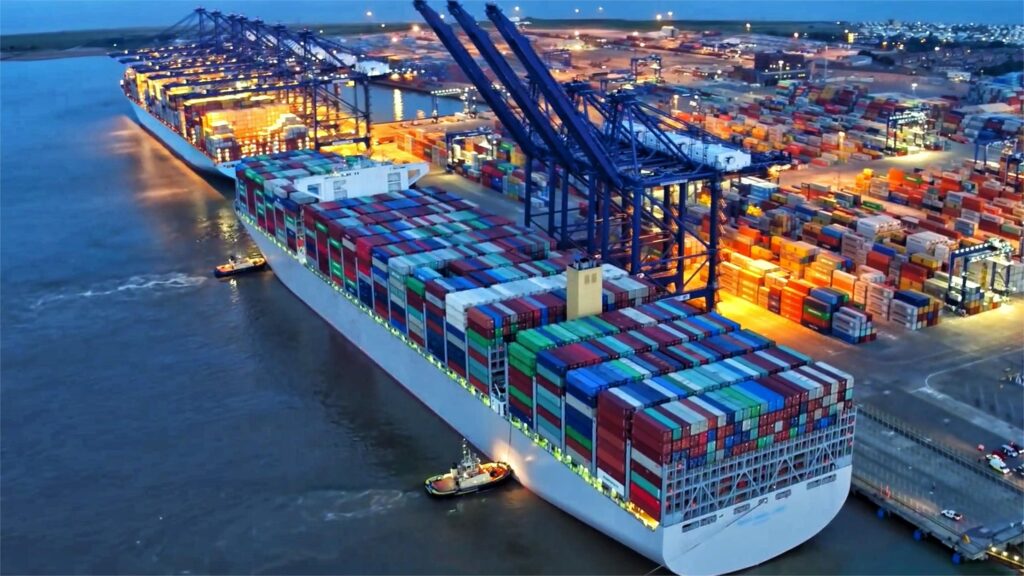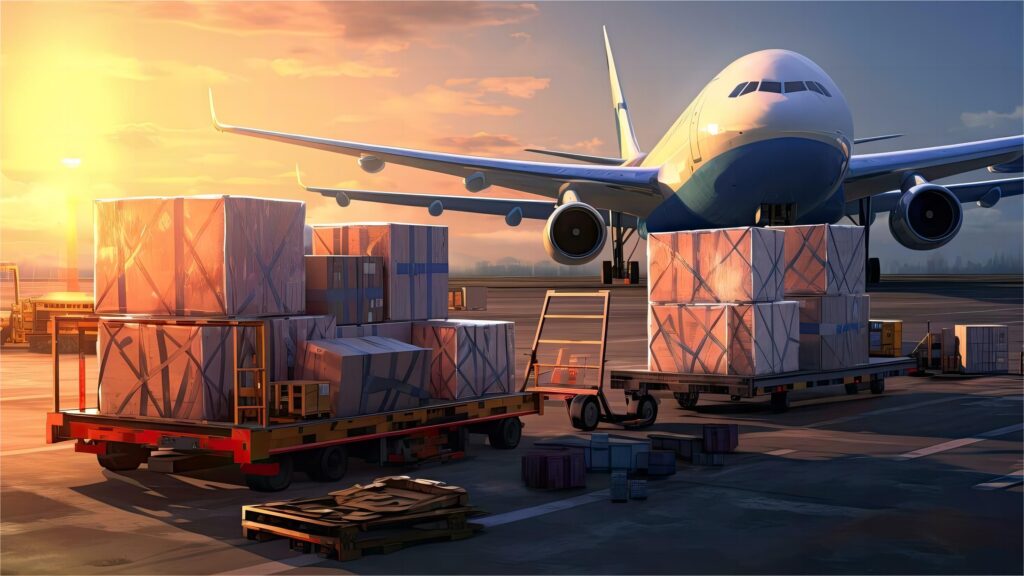
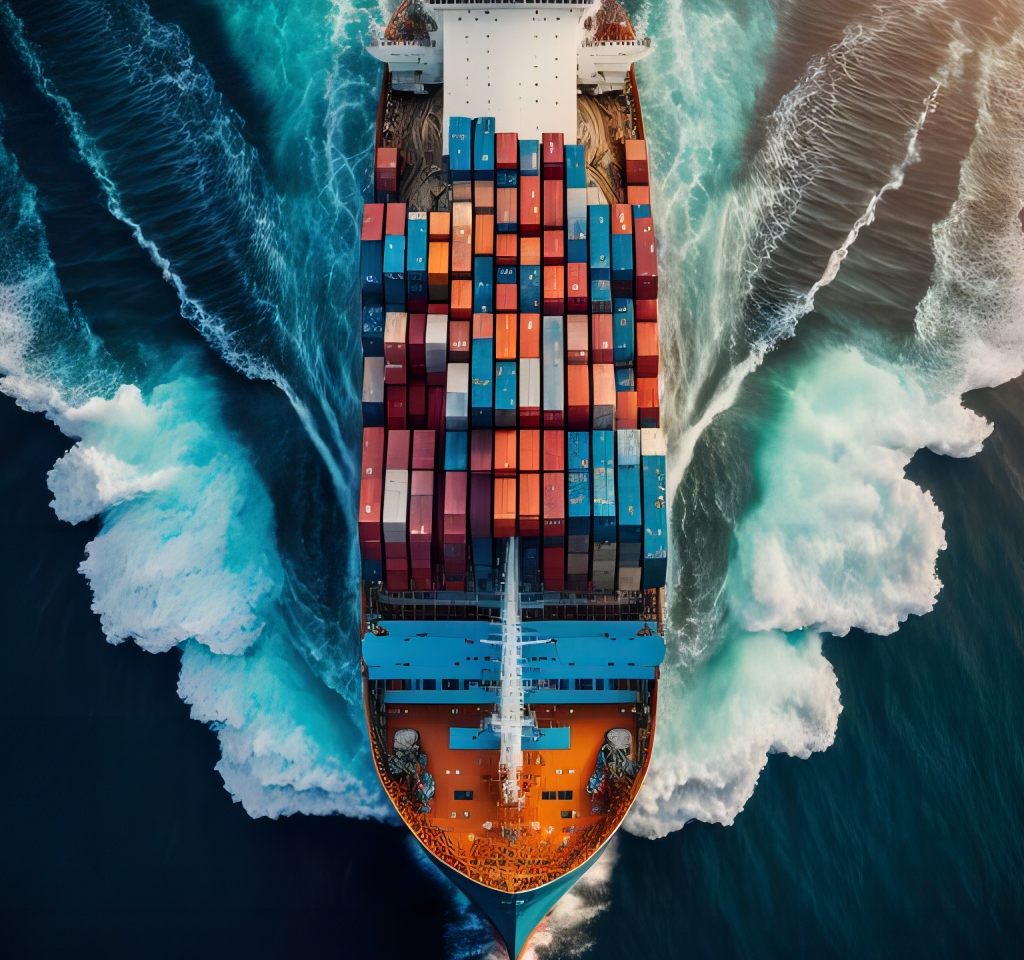
Kiribati, a remote and small island nation in Oceania, presents unique challenges for cargo transportation due to its underdeveloped economy and infrastructure. Despite its limitations, key ports such as Christmas Island Port, Banaba Island, Fanning Island, and Tarawa Island serve as vital gateways for trade. However, cargo handling and distribution face obstacles such as extended transit times, increased costs, and infrastructure deficiencies. Moreover, Kiribati’s susceptibility to adverse weather conditions and communication barriers stemming from cultural and linguistic differences further complicate logistics operations. To address these challenges, topchinafreight can collaborate closely with local partners, investing in infrastructure improvements, employing technology solutions, and providing training to enhance efficiency. Flexibility and adaptability are essential for navigating Kiribati’s unique logistical landscape, ensuring timely and secure cargo delivery.
The transportation of goods by cargo ships across oceans, ideal for large volumes and heavy items.
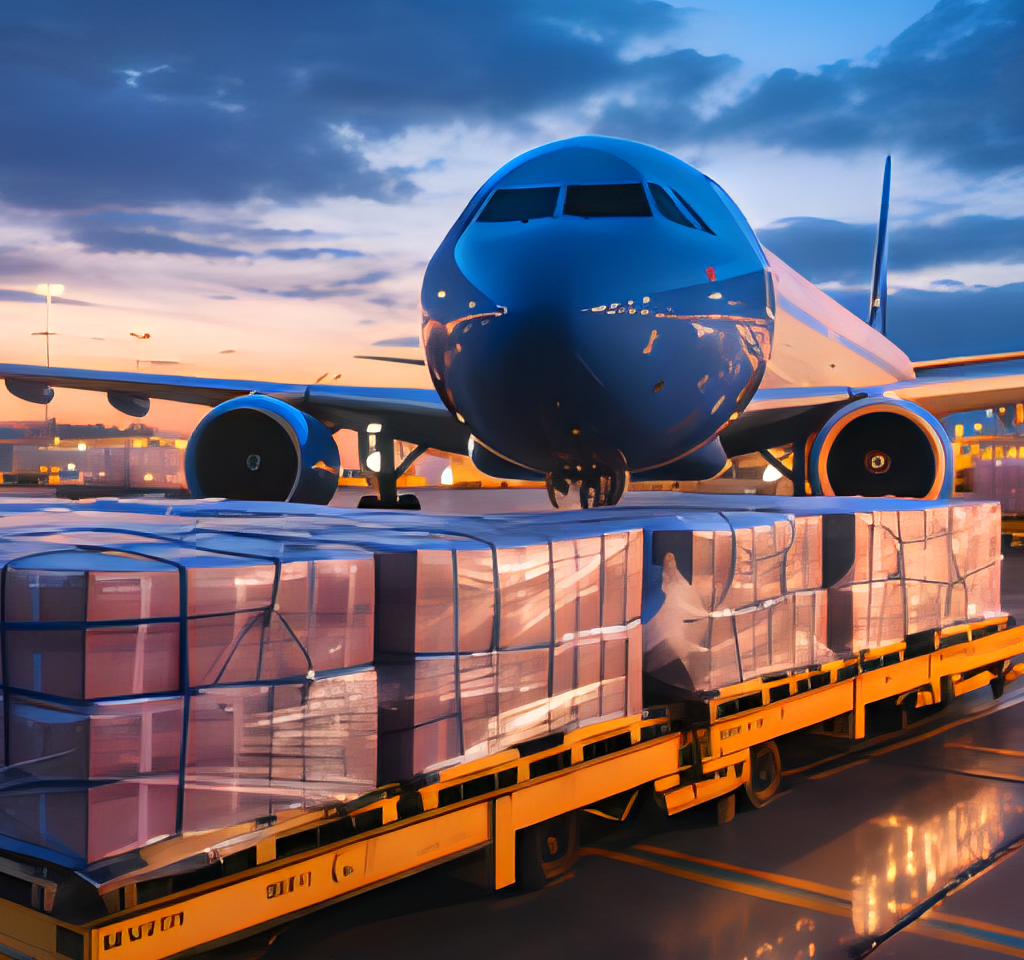
The shipment of goods via airplanes, offering fast delivery times for high-value or time-sensitive cargo.

This comprehensive solution streamlines the shipping process, ensuring efficient and hassle-free delivery.

The process of shipping goods that are loaded individually rather than in containers, typically used for oversized or irregularly shaped cargo.

We have risk management plans in place to address weather changes in Kiribati. For instance, at Christmas Island Port, we closely monitor weather forecasts, adjust transport plans as needed, and communicate with clients to ensure safe transportation of goods.
We address cultural and language differences in Kiribati's freight processes by employing multilingual communication tools and having a professional multilingual team. For instance, at Christmas Island Port, we actively collaborate with local partners, strengthening communication and coordination to ensure smooth transportation of goods.
Transit time can vary depending on the shipping route and the number of transshipments required. Sea freight shipments typically take around 30–45 days from major Chinese ports such as Shanghai, Ningbo, or Shenzhen to Kiribati. Air freight is faster but limited and usually requires transfers through regional airports.
Air freight is possible but limited due to the small number of international flights. Most air cargo shipments travel through regional aviation hubs such as Fiji or Australia before reaching Kiribati, which may increase overall transit time and cost.
Common imports include building materials, household goods, machinery, packaged food products, electronics, and retail items. Because Kiribati has limited domestic manufacturing, many everyday products are imported from overseas suppliers.
Shipping costs are influenced by cargo size and weight, container type, shipping route, number of transshipments, and seasonal shipping demand. Remote island destinations often have higher transportation costs compared with major global trade routes.
Certain goods, particularly agricultural products, food items, and plants, may be subject to inspection or quarantine regulations to protect the local environment and agriculture.
Yes. After cargo arrives at Tarawa, goods can be transported to other islands within Kiribati through coastal shipping services or smaller domestic vessels depending on the destination island.
Cargo Insurance provides coverage for goods against loss, damage, or theft during transit, ensuring that the owner receives financial compensation in the event of unforeseen incidents.
Amazon FBA (Fulfillment by Amazon) is a service where sellers store their products in Amazon's warehouses, and Amazon handles the packing, shipping, and customer service.
Customs brokerage is a service that helps importers and exporters clear goods through customs.
Door to door service refers to the transportation of goods directly from the sender's location to the recipient's location, handled entirely by the carrier.
Express service provide fast, time-sensitive delivery of parcels and documents.
DDU term means the seller is responsible for delivering the goods to the buyer’s designated destination, but not for paying import duties and other import fees. The buyer is responsible for customs clearance and paying all applicable duties, taxes, and fees.
DDP term means the seller is responsible for delivering the goods to the buyer’s designated destination and for paying all import duties and other import fees. The buyer only needs to receive the goods, without bearing any additional expenses.