As a freight forwarder, Top China Freight recognizes Australia’s vital role in the global freight market. This “island nation,” occupying an entire continent, stands as one of the few developed countries in the Southern Hemisphere. With its highly developed maritime transport system, Australia connects key shipping routes across Asia, Europe, the Americas, and Africa.
Australia’s major ports, including Melbourne, Sydney, Brisbane, Port Adelaide, Perth, and Geraldton, are equipped with advanced facilities and strong handling capabilities. These ports efficiently manage various types of cargo, ensuring smooth operations. Furthermore, Australia’s robust logistics infrastructure, featuring modern port equipment and storage facilities, guarantees efficient and secure cargo handling.
As a developed nation, Australia benefits from a stable economy and open markets, maintaining strong trade relationships with countries worldwide. Top China Freight utilizes its extensive network of agents and rich operational experience at Australia’s major ports. We provide comprehensive services, ranging from transportation and customs clearance to warehousing and distribution.
Leveraging Australia’s advanced maritime transport system and excellent port facilities, we offer clients efficient and reliable freight services. Our goal is to support the growth and success of your business by ensuring that your cargo moves seamlessly across Australia’s trade networks. Through our expertise and dedicated service, we help you achieve smooth and timely delivery of goods, fostering success in the Australian market.
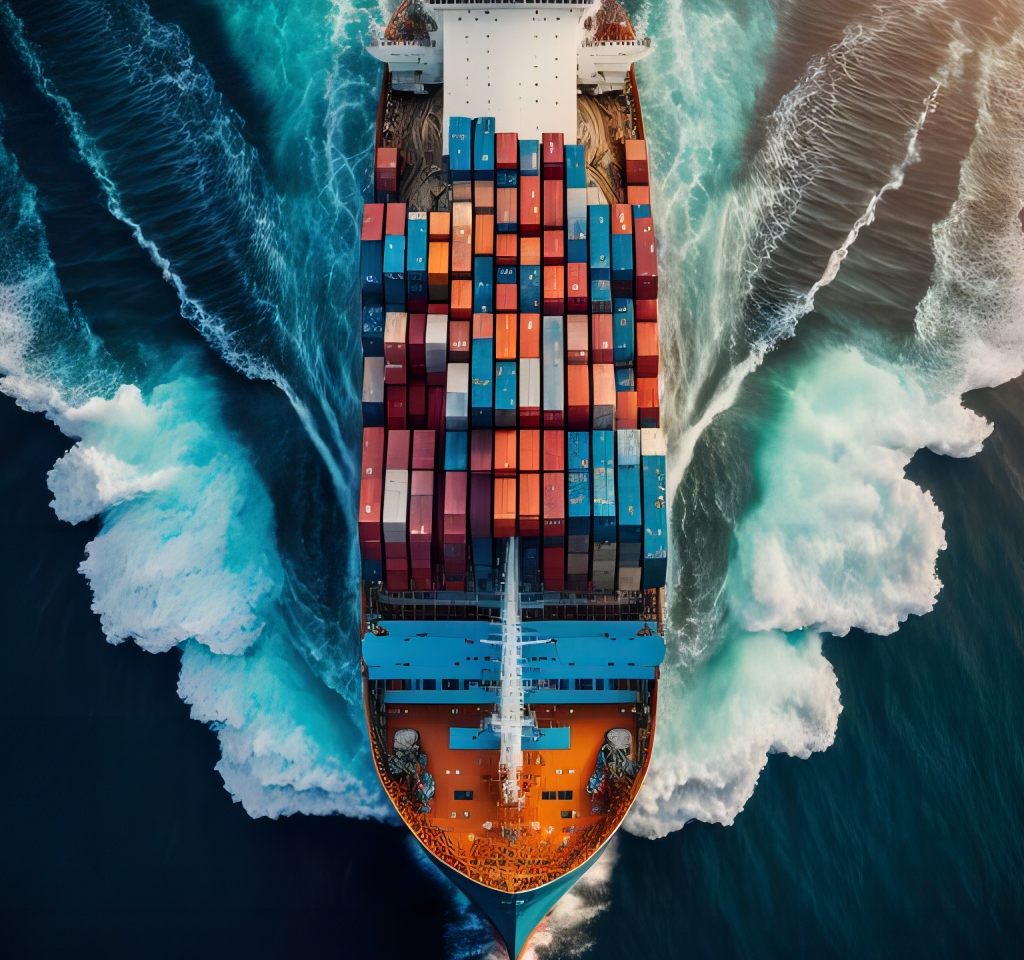
The transportation of goods by cargo ships across oceans, ideal for large volumes and heavy items.
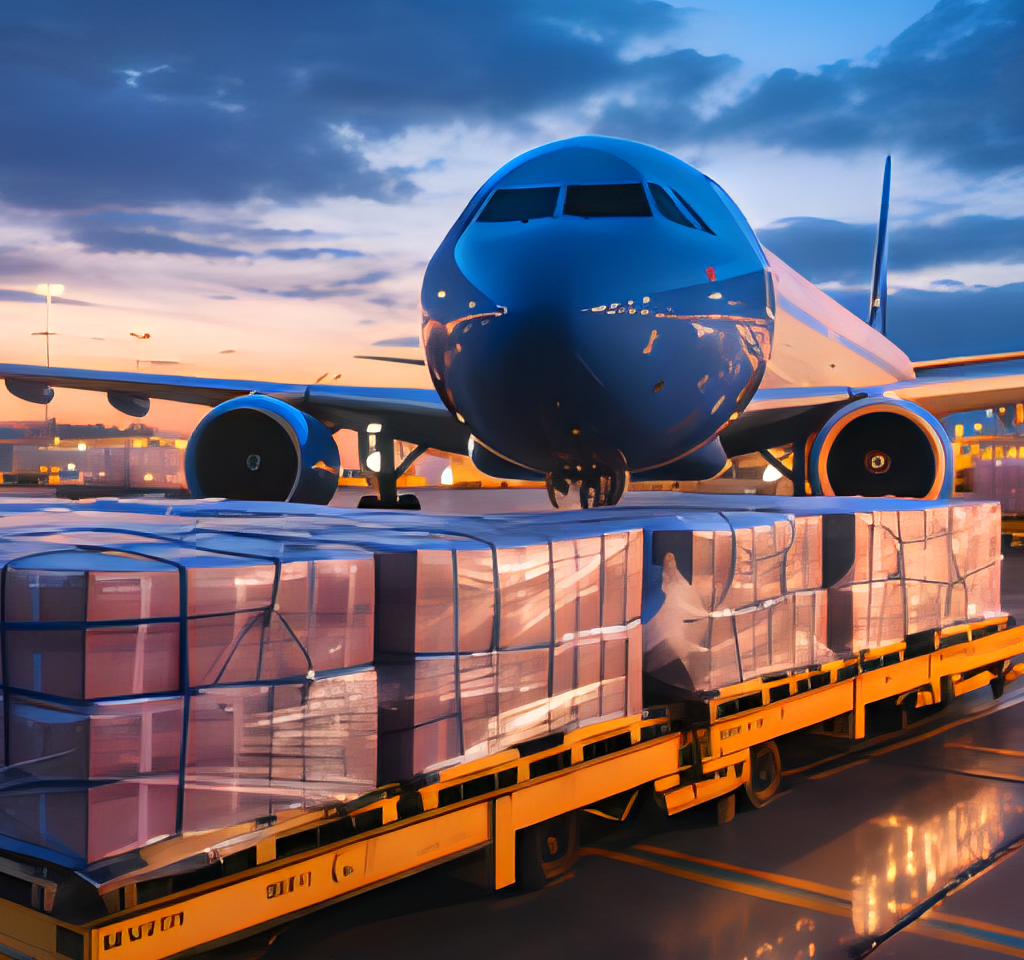
The shipment of goods via airplanes, offering fast delivery times for high-value or time-sensitive cargo.
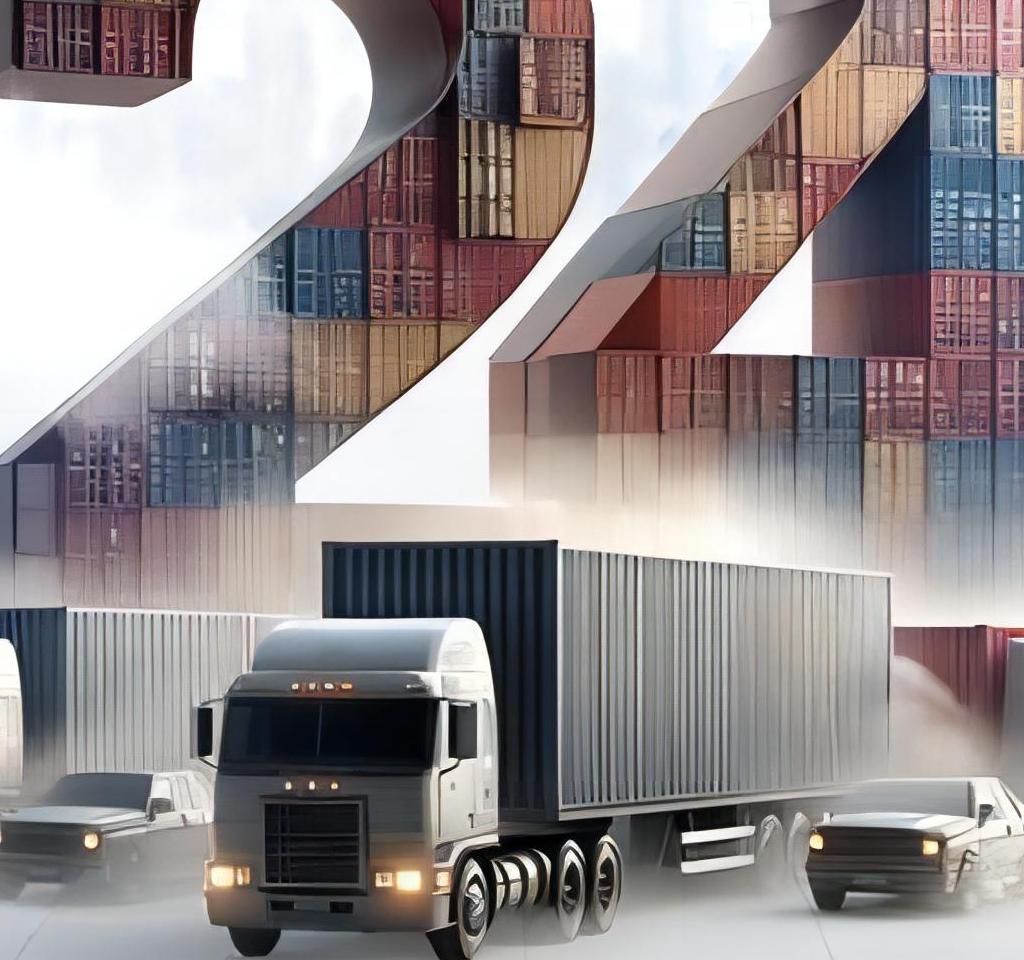
This comprehensive solution streamlines the shipping process, ensuring efficient and hassle-free delivery.
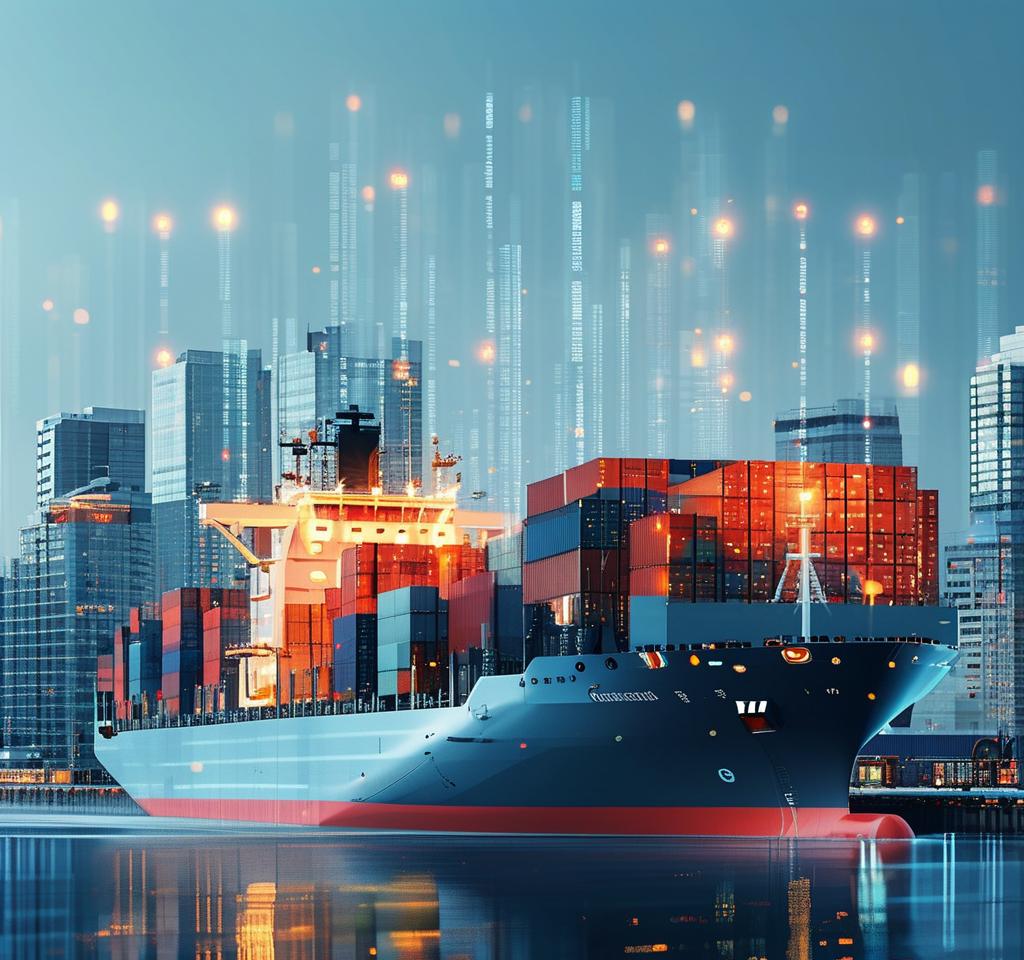
The process of shipping goods that are loaded individually rather than in containers, typically used for oversized or irregularly shaped cargo.
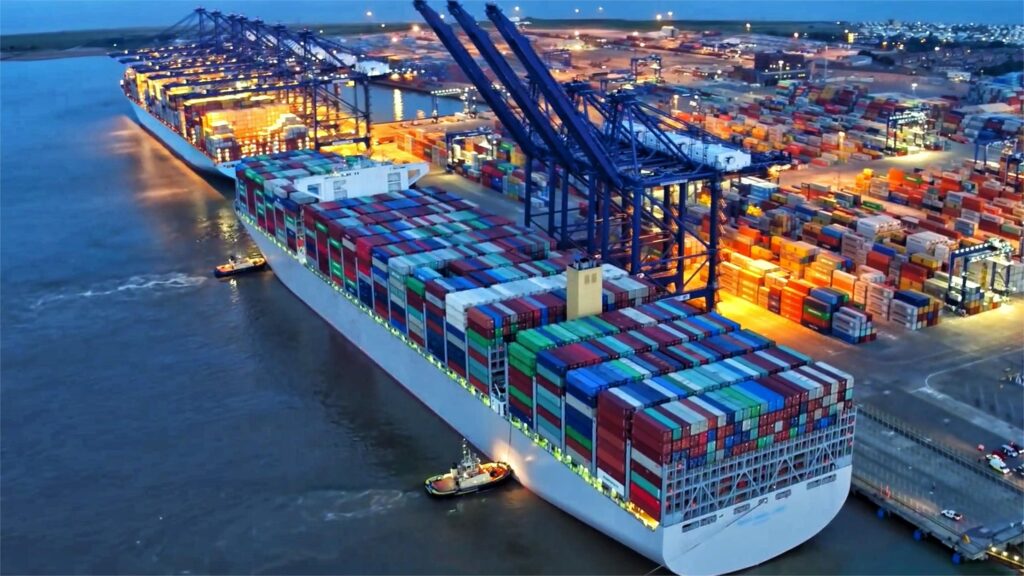
Transporting goods to Port Adelaide may involve various tariffs and fees, and the specific fees will vary depending on factors such as the type, value, and weight of the goods. Clients also need to understand and comply with the import/export restrictions in Australia to ensure smooth entry of the goods.
We will continue to maintain close contact with clients, providing real-time updates on transportation information and advice to ensure smooth delivery of goods to the destination. At the same time, we will also maintain good communication and coordination with the port and relevant parties to ensure the smooth progress of the entire transportation process.
Transit time depends on the transportation method and departure port. Sea freight from major Chinese ports such as Shanghai, Ningbo, or Shenzhen to Australia typically takes around 12–25 days depending on the destination port. Air freight shipments are much faster and generally arrive within 3–7 days, including cargo handling, customs clearance, and final delivery arrangements.
Importers can choose between sea freight, air freight, and express cargo services. Sea freight is the most economical option for large shipments and supports both FCL (Full Container Load) and LCL (Less than Container Load) shipments. Air freight is commonly used for urgent cargo or high-value goods that require faster transit.
Typical shipping documentation includes a commercial invoice, packing list, and bill of lading or airway bill. Depending on the product type, additional documents such as import permits, certificates of origin, or quarantine documentation may also be required by Australian authorities.
Australia has very strict biosecurity and quarantine regulations. Wooden packaging materials, agricultural goods, and certain organic products may require inspection or treatment to ensure they comply with Australian biosecurity standards.
Shipping costs are influenced by cargo volume or weight, shipping method, container type, distance between ports, fuel surcharges, and seasonal market demand. Additional services such as customs brokerage, insurance, and inland trucking may also affect the total cost.
Yes. After containers arrive at Australian seaports, cargo can be transported inland by trucking or rail freight to cities such as Sydney, Melbourne, Perth, Adelaide, or Canberra depending on the final delivery location.
Cargo Insurance provides coverage for goods against loss, damage, or theft during transit, ensuring that the owner receives financial compensation in the event of unforeseen incidents.
Amazon FBA (Fulfillment by Amazon) is a service where sellers store their products in Amazon's warehouses, and Amazon handles the packing, shipping, and customer service.
Customs brokerage is a service that helps importers and exporters clear goods through customs.
Door to door service refers to the transportation of goods directly from the sender's location to the recipient's location, handled entirely by the carrier.
Express service provide fast, time-sensitive delivery of parcels and documents.
DDU term means the seller is responsible for delivering the goods to the buyer’s designated destination, but not for paying import duties and other import fees. The buyer is responsible for customs clearance and paying all applicable duties, taxes, and fees.
DDP term means the seller is responsible for delivering the goods to the buyer’s designated destination and for paying all import duties and other import fees. The buyer only needs to receive the goods, without bearing any additional expenses.